Here’s a dive into a mid-90s gem that likely graced many a top-loader VCR back in the day.
### The Audacity of Desperation
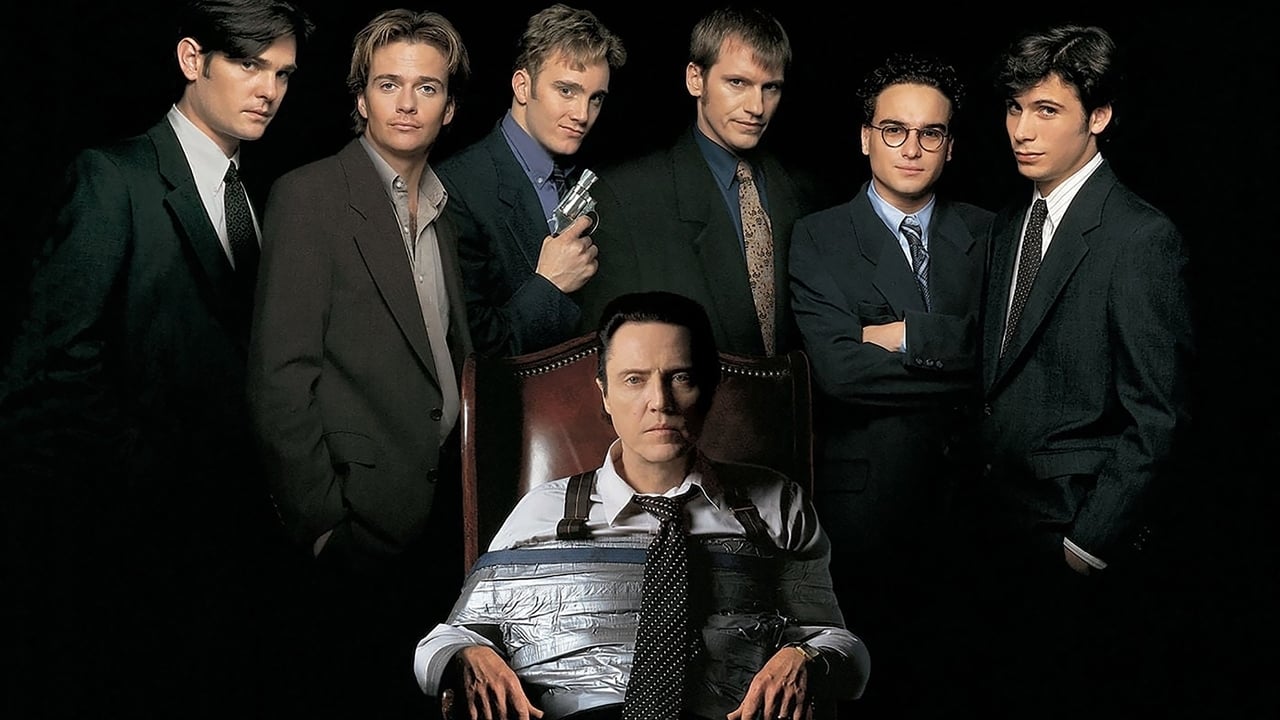
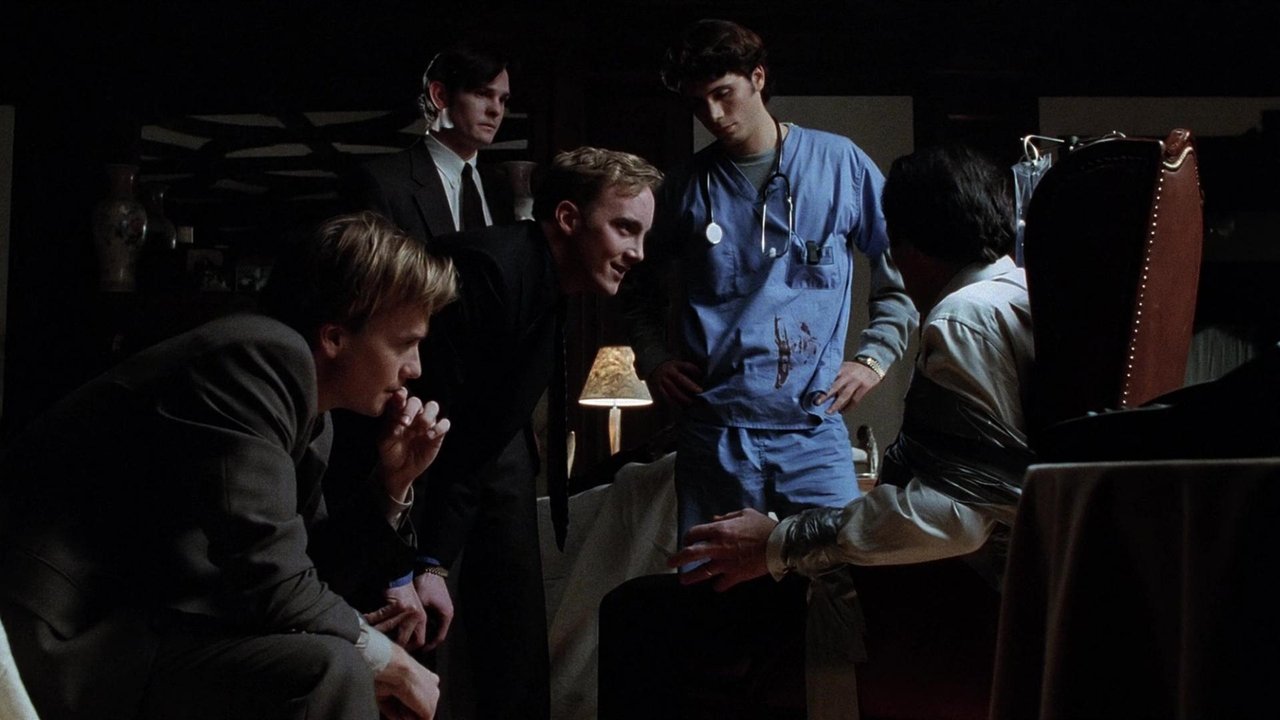
What happens when privilege hits panic? Suicide Kings throws us headfirst into that volatile mix. It’s not a slow burn; the premise snaps into place with startling speed: a group of affluent young men, desperate after the kidnapping of one of their sisters (and the hefty ransom demand), hatch a plan born of sheer recklessness. They decide to kidnap retired Mafia boss Carlo Bartolucci, now living under the unassuming name Charlie Barret, played with unforgettable, coiled menace by the one and only Christopher Walken. Their logic? Force him to use his connections to find the girl. It's a plan so audacious, so fundamentally flawed, you can't look away. The film locks us in a room with these increasingly frantic "kings" and their captive, forcing us to watch the power dynamics twist and turn like a key in a stubborn lock.
### Walken Enthroned
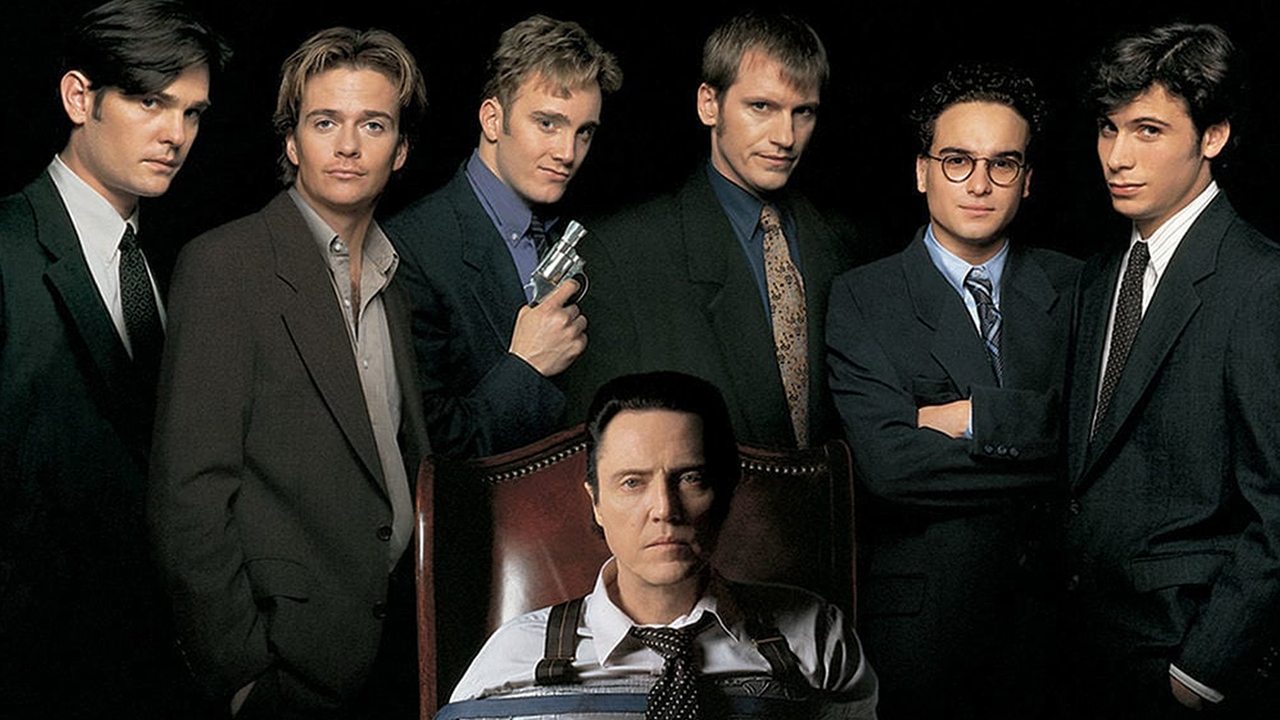
Let's be clear: the magnetic core of Suicide Kings is Christopher Walken. Confined to a chair, bound and gagged for portions of the film, he somehow commands every scene he's in. It's a masterclass in minimalist power. Freed from the need for grand gestures, Walken works magic with his eyes, the subtle shifts in his posture, and that iconic, unsettling cadence. Charlie Barret isn't just passively enduring his capture; he's observing, calculating, subtly manipulating his captors with carefully chosen words and unnerving calm. He turns his vulnerability into a weapon, exposing the cracks in their bravado and the terrifying incompetence underlying their desperate gamble. Rumors persisted that Walken, ever the dedicated performer, sometimes remained bound between takes to fully inhabit the character's confinement – whether strictly true or not, it feels authentic in the intensity he brings. His performance elevates the entire picture, transforming a potentially pulpy thriller into something more akin to a tightly wound stage play.
### A Royal Flush of Nervous Energy
Facing off against Walken's quiet storm is the ensemble of young actors playing the kidnappers. Sean Patrick Flanery (perhaps best known later for The Boondock Saints) steps up as Avery, the nominal leader whose sister is missing, trying to maintain control over a situation spiraling ever faster. Henry Thomas, forever etched in our minds from E.T. the Extra-Terrestrial, provides a fascinating contrast here as the increasingly guilt-ridden and morally conflicted Lazo. Jay Mohr brings jittery, volatile energy as the hot-headed Brett, while Jeremy Sisto and Johnny Galecki (pre-Big Bang Theory fame) round out the panicked crew. Their collective performance effectively conveys the mounting desperation and fraying nerves. We see the initial confidence crumble, replaced by fear, suspicion, and the dawning horror of just who they've messed with. They aren't seasoned criminals, just boys playing a dangerous game with stakes far higher than they ever conceived.
### Lono on the Loose
While the tension builds claustrophobically inside the house, the film cuts away to the outside world where Charlie's loyal, menacing associate Lono searches for his boss. Played by Denis Leary with his signature rapid-fire cynicism and simmering aggression, Lono provides the narrative's forward momentum and its flashes of brutal action. Leary, fresh off his stand-up fame and roles like The Ref, is perfectly cast. His investigation methods are... direct, shall we say, and his scenes offer a different kind of threat – calculated and professional compared to the amateurish chaos unfolding back at the house. It’s a smart structural choice by director Peter O'Fallon, relieving the pressure cooker atmosphere just enough before plunging us back in.
### 90s Indie Grit and Dark Humor
Suicide Kings arrived in 1997, riding the wave of post-Tarantino indie crime thrillers that favoured sharp dialogue, morally ambiguous characters, and sudden bursts of violence. Penned by Don Stanford (based on his short story "The Hostage"), Josh McKinney, and Gina Goldman, the script crackles with dark wit and nervous energy. The film navigates a tricky tonal balance – it's undeniably tense, yet threaded with moments of bleak humor arising from the sheer absurdity of the situation and the characters' ineptitude. It’s a tone that feels very specific to that mid-to-late 90s period of filmmaking. Remember pulling this tape off the shelf at Blockbuster, maybe drawn in by Walken or Leary, and discovering this tight, dialogue-driven thriller that felt a little dangerous? Made for a relatively modest $5 million, it didn't exactly break the bank ($1.7 million domestic gross), solidifying its status as more of a cult favourite discovered on home video than a mainstream hit. The title itself, referencing the King of Hearts card shown seemingly stabbing himself, feels like a perfect, darkly ironic symbol for the self-destructive path the characters tread.
### Lasting Impressions
Does the plot require some suspension of disbelief? Absolutely. Are all the young kidnappers equally well-developed? Perhaps not. But the film overcomes these potential weaknesses through its sheer commitment to its premise, its sharp dialogue, and, above all, that mesmerizing central performance. It’s a film that sticks with you – the claustrophobia, the escalating tension, and the chilling effectiveness of Walken’s understated power. It asks uncomfortable questions about desperation, consequence, and the dangerous illusion of control.
Rating: 7.5/10
Justified by: Walken's phenomenal, screen-commanding performance, the palpable tension sustained throughout, sharp dialogue, and Leary's effective counterpoint. While the plot has some contrivances and the kidnapper ensemble varies slightly in depth, the core concept and execution deliver a memorable 90s thriller experience.
Final Thought: Suicide Kings remains a compelling watch, a potent reminder from the VHS era that sometimes the most dangerous weapon isn't a gun, but the unnervingly calm words of a man tied to a chair. It’s a royal gamble that mostly pays off.