Okay, fellow tape travelers, let's rewind to 1993. You've just devoured Fong Sai Yuk (maybe labelled The Legend on your rental copy) – that incredible blend of historical kung fu epic and goofy family comedy, starring the lightning-fast Jet Li. You're buzzing. Then, seemingly overnight, BAM! There it is on the shelf: The Legend II (or Fong Sai Yuk II). Released the very same year in Hong Kong, this sequel didn't waste a second, diving straight back into the fray with barely a pause for breath. It's a testament to the hyper-speed energy of the Golden Age of Hong Kong cinema, and grabbing this tape felt like getting an immediate encore to a concert that had just blown your mind.
### More Legends, More Laughs, More Leaps
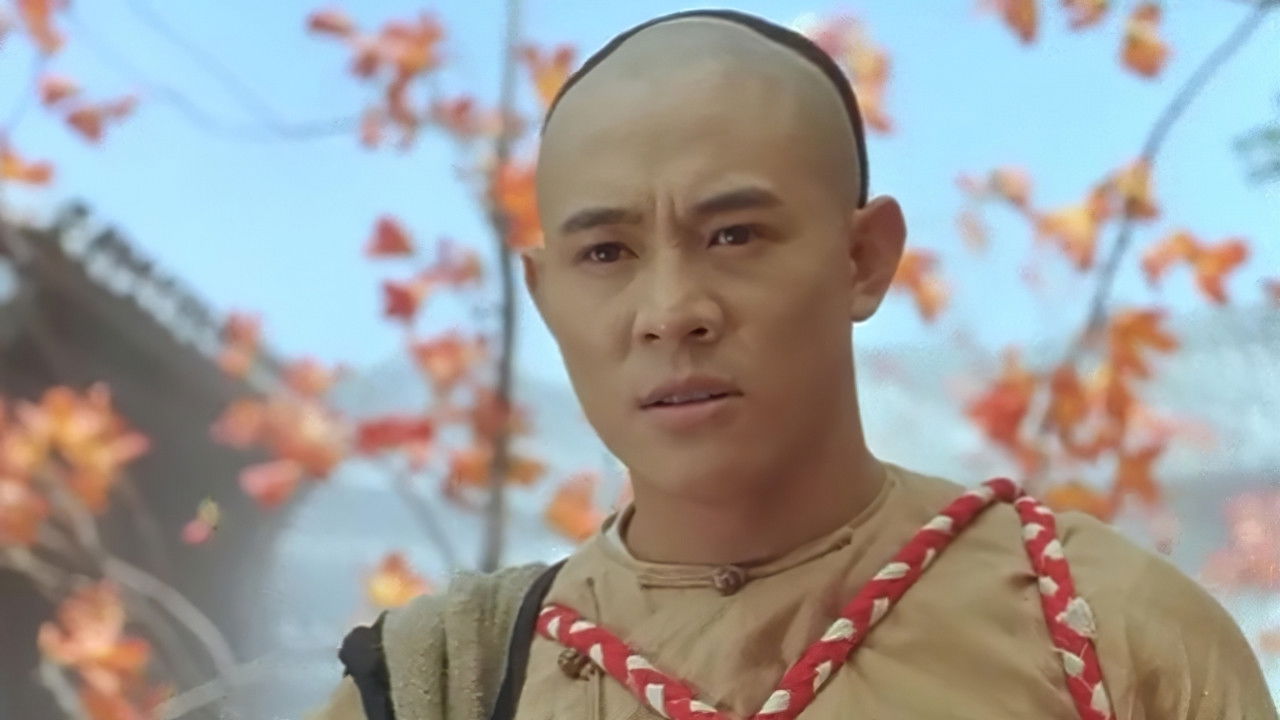
Picking up shortly after the first film, The Legend II finds our hero Fong Sai Yuk (Li, brimming with youthful confidence) entangled with the clandestine Red Flower Society, an anti-Qing Dynasty rebellious group. Tasked with retrieving a crucial box containing evidence of the society's connections, Sai Yuk finds himself competing for the heart of the Governor's daughter, Ting Ting (Michelle Reis, returning from the first film), while also navigating the political machinations of the society's leader, Chan Ka-lok (Adam Cheng). Oh, and his formidable, hilariously overbearing mother, Miu Tsui-fa (Josephine Siao, stealing every scene she's in), is back and more meddlesome than ever. The plot throws conspiracies, romance, and a formidable Japanese ronin antagonist into the mix, but let's be honest – we're here for the action and the antics.
### Corey Yuen's Wire-Fu Wizardry
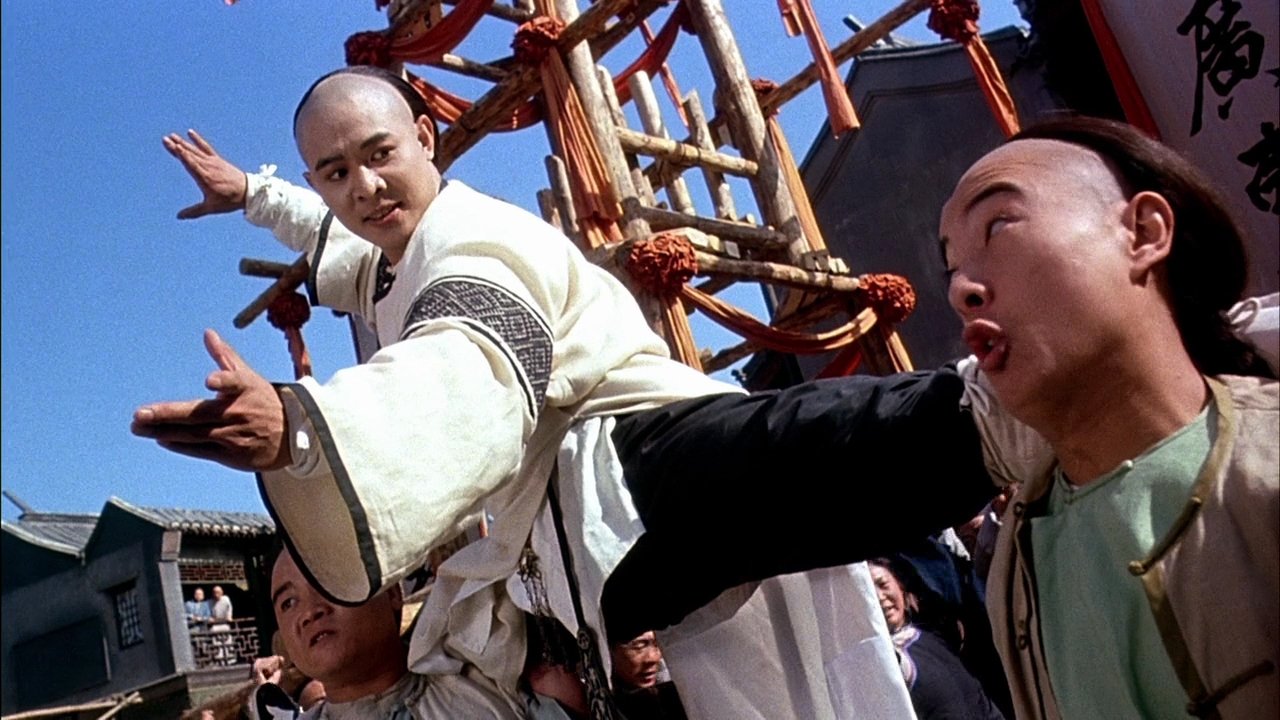
If the first film established the unique tone, this sequel cranks the action dial way up. Director Corey Yuen, a master choreographer (and one of the famed "Seven Little Fortunes" alongside Jackie Chan and Sammo Hung), unleashes pure kinetic mayhem. This is peak 90s Hong Kong wire-fu, and it's glorious. Remember how real those impacts felt, even when fighters were soaring ten feet in the air? That's the magic of practical stunt work combined with ingenious wire rigging. Unlike today's often floaty CGI, Yuen uses wires to accentuate speed and power, making impossible feats feel tangibly dangerous.
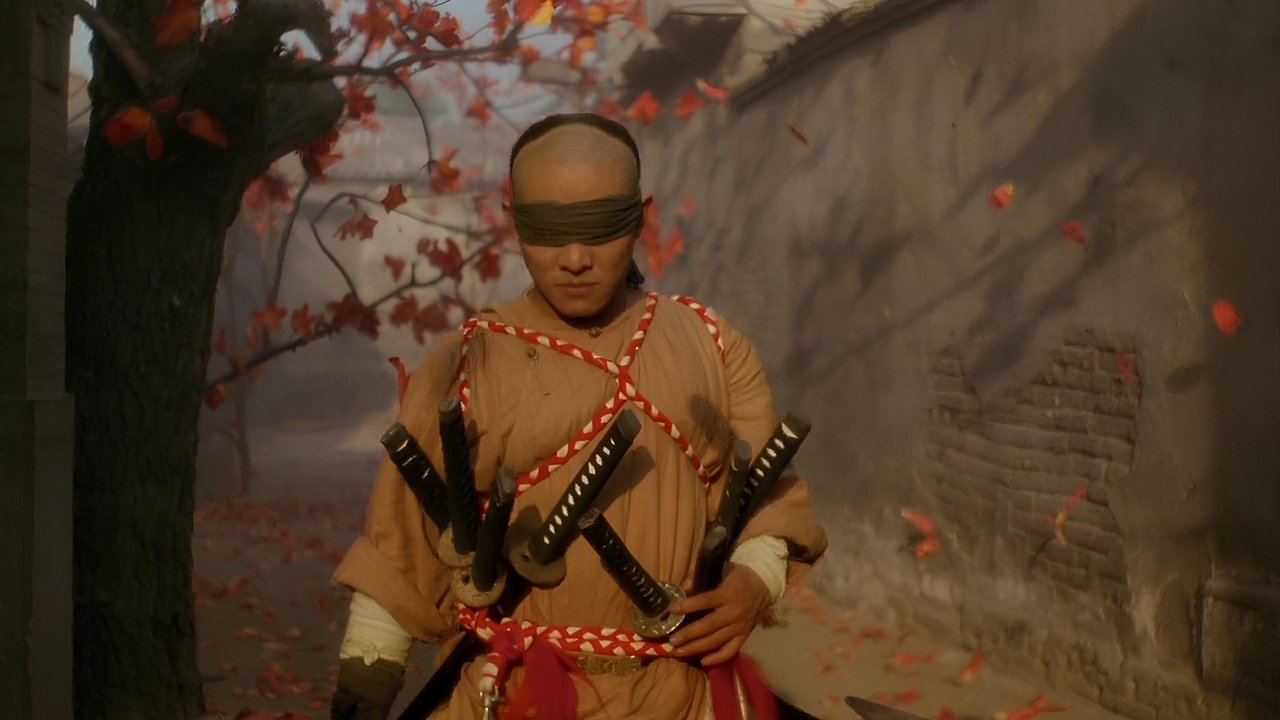
There's a raw energy here that just hits differently on a grainy VHS played back on a CRT. Think about that incredible sequence where Fong Sai Yuk has to fight blindfolded on a precarious platform of stacked benches. The tension is palpable not just because of the choreography, but because you know those are real performers, really balancing, really risking a nasty fall. Corey Yuen, who would later bring his distinct style to Hollywood with films like The Transporter, was already operating at an incredible level here, blending traditional martial arts forms with acrobatic flair that feels both elegant and brutal. It wasn't just about making people fly; it was about making every strike, every parry, every near-miss feel like it mattered.
### Li Shines, Siao Steals the Show
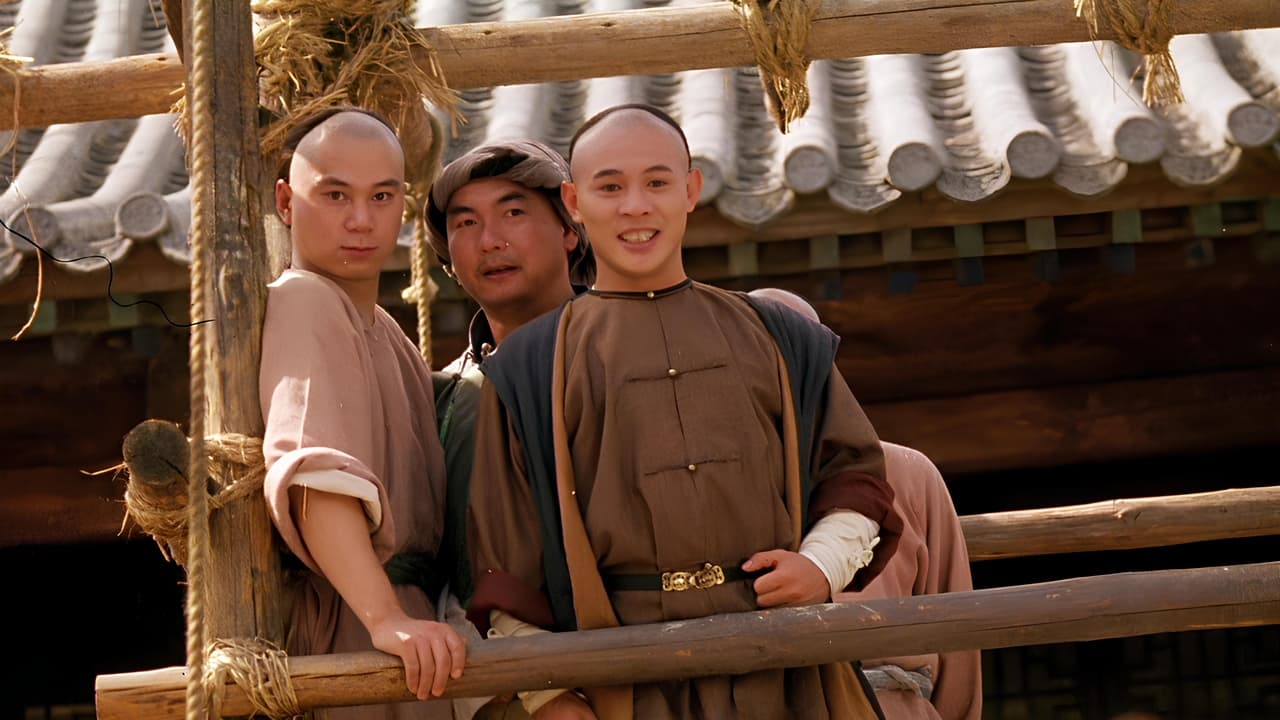
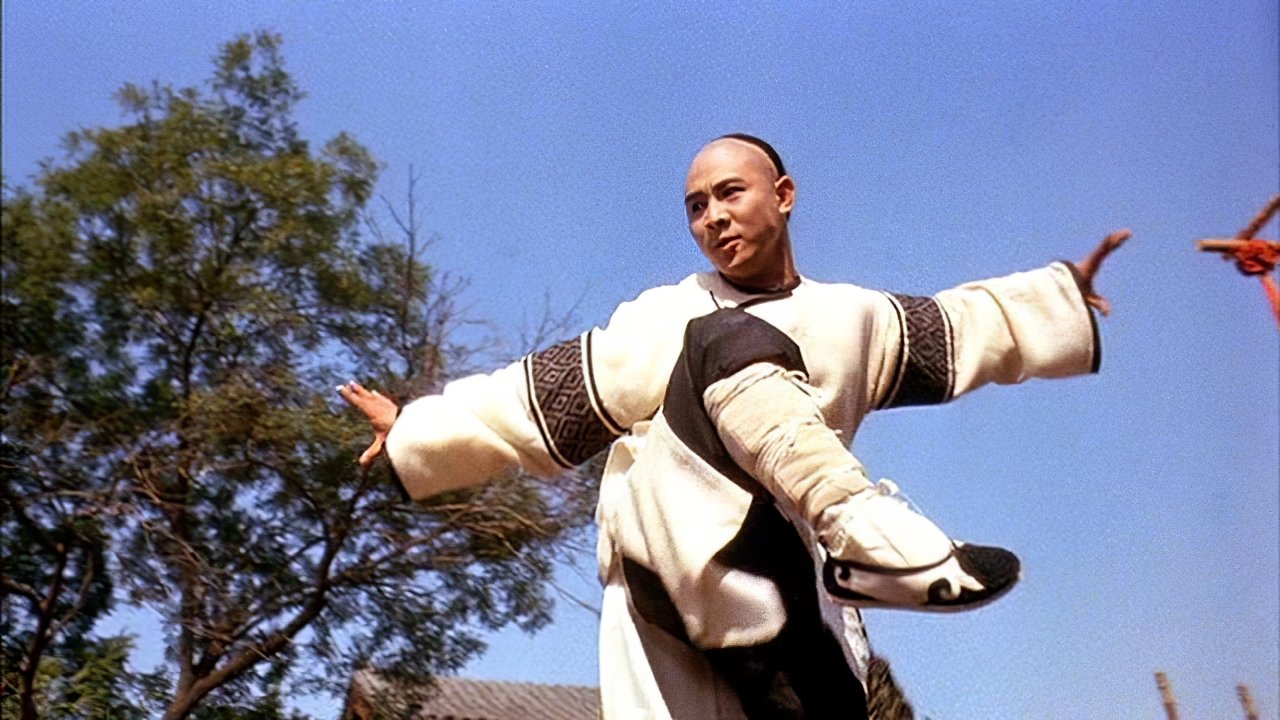
Jet Li is simply phenomenal. This era was arguably his prime, showcasing not just his incredible speed and precision but also a genuine screen charisma. He handles the intricate fight choreography with effortless grace, making the most demanding sequences look like a deadly dance. He sells the stakes of the fights, even when the plot takes comedic detours.
But let's talk about Josephine Siao. Reprising her role as Fong Sai Yuk's mother, she's the comedic heart and soul of the film. Siao, already a highly respected dramatic actress and former child star in Hong Kong (she even won Best Actress at the HK Film Awards for the first Fong Sai Yuk!), dives headfirst into physical comedy and witty banter with infectious glee. Her martial arts skills might be played for laughs, but her comedic timing is razor-sharp. Her interactions with Li and her attempts to "help" her son often derail the main plot in the most entertaining ways possible. This blend of high-stakes action and broad comedy could easily fall apart, but Siao’s performance somehow makes it work, adding a unique flavour that sets the Fong Sai Yuk films apart.
### A Product of Its Time, In the Best Way
Sure, watching it now, some of the humour feels broad, and the plot can feel a little episodic, stitched together between incredible set pieces. The pacing reflects that rapid Hong Kong production schedule – maximum entertainment value packed into every minute. But that's part of the charm, isn't it? This wasn't about deep thematic resonance; it was about delivering thrills and laughs at breakneck speed. It's a snapshot of a specific time and place in filmmaking where creativity thrived, often fueled by necessity and sheer talent rather than massive budgets. The blend of genres, the willingness to be both incredibly violent and incredibly silly within minutes – it’s something rarely seen today.
Rating: 8/10
This score reflects the film's status as a top-tier example of early 90s Hong Kong action-comedy. The action choreography by Corey Yuen is exceptional, Jet Li is at the peak of his physical powers, and Josephine Siao delivers an unforgettable comedic performance. While the plot is perhaps less focused than the first film, the sheer energy, creativity, and jaw-dropping practical stunt work make it an absolute must-watch for fans of the genre. It perfectly justifies its existence as a rapid-fire sequel.
Final Take: The Legend II is pure, uncut 90s Hong Kong cinematic adrenaline mixed with genuine laughs. It’s a reminder of a time when action felt thrillingly tangible, relying on human skill and daring rather than digital trickery – a glorious firework display of practical martial arts filmmaking that still explodes off the screen today.