Okay, fellow tape-heads, let's rewind to 1990. You stumble into the video store, maybe after grabbing some pizza, scanning those glorious, slightly worn-out VHS boxes. Your eyes land on something colourful, possibly featuring a guy looking comically intense over some playing cards. The title? All for the Winner (or maybe you found it under its Cantonese title, Dou Sheng, 賭聖). You take a gamble, pop it in the VCR later that night, picture maybe a little fuzzy... and discover pure, unadulterated Hong Kong comedic gold.
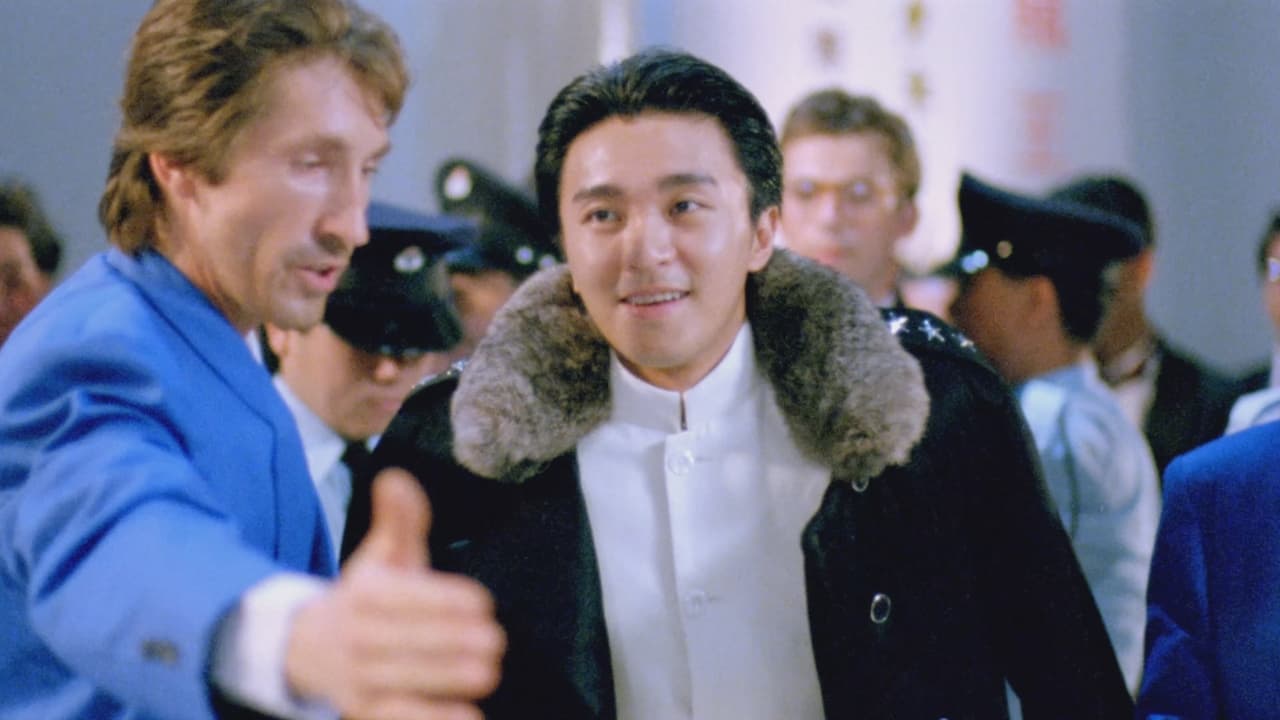
This wasn't just another movie; this was the cinematic big bang that propelled Stephen Chow from a supporting actor and TV host into the stratosphere, earning him the nickname "Sing Yeh" (Master Sing). It wasn't supposed to be the phenomenon it became. Conceived as a clever, low-budget parody of the slick, high-stakes gambling drama God of Gamblers (1989) starring Chow Yun-fat, All for the Winner somehow tapped directly into the funny bone of Hong Kong audiences, smashing box office records to become the highest-grossing film in the territory's history at that time, pulling in over HK$41 million. Talk about hitting the jackpot!
### From Mainland Bumpkin to Gambling Saint
The premise is delightfully absurd. Chow plays Sing, a naive mainlander who comes to Hong Kong to stay with his uncle, Blackie Tat (Ng Man-tat in a career-defining role that cemented one of cinema's greatest comedic partnerships). Sing seems simple, maybe even a bit dense, but he possesses a bizarre superpower: the ability to see through objects and, more importantly, change playing cards through sheer force of will (and some ridiculous hand gestures). Tat, a perpetually down-on-his-luck hustler, sees Sing not as a nephew, but as a walking, talking ATM machine. Their attempts to cash in on Sing's abilities form the chaotic core of the film.
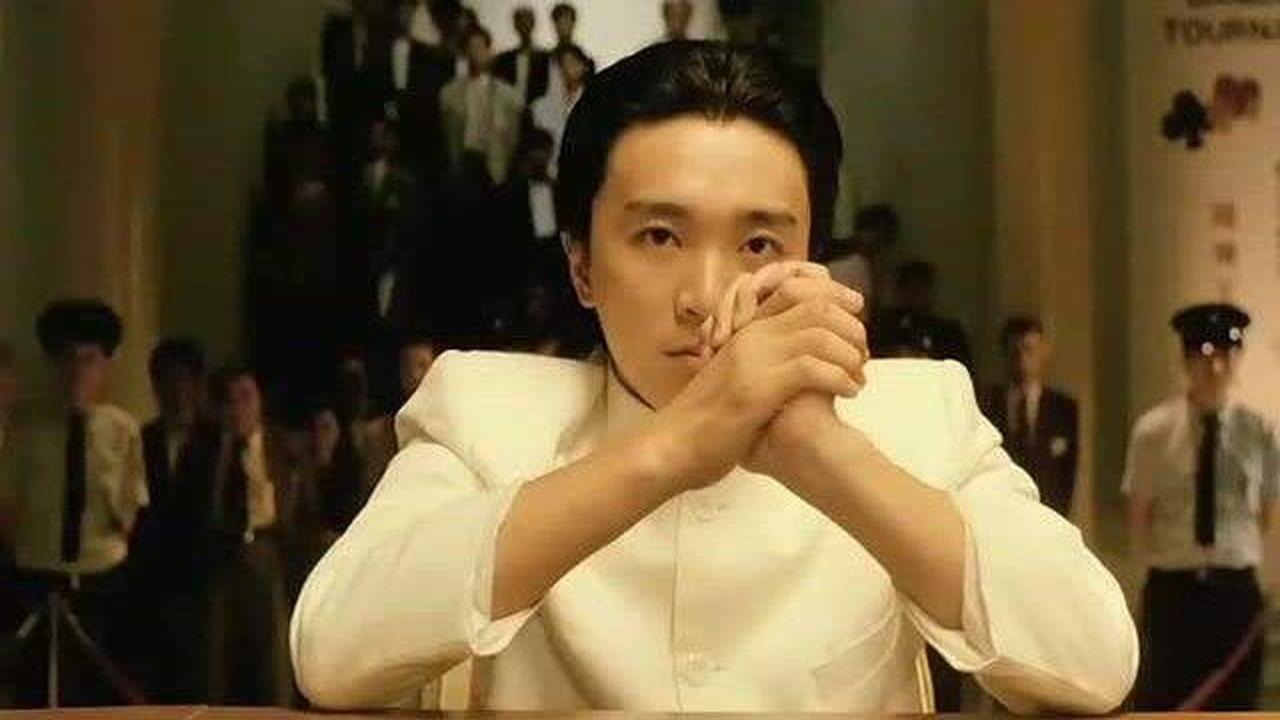
What makes it work isn't just the gambling premise, but Chow's incredible comedic timing and physicality. This is the birth of his signature "mo lei tau" (nonsense) style – a whirlwind of slapstick, lightning-fast Cantonese wordplay (some inevitably lost in translation, but the energy remains), pop culture references, and moments of genuine, almost accidental, charm. Chow’s Sing is goofy, easily lovestruck (especially by the beautiful Yee-mung, played by Sharla Cheung, essentially reprising her role from God of Gamblers), and capable of sudden, inexplicable bursts of quasi-martial arts prowess, often involving slow-motion replays that were already becoming a Chow trademark.
### The Action of Comedy
Now, this isn't Die Hard on a mahjong table. When we talk "action" in All for the Winner, we're talking about the energy. Co-directed by the brilliant Jeffrey Lau (who'd later give us the cult classic A Chinese Odyssey also starring Chow) and, significantly, action maestro Corey Yuen (The Transporter, Fong Sai Yuk), the film crackles with a kinetic pace. The gambling scenes aren't just cards being dealt; they're treated like high-stakes showdowns, complete with dramatic zooms, intense stares, and Sing's ludicrous displays of power. Remember how those card-changing effects looked? Not exactly ILM, were they? More like charmingly obvious edits and simple optical tricks, but delivered with such comedic conviction that you totally bought into the silliness.
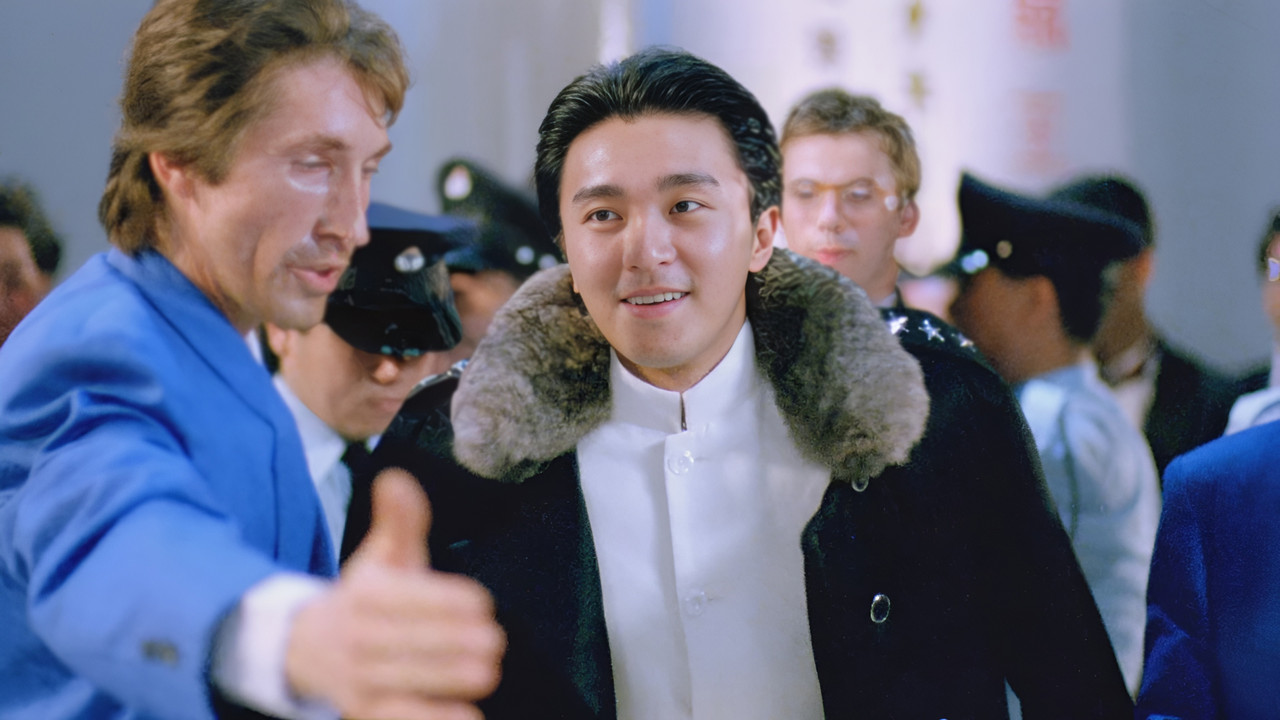
Corey Yuen's touch is likely felt in the pacing and the surprisingly well-staged (though brief) physical comedy fights. There's a raw, almost improvisational feel to these moments, a stark contrast to the meticulously choreographed ballets of violence we often see today. It felt real in its absurdity, grounded by the palpable chemistry between Chow and Ng Man-tat. Their rapid-fire banter and master-student dynamic (or maybe master-exploiter dynamic) is the film's heart. I distinctly remember renting this tape multiple times just to rewatch their interactions.
### More Than Just a Parody
While it started as a God of Gamblers riff, All for the Winner quickly established its own identity. It cleverly borrowed elements – the slow-motion walks, the high-stakes tournaments, the beautiful female lead – but twisted them through Chow's unique comedic lens. A fun tidbit: the film was produced relatively quickly and cheaply, making its colossal success even more astounding. It wasn't just a hit; it spawned its own sequel (God of Gamblers II, confusingly starring Chow as his All for the Winner character alongside Chow Yun-fat's God of Gamblers character... sort of) and cemented the gambling-comedy subgenre for years to come.
The supporting cast is filled with familiar faces from Hong Kong cinema of the era, all adding to the wonderful chaos. The soundtrack is pure early 90s Cantopop goodness, hitting those dramatic chords during the gambling scenes and jaunty tunes during the slapstick. It’s a film that doesn’t take itself seriously for a second, yet somehow creates genuinely hilarious and memorable moments. Sure, some of the humour feels very much of its time, and the plot logic is thinner than a well-worn VHS tape ribbon, but the sheer infectious energy is undeniable.
---
VHS Heaven Rating: 8/10
Justification: All for the Winner earns a solid 8 for its historical significance in launching Stephen Chow's reign, its genuinely hilarious "mo lei tau" comedy that defined a generation of Hong Kong cinema, the iconic pairing of Chow and Ng Man-tat, and its sheer rewatchable fun factor. It loses a couple of points for production values that scream 'early 90s budget' and humour that occasionally feels dated or doesn't fully translate, but its charm is overwhelming.
Final Take: This is foundational viewing for understanding 90s Hong Kong comedy. It’s rough, it’s silly, it’s got superpowers that make zero sense, but it possesses an anarchic energy and comedic genius that CGI-heavy modern films rarely capture. Fire up the VCR (or your preferred modern equivalent) – the Saint of Gamblers still holds a winning hand.