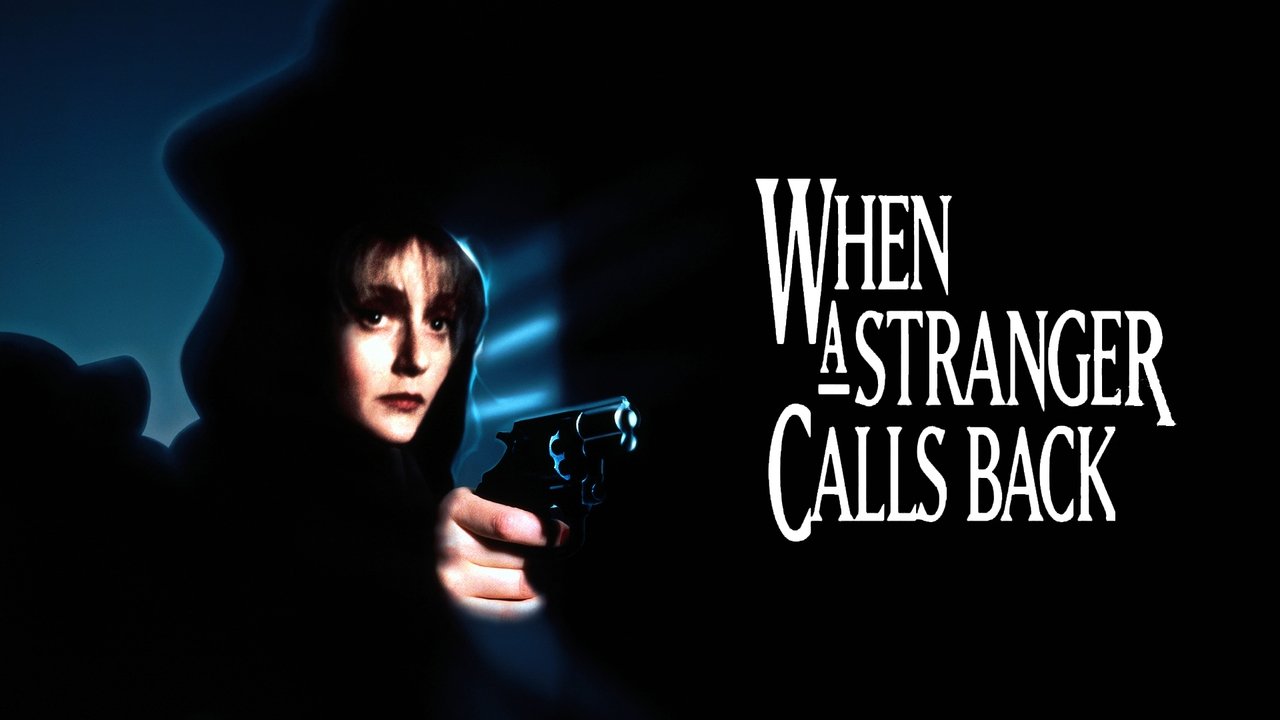
The silence isn't empty. It’s watchful. That’s the feeling that permeates When a Stranger Calls Back, a film that arrived fourteen years after its terrifying progenitor etched the line "Have you checked the children?" into cinematic infamy. This 1993 sequel, premiering on Showtime before finding its way onto countless rental shelves, doesn't just rehash the terror; it lets it mature, fester, and evolve into something arguably more insidious, proving that sometimes the quietest threats are the most unnerving.
A Shadow Reaches Across Years
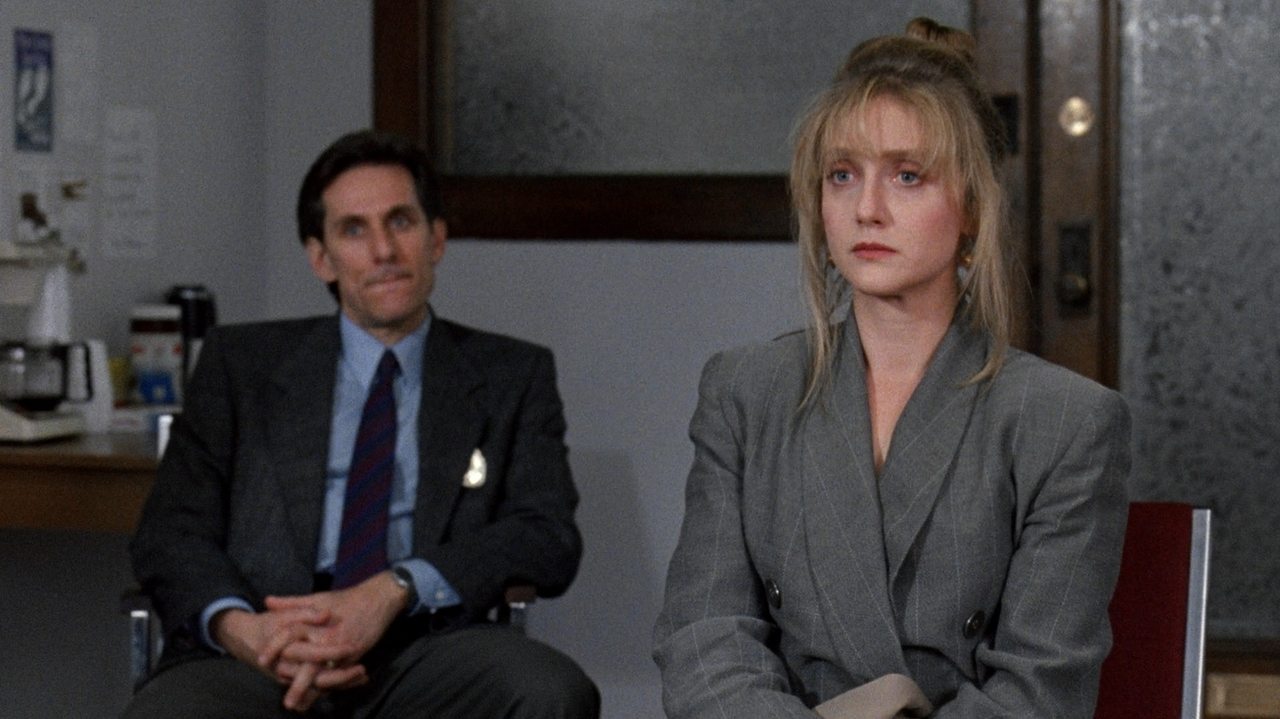
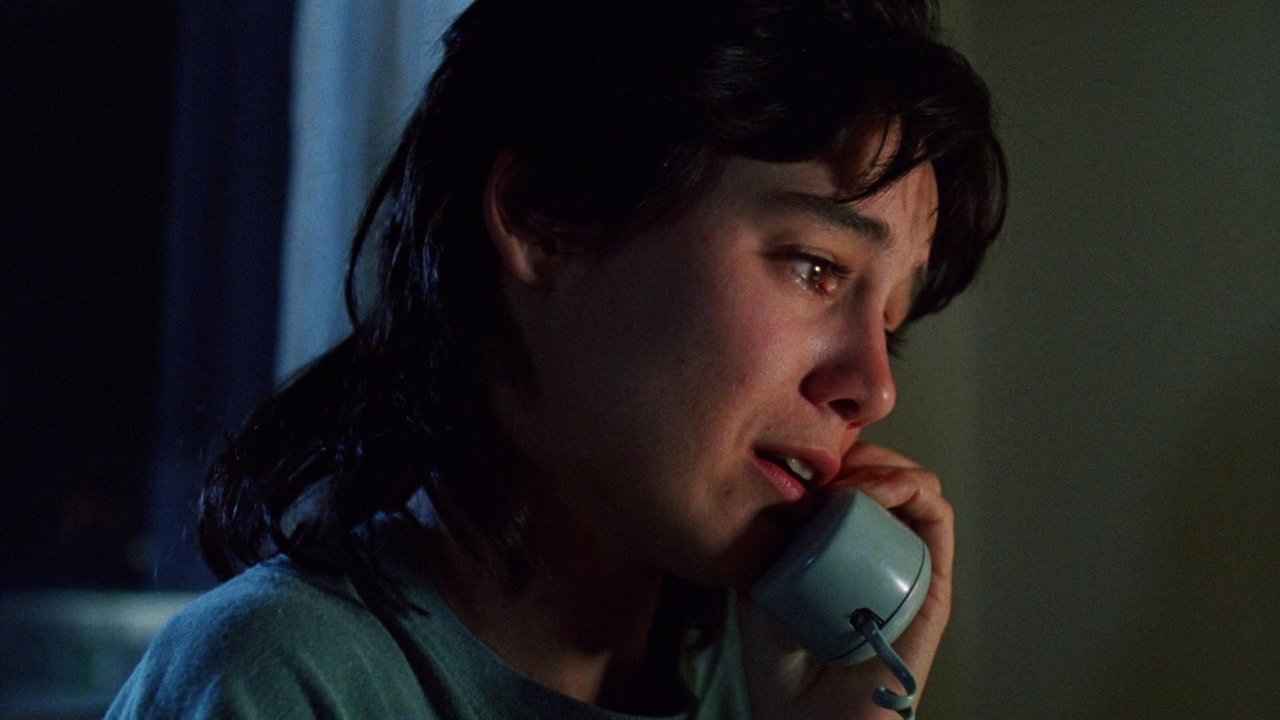
Writer-director Fred Walton, returning to the world he first created in 1979's When a Stranger Calls, understands that lightning rarely strikes twice in the same way. Instead of simple repetition, he crafts a narrative that feels both familiar and disturbingly fresh. We open, predictably, with a babysitter, Julia Jenz (Jill Schoelen, a recognizable face from late 80s/early 90s fare like The Stepfather and Popcorn). She's alone in a large, isolated house, caring for two sleeping children. The knock at the door isn't a prelude to frantic phone calls this time. It's a man claiming car trouble, needing to use the phone. Julia, cautious, refuses entry. What follows is a masterclass in escalating dread, not through overt violence, but through subtle manipulation of perception and space. The terror here isn't just hearing the threat; it's the chilling uncertainty of where it is and what it wants. This opening sequence alone is potent stuff, a reminder of Walton's knack for wringing tension from seemingly ordinary situations.
The Survivors' Burden
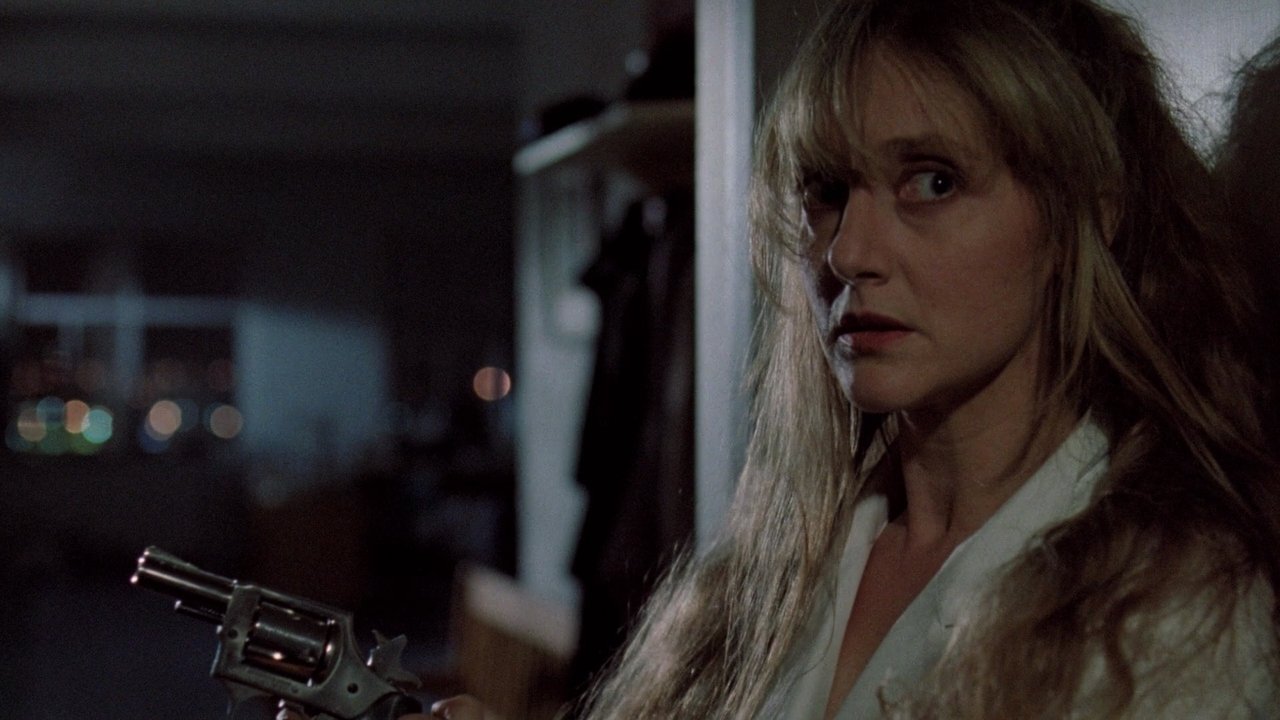
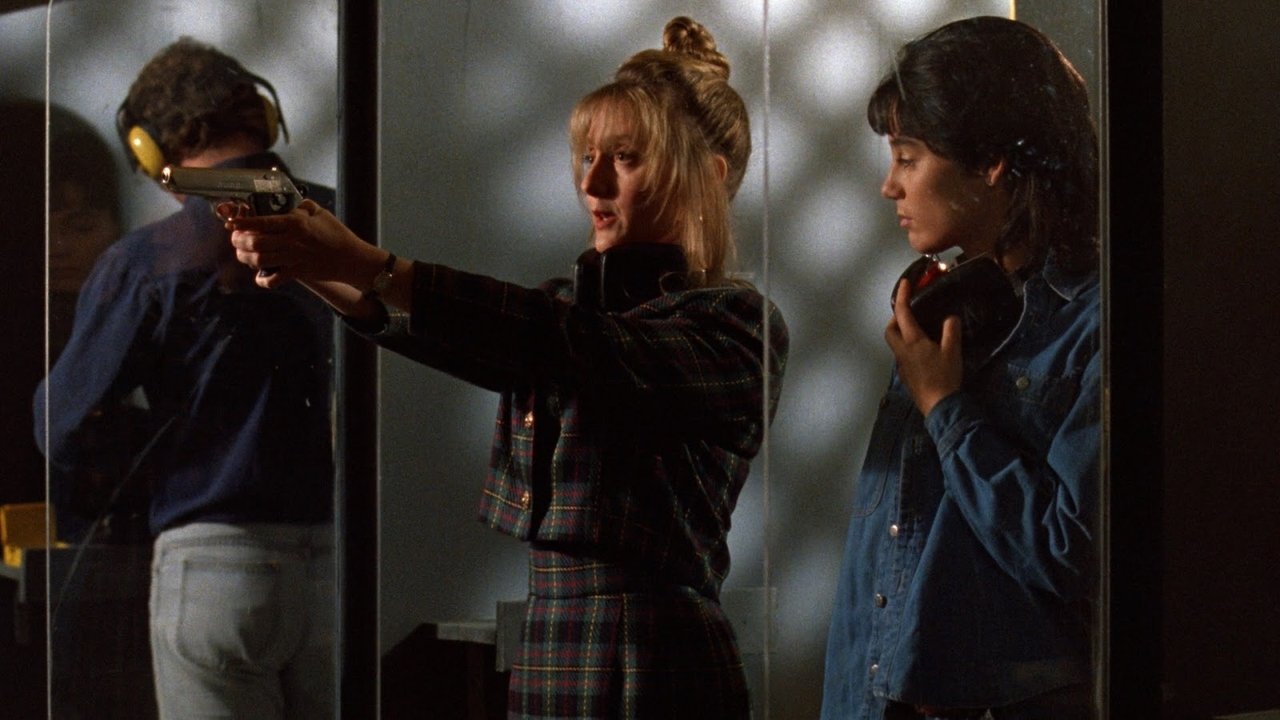
The film then jumps five years ahead. Julia is still deeply traumatized, plagued by the events of that night and the unsettling feeling that her tormentor was somehow inside the house despite her precautions. Enter Jill Johnson (Carol Kane, reprising her iconic role), the survivor from the original film, now working as a college counselor specializing in supporting victims of violence. Alongside her is the dependable, weary John Clifford (Charles Durning, also returning), the detective who helped her years ago. Kane's transformation is perhaps the sequel's most compelling element. No longer the paralyzed victim, she's a hardened, empathetic protector, her past trauma fueling a fierce determination to help Julia unravel the psychological puzzle left by her attacker. It’s a fantastic evolution of the character, giving Kane more agency and depth. Seeing Kane and Durning back together lends the film a welcome sense of continuity and weight, grounding the suspense in established characters we already care about.
The Art of Vanishing
What truly elevates When a Stranger Calls Back beyond a standard stalker retread is the antagonist's methodology. This isn't just a man making calls; he's a phantom, a performance artist of terror who uses camouflage, makeup, and an almost supernatural ability to blend into his surroundings to psychologically dismantle his victims. He doesn't just break in; he integrates, becoming part of the furniture, the walls, the background noise. Walton cleverly uses camera angles and environmental details to suggest the stalker's presence without explicitly showing him, playing on primal fears of being watched and invaded. It’s a genuinely creepy concept, tapping into anxieties about personal space and the vulnerability of one's own home. The sheer ingenuity of his methods – painting himself to match walls, hiding in plain sight – feels disturbingly plausible precisely because it's so psychologically invasive. This wasn't about brute force; it was about mental violation.
Made-for-TV, Maximum Dread
While originally made for cable television (specifically Showtime), the film largely transcends the usual limitations associated with TV movies of the era. Walton leverages the constrained budget ($3 million, a modest sum even then) to focus on atmosphere and psychological tension rather than elaborate set pieces. The cinematography often emphasizes shadows and enclosed spaces, enhancing the feeling of paranoia. The score, while perhaps typical of early 90s thrillers, effectively underscores the building dread. Walton reportedly felt the need to create a villain distinct from the original's Curt Duncan, focusing on a different kind of psychological terror, and the "camouflage chameleon" concept certainly achieves that. Rumour has it that finding ways to visually represent the villain's near-invisibility without resorting to cheap effects was a significant production challenge, forcing creative solutions that ultimately benefit the film's eerie mood. Doesn't that cleverness born from constraint often make these older films more interesting?
A Worthy Echo?
Compared to the raw, primal shock of the original's opening and the gritty procedural that followed, When a Stranger Calls Back is a more deliberately paced, cerebral chiller. It relies less on jump scares and more on sustained suspense and the unsettling nature of its villain. Jill Schoelen effectively portrays Julia's lingering fear and vulnerability, making her a sympathetic anchor for the audience. While the middle section occasionally dips in momentum as Clifford investigates, the return of Kane and the genuinely disturbing nature of the antagonist keep the tension simmering. For those of us who rented the tape or caught it late one night on cable, it often felt like a surprisingly sophisticated and chilling follow-up. It wasn't just more calls; it was a different, quieter, and perhaps more existentially terrifying threat. My own worn VHS copy certainly got its share of rewinds, trying to spot the villain before the reveal.
***
VHS Heaven Rating: 7.5/10
Justification: When a Stranger Calls Back earns its solid rating by being a rare sequel that respects its source material while forging its own distinct identity. Its strength lies in its genuinely unsettling antagonist concept, the welcome return and evolution of Carol Kane's character, and Fred Walton's masterful handling of psychological tension over cheap thrills. While its made-for-TV origins are occasionally apparent in its pacing and scope, it overcomes these limitations with smart direction and a truly creepy central idea. It might not possess the legendary status of the original's opening act, but it delivers sustained dread and a chilling performance-art villain that lingers long after the credits roll.
Final Thought: In the landscape of 90s thrillers, many of which chased louder, flashier scares, When a Stranger Calls Back stands out for its quiet, invasive terror. It’s a testament to the power of suggestion and a worthy, unnerving companion piece that proved the most frightening calls aren't always the ones you hear.