The air hangs thick and heavy, smelling faintly of dust and decay, much like the shadowed corners of the wax museum at the heart of 1997's The Wax Mask (M.D.C. - Maschera di cera). There's an inherent creepiness to wax figures, isn't there? That unnerving stillness, the glassy eyes that seem to follow you, perched precariously in the uncanny valley. This film takes that inherent dread and plunges it into a vat of Grand Guignol gore, creating a late-era Italian horror experience that feels both familiar and strangely unique. It’s a film whispering gothic horror tales from a bygone era, filtered through the unflinching lens of late 90s practical effects.
Echoes of the Maestro
You can't discuss The Wax Mask without feeling the spectral presence of the Godfather of Gore himself, Lucio Fulci. This project was intended as his grand return to horror after years battling illness, a reimagining inspired by classics like House of Wax (1953). He co-wrote the screenplay and was poised to direct, but tragically passed away in 1996 just before pre-production began. The reins, initially under the producing eye of Dario Argento (who later distanced himself somewhat, though his influence lingers), were handed to Argento's long-time special effects collaborator, Sergio Stivaletti. This marked Stivaletti's directorial debut, a perhaps morbid passing of the torch from one Italian horror legend to his trusted gore artisan. Knowing this backstory lends the film a certain poignancy; it feels haunted, not just by its plot, but by the ghost of what might have been under Fulci's direct guidance.
A Museum of Nightmares
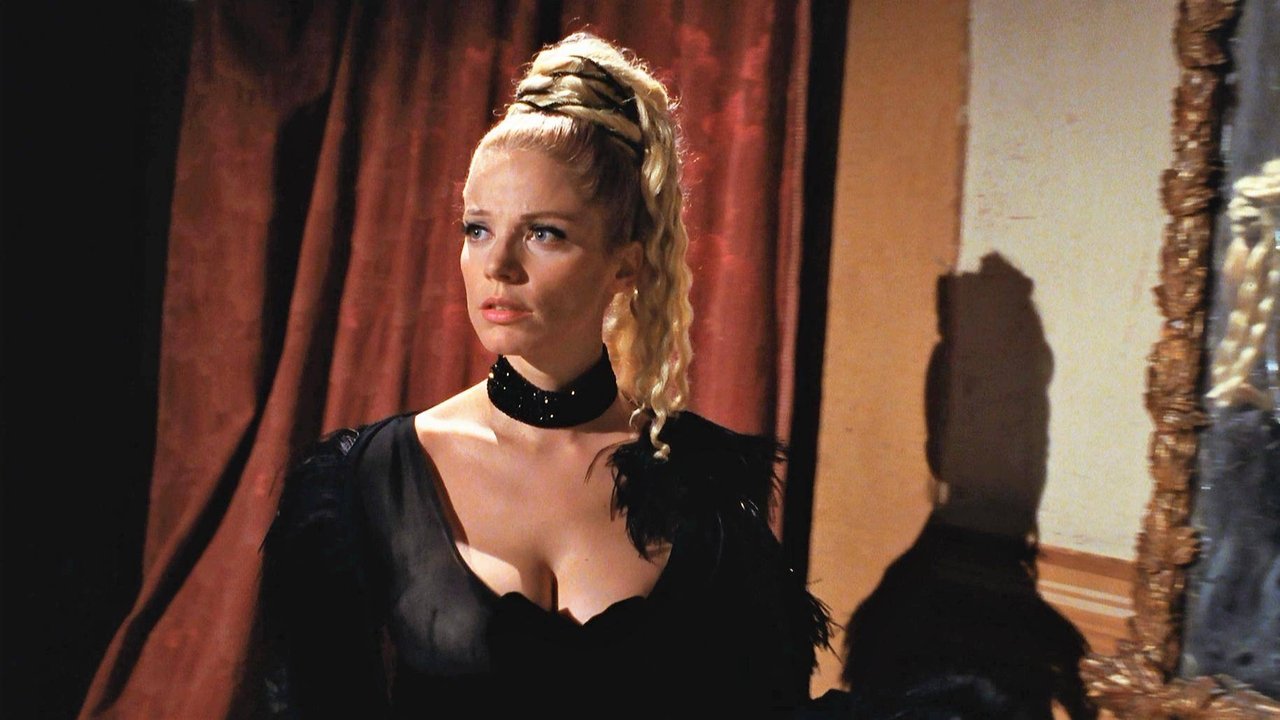
The story transports us to Paris at the turn of the 20th century. A young woman, Sonia (Romina Mondello), haunted by the childhood memory of witnessing her parents' gruesome murder, seeks work at a peculiar wax museum. Presided over by the enigmatic and slightly sinister Boris Volkoff (Robert Hossein, bringing a quiet menace honed over decades in European cinema), the museum specializes in depicting famously grisly murder scenes with shocking realism. As a series of brutal killings plague the city, mirroring the museum's exhibits, Sonia begins to suspect the chilling truth behind Volkoff's lifelike creations.
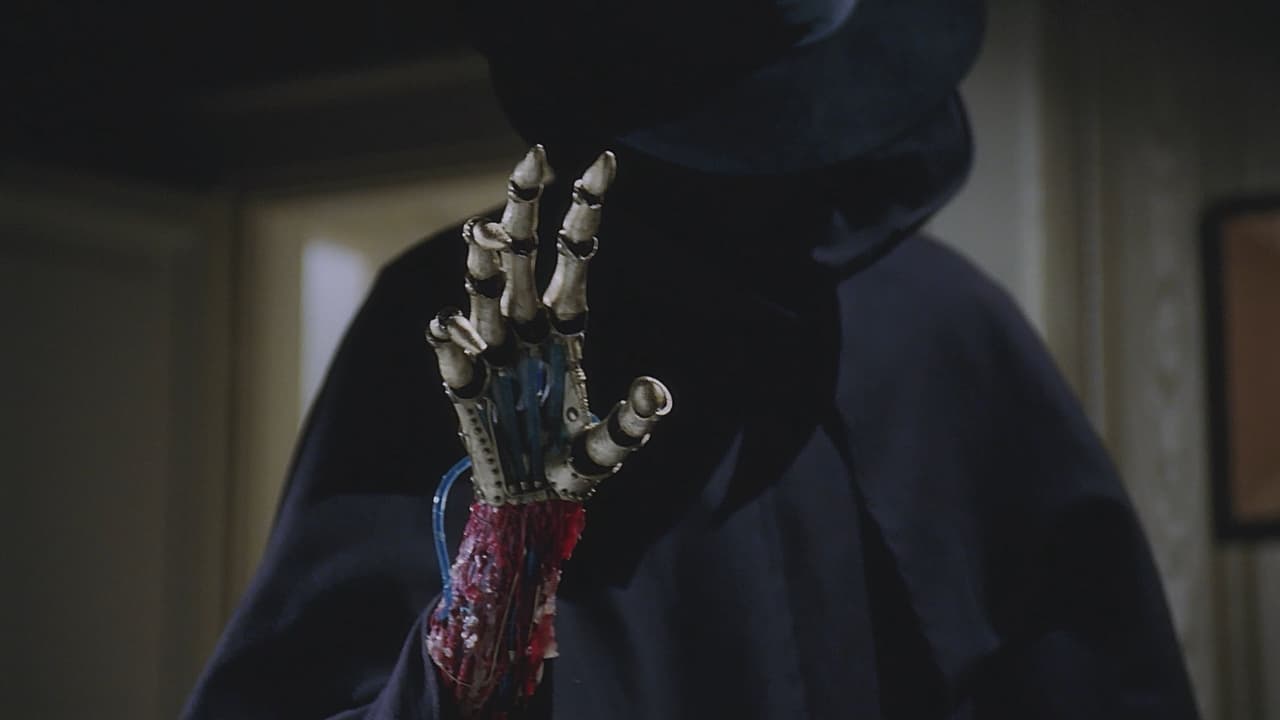
Where The Wax Mask truly excels is in its commitment to atmosphere and stomach-churning visuals. Stivaletti, understandably, leans heavily into his strengths. The production design crafts a wonderfully gothic playground – all shadows, decaying opulence, and unsettlingly realistic figures. But it's the practical effects that steal the show. Remember those glorious, tangible effects from the VHS era? The stuff that felt viscerally real, even when outrageous? Stivaletti delivers that in spades. This isn't just about blood packs; it's about intricate, horrifying creations. The film doesn't shy away from showing the gruesome mechanics behind the horror, featuring scenes of bodies being dissected, injected, and transformed with a level of detail that would make Fulci proud. One particularly memorable sequence involving an automaton feels like pure Stivaletti – a blend of intricate mechanics and brutal violence that’s hard to shake. It’s said Stivaletti even developed new techniques for simulating flesh and gore specifically for this film, pushing the boundaries of what practical effects could achieve at the time.
Gothic Gore and Late Italian Style
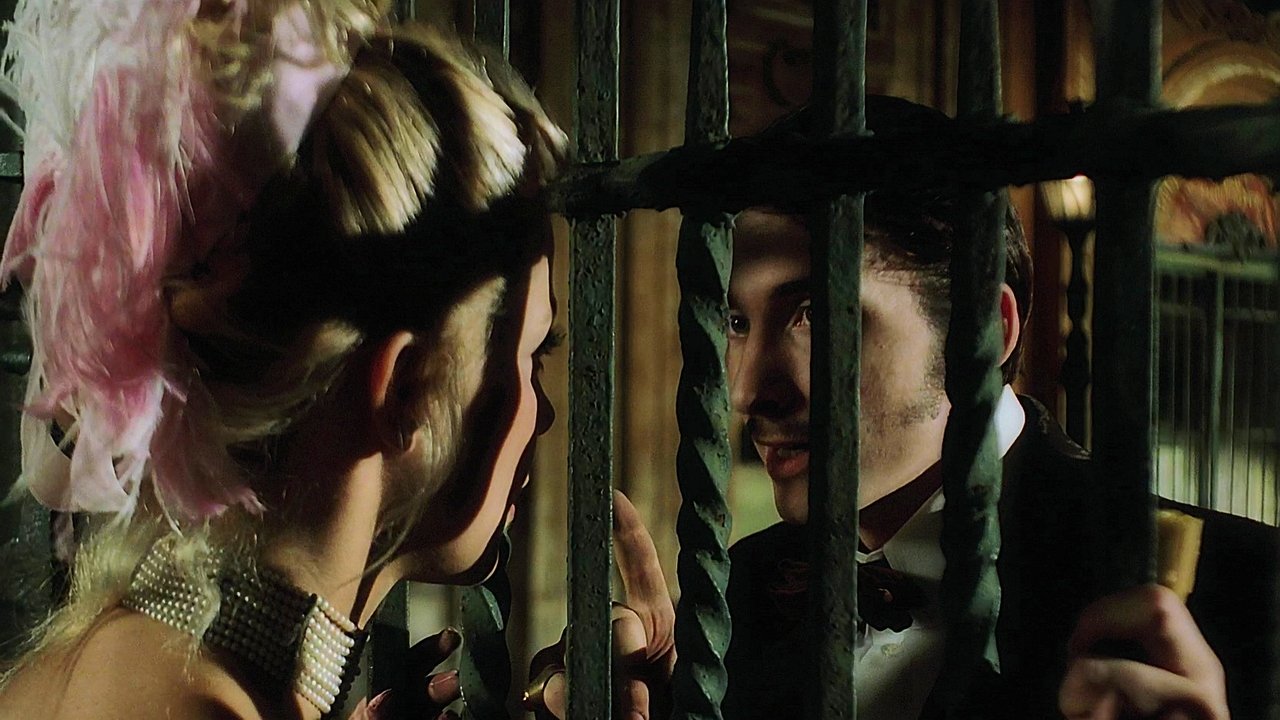
While the gore is plentiful, Stivaletti also attempts to capture a classic gothic mood. The cinematography favours deep shadows and rich colours, often evoking the feel of earlier Italian horror entries or even Hammer productions. Maurizio Abeni's score swells with operatic intensity, enhancing the melodrama and dread. Does it fully capture the dreamlike, often illogical terror of prime Fulci or the stylish suspense of classic Argento? Perhaps not entirely. The narrative can feel a little straightforward at times, lacking the surreal detours that defined much of 70s and 80s Italian horror. The pacing occasionally lags, spending perhaps a touch too long admiring its own gruesome handiwork.
The performances serve the material well enough. Romina Mondello makes for a sympathetic, if somewhat passive, protagonist navigating the increasingly horrific discoveries. Riccardo Serventi Longhi as the investigating journalist adds a necessary strand of heroic investigation. But it's veteran actor Robert Hossein who anchors the film with his portrayal of Volkoff. He underplays beautifully, letting the unsettling nature of his character seep out through subtle glances and measured line deliveries, making the museum curator a genuinely unnerving presence.
A Fitting, Bloody Bookend?
Released in 1997, The Wax Mask felt like a throwback even then. The golden age of Italian horror was largely over, and the slicker, often CGI-reliant horror of the late 90s was taking hold. Yet, there’s something undeniably compelling about its dedication to old-school craft. It’s a film born out of passion – Stivaletti’s passion for effects, and a final, posthumous nod to Fulci’s enduring legacy. It wasn't a massive box office success, reportedly grossing less than its estimated $2 million budget back, but it quickly found its audience on home video, becoming something of a cult favourite among gorehounds and fans of Italian horror seeking one last gasp from the genre's glory days. I distinctly remember seeing that lurid VHS box art at the rental store, practically daring you to take it home. Didn't that cover art alone promise something wonderfully grim?
***
VHS Heaven Rating: 7/10
Justification: The Wax Mask earns a solid 7 for its incredible practical effects (a masterclass from Stivaletti), its genuinely creepy atmosphere rooted in the wax museum setting, and its status as a fascinating footnote in Italian horror history (the Fulci connection). Robert Hossein's performance adds weight. It loses points for somewhat predictable plotting compared to the genre's best, occasional pacing issues, and not quite reaching the heights of surreal dread achieved by its predecessors. However, its commitment to gothic gore and tangible effects makes it a must-see for enthusiasts.
Final Thought: As Lucio Fulci's unintentional final word and Sergio Stivaletti's visceral directorial calling card, The Wax Mask stands as a gruesome, lovingly crafted monument to a dying breed of horror – imperfect, perhaps, but dripping with atmosphere and unforgettable practical gore that still chills the blood long after the tape stops rolling.