One hundred years. A century since the Ripper stalked Whitechapel's fog-drenched alleys, leaving a legacy of terror etched in blood and gaslight. Now, in the neon-soaked, sun-baked sprawl of late-80s Los Angeles, the pattern repeats. A phantom glides through the city, recreating Jack's grisly work with chilling precision. This grim anniversary isn't just a backdrop in Rowdy Herrington's 1988 directorial debut, Jack's Back; it's the ticking clock counting down each murder, the historical echo lending a layer of icy dread to what might otherwise be just another serial killer thriller.
A Brother's Nightmare
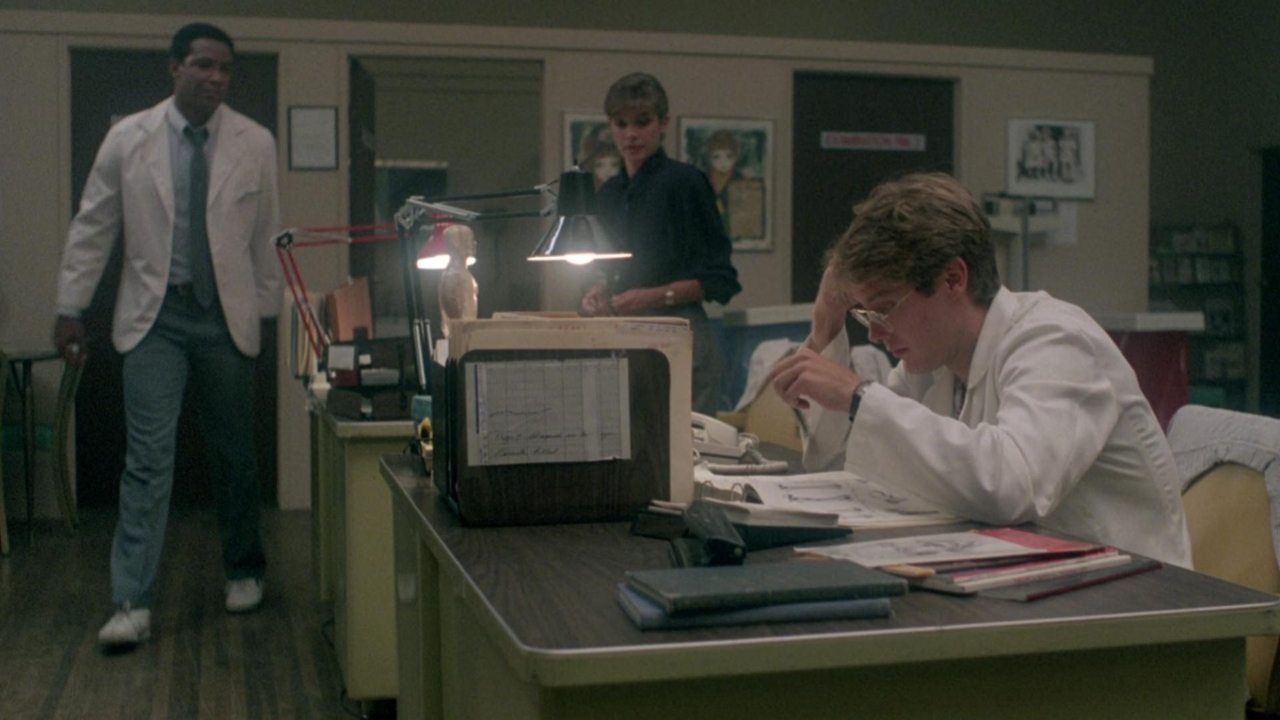
The premise hooks you immediately, twisting the familiar Ripper narrative. John Wesford, a young, idealistic doctor working at a free clinic, finds himself tangled in the investigation, only to become the killer's latest victim. But the horror doesn’t end there. John’s estranged identical twin brother, Rick (both initially portrayed, albeit briefly for John, by a young James Spader), begins experiencing terrifying flashes – fragmented visions of the killer's actions, seen through his murdered brother's eyes. It’s a high-concept hook, blending the burgeoning psychic thriller trend with the grim reality of the copycat crimes. Rick, already an outsider grappling with his own issues, is suddenly thrust into a waking nightmare, suspected by the police and haunted by glimpses of unspeakable violence.
Spader Before Stardom
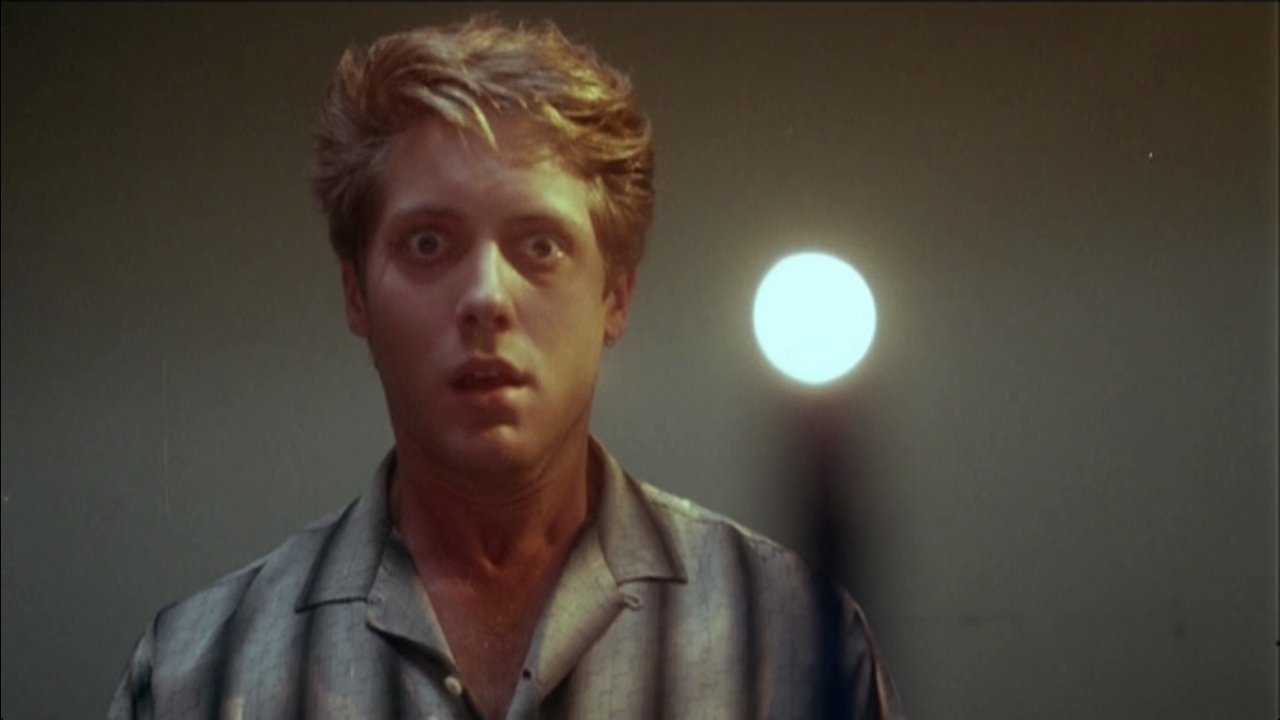
Let's be clear: James Spader is the absolute anchor of Jack's Back. This was released just before his career-defining turn in sex, lies, and videotape (1989), but the intensity that would become his trademark is already blazing here. He masterfully navigates Rick's journey from alienated outcast to reluctant psychic investigator. The initial confusion, the dawning horror as he pieces together the visions, the desperate need to prove his innocence and stop the killer – Spader sells it all with a conviction that elevates the material. It's a performance layered with vulnerability and a simmering, coiled tension. Watching him unravel the mystery while wrestling with the ghostly connection to his twin is the film's dark heart. His chemistry with Cynthia Gibb as fellow clinic worker Chris Moscari, who finds herself drawn into Rick's dangerous quest, feels grounded amidst the supernatural elements.
City of Fallen Angels
Director Rowdy Herrington, who would famously give us the Patrick Swayze high-kicking classic Road House just a year later, crafts a surprisingly effective atmosphere here. Jack's Back utilizes its Los Angeles setting not just as a backdrop, but as a character. The film captures that specific late-80s LA feel – the gritty streets beneath the glamorous surface, the shadows clinging to corners even in daylight. Herrington uses the urban landscape to create a sense of isolation and paranoia, enhancing Rick's desperate plight. The score by Danny Di Paola, a blend of synth pulses and more traditional orchestral stings, effectively underscores the mounting dread and the jolts of psychic intrusion. It doesn’t always escape the trappings of its era, but it contributes significantly to the unsettling mood. There’s a lean, unfussy quality to the direction; Herrington focuses on building suspense through point-of-view shots and tight framing, keeping the audience locked into Rick's terrifying perspective.
Retro Fun Facts: Echoes and Edits
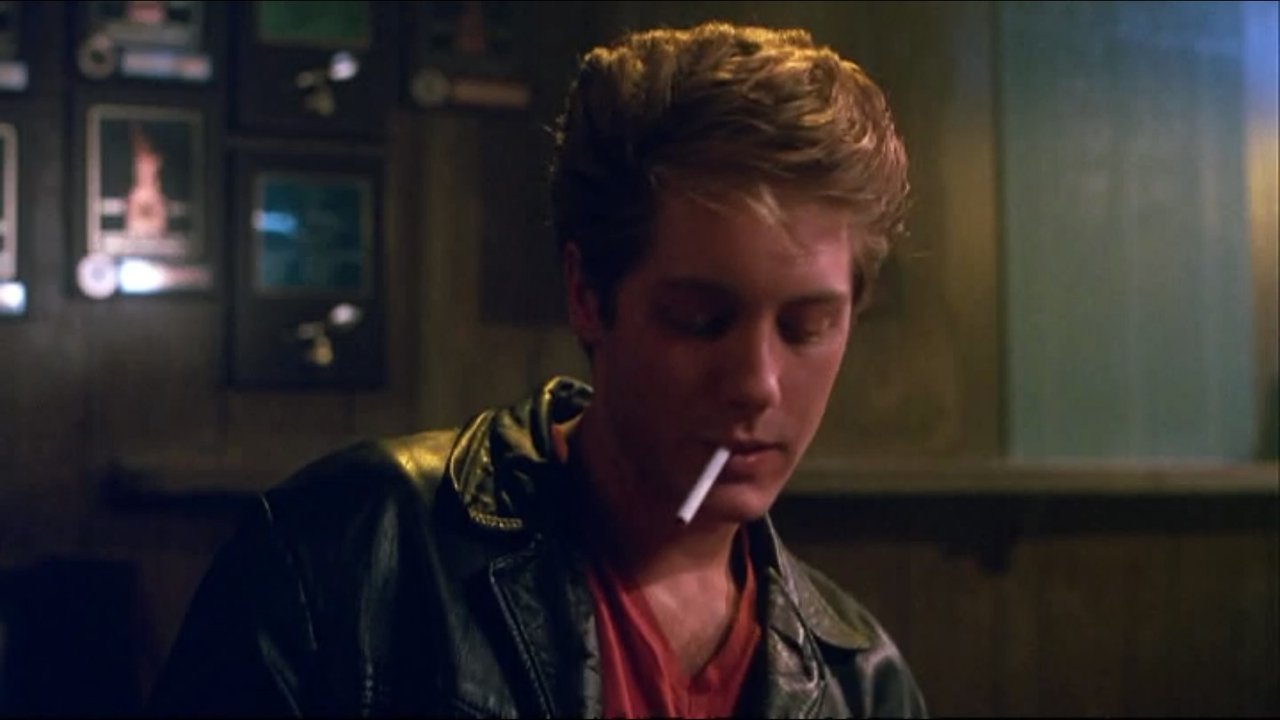
The timing wasn't accidental; the film was deliberately conceived and marketed to coincide with the 100th anniversary of the original Jack the Ripper murders in the autumn of 1988. This historical hook was central to its identity. Interestingly, while Spader plays both twins, his screen time as the initial victim, John, is quite limited. The narrative quickly shifts focus to Rick, making it primarily Rick's story fueled by John's spectral echoes. While not a box office smash (earning back roughly its modest budget), Jack's Back found its true home, like so many genre gems, on the shelves of video rental stores. I distinctly remember the eerie allure of its VHS cover art peering out from the horror/thriller section, practically daring you to take it home. It became a cult favorite through word-of-mouth and late-night cable broadcasts, a film discovered rather than universally heralded upon release.
Does the Ripper Still Haunt?
Jack's Back isn't perfect. The psychic twin element, while intriguing, occasionally feels like a convenient plot device to move the mystery forward. Some of the procedural aspects feel a bit standard-issue for the time. Yet, the film possesses a genuine sense of unease that lingers. The Ripper mythology provides a potent, chilling foundation, and Spader's committed performance keeps you invested even when the script takes familiar turns. The whodunit aspect is handled reasonably well, with enough red herrings to keep you guessing (or maybe second-guessing). Did that final reveal genuinely surprise you back in the day? For many, it packed a solid punch. The practical effects depicting the aftermath of the murders are grimly effective for their time, adding to the visceral discomfort without dwelling excessively on exploitation.
VHS Heaven Rating: 7/10
This score feels right for a film that delivers solidly on its dark premise, anchored by a standout early performance from a future star. Jack's Back offers a genuinely atmospheric late-80s thriller experience, successfully blending historical horror with a psychic mystery. It overcomes some predictable beats with sheer conviction and a palpable sense of dread. Herrington’s direction is taut, and the use of the Ripper centennial provides a chilling hook that still resonates. It might not be a top-tier masterpiece, but it’s a fascinating, well-crafted cult curio that absolutely earned its place on the flickering screens of CRT TVs late at night.
For fans of 80s thrillers, early Spader intensity, or Ripper-inspired darkness, Jack's Back remains a compelling watch, a slice of shadowy LA noir that definitely deserves to be rediscovered from the annals of VHS history.