Okay, settle back into that worn armchair, maybe pour yourself something comforting. Let's talk about a film that likely shimmered like a heat haze on the shelf of your local video store, promising swordplay but delivering something far stranger, more elusive, and ultimately, haunting. I'm talking about Wong Kar-wai's 1994 fever dream, Ashes of Time. Forget your straightforward Shaw Brothers epics; this wasn't that. This was something else entirely, a film that felt less like a narrative and more like fragmented memories whispered on the desert wind.
### Echoes in the Dust
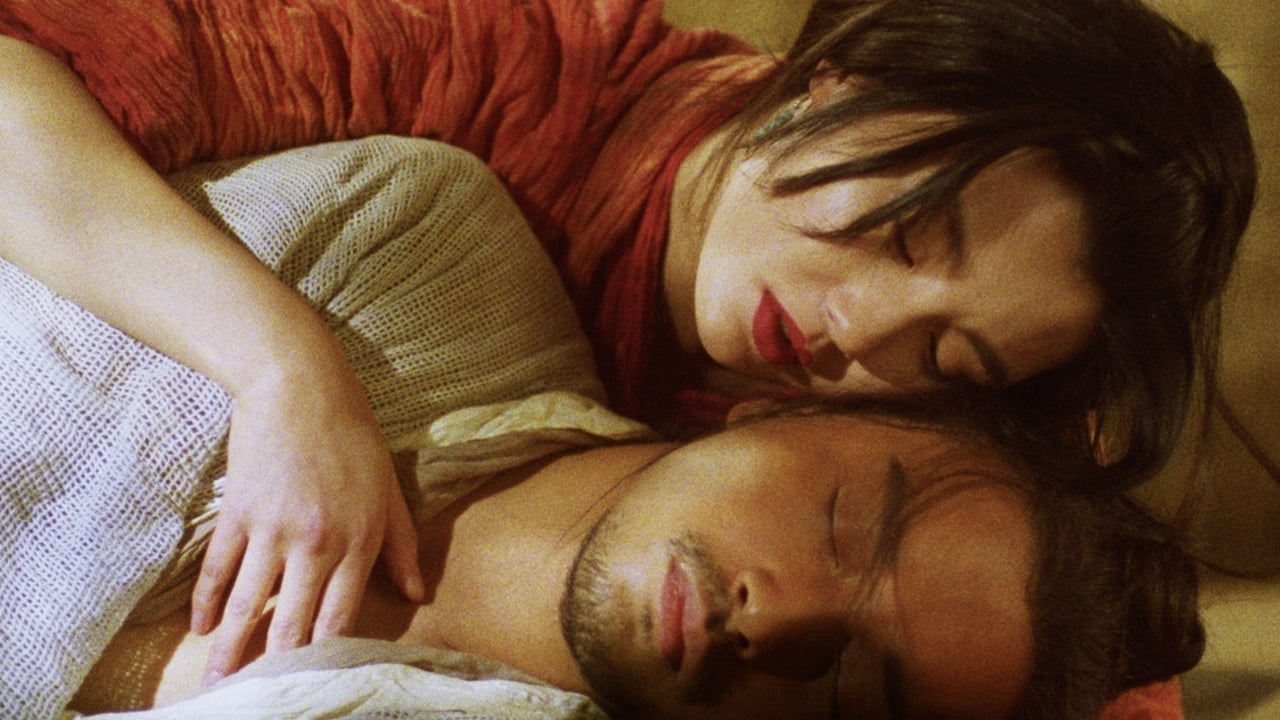
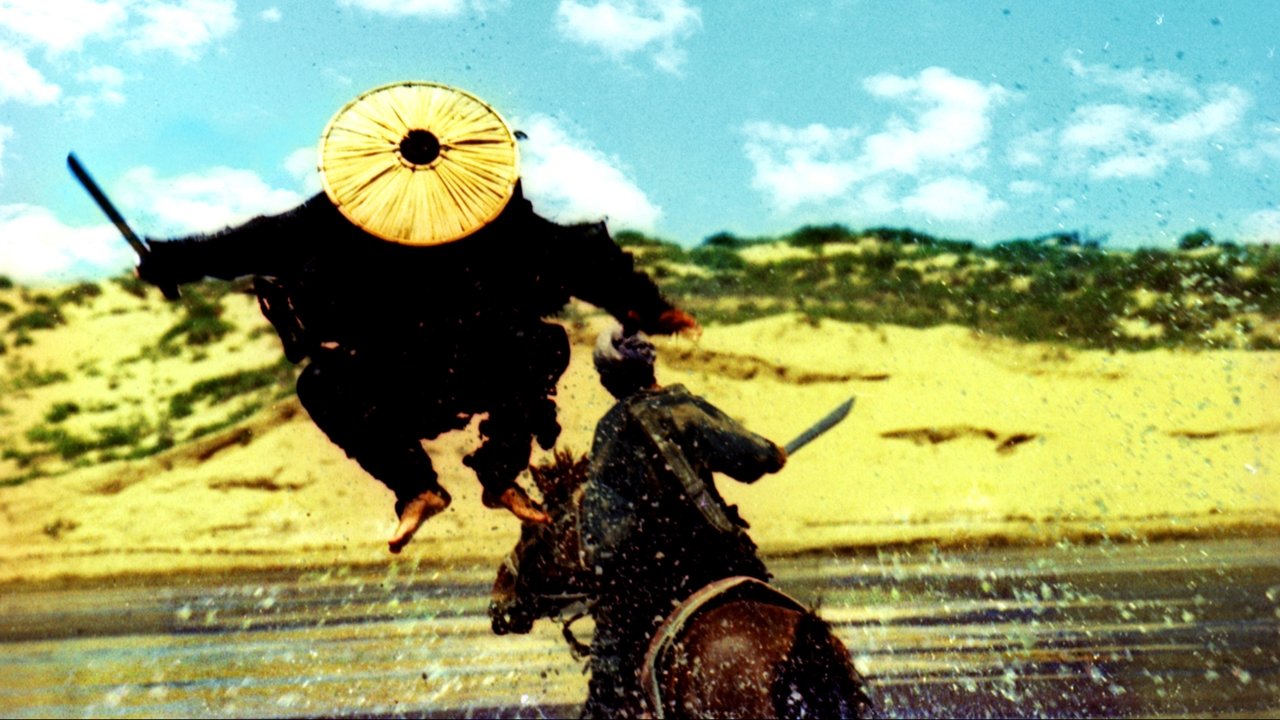
What strikes you first, and what lingers long after the static hiss of the tape ending, is the sheer sensory overload. Ashes of Time plunges you headfirst into the crushing heat and isolation of the Gobi Desert. You can almost feel the grit under your fingernails, the relentless sun beating down. This isn't just scenery; it's a state of mind, a purgatory where broken souls converge. Wong Kar-wai, working with the visionary cinematographer Christopher Doyle (who would become synonymous with Wong's distinct visual poetry in films like Chungking Express, also 1994), crafts a world that’s both staggeringly beautiful and profoundly lonely. The use of filters, step-printing, and those almost abstract blurs during combat sequences creates an impressionistic landscape of regret.
### A Tapestry of Broken Hearts
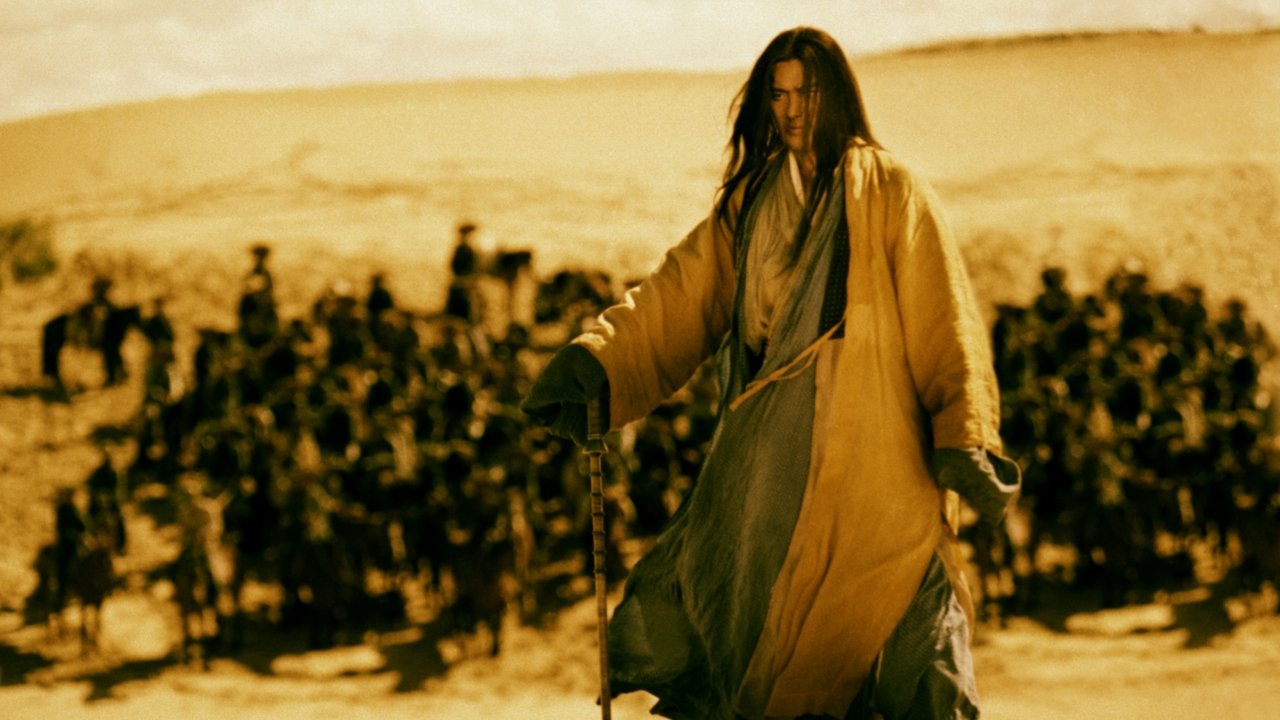
At the heart of this desolate world is Ouyang Feng, played with a career-defining weariness by the incomparable Leslie Cheung. He's a swordsman turned middleman, nursing a deep hurt by facilitating the violent desires of others. His remote desert inn becomes a nexus point for other wanderers, each carrying their own burdens of love lost, betrayed, or unrequited. We encounter Huang Yaoshi (Tony Leung Ka-fai, radiating a melancholic charisma), a swordsman whose yearly visits are tied to a complex web of affections and betrayals, most notably involving the woman Ouyang Feng himself loved and lost (a luminous, almost spectral Maggie Cheung).
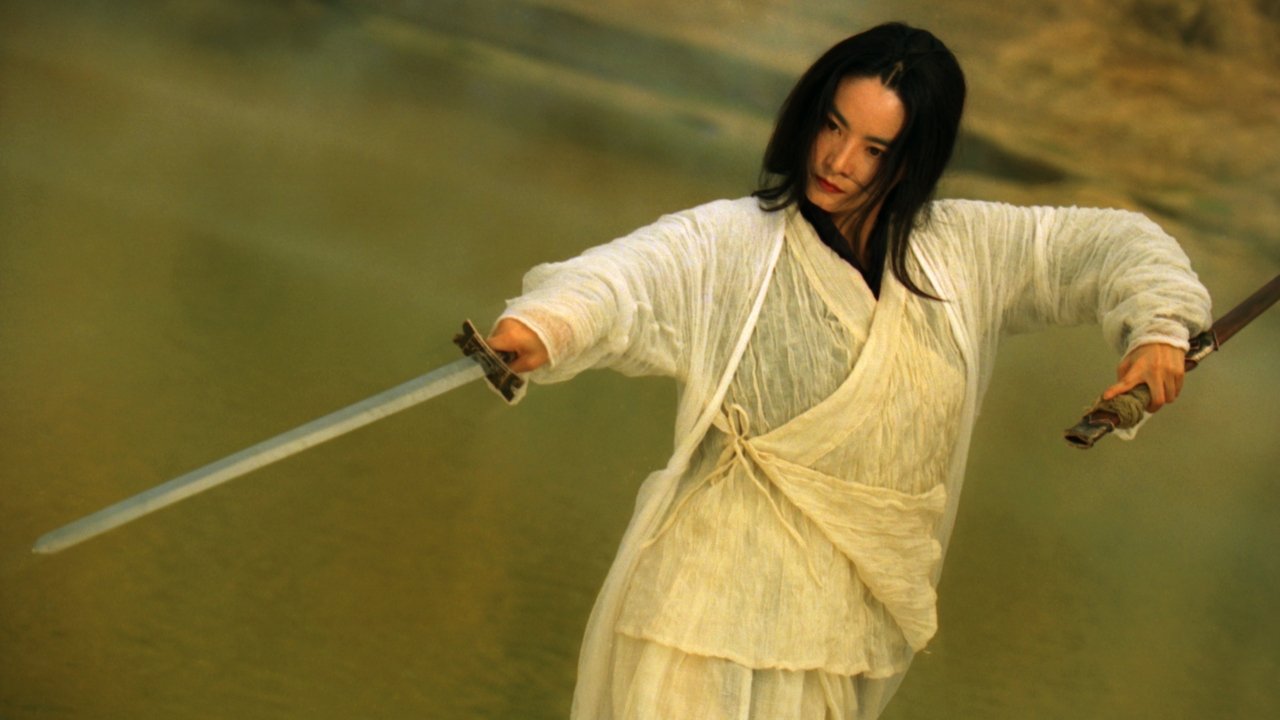
Then there's Murong Yang / Murong Yin, a character wrestling with a fractured identity, portrayed with astonishing intensity by Brigitte Lin. Is she brother or sister? Spurned lover or vengeful warrior? Lin embodies this confusion, her performance a whirlwind of vulnerability and threat. We also meet a near-blind swordsman (Tony Leung Chiu-wai, subtly devastating even then) seeking one last score, and the cheerful, pragmatic Hong Qi (Jacky Cheung), perhaps the only character who finds a semblance of forward momentum. Their stories don't unfold conventionally; they overlap, echo, and refract like light through a broken prism. It's less a plot and more a collection of emotional shrapnel.
### The Legend of a Troubled Shoot
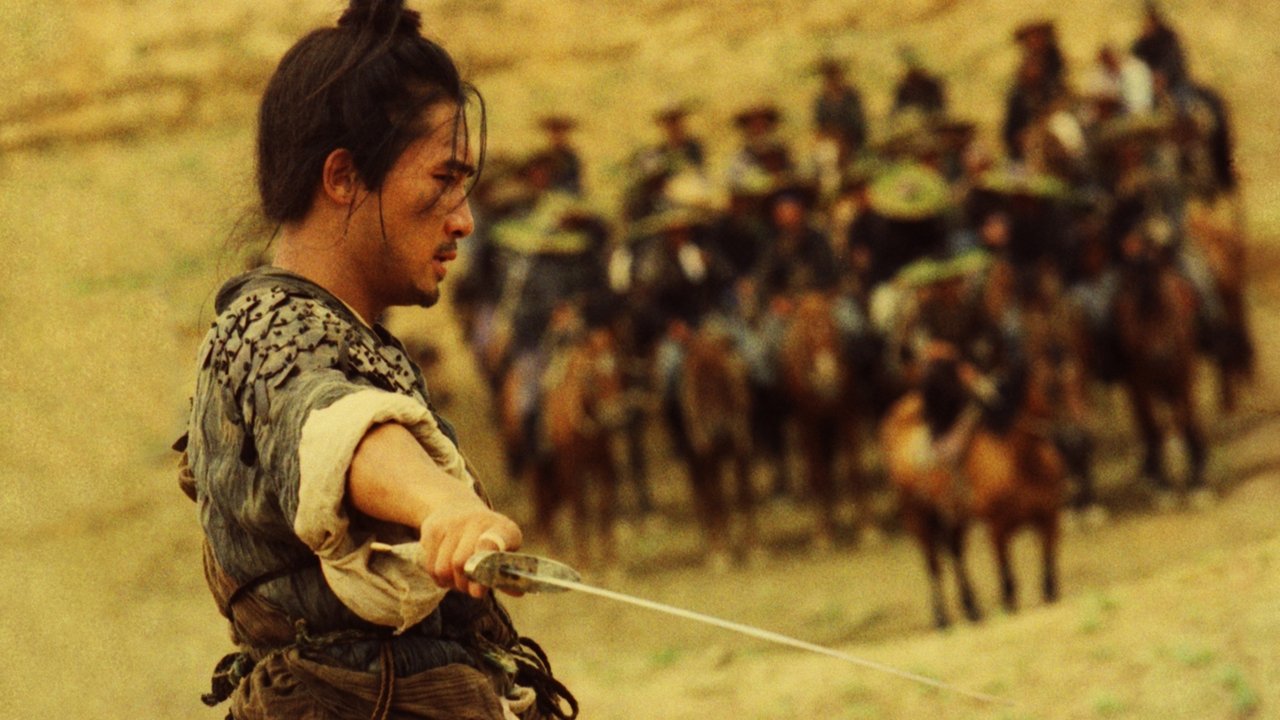
You can't discuss Ashes of Time without acknowledging its famously chaotic production – a behind-the-scenes saga almost as epic as the film itself. This wasn't just a movie; it was an ordeal. Shot over several years in remote Mainland China locations, the production ballooned wildly over budget (reportedly costing around HK$47 million, a huge sum at the time, which equates to roughly US$12-13 million today adjusted for inflation, though its box office was initially disappointing). Wong Kar-wai’s notoriously improvisational style, often writing scenes the morning they were shot, clashed with the logistical demands of a large-scale period piece.
Interestingly, the financial strain led to the cast and crew simultaneously shooting a completely different film on the same sets during breaks: the slapstick Lunar New Year comedy The Eagle Shooting Heroes (1993), directed by Jeffrey Lau and featuring the same A-list cast letting off steam. It’s bizarre to imagine Leslie Cheung and Brigitte Lin switching from intense, existential brooding to broad, goofy kung fu parody, but it happened – a necessity born from the financial pressures of Wong's ambitious vision. Ashes of Time itself is loosely inspired by characters from Louis Cha's (Jin Yong) popular novel The Legend of the Condor Heroes, but it acts more like an impressionistic, emotionally resonant prequel focusing on the backstories of figures like Ouyang Feng and Huang Yaoshi before the main events of the novel.
The action, choreographed by the legendary Sammo Hung, is another point of departure. It’s often intentionally obscured, rendered in slow-motion blurs or frantic, jarring cuts. The focus isn't on the intricate choreography of traditional wuxia, but on the kinetic fury, the desperation, and the emotional weight behind each blow. It’s violence as an expression of inner turmoil.
### More Than Just a Memory?
So, what does it all mean? Ashes of Time isn't a film that offers easy answers. It's a profound meditation on memory, loss, and the corrosive nature of regret. How do past choices haunt the present? Can we ever truly escape the ghosts of failed love? Ouyang Feng’s cynical narration, "The more wine you drink, the warmer you get. Water only makes you feel colder," speaks volumes about the attempts to numb the pain rather than confront it. The film forces us to consider how time doesn't necessarily heal all wounds; sometimes, it just allows them to fester.
I remember renting this on VHS, probably expecting Jet Li-style action, and being utterly bewildered, yet captivated. It wasn't an easy watch then, and it remains challenging now. It demands patience and a willingness to surrender to its mood and rhythm. Its non-linear structure can be frustrating, its plot threads deliberately elusive. Yet, its power is undeniable. It’s a film that seeps into you, leaving behind images and feelings that resonate long after the screen goes dark. For those patient enough to navigate its desolate beauty, it offers a uniquely rewarding, deeply melancholic experience.
Rating: 8/10
Justification: While its unconventional narrative and deliberate pacing might alienate some viewers expecting a traditional martial arts film, Ashes of Time is a cinematic achievement of staggering beauty and emotional depth. The performances are exceptional across the board, Wong Kar-wai's direction is masterful (despite the production chaos), and Doyle's cinematography is iconic. Its thematic richness and haunting atmosphere make it a demanding but unforgettable piece of 90s Hong Kong art cinema, a film whose troubled beauty feels perfectly suited to the hazy recollections of the VHS era.
Final Thought: It's a film less about sword fights and more about the battles waged within the human heart, leaving scars as deep and enduring as any blade could inflict. A true artifact of its time, best experienced when you're ready to get lost in its sands.