How much time truly passes in a minute? For some, it’s sixty seconds easily lost. But for Yuddy, the magnetic, wounded soul at the heart of Wong Kar-wai's 1990 mood piece, Days of Being Wild (Ah Fei Jing Juen / 阿飛正傳), a single minute can contain the weight of a tentative connection, a whispered promise that hangs heavy in the humid Hong Kong air. It’s this mesmerizing opening, Yuddy timing his flirtation with the shy Su Li-zhen down to the second, that immediately signals we're not in typical cinematic territory. This isn't a film driven by grand events, but by the quiet currents of longing, missed connections, and the search for identity that defined a generation caught in time.
The Bird That Cannot Land
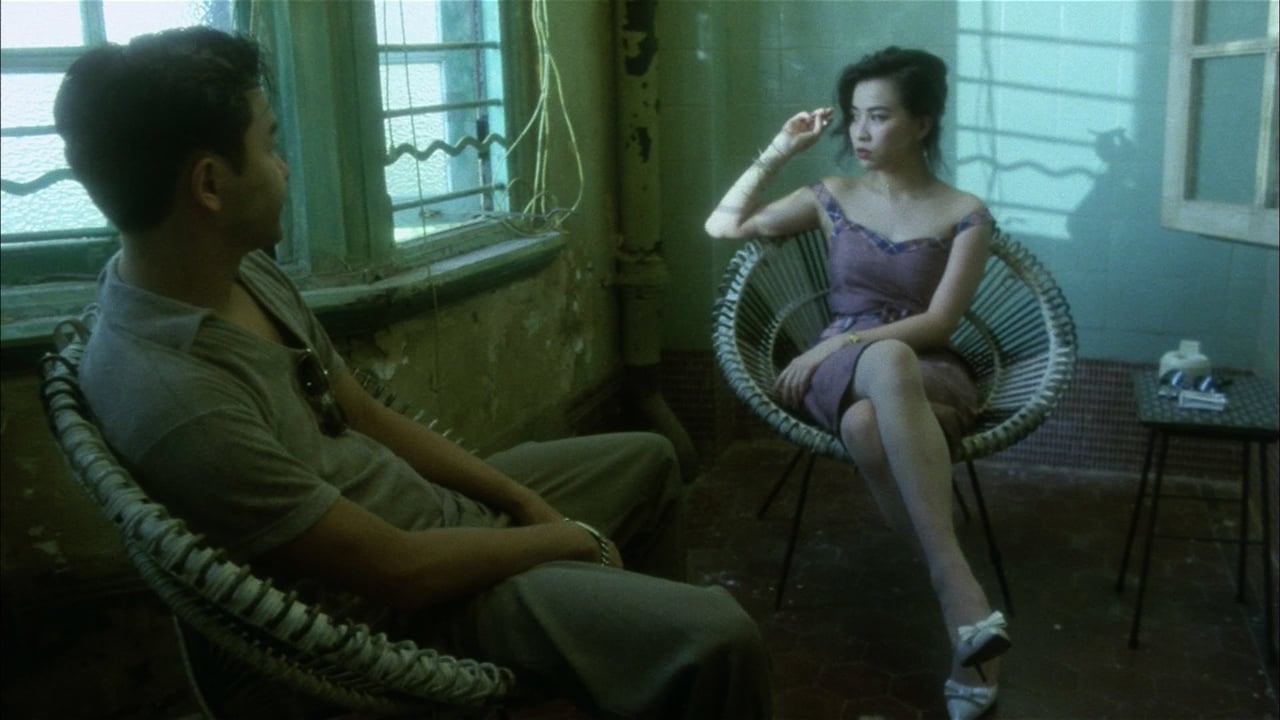
At the film's center is Yuddy, portrayed with an unforgettable, almost dangerous charisma by the late Leslie Cheung. He's a 'fei' – a Cantonese term for a rebellious, restless youth – handsome, effortlessly cool, yet profoundly damaged by the absence of his birth mother and the cage of his adoptive mother's possessiveness. Yuddy drifts through 1960s Hong Kong like a phantom, charming and discarding women, unable or unwilling to form lasting bonds. Leslie Cheung embodies this contradiction perfectly; his nonchalance barely masks a deep well of pain. He famously resisted playing purely heroic roles, finding more truth in flawed characters, and Yuddy is perhaps one of his most iconic explorations of that inner turmoil. It's a performance that feels less like acting and more like channeling a specific kind of existential ache. He's the proverbial bird without feet, doomed to fly until it dies, never touching the ground – a metaphor Yuddy himself clings to.
Echoes in Empty Rooms
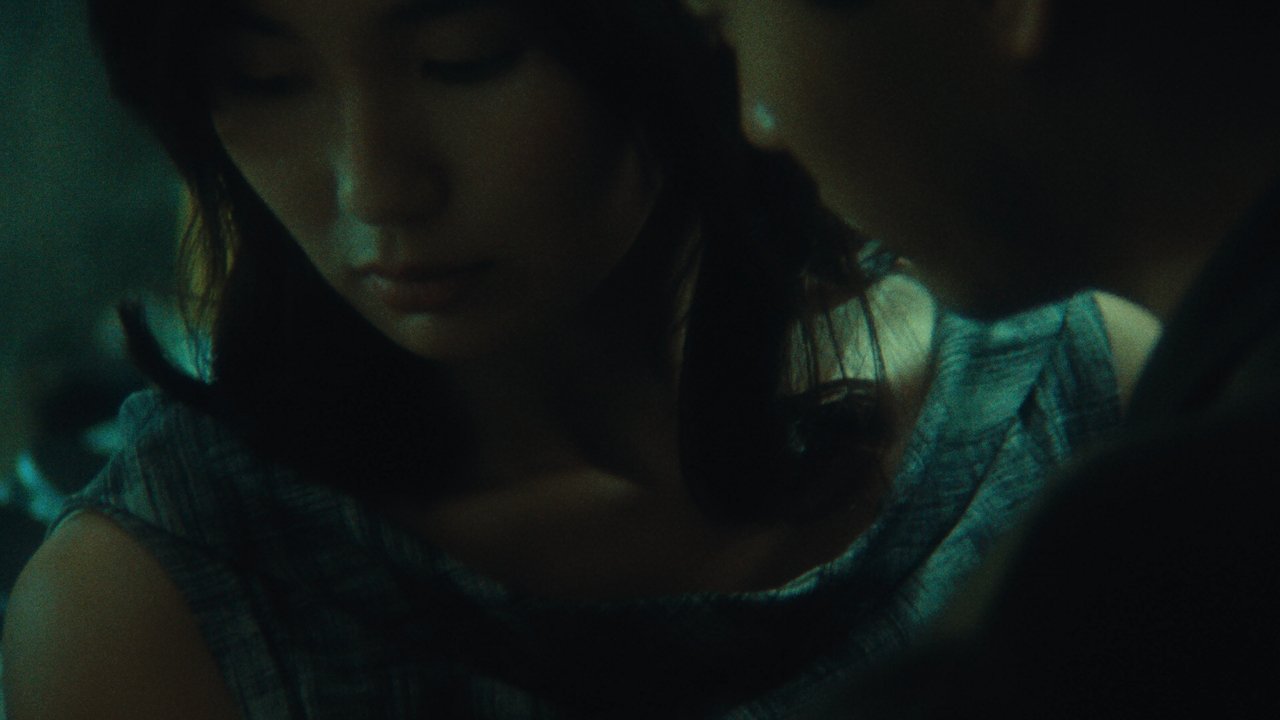
Surrounding Yuddy are characters adrift in their own quiet desperation. Maggie Cheung, in an early collaboration with Wong before their iconic In the Mood for Love, plays Su Li-zhen, the reserved stadium kiosk worker initially captivated by Yuddy's "one-minute friend" charm. Her vulnerability is palpable; the scenes of her quiet heartbreak, often framed through doorways or windows, create an enduring sense of isolation. Then there's the fiery Lulu, or Mimi (played with captivating energy by Carina Lau), a cabaret dancer whose fierce devotion to Yuddy only leads to more pain. Both women orbit Yuddy, drawn to his flame but ultimately burned by his inability to commit. Their longing mirrors his own, albeit directed towards him rather than an unseen past.
And quietly observing from the periphery is Tide, the stoic policeman played by a young Andy Lau. He becomes Su Li-zhen's confidant, listening patiently on late-night patrols, their shared moments of quiet understanding offering a fleeting respite from the city's loneliness. Lau brings a gentle gravity to the role, a counterpoint to Yuddy's restless energy. His character arc, initially intended to be expanded in a sequel that never materialized due to the film's disappointing initial box office, feels complete yet tantalizingly unfinished here. Funnily enough, the film reportedly ran significantly over budget, partly due to Wong Kar-wai's meticulous, often improvisational style – a gamble that didn't immediately pay off financially (grossing around HK$9 million against a hefty budget for the time) but certainly laid the groundwork for his future cinematic triumphs.
The Birth of a Style
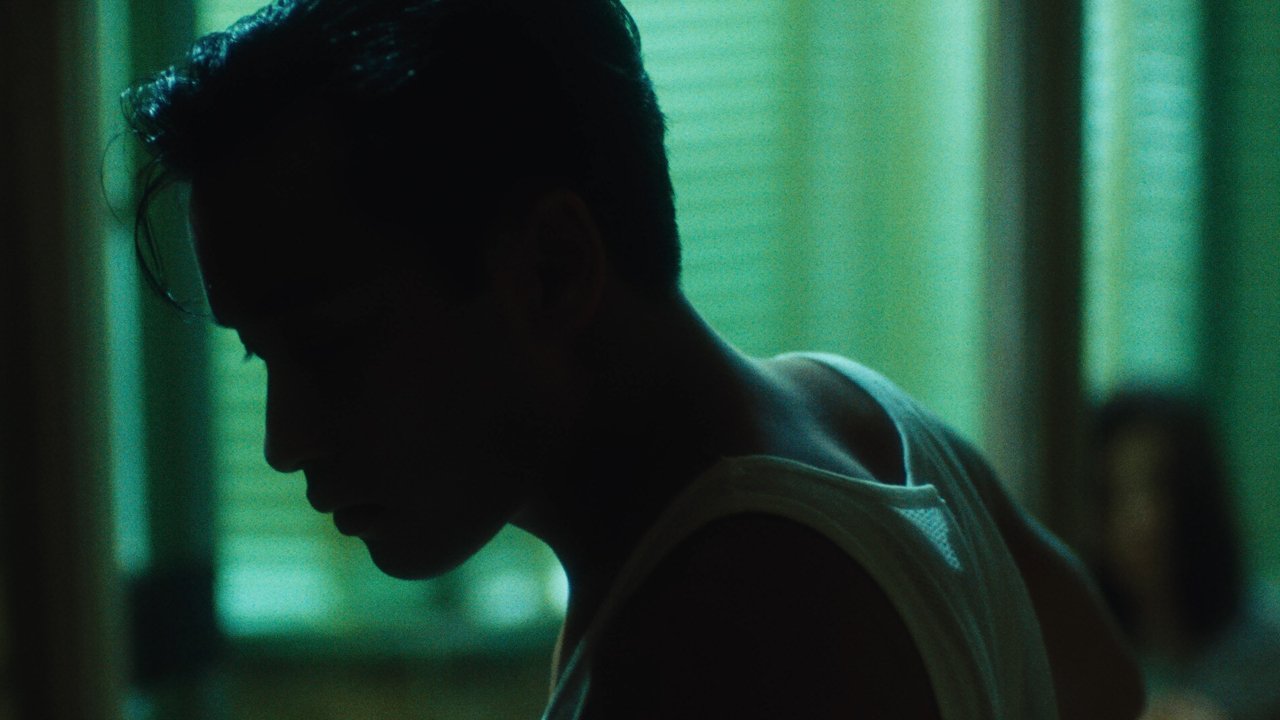
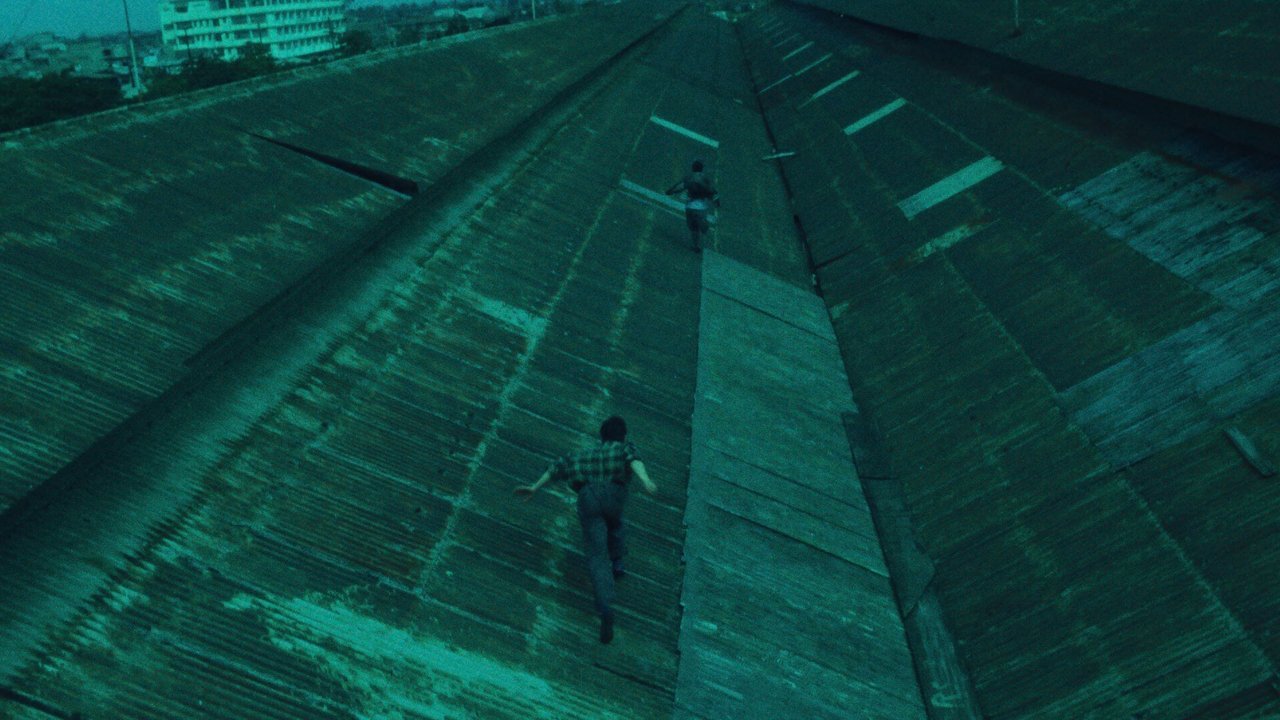
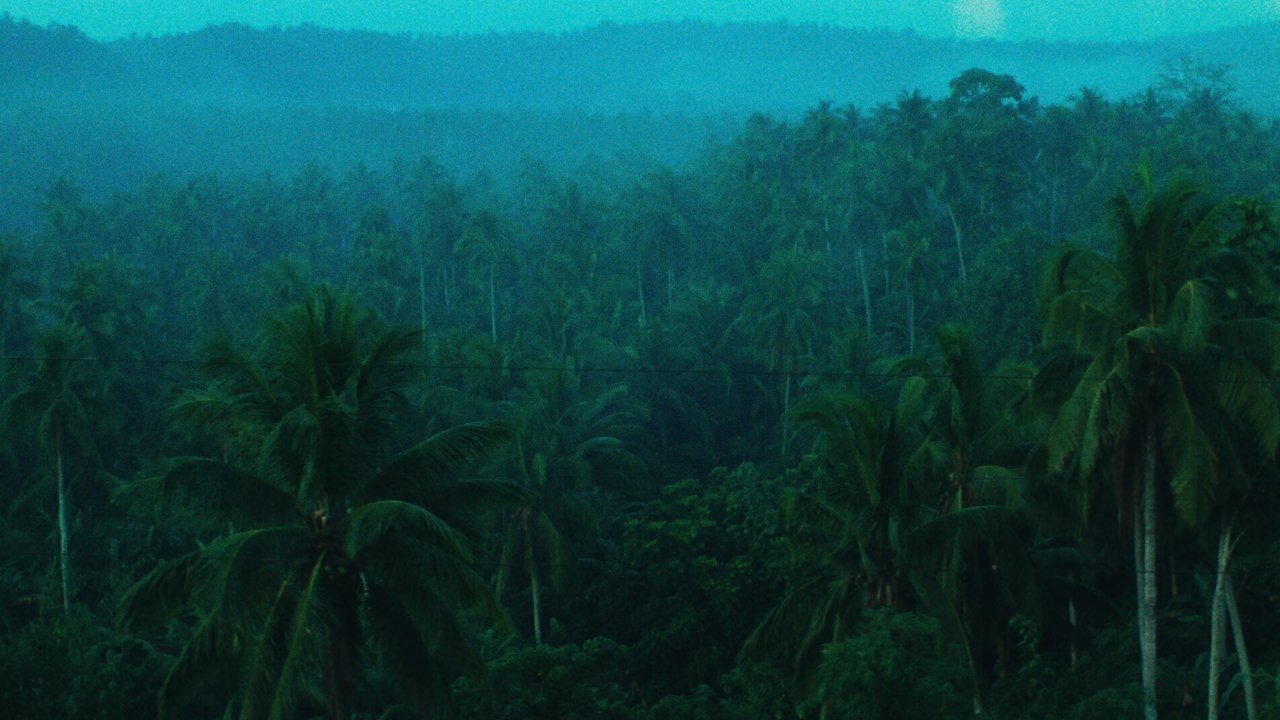
Watching Days of Being Wild today feels like witnessing the genesis of Wong Kar-wai's signature aesthetic. The collaboration with cinematographer Christopher Doyle (though Mark Lee Ping-bing also shot significant portions) results in visuals drenched in atmosphere. Claustrophobic interiors, rain-slicked streets bathed in green and gold hues, lingering close-ups on faces and gestures – it all contributes to a dreamlike, almost narcotic mood. The use of Latin music, particularly Xavier Cugat's languid rhythms, feels deliberately anachronistic yet perfectly captures the film's sense of suspended time and simmering emotion. This wasn't just telling a story; it was about evoking a feeling, a specific state of being. Wong famously dislikes rigid scripts, preferring to build scenes around locations, music, and actor chemistry. This approach reportedly led to mountains of footage – hours were shot in the Philippines for Yuddy's search for his mother, much of which didn't make the final cut, contributing to those budget overruns but allowing for organic character discovery.
Retro Fun Facts: Behind the Dream
- The Unseen Sequel: The film's famous, seemingly unconnected final scene featuring Tony Leung Chiu-wai meticulously grooming himself in a cramped apartment was intended as a teaser for a sequel focusing on his character as a gambler. Poor box office performance unfortunately shelved those plans indefinitely, leaving viewers with one of cinema's most intriguing cliffhangers (or perhaps, non-cliffhangers).
- Casting Chemistry: The film marked the beginning of several fruitful collaborations for Wong, solidifying his connection with Leslie Cheung, Maggie Cheung, Tony Leung, and Carina Lau, who would become key players in his cinematic universe.
- Location Woes: Shooting the Philippines sequences was apparently quite challenging, involving navigating local bureaucracy and dealing with less-than-ideal conditions, adding another layer of difficulty to the already ambitious production.
- Voiceover Power: The melancholic voiceovers weren't just exposition; they became a hallmark of Wong's style, giving us intimate access to the characters' internal landscapes, their unspoken regrets and desires.
Lingering Shadows
Days of Being Wild might not have been the typical Friday night rental back in the day, perhaps overshadowed by louder, faster fare on the video store shelves. Discovering it often felt like uncovering a secret gem. It doesn’t offer easy answers or neat resolutions. Instead, it washes over you, leaving behind a residue of melancholy beauty and unresolved longing. It asks us to consider the moments that define us, the connections we grasp for, and the ghosts of the past that shape our present. Are we all, in some way, birds searching for a place to land?
Rating: 9/10
This score reflects the film's sheer artistry, the unforgettable performances (especially Leslie Cheung's haunting portrayal), and its significance as the foundation stone of Wong Kar-wai's unique cinematic language. While its elliptical narrative and deliberate pacing might not be for everyone, its atmospheric power and emotional depth are undeniable. It's a film that doesn't just tell a story; it evokes a potent mood that lingers long after the credits, like the scent of rain on a humid Hong Kong night.