Some films leave you with an image burned into your mind, a visual echo that resonates long after the credits roll, perhaps even long after the VCR whirred to a stop and you ejected the tape. For Wong Kar-wai's staggering 1997 masterpiece, Happy Together (春光乍洩), it’s the thundering majesty of the Iguazu Falls. A destination sought, a promise unfulfilled, a symbol of overwhelming power and perhaps, inevitable separation. It hangs over the film, much like the turbulent emotions that bind and repel its central couple, Lai Yiu-fai and Ho Po-wing. Watching it again now, decades removed from its initial release, the raw, bruised intimacy feels just as potent, perhaps even more so.
A Tango of Love and Pain
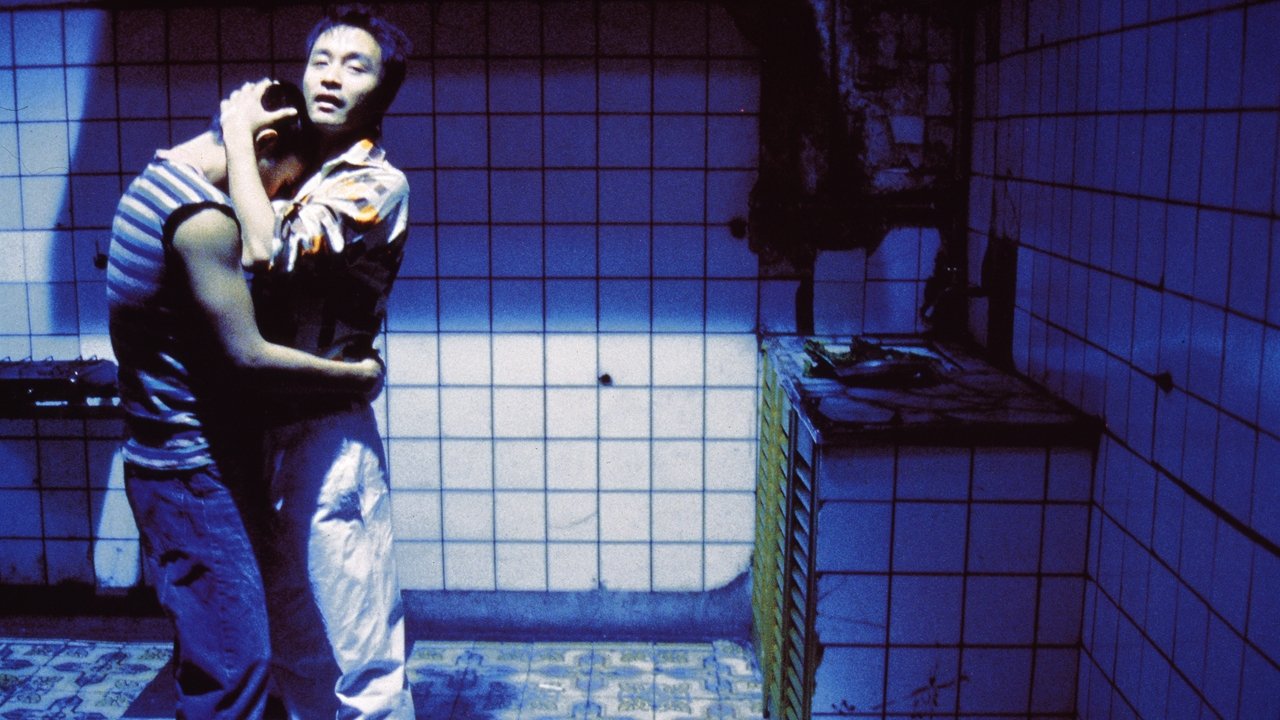
We're thrown directly into the dizzying, destructive orbit of Fai (Tony Leung Chiu-wai) and Po-wing (Leslie Cheung). They’ve left Hong Kong for Buenos Aires, ostensibly to "start over," chasing the allure of those mythical falls. But Argentina isn't a paradise; it's just another place to bring their baggage. Their relationship is a volatile dance – passionate embraces dissolve into bitter arguments, moments of tenderness curdle into betrayal. Wong Kar-wai, never one for conventional narrative, presents their love not as a smooth arc, but as a series of fractured moments, intense fragments of connection and alienation captured with a restless, searching camera.
The Buenos Aires setting is crucial. Far from home, adrift in a city where they barely speak the language, their codependency intensifies. The sense of displacement is palpable, mirroring their own internal exile. Fai works odd jobs – a doorman at a tango bar, a kitchen worker – trying to scrape together enough money to leave, to escape Po-wing’s magnetic but damaging pull. Po-wing, flamboyant and needy, drifts in and out of Fai's life, often wounded, always demanding attention. Their tiny apartment becomes a pressure cooker, filled with unspoken tensions and explosive confrontations. It’s a portrayal of a difficult relationship that feels painfully, unflinchingly real.

The Wong Kar-wai Aesthetic: Feeling Through Frames
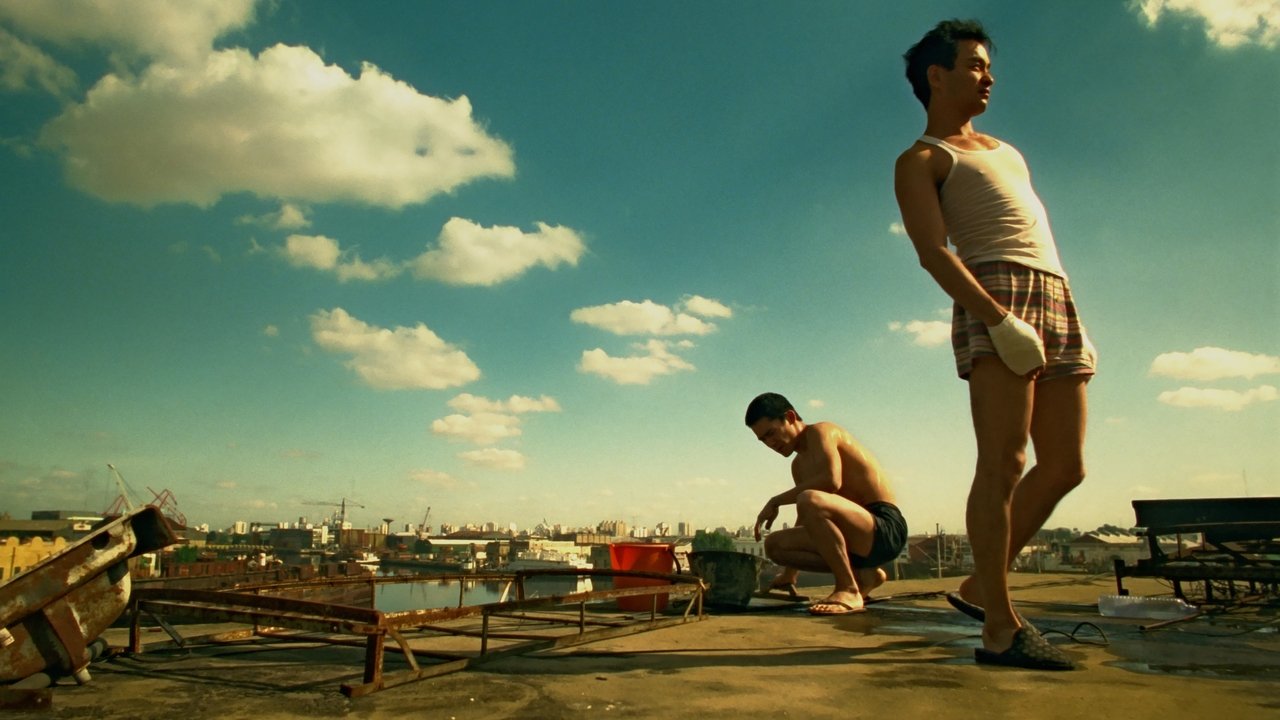
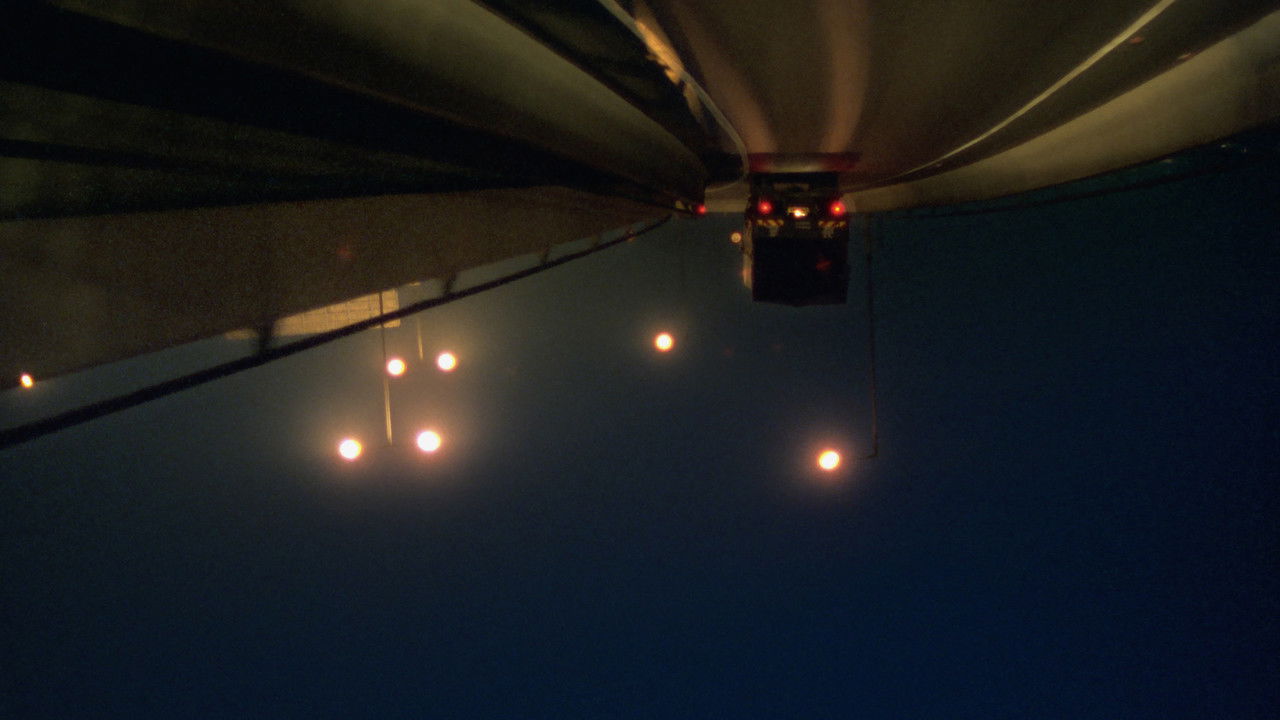
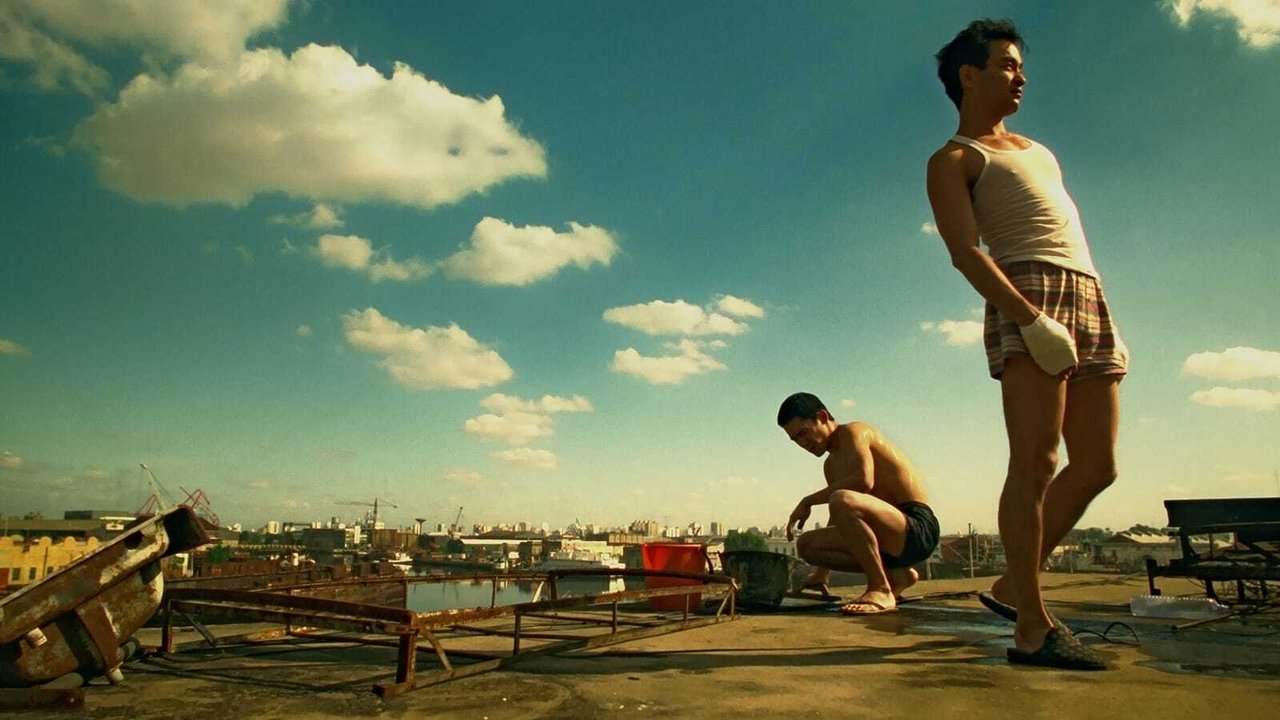
Visually, Happy Together is pure Wong Kar-wai, distilled and potent. Collaborating once again with the legendary cinematographer Christopher Doyle, Wong crafts a look that’s both gritty and dreamlike. The film shifts between oversaturated, almost lurid color and stark, high-contrast black and white, often reflecting Fai’s emotional state or the suffocating bleakness of their situation. Doyle’s camera is rarely still; it swoops, it lingers, it catches fleeting glances and hidden tears, often using step-printing to create that signature blurred, melancholic motion. This isn't just style for style's sake; it's a way of immersing us directly into the characters' subjective experiences, their disorientation, their longing.
Interestingly, the film's creation mirrored some of the characters' onscreen dislocation. The shoot in Argentina was notoriously arduous and stretched on for months, far beyond the initial schedule. Wong famously works improvisationally, often developing scenes and dialogue on the fly, and this process, combined with being stranded so far from home, reportedly took a toll on the actors. There's a story that the original concept was meant to adapt Manuel Puig's novel The Buenos Aires Affair, but rights issues forced Wong to pivot, perhaps resulting in the more personal, character-focused film we ultimately received. This challenging production context somehow permeates the final film, adding another layer to its themes of exile and uncertainty.
Performances That Leave a Mark
At the heart of Happy Together are two towering performances. Leslie Cheung, tragically lost to us far too soon, is unforgettable as Ho Po-wing. He’s infuriating, manipulative, and deeply vulnerable all at once. Cheung doesn't shy away from Po-wing's destructive nature, but he imbues him with a charisma and a childlike neediness that makes Fai’s inability to let go completely understandable. It's a brave, flamboyant, and ultimately heartbreaking turn.
Opposite him, Tony Leung Chiu-wai delivers a masterclass in understated suffering. So much of Fai’s emotion is conveyed through his eyes, his posture, the quiet resignation in his voice. He’s the anchor, the observer, the one trying to hold things together even as they perpetually fall apart. Leung captures the immense weight of Fai’s love, frustration, and profound loneliness with incredible nuance. His eventual encounter with Chang (Chang Chen), a Taiwanese traveler working at the same restaurant, offers a brief respite, a different kind of connection based on shared language and quiet understanding, highlighting the void left by Po-wing. Chang’s youthful optimism serves as a poignant counterpoint to Fai's weary soul.
Echoes of Home and Heartbreak
Beneath the turbulent romance, Happy Together pulses with themes of identity, belonging, and the search for home – recurring motifs in Wong’s work, often subtly reflecting the anxieties surrounding Hong Kong's 1997 handover to China happening that same year. Are Fai and Po-wing running towards something in Argentina, or simply running away from themselves? Can you truly "start over" when you carry your past within you? The film doesn't offer easy answers, instead lingering on the ache of longing and the bittersweet pain of memory. The Iguazu Falls, finally seen alone by Fai, feels less like a destination reached and more like a monument to what was lost, the roaring water perhaps washing away some pain, or maybe just emphasizing the emptiness.
Its impact was immediate, winning Wong Kar-wai the Best Director prize at the 1997 Cannes Film Festival and further solidifying his status as a major international auteur. It remains a landmark film, not just within Wong's incredible filmography (sitting alongside masterpieces like In the Mood for Love (2000) and Chungking Express (1994)), but also within LGBTQ+ cinema for its raw and complex depiction of a same-sex relationship, treated with the same emotional depth and artistic seriousness as any other cinematic romance.
Rating: 9.5/10
This score feels earned through the sheer force of its emotional honesty, the breathtaking visual artistry, and the unforgettable performances from Leslie Cheung and Tony Leung Chiu-wai. The film bypasses melodrama, opting instead for a raw, sometimes uncomfortable intimacy that burrows under your skin. Wong Kar-wai's fragmented, impressionistic style perfectly captures the disorienting push-and-pull of a passionate but toxic relationship and the pervasive ache of loneliness when stranded far from home. It’s not always an easy watch – its sadness is profound – but its beauty and power are undeniable.
Happy Together is more than just a title; it's an ironic commentary on the painful, elusive nature of happiness itself. It’s a film that stays with you, like a haunting melody or a fading photograph, reminding us that sometimes the deepest connections are also the ones that hurt the most.