Alright, fellow tapeheads, dim the lights, maybe adjust the tracking just a hair, and let's talk about a film that hit the martial arts scene like a lightning strike in the mid-90s: Gordon Chan’s electrifying Fist of Legend (1994). For many of us prowling the video store aisles, finding this gem felt like uncovering buried treasure. It wasn't just another kung fu flick; it felt like an evolution, a benchmark against which future fight films would be measured. I distinctly remember the buzz around this one, passed along in hushed, reverent tones between action junkies – "You have to see the fights in this."

### Back to Shanghai, Fists Flying
The setup echoes a classic: Jet Li, in arguably one of his most iconic roles, plays Chen Zhen, a Chinese student in Japan who rushes back to Japanese-occupied Shanghai in 1937 upon learning of the suspicious death of his revered martial arts master, Huo Yuanjia. Refusing to believe his master was defeated in fair combat, Chen sets out to uncover the truth, challenging the rival Japanese karate school and tangling with oppressive military forces along the way. Yes, it's a remake of Bruce Lee's seminal Fist of Fury (1972), a daunting legacy to step into, but Fist of Legend respectfully carves its own distinct, jaw-dropping path.
### The Li Factor: Precision Over Fury
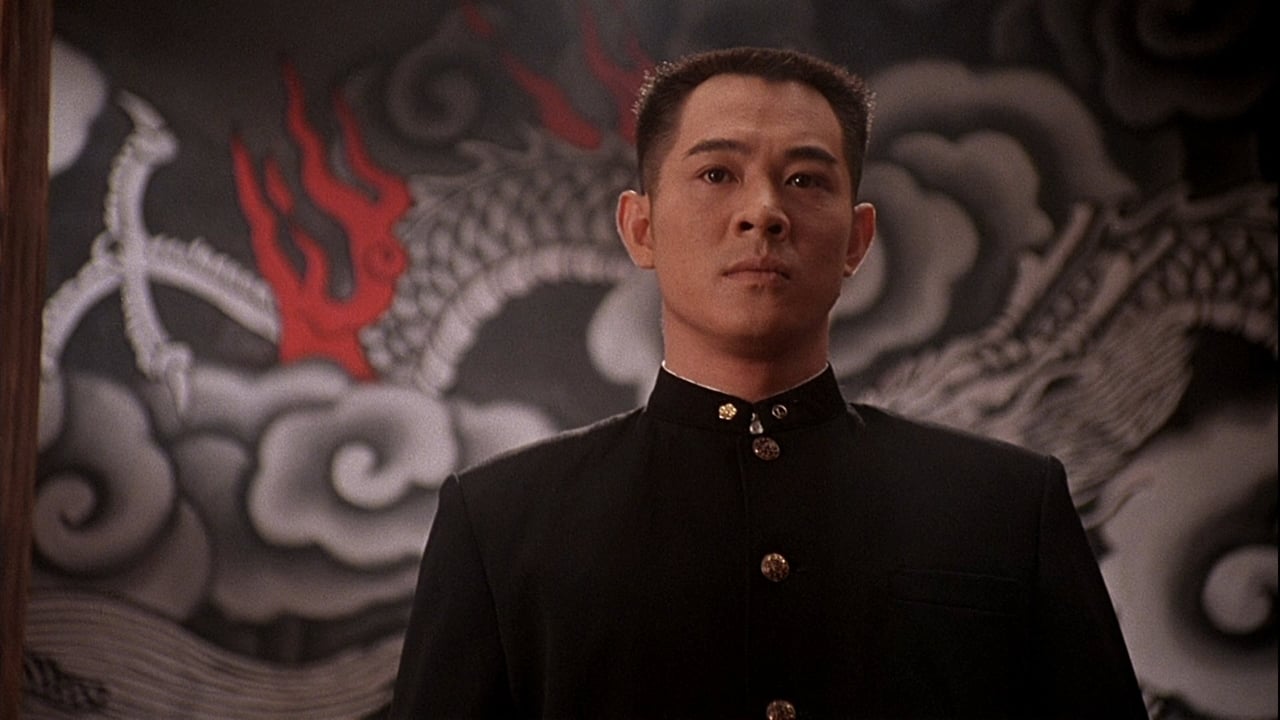
Where Bruce Lee’s Chen Zhen was pure, raw, animalistic fury, Jet Li brings a different energy. His Chen is stoic, focused, almost surgical in his movements. A former Wushu champion, Li’s physical prowess is undeniable, showcasing blinding speed and technical perfection. There’s an intensity in his calm demeanor that explodes into perfectly controlled violence. He embodies the updated fighting philosophy presented in the film – a blend of styles, emphasizing efficiency and adaptability over rigid adherence to one school. It’s a performance that cemented Jet Li as a global action superstar, moving beyond the period epics like Once Upon a Time in China into something more grounded, yet kinetically charged.
### Where Fights Became Art: Yuen Woo-ping Unleashed
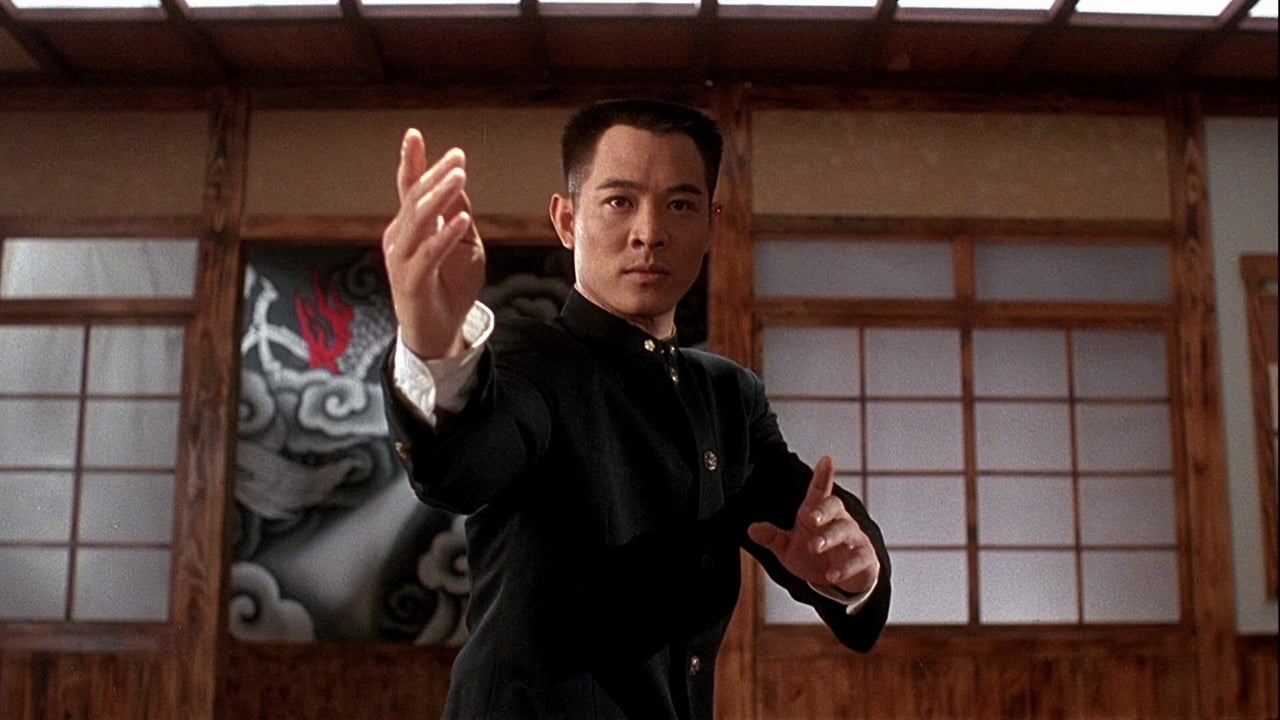
Let's be honest, the reason Fist of Legend remains permanently etched in the minds of action aficionados is the fight choreography. Helmed by the maestro himself, Yuen Woo-ping (long before he blew Western minds with The Matrix or Crouching Tiger, Hidden Dragon), the action here is simply breathtaking. Forget floaty wire-fu or excessive slow-motion; this is grounded, impactful, and incredibly intricate martial arts. Remember how real those hits looked back then? That's the magic of practical stunt work and masterful choreography.
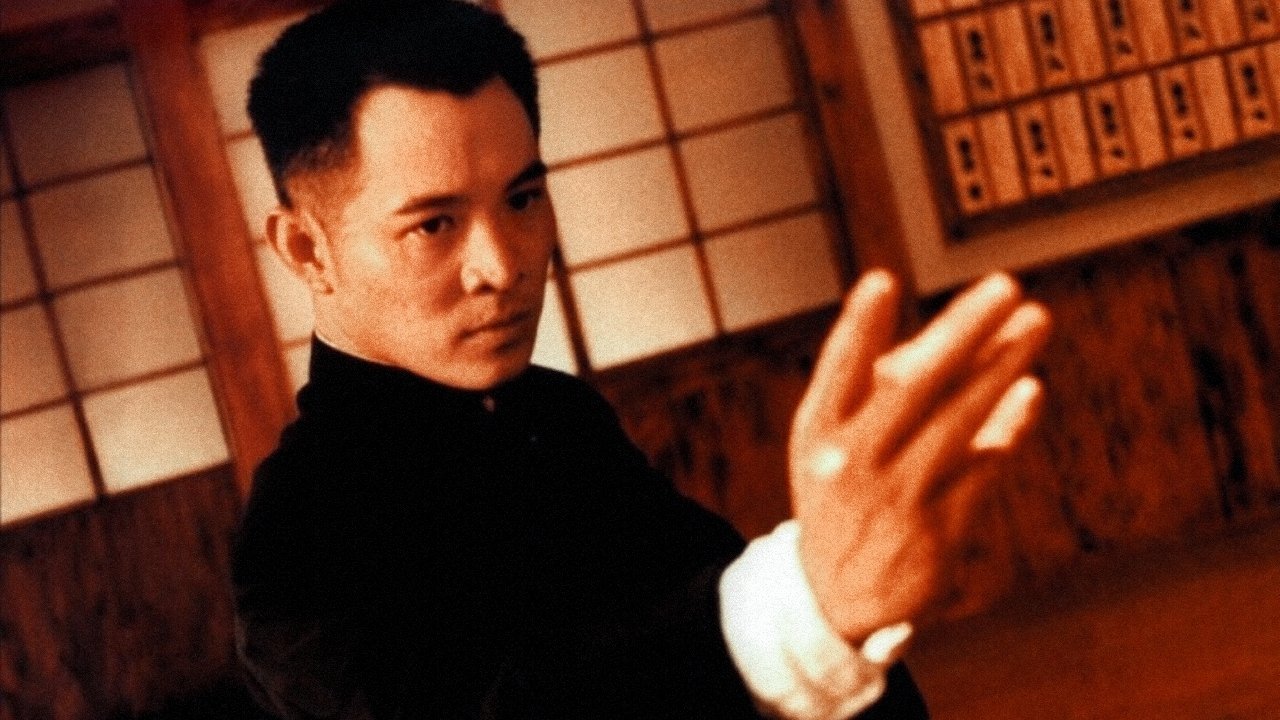
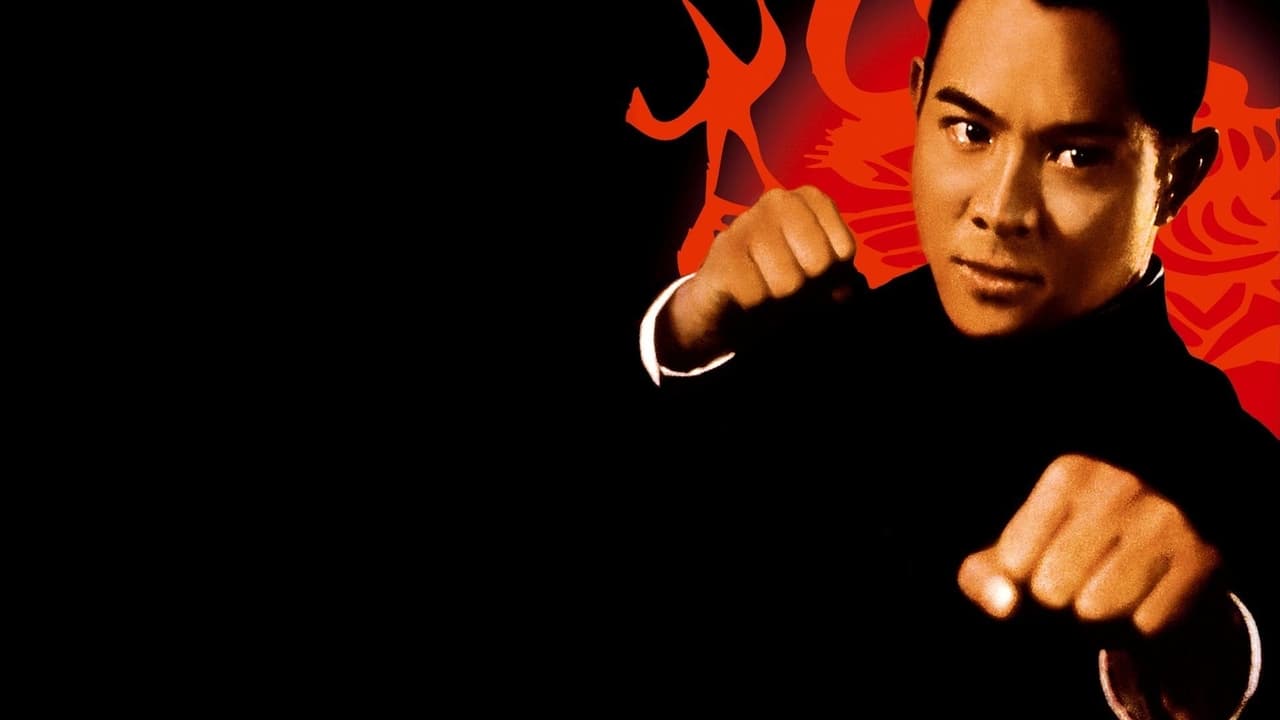
Each fight sequence is a masterpiece in itself. The initial dojo takedown is a statement of intent – fast, fluid, devastatingly efficient. Then there's the legendary duel between Chen Zhen and Fumio Funakoshi, played with dignified grace by Japanese martial arts veteran Yasuaki Kurata. This fight, especially the blindfolded section, isn't just about physical skill; it's a conversation about martial philosophy, beautifully executed. The sheer precision required for that scene, relying entirely on timing and spatial awareness, is staggering. It’s a far cry from today’s often quick-cut, CGI-augmented sequences; here, you see the skill, you feel the impact.
And that final confrontation against the seemingly invincible General Fujita? Played by real-life Canadian kickboxing champion Billy Chow, Fujita is a terrifyingly brutal opponent. The fight is grueling, showcasing Chen Zhen pushing his limits against sheer power. Yuen Woo-ping tailored the choreography to highlight Billy Chow's legitimate striking power, making the threat feel incredibly authentic. It's a raw, desperate struggle that leaves you breathless, a testament to the power of practical fight choreography when done by the best in the business. The Wachowskis were so impressed, they directly cited Fist of Legend's choreography as a key inspiration for The Matrix, even hiring Yuen Woo-ping himself. That’s legacy.
### More Than Just Fists
While the action is the main draw, the film does try to weave in themes of nationalism, honour, and cross-cultural understanding, particularly through Chen Zhen’s relationship with the Japanese student Mitsuko (Shinobu Nakayama). Their romance adds a layer of human drama, though some fans find it slows the pacing between the stellar fight scenes. Chin Siu-ho also provides solid support as Huo Ting-An, Chen's friend and eventual successor at the Jingwu school, whose own arc provides a counterpoint to Chen's journey. Director Gordon Chan, who also co-wrote the script, wisely keeps the focus tight, letting the action speak volumes while maintaining a palpable sense of tension within the period setting of 1930s Shanghai. The production design effectively conveys the era's atmosphere without overshadowing the kinetic energy.
### The Verdict: Still A Knockout
Rewatching Fist of Legend today, it’s remarkable how well the action holds up. Sure, the film stock might look a little dated compared to slick modern productions, but the physical artistry on display is timeless. The speed, the clarity, the sheer impact of the blows – it’s something that often gets lost in today’s over-reliance on digital trickery. This film was a high watermark for Hong Kong action cinema, hugely influential and critically lauded in Asia, eventually becoming a must-have VHS (and later DVD) for martial arts fans worldwide.
For its groundbreaking choreography, Jet Li's defining performance, and its sheer, unadulterated kinetic thrill that felt revolutionary peeling the plastic off that rental tape:
Rating: 9.5/10
Fist of Legend isn't just a great martial arts movie; it's a practically perfect showcase of physical performance captured on film, a visceral jolt that reminds you why the golden age of Hong Kong action felt so incredibly alive, even through the static of a well-loved VHS tape. It hits just as hard now as it did then.