Alright, rewind your minds with me. Picture this: it’s the mid-90s, the video store shelves are brimming with possibilities, and you spot it – Bloodsport II. The name alone triggers a jolt of excitement, memories of Jean-Claude Van Damme doing the splits and blinding opponents flooding back. But wait… no JCVD on the cover? Instead, a new chiseled face stares back: Daniel Bernhardt. Curiosity piqued, maybe a little skeptical, you grab the tape anyway. What unfolds is a fascinating specimen of 90s straight-to-video action, a sequel in spirit (and returning characters!) if not a direct continuation, that absolutely understood its assignment: deliver martial arts mayhem.

### Big Shoes, Fast Kicks
Let's be honest, following the original Bloodsport (1988) was a monumental task. Van Damme had exploded into superstardom, and that film’s raw energy and iconic moments were burned into our collective action-fan consciousness. Enter Daniel Bernhardt, a Swiss model and martial artist discovered, quite fittingly, by original Bloodsport producer Mark DiSalle. Bernhardt wasn't Van Damme, and the film wisely doesn't try to make him a carbon copy. As Alex Cardo, a skilled thief who lands himself in a Thai prison, Bernhardt brings his own distinct physical presence. He’s taller, leaner, and his movements, honed by years of genuine martial arts training, feel whip-fast and precise. His acting might have been raw back then – this was his first major role, after all – but his screen fighting? Impressive from the get-go. You could feel the producers banking on lightning striking twice with a charismatic European martial artist.
### Kumite Reborn (Sort Of)
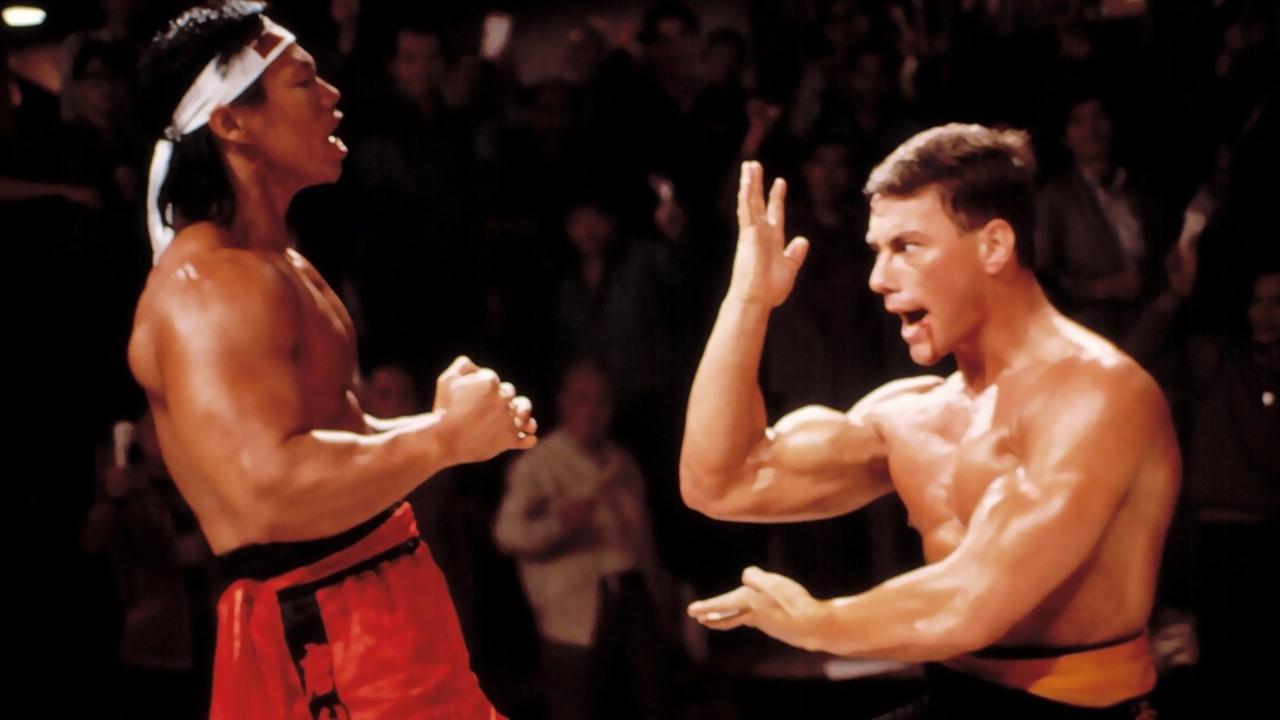
The plot, penned by Jeff Schechter, hits familiar beats but takes a detour. Cardo learns the legendary "Iron Hand" technique in prison under the tutelage of Master Sun, played by none other than the beloved Pat Morita. Seeing Mr. Miyagi teaching a potentially lethal fighting style felt… different, didn't it? A far cry from waxing cars, but Morita brings his usual warmth and gravitas, grounding the prison sequences. Naturally, Cardo’s path leads him to redemption via another underground, no-holds-barred fighting tournament – the Kumite, of course! This time, it’s less about honouring his master (though that’s in there) and more about taking down the sadistic prison warden who also happens to run the tournament.
One of the neatest links to the original, and a guaranteed "Hey, it's that guy!" moment back in the day, was the return of Donald Gibb as Ray "Tiny" Jackson. It wasn't just a cameo; Jackson becomes Cardo's friend and cornerman, providing exposition and some welcome comic relief. Gibb, forever etched in our minds as Ogre from Revenge of the Nerds (1984), slips back into the role effortlessly, adding a thread of continuity that the film genuinely benefits from. Remember his sheer enthusiasm ringside? Pure 90s action movie gold.
### Practical Punches and 90s Flair
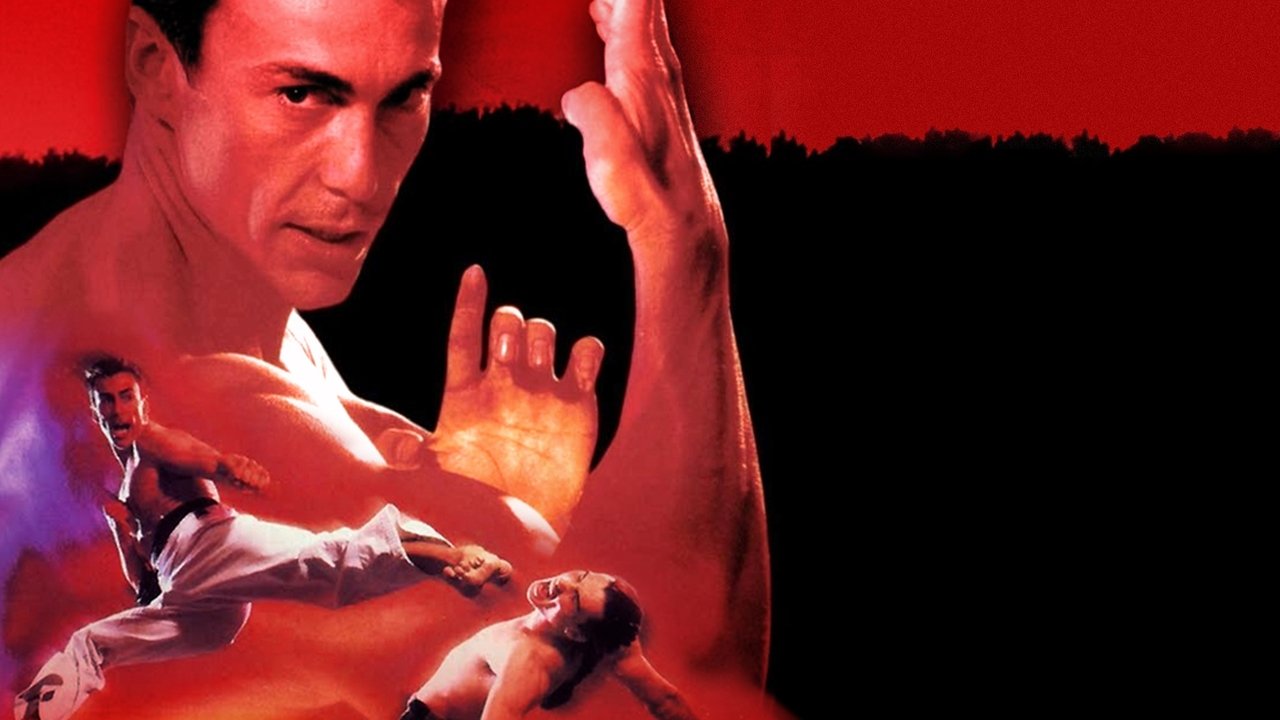
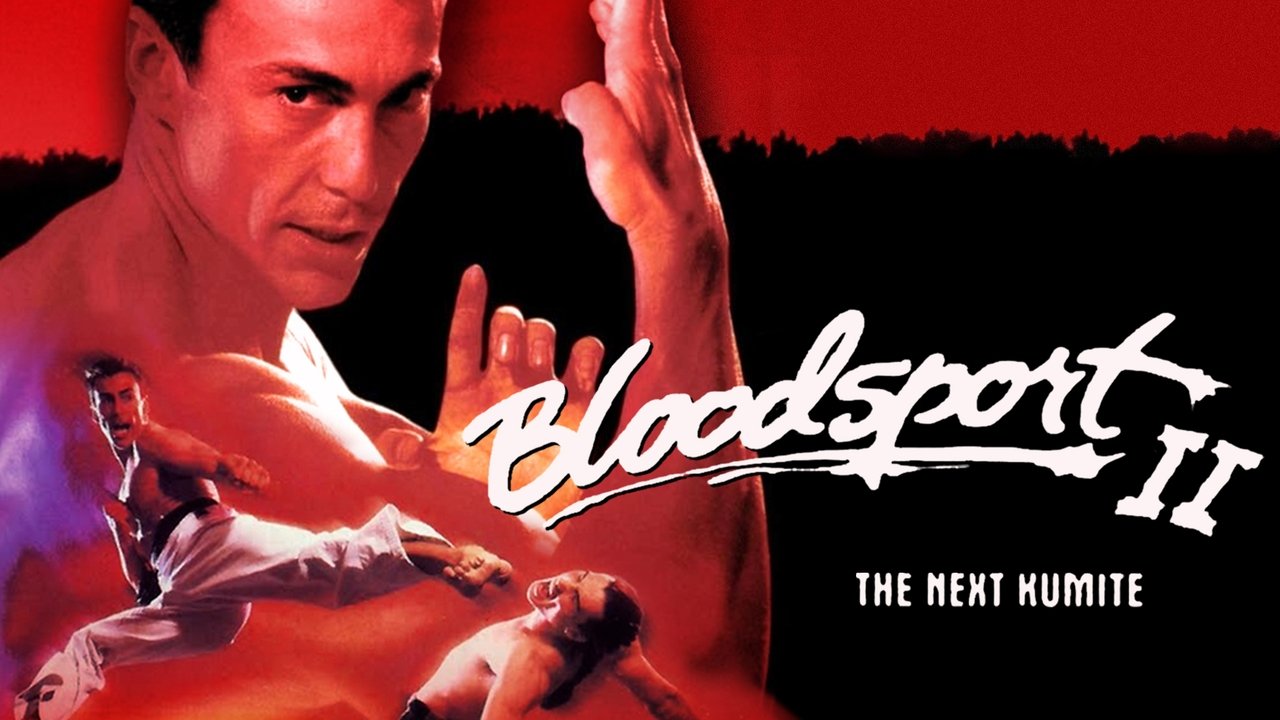
Directed by Alan Mehrez (who would quickly follow up with Bloodsport III the same year, also starring Bernhardt), the action aims for that visceral, bone-crunching feel we craved. While maybe not quite reaching the gritty heights of the original, Bloodsport II delivers plenty of diverse martial arts showdowns. Shot on location in Thailand, the film leverages its setting for some atmospheric training montages and fight backdrops.
The tournament itself showcases a gallery of fighters with distinct styles – Muay Thai, Karate, Kung Fu variants – all captured with that clear, understandable choreography typical of the era. This wasn't the hyper-edited, shaky-cam style that would become more prevalent later. You saw the kicks land, the blocks connect, the sweat fly. It relied on the performers' skills and some well-executed stunt work. Remember how impactful those hits felt on a fuzzy CRT screen late at night? Sure, some of the wirework might look a bit obvious now, a sign of the times before CGI smoothed everything over, but back then, it just added to the heightened reality of the Kumite. It felt physical.
There’s a certain earnestness to Bloodsport II. It knows it’s a B-movie sequel, but it throws everything it has at the screen. The training sequences, the requisite romantic subplot, the sneering villain Demon (played with relish by Ong Soo Han) – it hits all the expected notes of a 90s martial arts flick. It wasn't aiming for high art; it was aiming to entertain fans hungry for more Kumite action, and on that level, particularly as a video rental staple, it largely succeeded. It reportedly performed well on the home video market, proving there was still an audience for this brand of tournament fighter film, spawning further sequels (though quality varied).
### Final Round
So, how does Bloodsport II hold up after all these years, pulled from the dusty shelf of memory? It’s undeniably a product of its time – the dialogue can be clunky, the plot predictable, and it lacks the breakout charisma of its predecessor. However, it delivers where it counts for fans of the genre: solid, well-staged martial arts action featuring a physically gifted new lead. Daniel Bernhardt proved he had the chops (and kicks) for action stardom, launching a career that continues in action films and stunt work today. Pat Morita adds unexpected heart, and Donald Gibb’s return is a welcome slice of nostalgia.
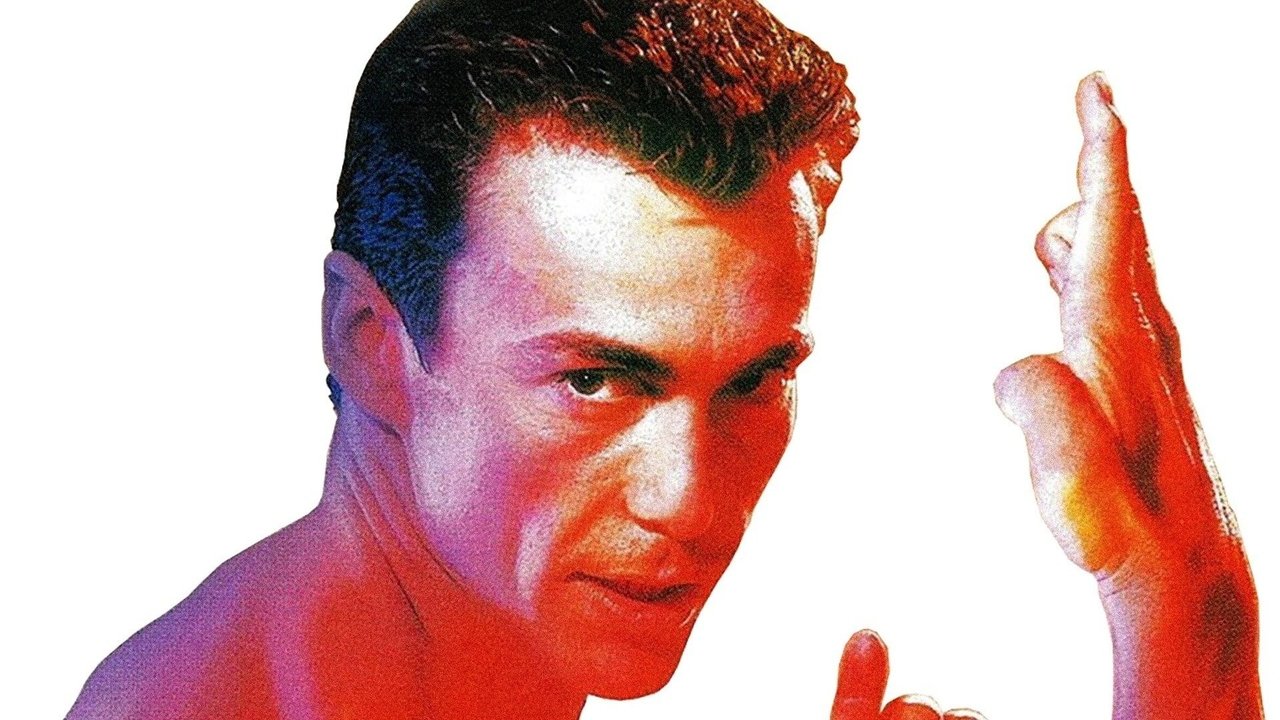
Rating: 6/10
Justification: While it can't escape the shadow of the original and suffers from typical straight-to-video limitations (script, budget), Bloodsport II offers genuinely impressive fight choreography, introduces a capable new action lead in Bernhardt, features fun supporting turns, and delivers enough satisfying tournament action to earn a passing grade. It understood the assignment for its target audience back in the 90s.
Final Thought: Bloodsport II might not be the champion, but it fought its way onto video store shelves with respectable grit and some genuinely entertaining practical fight work – a solid undercard bout from the VHS martial arts arena that’s still fun to revisit.