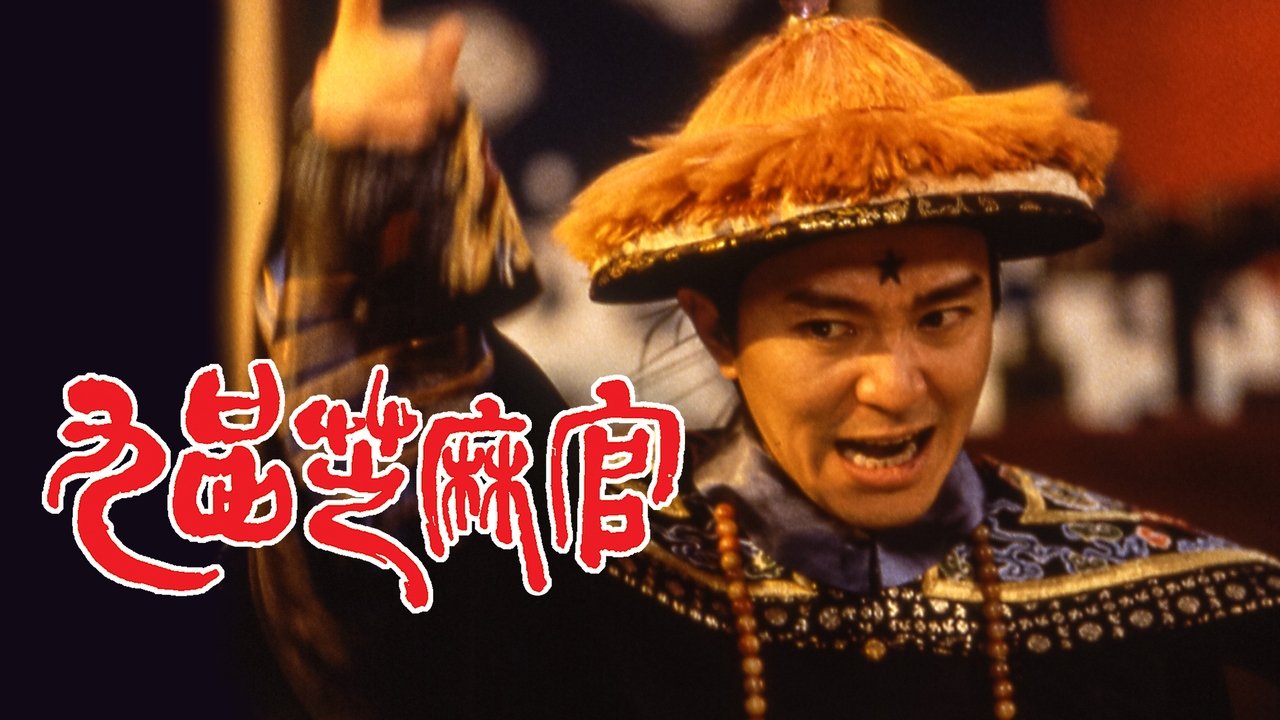
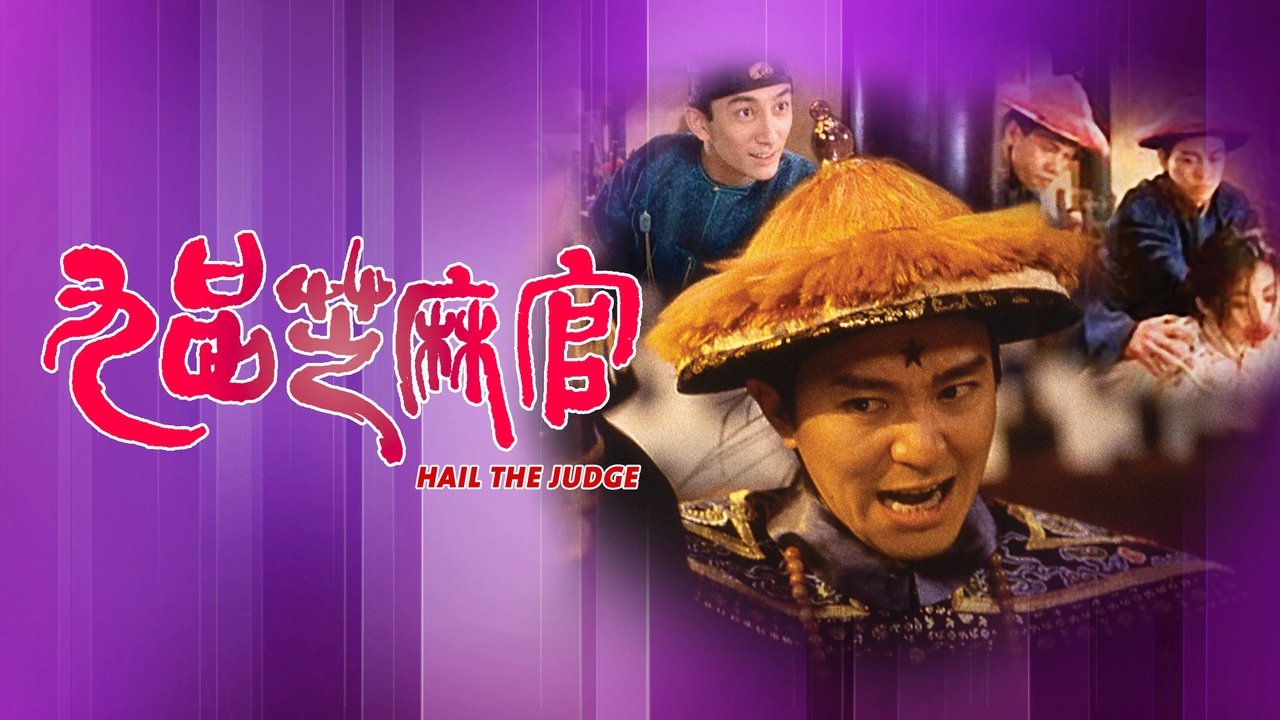
Alright, pop that tape in, adjust the tracking just so, and brace yourself. We're diving headfirst into the glorious, nonsensical whirlwind that is Stephen Chow’s 1994 courtroom comedy (and I use that term loosely!) Hail the Judge (九品芝麻官之白面包青天). If your memories of 90s Hong Kong cinema involve bootleg VHS tapes with questionable subtitles and comedies that moved at the speed of sound while making absolutely zero logical sense, then congratulations – you’ve found a cornerstone of the genre. This isn't just a movie; it's a comedic assault, a masterpiece of mo lei tau madness.
### From Zero to Hero, Via Absolute Lunacy
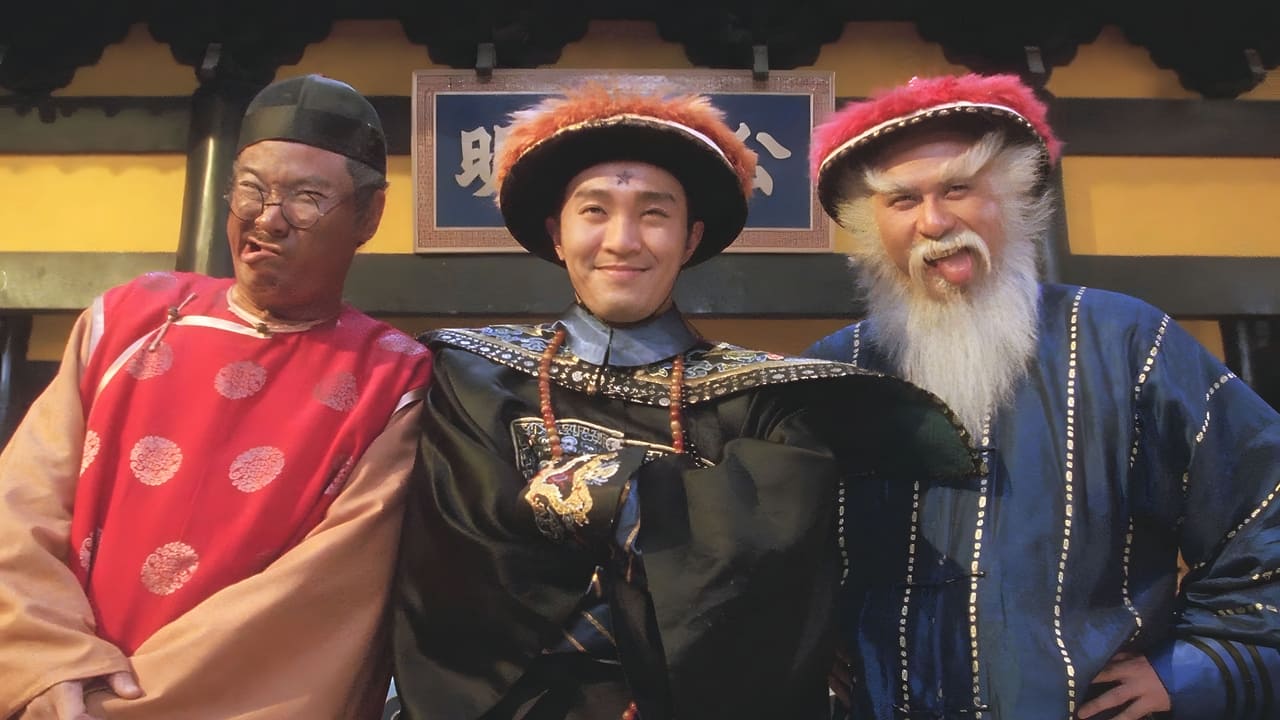
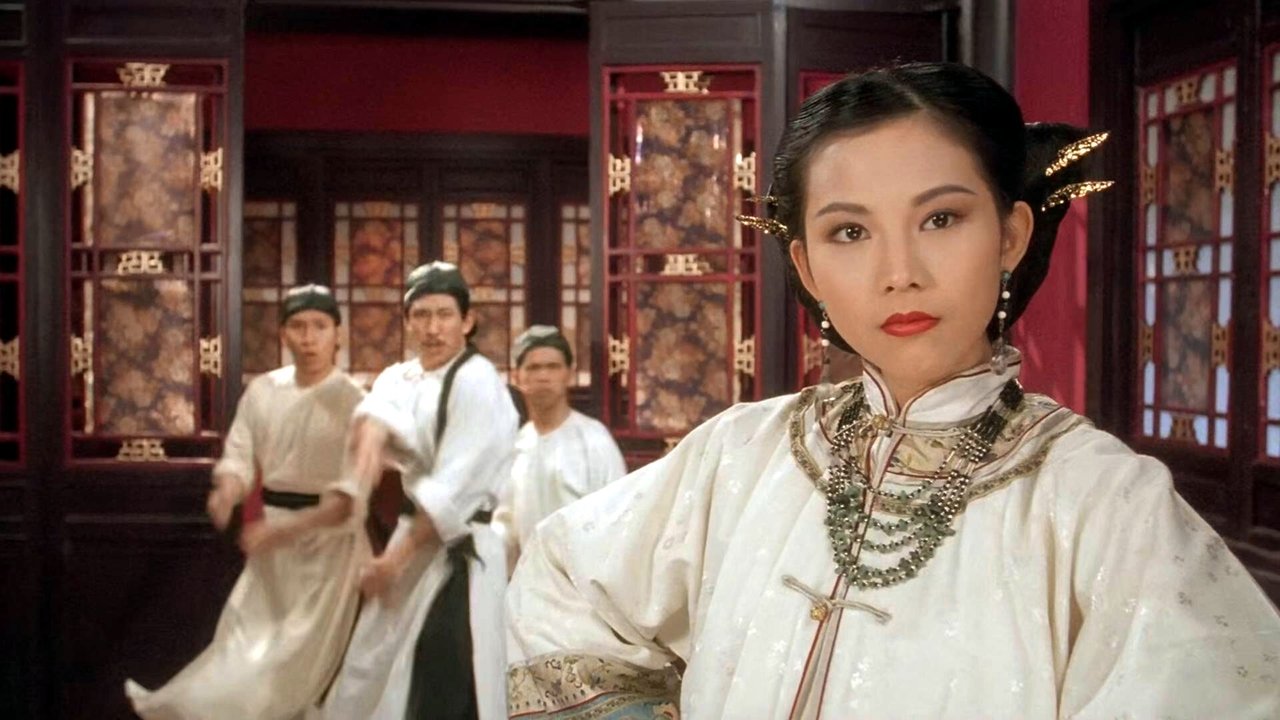
Forget your standard Hollywood redemption arc. Hail the Judge gives us Pao Lung Sing (Stephen Chow at his manic peak), a descendant of the legendary incorruptible Judge Bao, who starts as… well, a thoroughly corrupt and hilariously inept ninth-grade official. He’s more interested in collecting bribes than dispensing justice, aided (and often hindered) by his equally opportunistic nephew Pao Yau Wai (Ng Man-tat, Chow’s quintessential comedic partner). But when the gentle Chi Siu Lin (Sharla Cheung, holding her own amidst the chaos) is framed for mass murder by the truly loathsome Advocate Fong Tong Kan (Lawrence Ng) and the powerful Navy Admiral Shang Wai (Collin Chou, years before becoming Seraph in The Matrix films!), Pao Lung Sing finds a shred of conscience buried deep beneath the incompetence. What follows isn't a sober quest for truth, but a frantic, gag-filled odyssey involving brothels, imperial conspiracies, and perhaps the most intense insult training montage ever committed to film.
### The Relentless Genius of Stephen Chow
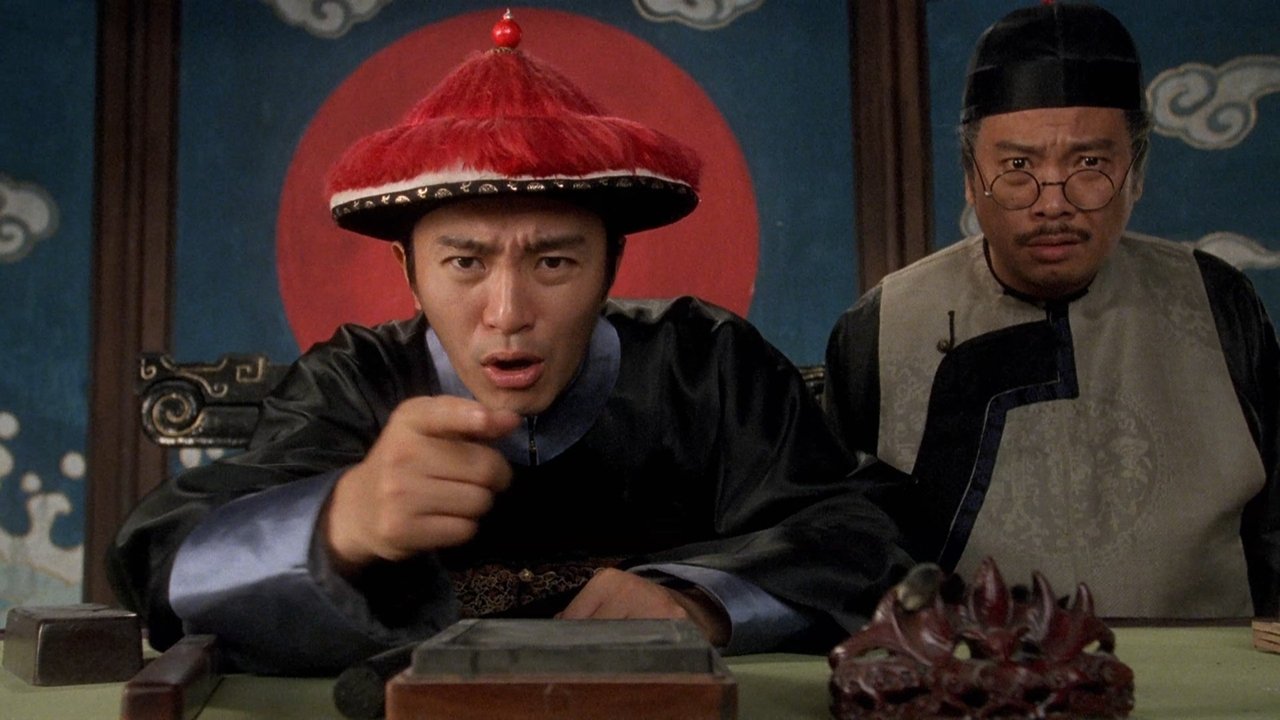
Let's be clear: this film is Stephen Chow. By 1994, he was already the undisputed king of Hong Kong comedy, and Hail the Judge showcases his unique mo lei tau ("makes no sense") style in full flight. The jokes come thick and fast – rapid-fire Cantonese wordplay (often tragically lost in translation on those old tapes, forcing us to rely on the sheer visual absurdity), outrageous slapstick, anachronistic pop culture references dropped into a Qing Dynasty setting, and moments of surreal brilliance. Remember Pao Lung Sing practicing his arguments against the roaring ocean, honing his verbal skills until fish literally leap out of the water from the sheer force of his insults? It's utterly bonkers, and utterly unforgettable. Chow sells every ridiculous moment with an infectious energy and surprisingly elastic physicality. His chemistry with the late, great Ng Man-tat is, as always, pure gold – their timing honed over countless collaborations, creating a comedic shorthand that’s a joy to watch.
### Wong Jing's Signature Speed and Style
Behind the camera is the notoriously prolific Wong Jing, a director who practically defined mainstream Hong Kong cinema in the 80s and 90s. Known for his lightning-fast production schedules and commercially savvy approach, Wong Jing keeps Hail the Judge hurtling forward at breakneck speed. There's rarely a moment to breathe, let alone question the logic. One minute Pao is fleeing for his life, the next he's inadvertently become the top host in a high-class brothel run by the formidable Madam Lau (Kingdom Yuen). It's a style that perfectly complements Chow's comedic energy. Interestingly, the film was a significant box office success in Hong Kong, pulling in over HK$30 million – proof that Wong Jing knew exactly what his audience wanted, even if it involved historical figures engaging in fart jokes. He wasn't aiming for high art; he was crafting pure, unadulterated entertainment, and on that front, he absolutely delivered.
### More Than Just Jokes? Maybe…
Amidst the relentless gags and general pandemonium, Hail the Judge does retain a sliver of the Judge Bao legacy it parodies. The core story is about fighting corruption and speaking truth to power, even if the method involves weaponized insults and ridiculous disguises. The villains are genuinely despicable, especially Collin Chou's sneering Shang Wai, giving Pao's eventual triumph a satisfying, albeit chaotic, punch. And seeing Sharla Cheung, often cast as the glamorous love interest or action heroine, play the victimised damsel provides a necessary emotional anchor, grounding the film just enough before it spins completely off its axis. Even supporting players like Ada Choi, in an early role as the charming Yu Yin, add to the vibrant, almost cartoonish tapestry. The film cleverly uses the historical setting not for accuracy, but as a playground for anachronistic humour and satire that still lands surprisingly well.
### Why It Still Hits That Nostalgic Sweet Spot
Watching Hail the Judge today feels like rediscovering a hidden track on a beloved mixtape. It's loud, messy, occasionally crude, but bursting with an anarchic spirit that feels refreshingly raw compared to many modern comedies. The rapid-fire editing, the exaggerated sound effects, the sheer commitment to the bit – it all screams 90s Hong Kong filmmaking. You can almost feel the sprocket holes running through the projector, hear the whir of the VCR. It might not be sophisticated, and some of the humour definitely hasn't aged gracefully, but its relentless energy and Stephen Chow's comedic genius remain undeniable. It's a film that demands you switch off your critical brain and just go along for the wild, unpredictable ride.
Rating: 8/10
This score reflects the film's brilliance as a prime example of Stephen Chow's mo lei tau comedy and its status as a beloved cult classic within 90s Hong Kong cinema. It delivers exactly what it promises: relentless laughs, manic energy, and unforgettable absurdity. While the humour's specificity and occasional crudeness might not land with everyone, and the plot is secondary to the gags, its comedic highs are incredibly high and its rewatchability for fans is immense.
Final Thought: Forget stately courtroom dramas; Hail the Judge is the cinematic equivalent of downing three espressos and mainlining sugar – a gloriously chaotic sugar-rush of 90s Hong Kong comedy that still leaves you grinning like an idiot.