Alright, rewind that tape! Remember hitting the local video store, maybe a slightly dodgy one with faded posters in the window, and grabbing something purely based on the cover art or a vaguely familiar star? Sometimes you struck gold. And sometimes, you unearthed a particular kind of glorious chaos that only 90s Hong Kong cinema could deliver. Case in point: Wong Jing’s 1990 whirlwind, God of Gamblers II. This wasn't just a sequel; it was a hyperactive collision of star power and genre-bending mania.

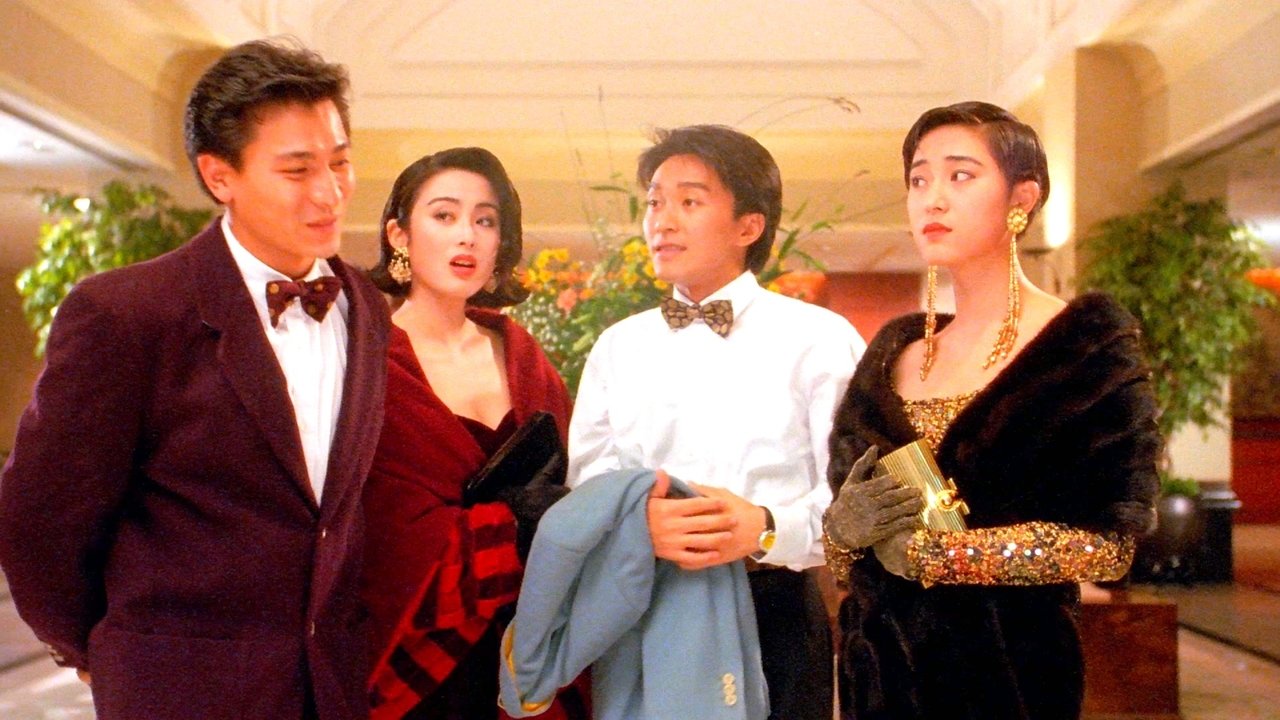
Forget subtle character arcs or deep thematic resonance for a moment. This film slams the accelerator from the get-go, throwing two of Hong Kong's biggest stars – the effortlessly cool Andy Lau and the rapidly ascending king of comedy Stephen Chow – into a blender and hitting 'puree'. Lau reprises his role as Michael Chan, the "Knight of Gamblers" from the original God of Gamblers (1989), while Chow brings his "Saint of Gamblers" persona, Sing, fresh off the massive success of All for the Winner (also 1990). The plot? Well, it involves nefarious villains, kidnapped uncles, high-stakes gambling duels, and a quest to clear Michael’s name, but honestly, the plot often feels secondary to the sheer spectacle of these two icons sharing the screen.
### A Tale of Two Gamblers (and One Uncle)
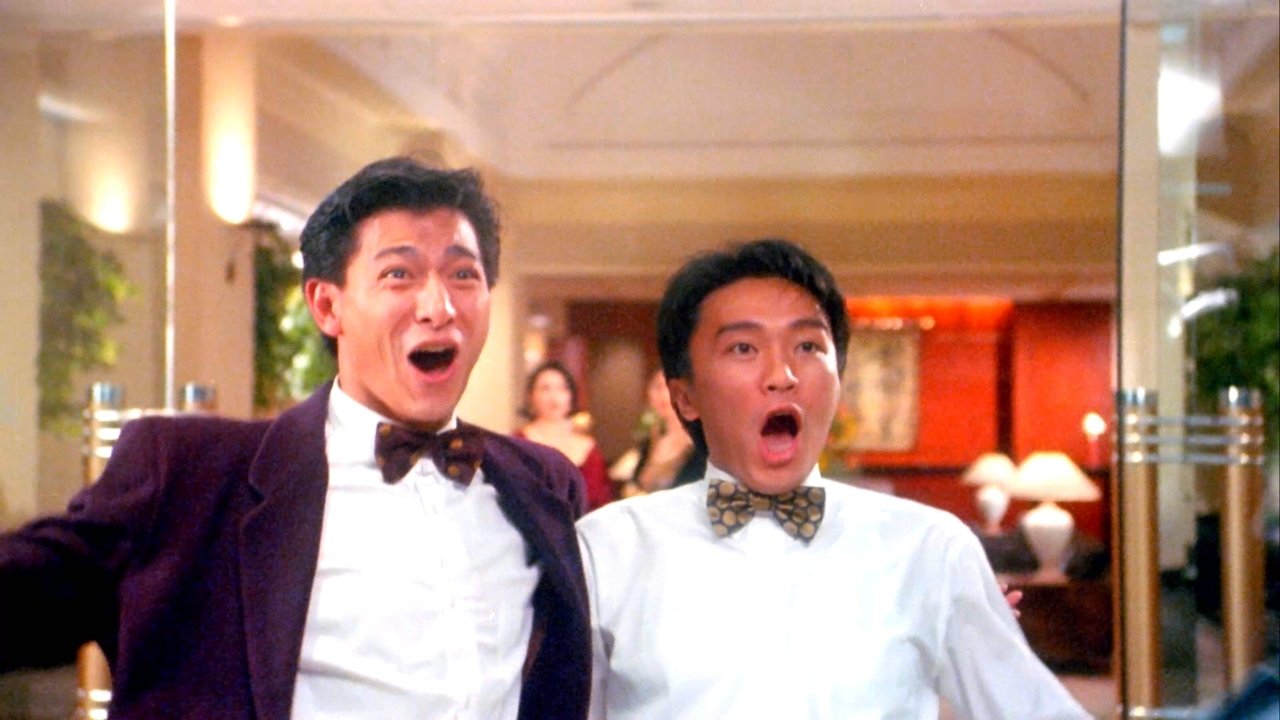
The magic, and the madness, lies in the dynamic. Andy Lau plays it relatively straight, radiating the smooth charm that made him a Cantopop king and movie idol. He's the anchor, the suave hero trying to navigate the escalating insanity. Then there’s Stephen Chow. This film catches him right at the explosion point of his "mo lei tau" (literally "makes no sense") comedic style. Chow isn't just funny; he's a rubber-faced, lightning-fast engine of absurdist gags, non-sequiturs, and hilarious physical comedy. Watching him bounce off Lau’s cool demeanor is pure joy. Crucially, Chow brings along his indispensable partner-in-crime, the brilliant Ng Man-tat, reprising his role as Sing's ever-suffering, money-grubbing uncle. Their chemistry is legendary, a comedic duo for the ages, grounding Chow’s wildest antics with a relatable (if pathetic) humanity.
Retro Fun Fact: The speed at which Hong Kong cinema operated back then is mind-boggling. All for the Winner, which introduced Chow's Saint of Gamblers character, came out in August 1990 and was a colossal hit. Wong Jing, never one to miss a trend (especially one he helped create, having directed the original God of Gamblers), immediately capitalized, getting God of Gamblers II into cinemas by December 1990! Talk about striking while the iron was hot. It became the second highest-grossing Hong Kong film of the year, right behind All for the Winner.
### Action? Comedy? Yes!
Okay, let's talk action. This isn't the gritty realism of a John Woo flick or the intricate choreography of a Jackie Chan movie. The "action" here is often intertwined with the comedy and the fantastical gambling elements. Fights are fast, frantic, and frequently punctuated by slapstick. But there’s an undeniable energy to it, a trademark of director Wong Jing (who also helmed a bewildering number of other films, including the infamous City Hunter (1993) with Jackie Chan). He throws everything at the screen – slow-motion card throws, ludicrous displays of gambling "powers" (like rubbing cards to change their value), sudden shifts in tone from goofy comedy to surprising bursts of violence.
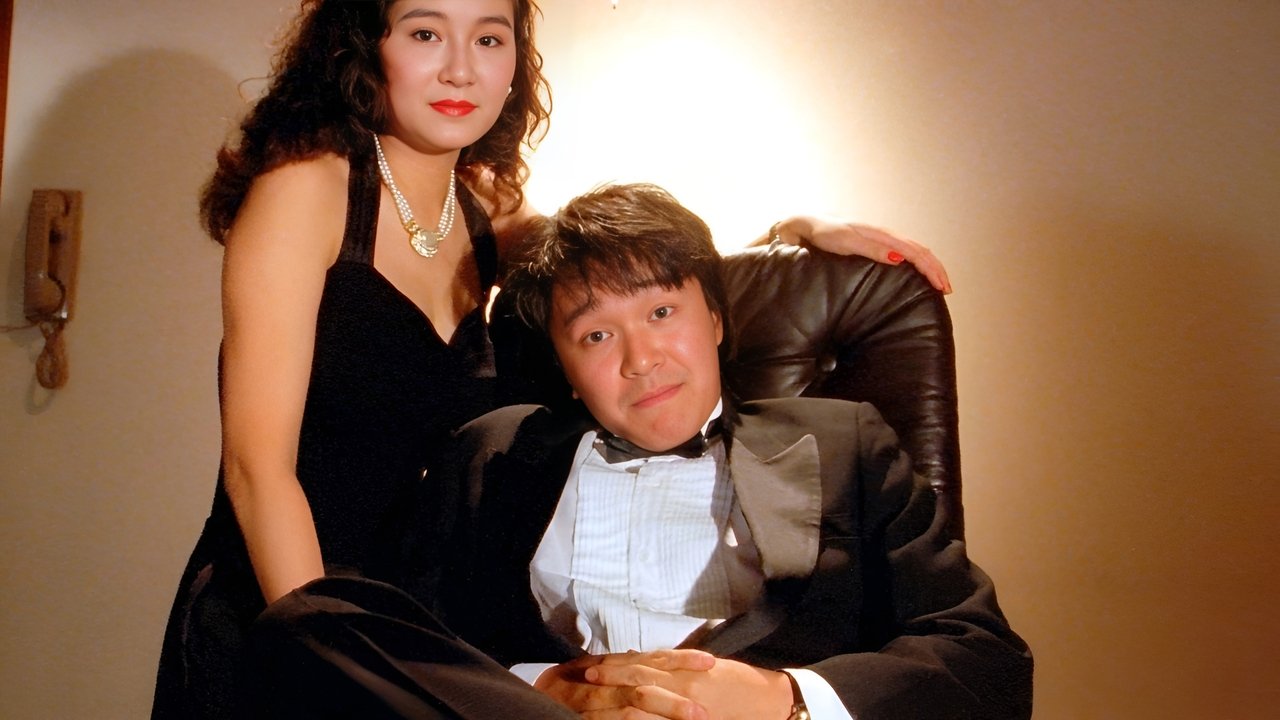
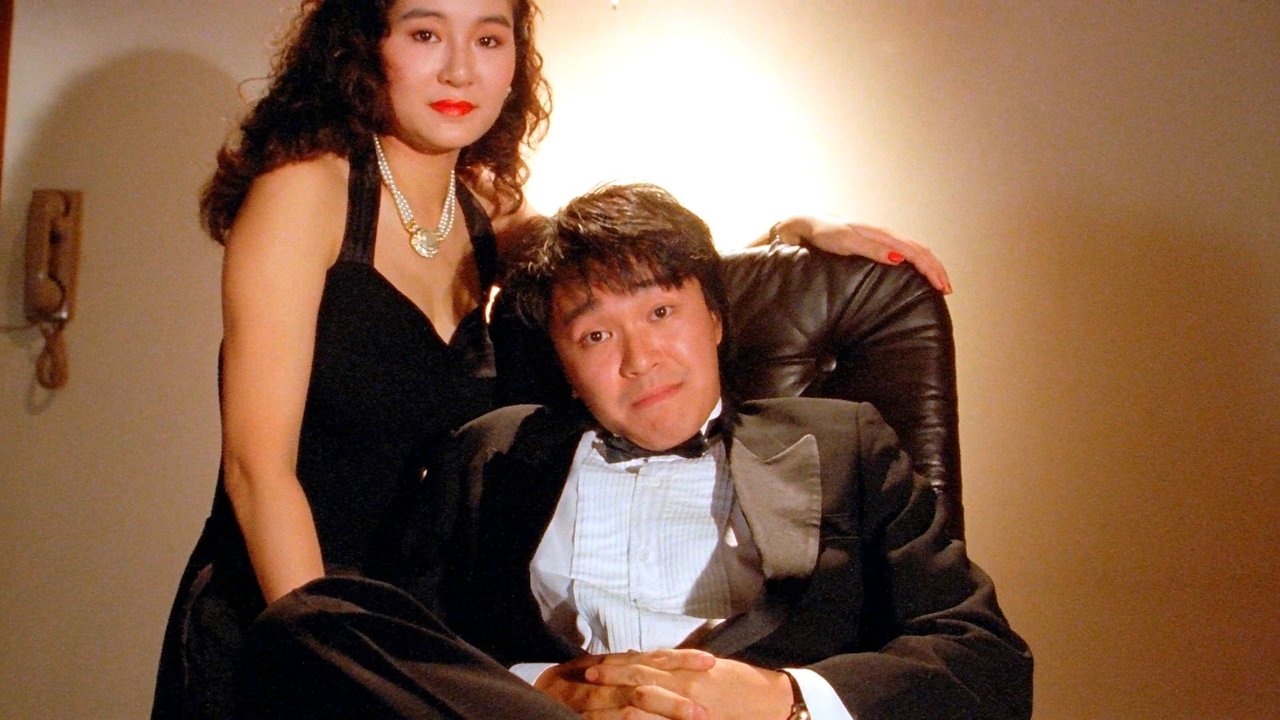
It’s less about practical effects in the traditional sense (though there are some decent squibs and brawls) and more about the sheer audacity of the concepts. Remember how Sing uses his powers? It’s presented with such conviction, mixed with Chow’s impeccable timing, that you just buy it within the film's universe. It’s a different kind of spectacle compared to Hollywood blockbusters of the era, relying on star charisma, rapid-fire editing, and pure, unadulterated pulp energy rather than complex pyrotechnics. The gambling scenes themselves are staged like high-stakes battles, full of tension, bluffs, and those impossible, physics-defying card tricks that defined the genre.
Retro Fun Fact: The original God of Gamblers starred Chow Yun-fat, whose character Ko Chun was iconic. Wisely, God of Gamblers II doesn't try to replace him. Instead, Chow Yun-fat makes a brief, glorious cameo appearance near the end, essentially giving his blessing to the new generation. It was a smart move that respected the original while paving the way for Lau and Stephen Chow.
### More Than Just a Sequel
What makes God of Gamblers II endure, beyond the laughs and the star power, is its perfect encapsulation of a specific moment in Hong Kong cinema. It’s brash, colourful, unapologetically commercial, and bursting with creative energy. The pacing is relentless, bouncing between genres with reckless abandon. One minute you're laughing at Chow's antics, the next you're caught up in a surprisingly tense standoff, then launched into another gambling showdown. It shouldn't work, but somehow, under Wong Jing's chaotic guidance, it does. It’s the kind of film that feels like it was made on pure adrenaline and box office instinct.
Did critics rave back then? Probably not universally. These types of films were often seen as low-brow crowd-pleasers. But audiences? They absolutely devoured it. It cemented Stephen Chow's superstardom and proved Andy Lau could hold his own alongside the comedy whirlwind. It’s pure, unadulterated entertainment, Hong Kong style.
***
VHS Heaven Rating: 8/10
Justification: While undeniably chaotic and relying heavily on familiarity with the preceding films (or at least the archetypes), God of Gamblers II is a spectacular blast of 90s Hong Kong energy. The combination of Lau's smooth heroism and Chow's comedic genius (ably supported by Ng Man-tat) is lightning in a bottle. It's funny, fast-paced, and delivers exactly the kind of over-the-top gambling action and absurd humour fans crave. It loses points for a somewhat flimsy plot and moments that might feel jarringly dated, but its sheer entertainment value and historical significance within HK pop cinema make it a must-watch for enthusiasts.
Final Thought: Forget realism; this is pure cinematic sugar rush, a reminder of a time when Hong Kong films threw everything at the wall with infectious energy, and somehow, gloriously, made it stick. Fire it up when you need a dose of joyful, nonsensical 90s magic.