Okay, let's dim the lights, maybe grab a bowl of popcorn (microwaved, naturally), and slide another tape into the VCR slot. This time, we're revisiting a familiar face, but on a different kind of journey. Remember Vada Sultenfuss? After the emotional rollercoaster of My Girl (1991), returning to her world in My Girl 2 felt like catching up with an old friend who'd done some growing up – and maybe we had too.
### A Different Kind of Discovery
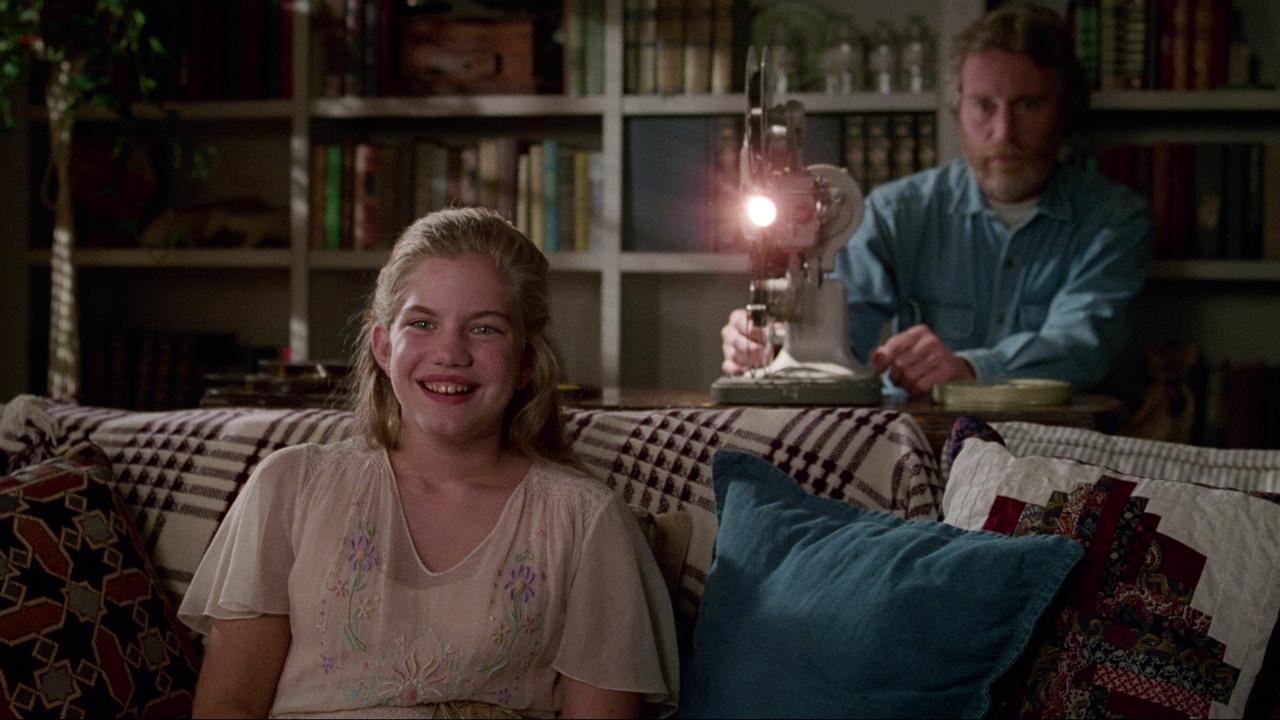
The original My Girl hit us right in the feels, didn’t it? It was this poignant, bittersweet slice of childhood innocence abruptly interrupted by life's harsher realities. So, when My Girl 2 arrived in 1994, there was a palpable sense of anticipation. What would Vada's next chapter hold? Directed once again by Howard Zieff, ensuring a visual and tonal continuity, the sequel wisely shifts gears. Instead of revisiting the specific traumas of the first film, it sends Vada, now 13 and navigating the confusing world of adolescence (hello, first kiss awkwardness!), on a quest. Tasked with a school assignment to write about someone she admires but has never met, Vada chooses her late mother, heading off to Los Angeles for Spring Break in 1974 (the film is set in early '74) to stay with her Uncle Phil (Richard Masur) and uncover the secrets of her mother's past.
### Familiar Faces, New Places
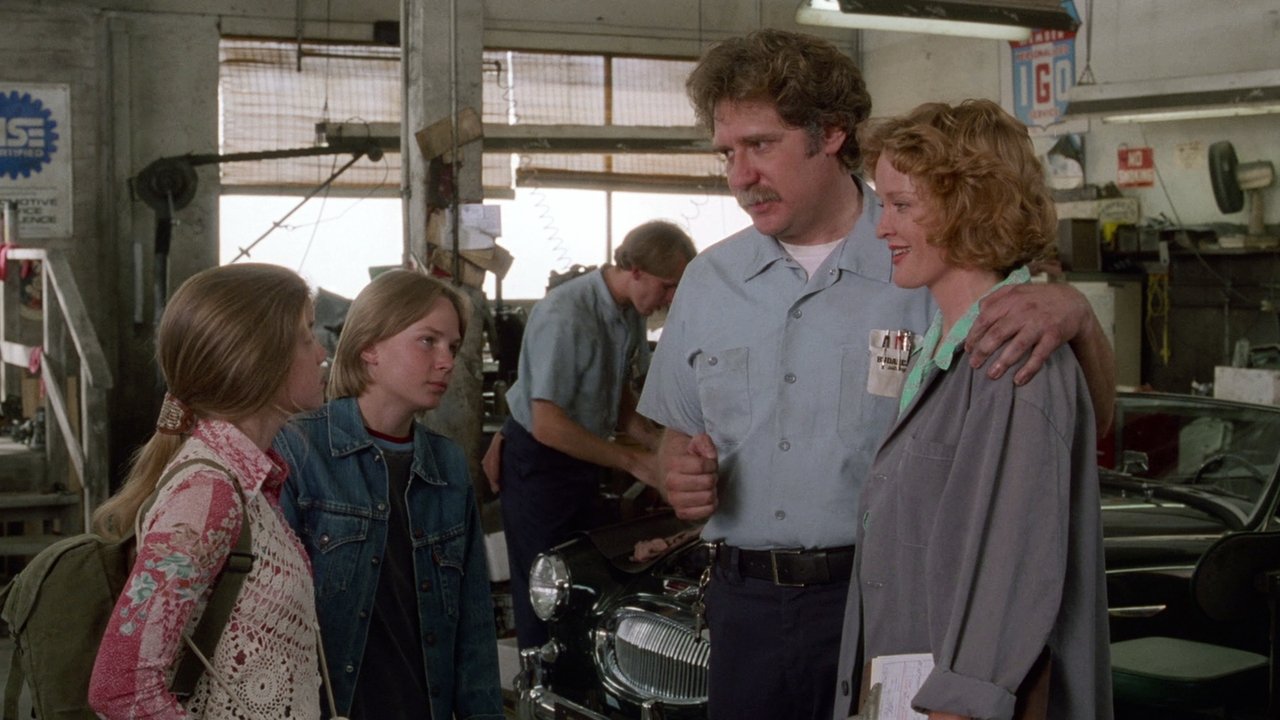
It was genuinely comforting to see Anna Chlumsky back as Vada. She carries the film effortlessly, embodying that specific blend of teenage curiosity, burgeoning independence, and lingering vulnerability. Vada felt real – a little more worldly-wise, perhaps, but still fundamentally the thoughtful, slightly morbid girl we knew. Dan Aykroyd as her dad, Harry, and Jamie Lee Curtis as Shelly, now married and expecting a baby, provide the warm, stable home base. Their screen time is reduced as Vada takes center stage on her LA adventure, but their presence anchors the film, reminding us of the loving, if unconventional, family unit she belongs to. Aykroyd, known for his comedic timing in hits like Ghostbusters (1984), brings that gentle warmth, while Curtis, a versatile powerhouse from Halloween (1978) to True Lies (1994), radiates maternal energy.
The California setting provides a distinct contrast to the sleepy Pennsylvania town of the original. Los Angeles in the spring of '74 feels bright, expansive, and full of possibilities – a perfect backdrop for Vada's journey of self-discovery. It's here she meets Nick, played by Austin O'Brien (who eagle-eyed viewers might remember from Last Action Hero the year before). Nick becomes her street-smart guide and potential love interest, adding a new dynamic to Vada's experiences. Their interactions capture that tentative, sometimes awkward, energy of young teens figuring things out.
### Weaving the Past into the Present


Retro Fun Facts: While Howard Zieff returned to direct, the script was penned by Janet Kovalcik, taking over from the original's writer, Laurice Elehwany. This might account for some of the tonal shift towards a more straightforward coming-of-age narrative. The film aimed to recapture the magic, but didn't quite ignite the box office in the same way as its predecessor; reportedly made on a budget around $17 million, it brought in just over $17 million domestically, a far cry from the original's nearly $60 million haul in the US. Perhaps the profound emotional impact of the first film set an impossible bar, or maybe audiences were looking for something different in '94. Still, filming largely took place in California, using locations in Los Angeles and Claremont to convincingly recreate the 1974 setting Vada explores. The focus shifted from grief and loss to identity and heritage, a less gut-wrenching but still resonant theme.
The core of My Girl 2 lies in Vada piecing together the puzzle of her mother, Maggie (briefly portrayed in flashbacks by Angeline Ball). Through interviews with her mother's old friends and acquaintances (a fun series of vignettes featuring actors like Christine Ebersole), Vada discovers a vibrant, creative, and perhaps slightly rebellious young woman she never knew. It’s a journey many of us can relate to – that moment you start seeing your parents not just as parents, but as individuals with their own histories and dreams.
### A Gentler Chapter
Is My Girl 2 as iconic or emotionally devastating as the first film? Honestly, no. It lacks the sharp sting of tragedy that made the original so unforgettable (and responsible for countless childhood tears). Thomas J.'s absence hangs unspoken, a poignant reminder of what Vada, and the audience, lost. This sequel is softer, gentler, more of a warm hug than an emotional gut punch. It trades the raw intensity of childhood grief for the more nuanced complexities of adolescent self-discovery and understanding family history.
But judged on its own merits, My Girl 2 is a sweet, well-intentioned film. It allows Vada to grow and explore her identity beyond the defining loss of the first movie. It tackles themes of changing family dynamics, first crushes, and connecting with one's roots in an accessible, heartfelt way. Watching it again now, it feels like a perfectly pleasant afternoon watch, a comforting dose of 90s nostalgia wrapped in a 70s setting. It might not have been the sequel some expected, but it offered a thoughtful continuation of Vada's story.
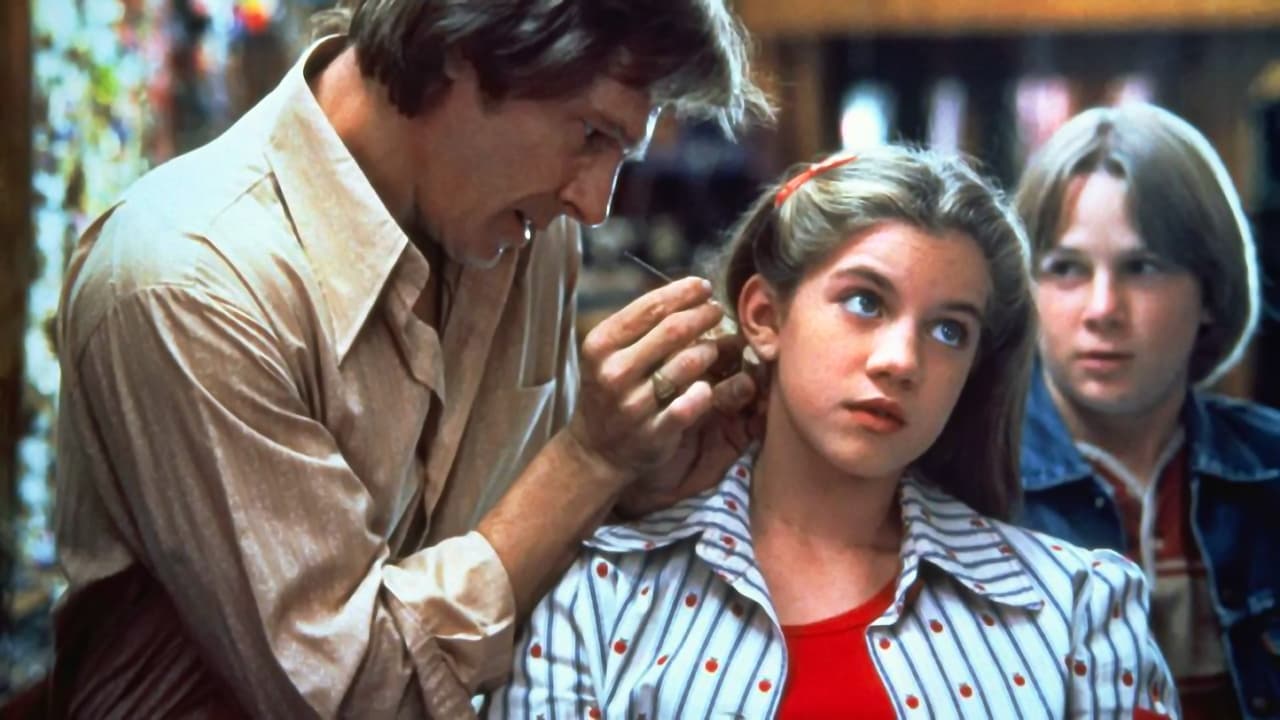
VHS Heaven Rating: 6/10
The rating reflects a charming and well-acted sequel that provides a satisfying, if less impactful, continuation of Vada's journey. It doesn't reach the emotional heights (or depths) of the original, and its box office performance reflected perhaps a diminished audience appetite, but Anna Chlumsky shines, and the exploration of family history against a sunny California backdrop makes for a pleasant watch. It successfully expands Vada's world, even if it doesn't leave the same indelible mark.
It might not have been the tape you wore out in the VCR, but My Girl 2 was a gentle reminder that growing up is its own kind of adventure, sometimes bittersweet, sometimes surprising, but always worth exploring.