It wasn't always about the explosions or the high-octane chases back in the video store days, was it? Sometimes, you stumbled upon a smaller box, maybe with kids on the cover, promising something gentler. And sometimes, that gentler film packed an emotional wallop you weren't quite ready for. My Girl, released in 1991, was precisely that kind of movie – a seemingly innocent summer story set in 1972 that navigated the tricky currents of childhood, friendship, and grief with surprising depth and a bittersweet ache that lingers long after the credits roll.
Summer Days and Growing Pains
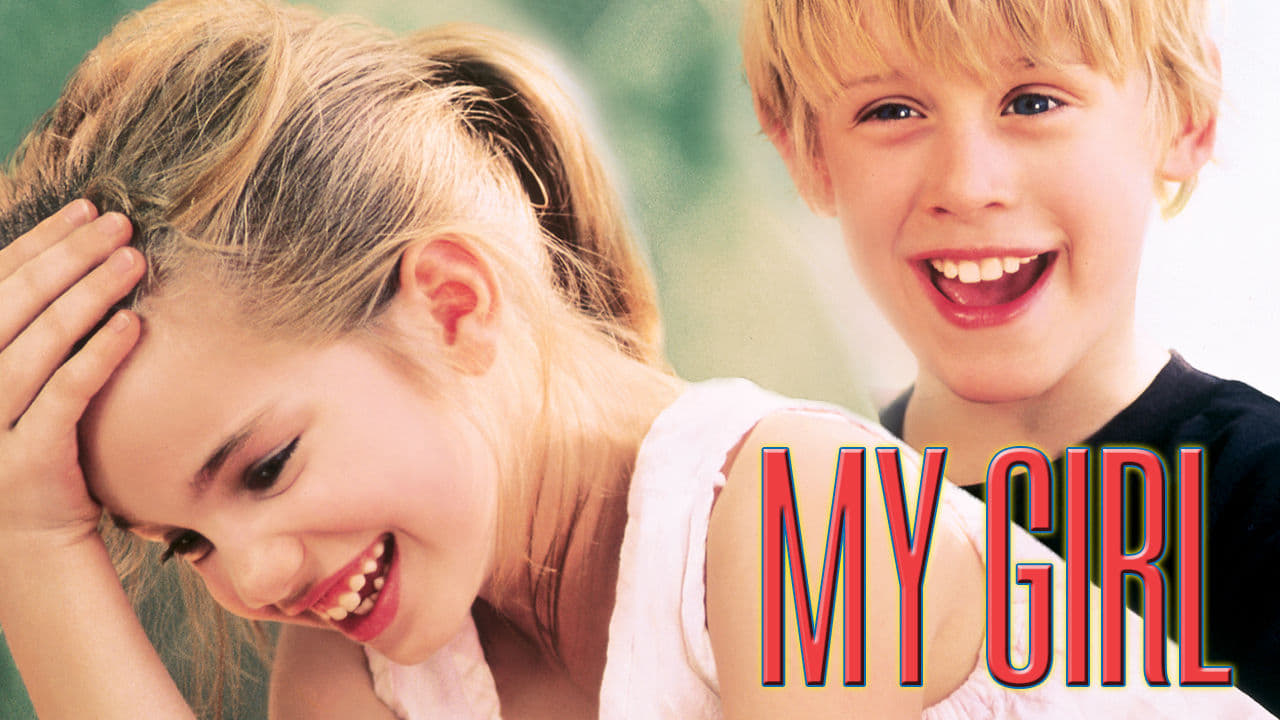
We step into the world of Vada Sultenfuss, played with remarkable nuance by newcomer Anna Chlumsky. Vada is eleven years old, lives in a funeral home run by her widowed father Harry (Dan Aykroyd), and carries a unique set of anxieties – namely, a persistent hypochondria likely rooted in unprocessed grief over her mother's death. Her constant companion is Thomas J. Sennett (Macaulay Culkin), a sweet, allergy-prone boy who provides a grounding, uncomplicated friendship amidst Vada's swirling emotions and morbid surroundings. Director Howard Zieff, who audiences mostly knew from comedies like Private Benjamin (1980), shifted gears beautifully here, capturing the lazy haze of a Pennsylvania summer (though keen eyes might spot the Florida filming locations of Bartow and Sanford!) while never shying away from the undercurrents of melancholy.
The film, penned by Laurice Elehwany who drew inspiration from her own childhood memories, paints a vivid picture of that specific pre-teen cusp. Vada's developing crush on her teacher, Mr. Bixler (Griffin Dunne), her budding awareness of mortality heightened by the family business, and the arrival of the free-spirited Shelly DeVoto (Jamie Lee Curtis) as Harry's new employee and potential love interest – it all swirls together into a potent coming-of-age cocktail. It felt authentic then, and remarkably, still does.
Casting Magic and Heartbreak
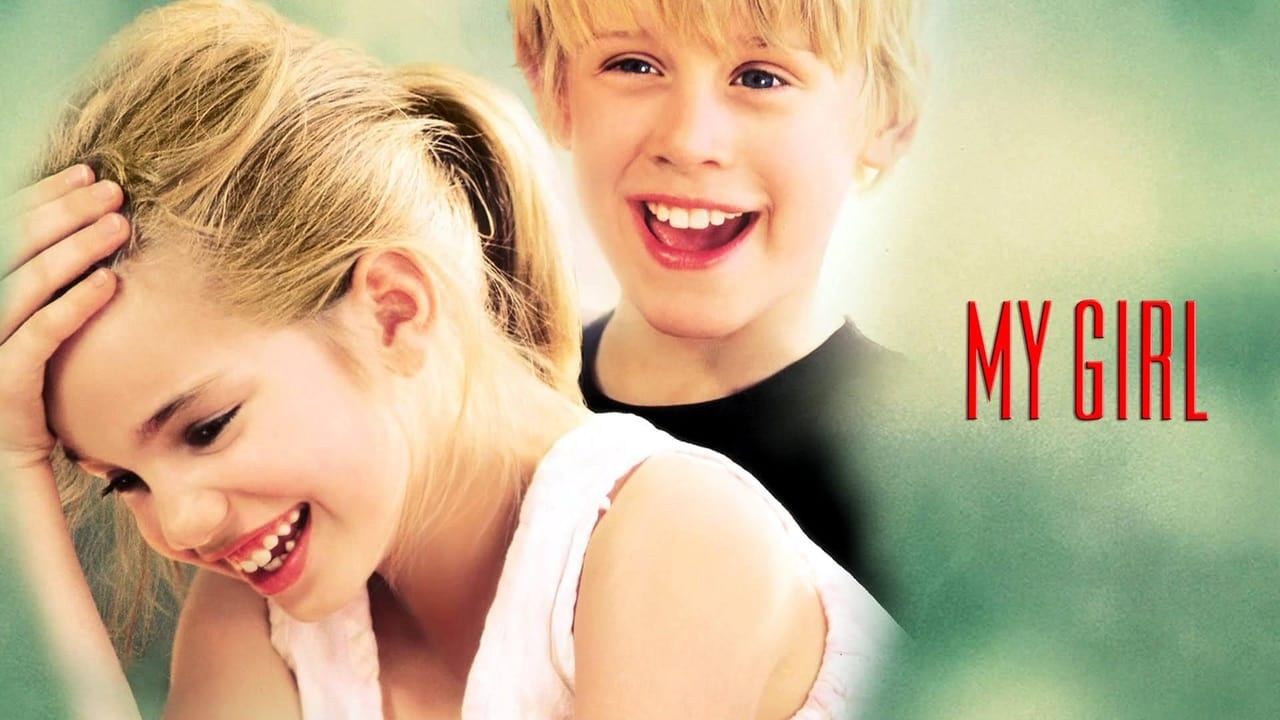
The casting was pitch-perfect. Anna Chlumsky, in her feature debut, delivered a performance far beyond her years, capturing Vada's intelligence, vulnerability, and prickly defenses. She carried the film effortlessly. Opposite her, Macaulay Culkin, fresh off the stratospheric success of Home Alone (1990), brought a quiet charm to Thomas J. His star power was undeniable – securing him reportedly brought a $1 million salary, a testament to his box office clout – but his performance here is gentle and understated, a perfect foil to Vada's intensity. Their chemistry feels natural and touchingly innocent; their shared adventures, whether fishing or riding bikes, form the film’s warm heart.
Dan Aykroyd, too, deserves praise for stepping outside his usual comedic persona to portray Harry with sensitivity and warmth, a father grappling with his own grief while trying to connect with his complex daughter. And Jamie Lee Curtis lights up the screen as Shelly, bringing energy and understanding into the subdued Sultenfuss household. Her interactions with Vada, particularly navigating the awkwardness of burgeoning womanhood, are highlights.

More Than Just Nostalgia (Retro Fun Facts)
Beyond the performances, My Girl resonated because it dared to treat children's emotions with respect, even the difficult ones. It didn't talk down to its audience, which included plenty of kids seeing it on VHS rentals after its solid theatrical run (grossing over $121 million worldwide against a $16.5 million budget). Of course, this emotional honesty came with that moment – the one involving Thomas J. and the bees. It shocked audiences and undoubtedly sparked many difficult conversations between parents and children. It was a bold narrative choice, avoiding easy sentimentality and driving home the film's themes about life's fragility. This very element caused quite a stir, making My Girl a film discussed as much for its heartbreak as its charm.
The film’s atmosphere is further enhanced by its fantastic early 70s soundtrack, perfectly curated to evoke the era. Hearing The Temptations' titular classic, "My Girl," instantly transports you, becoming inextricably linked with Vada and Thomas J.'s friendship. It’s one of those soundtracks that became almost as iconic as the film itself. Writer Laurice Elehwany actually fought to keep the title My Girl, even when the studio considered alternatives, because the song was so integral to her vision.
A Bittersweet Gem
My Girl isn't a complex film in terms of plot, but its emotional landscape is rich and layered. It tackles themes of death, first love, jealousy, and change with a tenderness that feels rare. It reminds us that childhood isn't just sunshine and bike rides; it's also a time of confusion, fear, and learning to cope with loss. The film captured that duality beautifully, becoming a touchstone for many who grew up in the 90s. While its follow-up, My Girl 2 (1994), offered a lighter continuation of Vada's story, the original remains potent precisely because it didn't shy away from the bittersweet realities of life.

VHS Heaven Rating: 8/10
This rating reflects the film's powerful emotional core, stellar performances (especially from Chlumsky), and its successful blend of nostalgia, humor, and heartbreak. It earns its tears honestly and treats its young characters' experiences with profound respect. While the central tragic event makes it a tough rewatch for some, its impact and artistry are undeniable. It's a beautifully crafted film that dared to be poignant when it could have been merely pleasant.
My Girl remains lodged in memory not just as a movie, but as an experience – a reminder that sometimes the quietest stories leave the deepest echo, like a favorite song from a summer long ago.