Okay, VHS Heaven faithful, gather ‘round. Sometimes, tucked away on those towering rental shelves, nestled between the explosive action flicks and the creature features, you’d stumble upon something… different. Something that looked like a standard European comedy on the box, maybe starring a familiar face if you were tuned into Italian cinema, but held a surprising amount of heart and guts beneath the surface. That’s the feeling I get remembering Carlo Verdone’s Perdiamoci di vista (Let's Not Keep in Touch) from 1994. This wasn't your typical slapstick fare; this tape had something to say.
### Not Your Average TV Gig
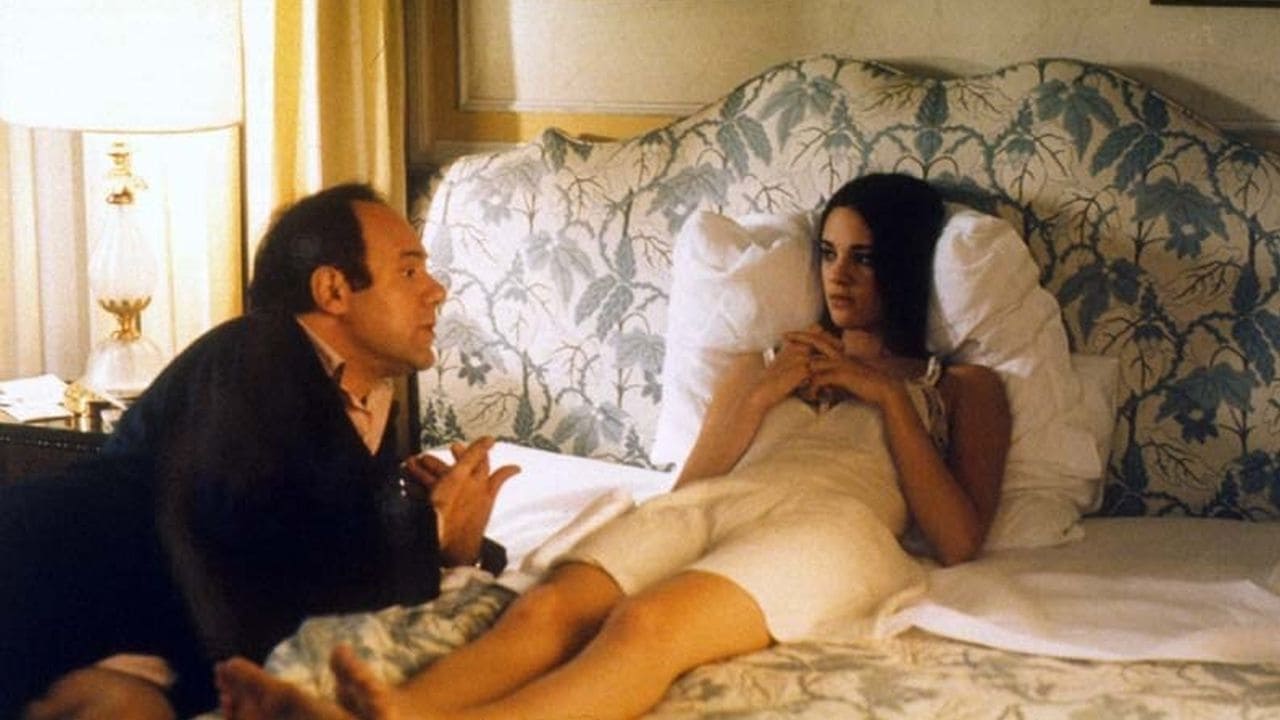
Right off the bat, we meet Gepy (Carlo Verdone himself), a slick, popular, but fundamentally shallow television host riding high on his own success. Verdone, a comedic titan in Italy often known for his portrayals of endearingly neurotic or socially awkward characters (think Compagni di scuola / Schoolmates, 1988), plays Gepy with a brittle confidence that’s instantly recognizable yet subtly different. He’s successful here, at least initially, but you can feel the hollowness behind the camera-ready smile. His downfall is swift and brutal: during a live show discussing disability, Gepy makes a crass, insensitive remark that sends shockwaves through the audience and gets him instantly fired. The rug is pulled, the career implodes. It’s a harsh setup, immediately signaling this film aims for more than easy laughs.
### When Worlds Collide
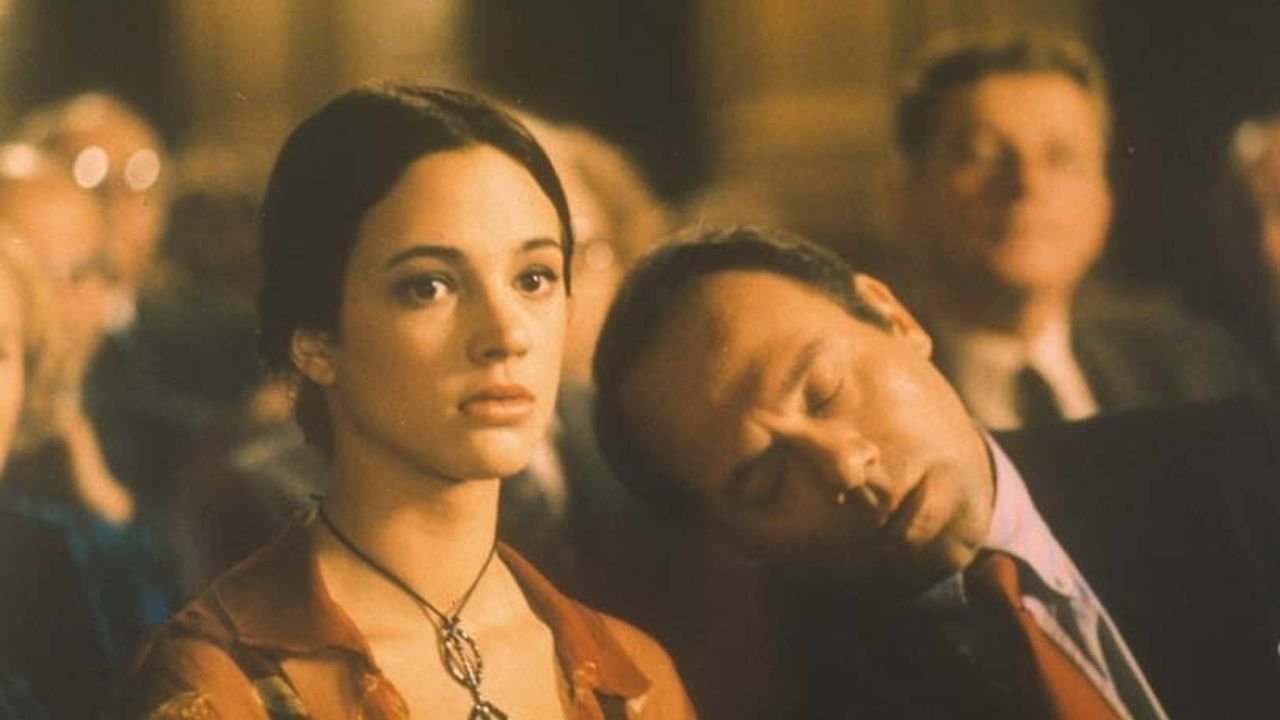
Adrift and professionally radioactive, Gepy has a chance encounter that changes everything. He meets Arianna, played with a captivating, defiant energy by a young Asia Argento. Arianna is sharp, intelligent, cynical, and uses a wheelchair. Argento, already known for her fearless performances and carrying the legacy of her father, horror maestro Dario Argento, is simply magnetic here. She refuses to be defined by her disability or pitied by the disgraced TV host. Their initial interactions crackle with tension – Gepy’s awkward attempts at connection clashing with Arianna’s world-weary pragmatism. It’s this dynamic, this unexpected collision of two people forced to confront their prejudices and vulnerabilities, that forms the core of the film.
Retro Fun Fact: The chemistry between Verdone and Argento clearly resonated. Both actors won the prestigious David di Donatello award (Italy's Oscar equivalent) for their performances in this film – Best Actor for Verdone and Best Actress for Argento. It was a significant critical validation for a film tackling sensitive themes within a popular comedic framework.
### More Than Just Punchlines
What makes Perdiamoci di vista linger in the memory isn't just the setup, but how Carlo Verdone, pulling double duty as writer (with Francesca Marciano) and director, handles the evolving relationship. The film confronts the theme of disability head-on, which, for a mainstream Italian comedy in the early 90s, felt quite bold. Does it handle every aspect with the nuance we might expect today? Perhaps not perfectly, as perspectives evolve, but the intent feels genuine. It’s less about the physical limitations and more about societal attitudes, awkwardness, and the assumptions people make. Arianna is never portrayed as just a victim or an object of pity; she’s a fully fleshed-out character with agency, desires, and a wickedly sharp tongue that often puts Gepy firmly in his place.
The film avoids easy sentimentality. Gepy’s journey isn’t a simple redemption arc; it’s messy, often uncomfortable, as he slowly sheds his superficiality and starts seeing the world, and himself, through a different lens. Verdone masterfully blends his trademark observational humor – capturing the absurdities of everyday Italian life and the cynicism of the media world – with moments of genuine pathos. There’s also a nice supporting turn from the ever-reliable Aldo Maccione as Antonazzi, offering another flavor of comedic presence.
### A Snapshot of the 90s
Watching it now feels like opening a time capsule to early 90s Italy. The fashion, the interiors, the pervasive influence of television – it all feels authentic. The film critiques the very media landscape that made Verdone a star, showing the vapid chase for ratings and the disposable nature of fame. It’s a snapshot of an era grappling with changing social mores and the growing power of broadcast media. The film doesn't rely on pyrotechnics or elaborate stunts, obviously, but its power lies in the emotional impact of the performances and the courage of its premise. The "special effect" here is the raw, honest connection (and conflict) between the two leads.
Retro Fun Fact: Verdone often draws heavily from real life and observation for his characters and scenarios. While Gepy isn’t strictly autobiographical, the pressures and absurdities of the television world depicted likely contain more than a few grains of truth gleaned from Verdone's own experiences in the industry.
Final Verdict:
Perdiamoci di vista might not have been the tape you reached for when you craved explosions or car chases, but finding it felt like uncovering a hidden gem. It’s a thoughtful, funny, and surprisingly moving film anchored by two fantastic performances. Verdone delivers his signature blend of comedy and melancholy, while Argento provides a fiery, unforgettable counterpoint. It tackles its subject matter with commendable bravery for its time, even if some aspects feel rooted in the 90s.
Rating: 8/10 - The score reflects the excellent lead performances, the film's willingness to tackle a challenging theme within a popular format, and Verdone's reliably witty and humane direction. It holds up as a strong example of character-driven Italian comedy-drama from the era.
VHS Rewind Moment: This is the kind of tape that reminds you Italian popular cinema wasn't just slapstick; it could sneak up on you with real substance and leave you thinking long after the credits rolled (and you remembered to rewind, of course). A definite find for fans exploring beyond the usual Hollywood fare.