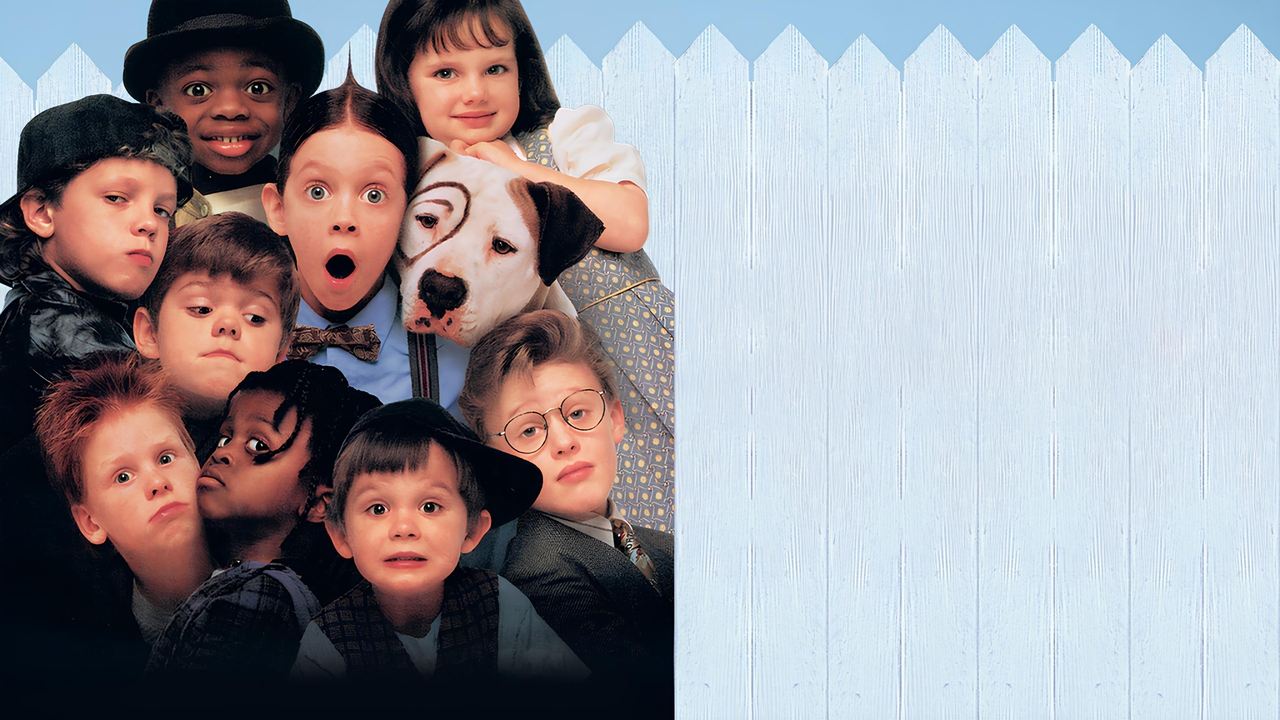
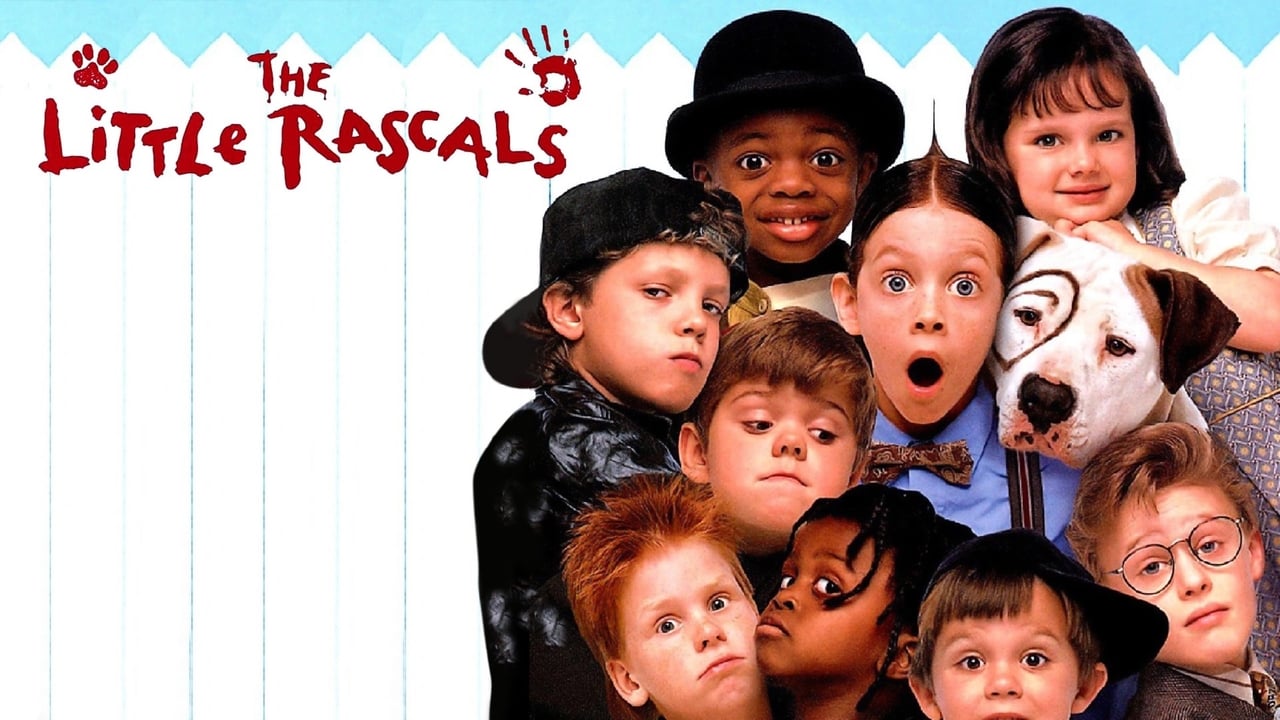
Okay, let's rewind the tape back to 1994. Picture this: the familiar whir of the VCR, the satisfying clunk of inserting the cassette, and then, the Universal logo fades in, promising adventure. For many of us who grew up haunting video store aisles, the bright, goofy cover of The Little Rascals was practically magnetic. It promised pure, unadulterated kid chaos, spearheaded by a group of youngsters declaring war on romance via the infamous "He-Man Woman Haters Club." But who knew that behind this sunny slice of 90s nostalgia was the guiding hand of Penelope Spheeris, the very same director who gave us the head-banging hilarity of Wayne's World (1992) and the gritty Decline of Western Civilization documentaries? Quite the curveball, right?
### Welcome to the Clubhouse
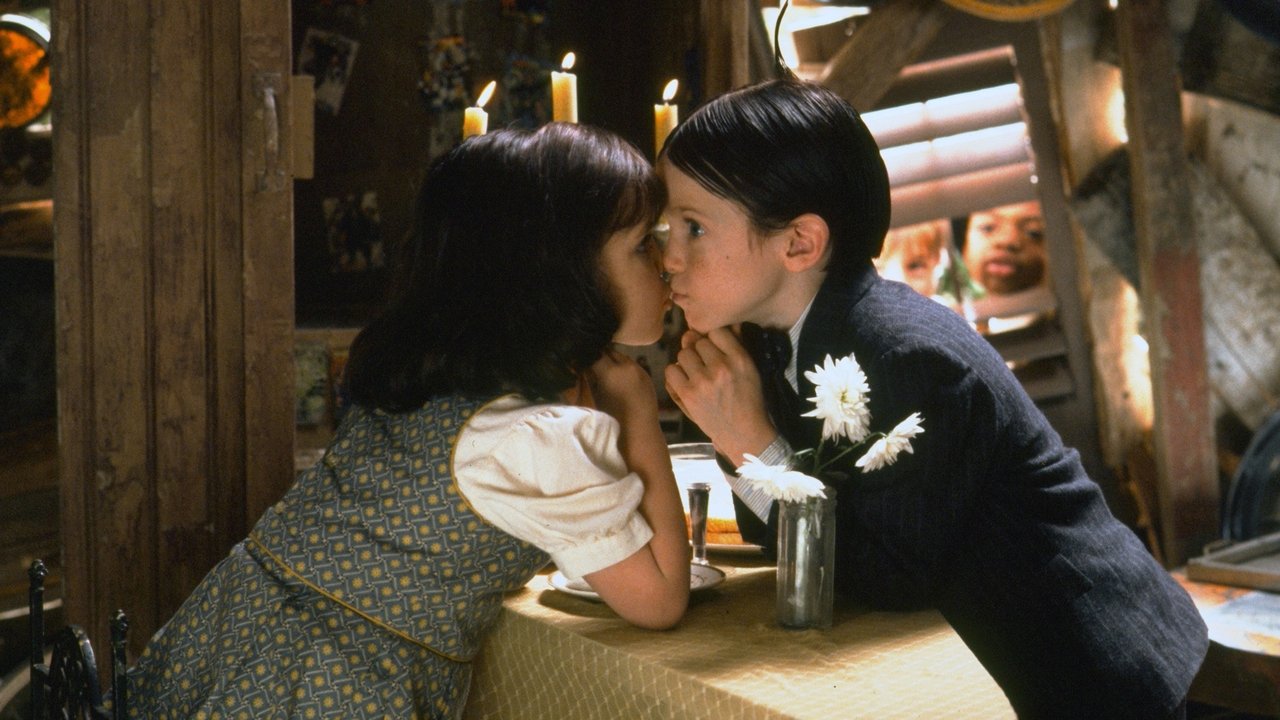
At its heart, The Little Rascals is a love letter to Hal Roach's original Our Gang shorts, lovingly recreating that world of makeshift clubhouses, disastrous talent shows, and the eternal battle of boys versus girls (until puppy love inevitably intervenes). The plot, simple as it is, revolves around the cardinal sin committed by Alfalfa Switzer (Bug Hall, in a performance that perfectly captured Alfalfa's lovesick crooning and iconic cowlick). He's caught canoodling with the delightful Darla (Brittany Ashton Holmes), a betrayal of the highest order to his fellow He-Man Woman Haters, led by the determined Spanky McFarland (Travis Tedford). This rift sets off a chain reaction of schemes, mishaps, and ultimately, a desperate attempt to win the big go-kart race to save their clubhouse.
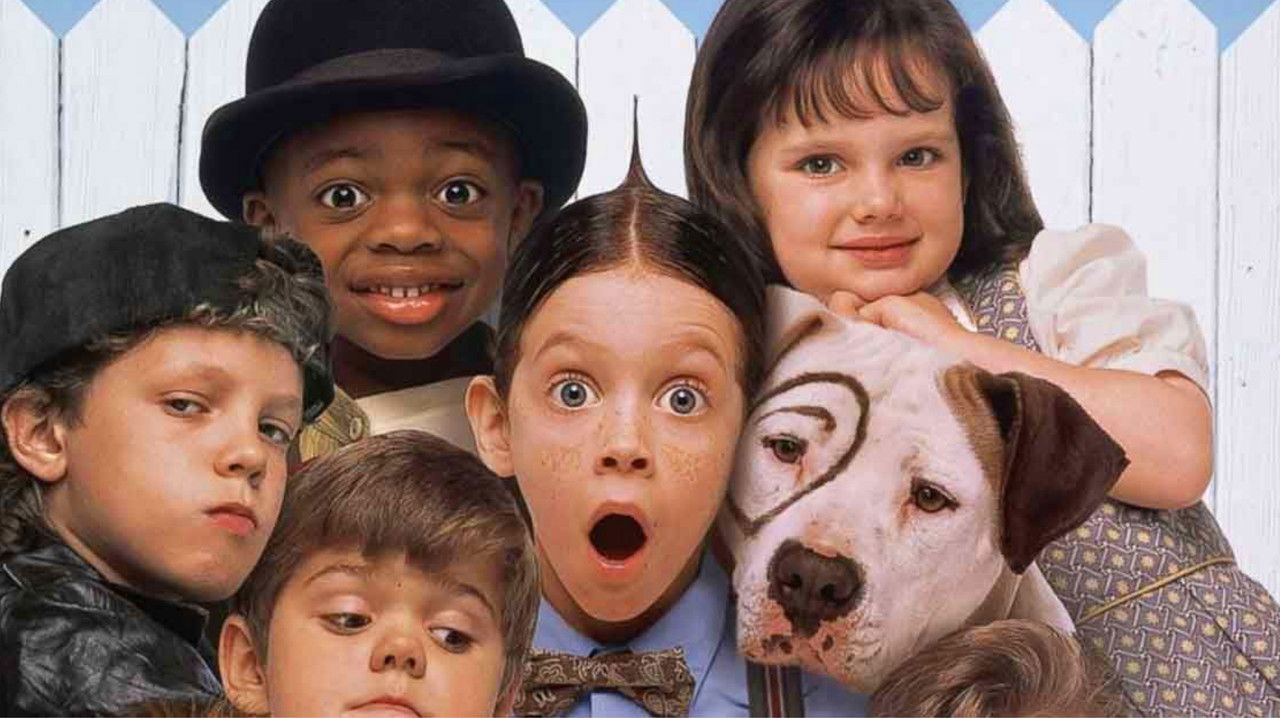
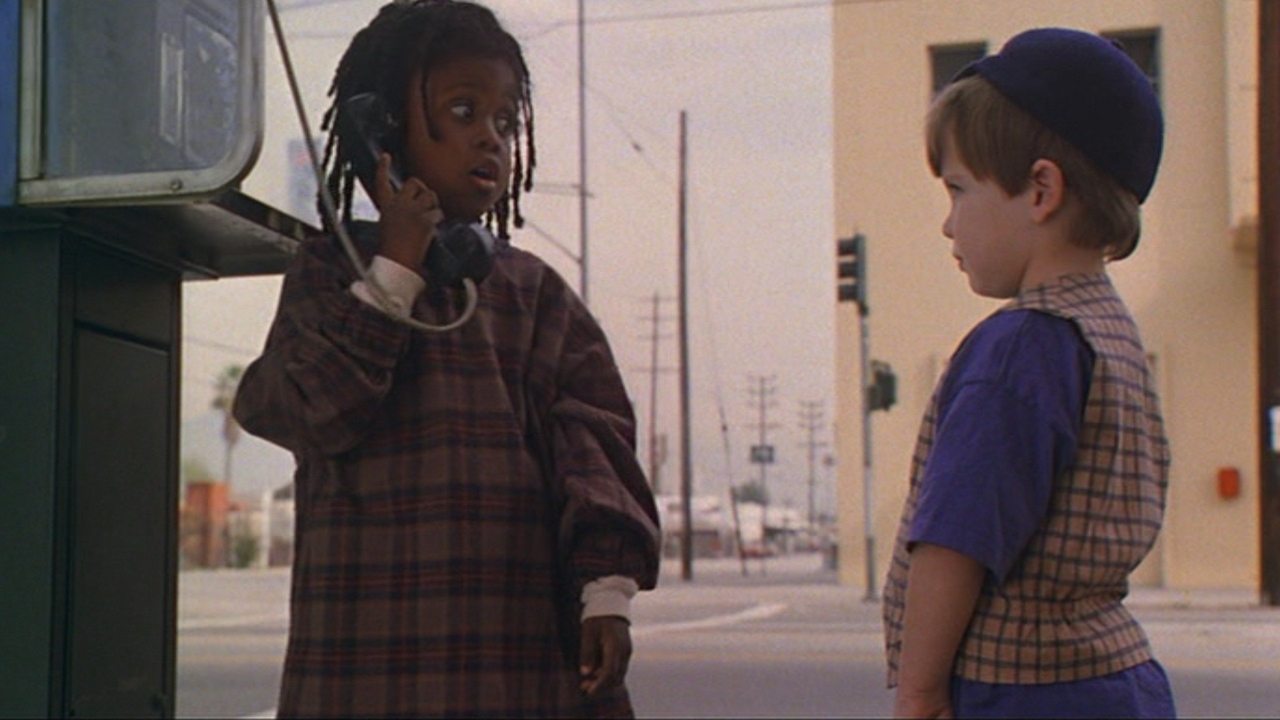
The casting, often a perilous task when dealing with beloved characters and child actors, is arguably one of the film's greatest strengths. It was the result of a massive, nationwide talent search, and Spheeris struck gold. Tedford embodies Spanky's gruff leadership, Hall nails Alfalfa's awkward charm, and Holmes is the perfect object of his affection. Supporting players like Buckwheat (Ross Elliot Bagley), Stymie (Kevin Jamal Woods), Porky (Zachary Mabry), and even the perpetually anxious Froggy (Jordan Warkol) feel like they stepped right out of the black-and-white originals, just splashed with 90s color. They look the part, yes, but more importantly, they capture the spirit – that blend of innocent mischief and surprising earnestness.
### Recapturing Childhood Antics
Spheeris doesn't try to reinvent the wheel here. Instead, she embraces the episodic, gag-driven nature of the source material. The film feels like a series of classic Our Gang scenarios stitched together with the Alfalfa-Darla romance as the main thread. We get the hilarious "bubble trouble" during Alfalfa's serenade, the utterly disastrous ballet recital sabotage (poor Mary Ann!), and, of course, the climactic go-kart derby featuring "The Blur." Remember seeing that rickety marvel blaze across the screen? It felt like the coolest vehicle imaginable back then!
The production design successfully walks the line between nostalgic homage and 90s sensibilities. The clubhouse looks exactly as ramshackle and kid-built as you'd hope, and the costumes feel timelessly appropriate for these characters. While clearly a studio picture, it retains a certain handmade charm that prevents it from feeling overly slick. It taps directly into that childhood fantasy of having your own secret club and embarking on grand, albeit small-scale, adventures with your best pals.
### Retro Fun Facts & Star Gazing
Digging into the making of The Little Rascals reveals some fun tidbits perfect for VHS Heaven dwellers. Spheeris, despite her edgier filmography, was genuinely passionate about the project, being a lifelong fan of the original shorts. Universal Pictures backed her vision with a decent $23 million budget, and the film performed respectably, pulling in around $67 million worldwide – proving there was still an appetite for this brand of wholesome family fun.
Critically, the film received a somewhat lukewarm reception at the time (hovering around a middling 6.3 on IMDb and a rough 23% on Rotten Tomatoes' Tomatometer), but audiences felt differently. The 71% Audience Score on RT tells a truer story – this movie found its people, particularly on home video, where its gentle humor and nostalgic vibes could truly shine. And let's talk cameos! Keep your eyes peeled during the go-kart race and town scenes for blink-and-you'll-miss-them appearances by the likes of Whoopi Goldberg, Mel Brooks, Reba McEntire, Raven-Symoné, a pre-presidential Donald Trump (as Waldo's dad, fittingly), and even Mary-Kate and Ashley Olsen. It adds another layer of fun for repeat viewings – a true 90s time capsule!
### Enduring Sweetness
Does The Little Rascals hold up perfectly? Perhaps not entirely. Some gags feel a bit worn, and the pacing occasionally dips. But criticizing it too harshly feels like missing the point. This isn't high art; it's cinematic comfort food, a warm hug from a simpler time. It's about the innocent absurdity of childhood friendships, rivalries, and first crushes, all delivered with a wink and a smile. The film radiates a genuine sweetness that's hard to resist, even decades later. It reminds us of scraped knees, secret handshakes, and the belief that maybe, just maybe, you could build a go-kart fast enough to save the day.
For those of us who wore out our VHS copy, watching Alfalfa try (and fail) to be suave, or Spanky rally the troops, feels like revisiting old friends. It captured a specific kind of lighthearted, slightly chaotic energy that defined many family comedies of the era, but with a unique connection to Hollywood's golden age.
VHS Heaven Rating: 7/10
Justification: While its plot is simple and some humor feels dated, The Little Rascals (1994) succeeds beautifully in its primary goal: capturing the innocent spirit and chaotic charm of the original Our Gang shorts for a new generation. Stellar child casting, Penelope Spheeris' affectionate direction, surprisingly fun cameos, and a genuine warmth make it a highly rewatchable piece of 90s nostalgia. It might not be complex, but it delivers exactly the kind of lighthearted fun it promises, earning it a solid place in the hearts (and VCRs) of many.
It’s one of those tapes you could just pop in and let play, a guaranteed mood-lifter full of goofy charm and the comforting reminder that even He-Man Woman Haters can eventually see the light. Otay!