Okay, let's dim the lights, maybe crack open a soda, and settle back into that familiar feeling of pulling a well-loved tape from its slightly worn cardboard sleeve. Today, we're revisiting a film that perhaps didn't shout from the blockbuster shelves but resonated with a quiet warmth and surprising depth: Corrina, Corrina from 1994. What lingers most powerfully, even decades later, isn't necessarily a single explosive scene, but the pervasive sense of gentle melancholy pierced by moments of genuine connection.

### Beyond the Premise: Finding Light in Loss
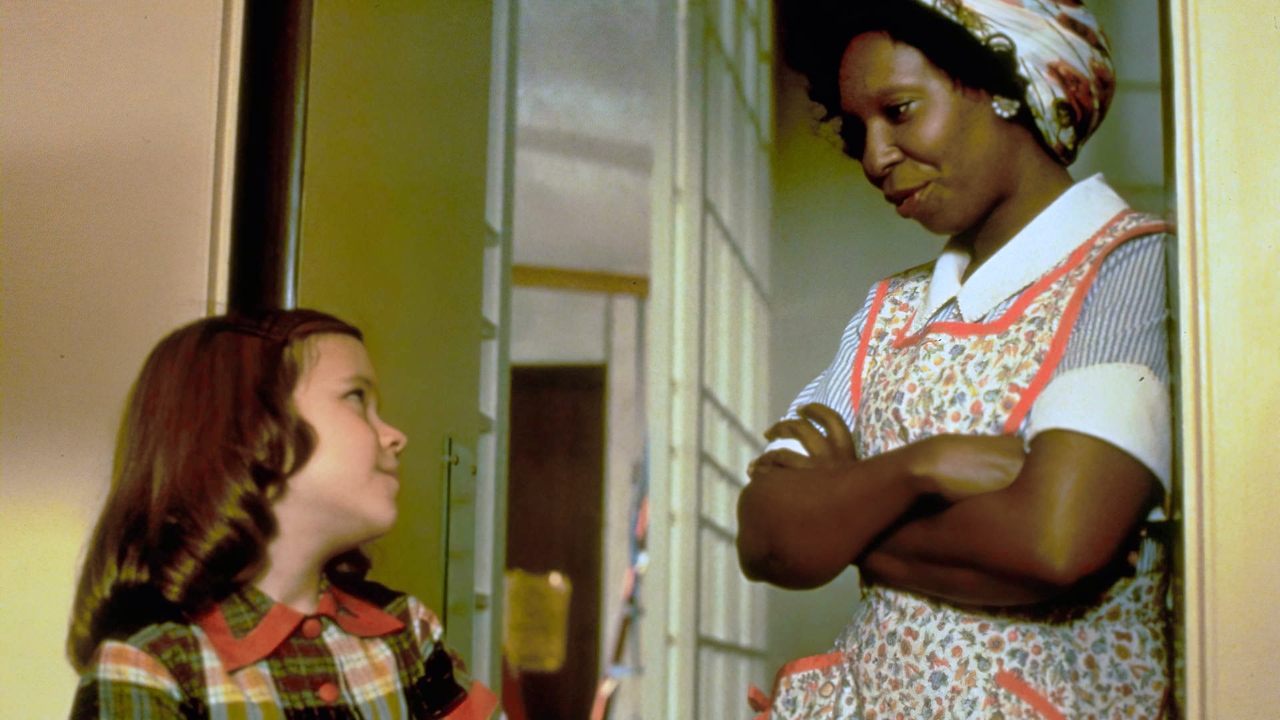
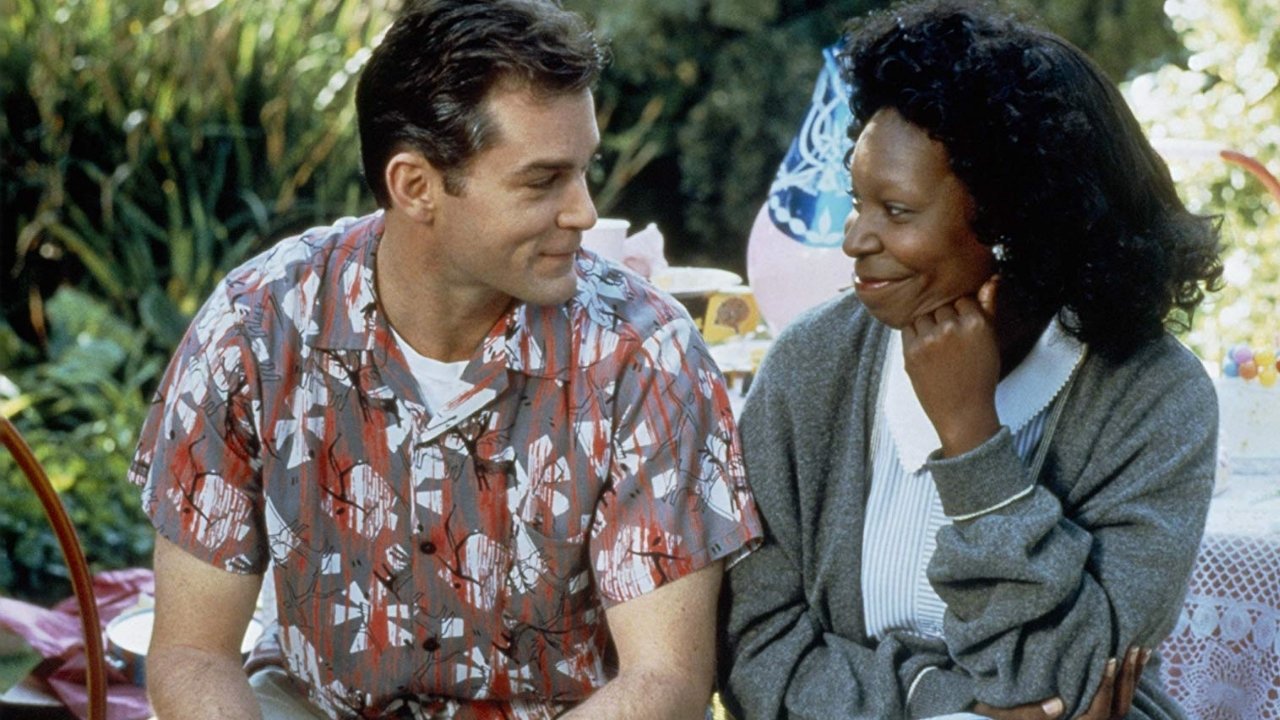
Set against the backdrop of 1950s America, the story centers on Manny Singer (Ray Liotta), an advertising jingle writer suddenly widowed and left to care for his young daughter, Molly (Tina Majorino), who has withdrawn into silence following her mother's death. Desperate, Manny hires a housekeeper, Corrina Washington (Whoopi Goldberg), an intelligent, vibrant woman who gradually chips away at Molly's grief-stricken shell and, inevitably, sparks something unexpected within Manny himself.
On paper, it might sound like familiar territory – the grieving family, the magical caregiver – but Corrina, Corrina sidesteps many potential clichés thanks to its measured pace and, crucially, the authenticity of its central performances. This wasn't the high-octane Liotta of Goodfellas (1990), nor the purely comedic Goldberg many knew from Sister Act (1992). Instead, we witnessed a shared vulnerability that felt remarkably real.
### The Heart of the Matter: Performances That Resonate
Whoopi Goldberg truly shines here, bringing a grounded intelligence and warmth to Corrina. She’s not just a plot device to heal the Singers; she's a woman with her own life, aspirations, and experiences, subtly navigating the racial prejudices of the era while forming a genuine bond with Molly and Manny. There’s a quiet dignity in her portrayal, a sense that she understands loss and loneliness in ways Manny is only beginning to grasp. It feels less like acting and more like observing a real person navigating complex emotional terrain. Remember her trying to coax Molly out of her silence? There's a patience and empathy there that feels earned, not scripted.
And Ray Liotta... what a revelation it was to see him in this role. Stripped of his usual intensity, he presents Manny as adrift, overwhelmed, and touchingly awkward. His grief isn't histrionic; it's a heavy cloak he wears, evident in his slumped shoulders and uncertain glances. The chemistry between Liotta and Goldberg develops organically, built on shared moments of understanding and tentative smiles. It’s a relationship grounded not in grand romantic gestures, but in the quiet comfort of finding an ally in the midst of sorrow.
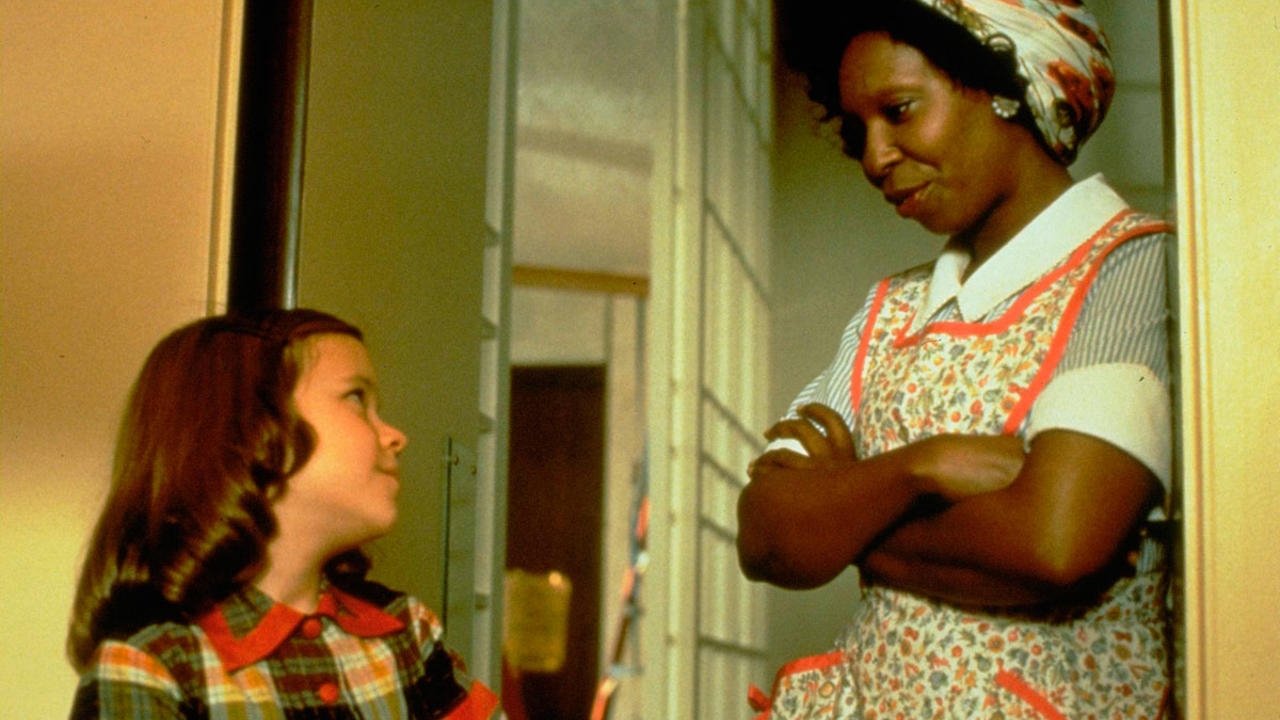
But perhaps the film's most powerful anchor is young Tina Majorino. In a role that requires profound emotional depth with minimal dialogue, she is simply astonishing. Her silence isn't emptiness; it's a palpable expression of pain. You see the world through her watchful eyes, feel her tentative steps back towards engagement. It’s a performance that avoids sentimentality, instead conveying the stark reality of a child grappling with the unimaginable. Finding an actor who could carry that weight was critical, and Majorino delivered a performance wise beyond her years.
### A Touch of Reality Behind the Scenes
Interestingly, Corrina, Corrina was the directorial debut for writer Jessie Nelson, who drew inspiration from her own life experiences. Knowing this adds another layer of sincerity to the film's emotional core. Nelson reportedly based the character of Molly on aspects of her own childhood experiences with selective mutism after a significant loss. This personal connection likely guided the film's gentle hand and focus on emotional authenticity over melodrama. The film, made on a budget of around $22 million, found moderate success, grossing about $37 million worldwide, suggesting it connected with audiences looking for something more heartfelt amidst the summer blockbusters. It wasn't a runaway hit, but like a cherished VHS tape passed amongst friends, its reputation grew through word-of-mouth for its emotional resonance.
The 1950s setting is more than just window dressing. It allows the film to subtly explore themes of race and societal expectations without overwhelming the central story of grief and connection. Corrina’s presence in Manny’s predominantly white world raises eyebrows, and the film doesn't shy away from depicting those small, ingrained prejudices. It’s handled with a light touch, but it adds a crucial layer of context to the barriers these characters are navigating, both internal and external. Doesn't it make their eventual connection feel even more significant, crossing lines drawn by both grief and society?
### Lingering Thoughts After the Rewind
What makes Corrina, Corrina endure isn't spectacle, but subtlety. It’s in the quiet moments: Corrina and Molly sharing a secret, Manny fumbling through a conversation, the gradual return of laughter to a quiet house. It tackles profound themes – grief, racism, found family, the courage to love again – with a grace and sensitivity that feels increasingly rare. Watching it again now, perhaps decades after that first rental store discovery, its emotional honesty still hits home. It reminds us that healing often comes not through grand pronouncements, but through quiet understanding and the simple presence of someone who truly sees us. It taps into that specific 90s vein of heartfelt drama that felt both earnest and hopeful.

Rating: 8/10
This score reflects the film's powerful and authentic performances, particularly from the central trio, its sensitive handling of complex emotional themes, and its warm, inviting atmosphere. While the plot might follow certain familiar beats, the execution elevates it beyond formula. It earns its emotional moments honestly, leaving a lasting impression of hope found in unexpected places.
Final Thought: Corrina, Corrina remains a comforting, moving piece of 90s cinema – a reminder that sometimes the quietest films speak the loudest truths about the human heart. It’s one of those tapes you return to not for thrills, but for its gentle, reassuring warmth.