Alright, pull up a comfy chair, maybe crack open something cold – tonight we're diving headfirst into the glorious, chaotic, and undeniably German world of 1994’s Voll Normaaal. If you haunted the comedy shelves of your local video store in Germany during the mid-90s, this tape, with its loud cover and promise of pure anarchy, was likely staring back at you. It wasn't subtle, it wasn't sophisticated, but man, did it hit a nerve.
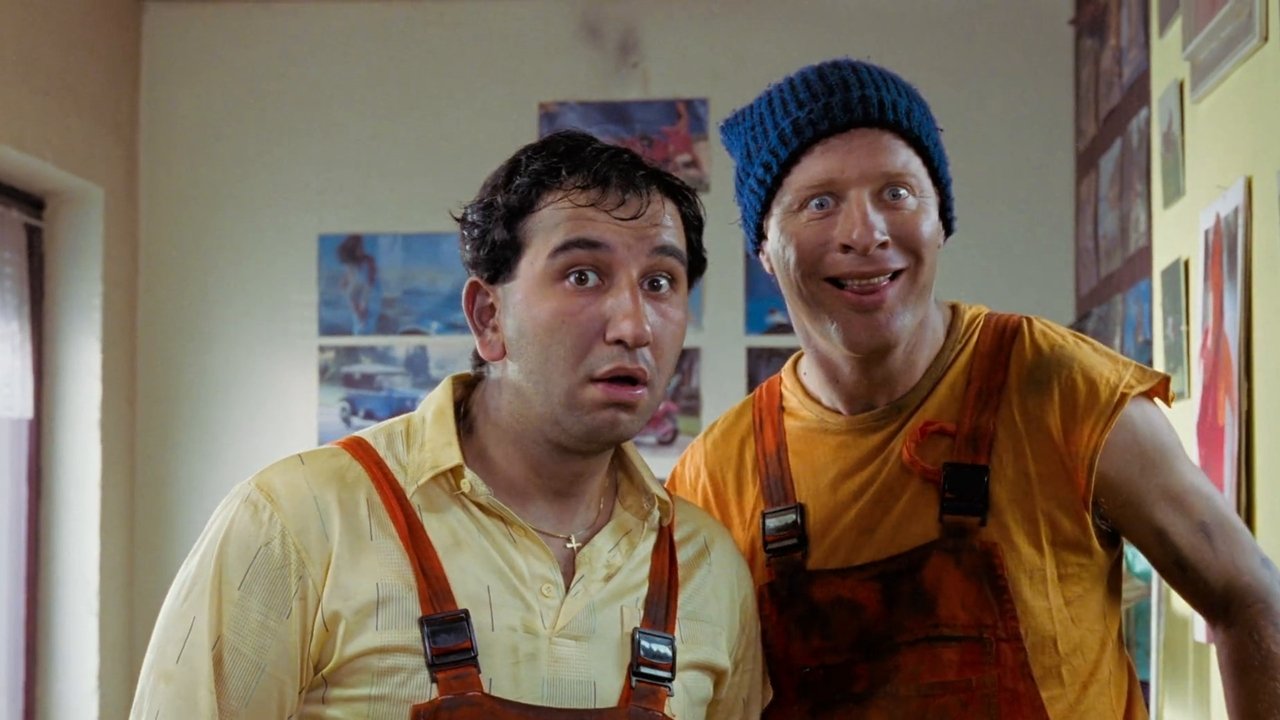
For the uninitiated, Voll Normaaal plunges us into the life of Tommie (Tom Gerhardt), a perpetually horny, unemployed layabout living in the gritty Cologne suburb of Kalk. Decked out in his signature bowl cut, questionable tracksuits, and driving a beat-up Ford Capri (though his dream is an Opel Manta, naturally), Tommie navigates life with his equally clueless best mate Mario (Hilmi Sözer). Their goals are simple: score with girls (specifically, the lovely Gianna, played by Veronica Ferres), fix Tommie's perpetually malfunctioning car, and generally cause mayhem.
### Ey, Boah! The Birth of a Phenomenon
What makes Voll Normaaal stand out isn't some intricate plot, but the sheer, unadulterated energy brought by Tom Gerhardt. This wasn't just an acting role; Tommie was a character Gerhardt had honed on stage, a walking caricature of certain working-class German male stereotypes dialed up to eleven. Gerhardt, who also co-wrote the screenplay with his co-star Hilmi Sözer, throws himself into the role with a commitment that’s both baffling and strangely compelling. His grunts, his catchphrases ("Ey, Boah!", "Normaaal!"), his physical comedy – it’s a performance that feels less like acting and more like possession. Interestingly, this movie wasn't some studio executive's grand plan; it grew organically from Gerhardt's popular stage shows, tapping directly into an existing fanbase hungry for his specific brand of humor.
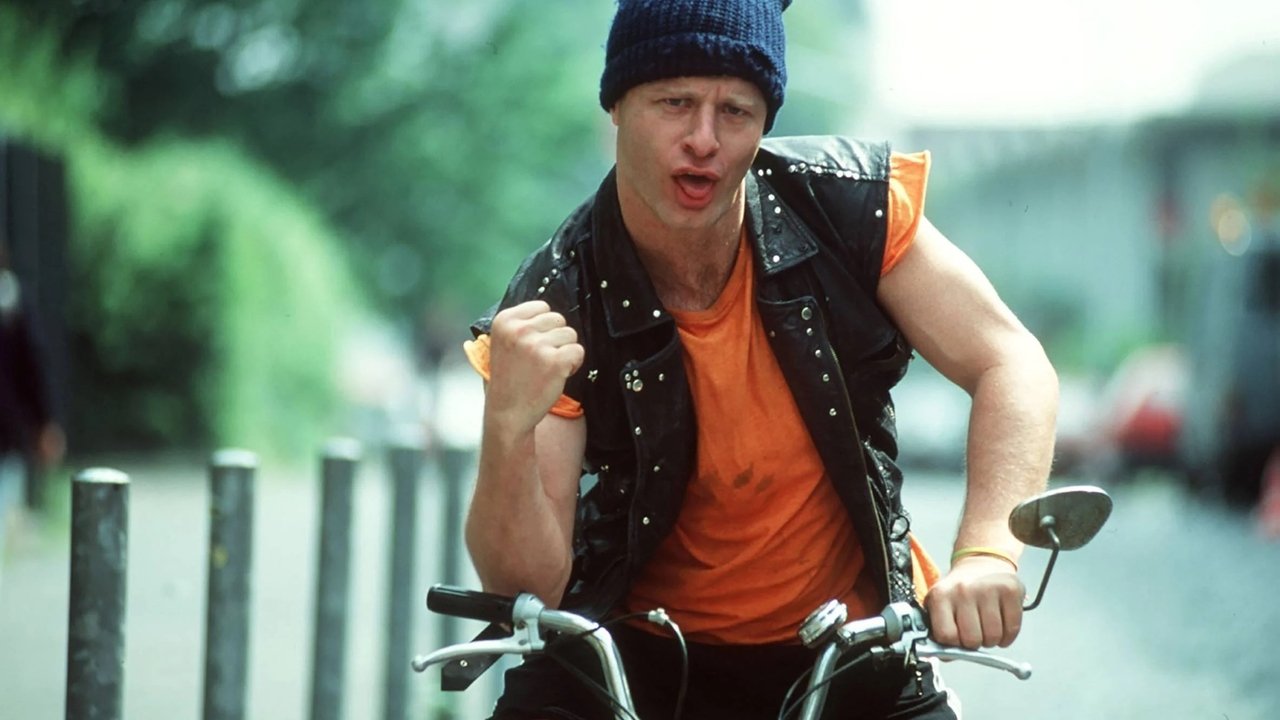
The direction by Ralf Huettner (who later directed the charming Vincent Wants to Sea) doesn't aim for cinematic poetry. Instead, it captures the grime and mundanity of Tommie's world effectively, letting the performances and situations provide the fireworks. It feels grounded, almost documentary-like in its depiction of Kalk, which makes the ensuing absurdity even funnier. Much of the film was shot on location, giving it an authentic backdrop that adds to the film's specific regional charm – this wasn't some generic Anywhereville, this was Cologne.
### Comedy Without a Safety Net
Let's talk about the feel of the comedy here. This isn't witty banter or clever satire. This is cringe comedy, slapstick, and gross-out humor served raw. Think bodily fluids, disastrous dates, public humiliation, and property destruction. There's a certain lack of polish, a rough-around-the-edges quality that feels very much of the VHS era. Watching it now, some of the gags might feel dated or even problematic, but back then, there was an undeniable thrill to its sheer lack of restraint. It felt like comedy without a filter, something you wouldn't see on mainstream TV. Remember how utterly chaotic that party scene felt, or the sheer desperation in Tommie's attempts to impress Gianna? It was relentless.
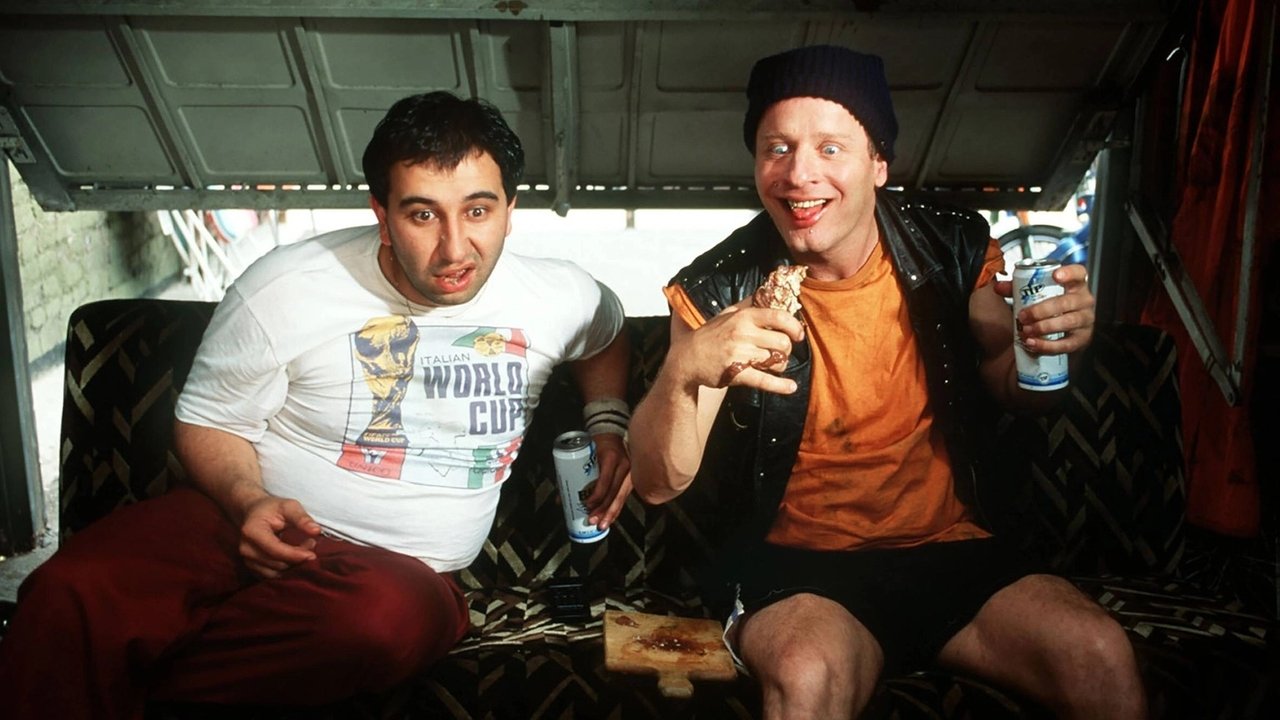
This wasn’t a critical darling by any means upon release. Many reviewers dismissed it as low-brow and vulgar. But audiences? They loved it. Voll Normaaal became a massive box office success in Germany, reportedly drawing over a million viewers to cinemas – a huge number for a domestic comedy at the time. It wasn't just a movie; it was a cultural moment, embedding Tommie's catchphrases into the playground and pub vernacular across the country. This audience connection cemented its cult status, proving that sometimes, critical acclaim matters less than hitting a comedic sweet spot for the masses.
### More Than Just Tommie
While Gerhardt is the undeniable centre of gravity, the film wouldn't work without the supporting players. Hilmi Sözer as Mario is the perfect loyal, slightly-less-dim sidekick, grounding Tommie’s excesses just enough. And Veronica Ferres, already a rising star in Germany, brings a surprising amount of charm and patience to the role of Gianna, the object of Tommie’s frequently misguided affections. She manages to seem somewhat attainable yet utterly out of his league, which fuels much of the comedic tension. Even the smaller roles feel authentic to the milieu the film depicts.
The film’s success inevitably led to a sequel, Ballermann 6 (1997), which took Tommie and Mario to the infamous party island of Mallorca, further solidifying their status as icons of a certain kind of German humor. While arguably less focused than the original, it proved the characters had legs (and an enduring appeal for holiday-fueled chaos).
### The Verdict
Voll Normaaal is a time capsule. It's a brash, loud, and often crude snapshot of mid-90s German popular comedy. Does the humor translate perfectly today, or outside of Germany? Maybe not entirely. Some jokes land with a thud, and the relentless nature of Tommie's obnoxiousness can wear thin. But viewed through the lens of nostalgia, understanding its context and impact, it’s undeniably fascinating and, for those who remember it, often hilarious. It captures a specific energy – unapologetic, regional, and completely committed to its own brand of low-brow chaos.
Rating: 6.5 / 10
Why this score? It’s a significant German cult classic that perfectly nailed its target audience and cultural moment, achieving huge success despite critical dismissal. Tom Gerhardt's performance is iconic for what it is, and the film has genuine nostalgic value. However, the humor is undeniably crude, hasn't aged universally well, and its appeal might be limited outside its original cultural context. It's rated more for its impact and cult status than for timeless comedic brilliance.
Final Thought: Like finding a worn-out tape of a concert film for a band only you and your friends seemed to love, Voll Normaaal offers a potent, if slightly grimy, hit of nostalgia – a reminder of a time when comedy could be defiantly local, unapologetically stupid, and somehow, totally endearing. Ey, Boah!