Okay, settle back into that comfy armchair, maybe imagine the satisfying clunk of a VHS tape sliding into the VCR. We’re not just revisiting a movie today; we're plugging back into a high-energy temporal whirlwind. Few sequels ever dared to be as intricately ambitious or wildly inventive as Robert Zemeckis's 1989 follow-up, Back to the Future Part II. It wasn't content merely continuing the story; it decided to fold time back onto itself, creating a paradoxically thrilling ride that left our jaws on the shag carpet back in the day. This wasn't just more Back to the Future; it was the original film supercharged, sent spinning into the future, and then thrown into a terrifying alternate present.
Welcome to the Future... Almost
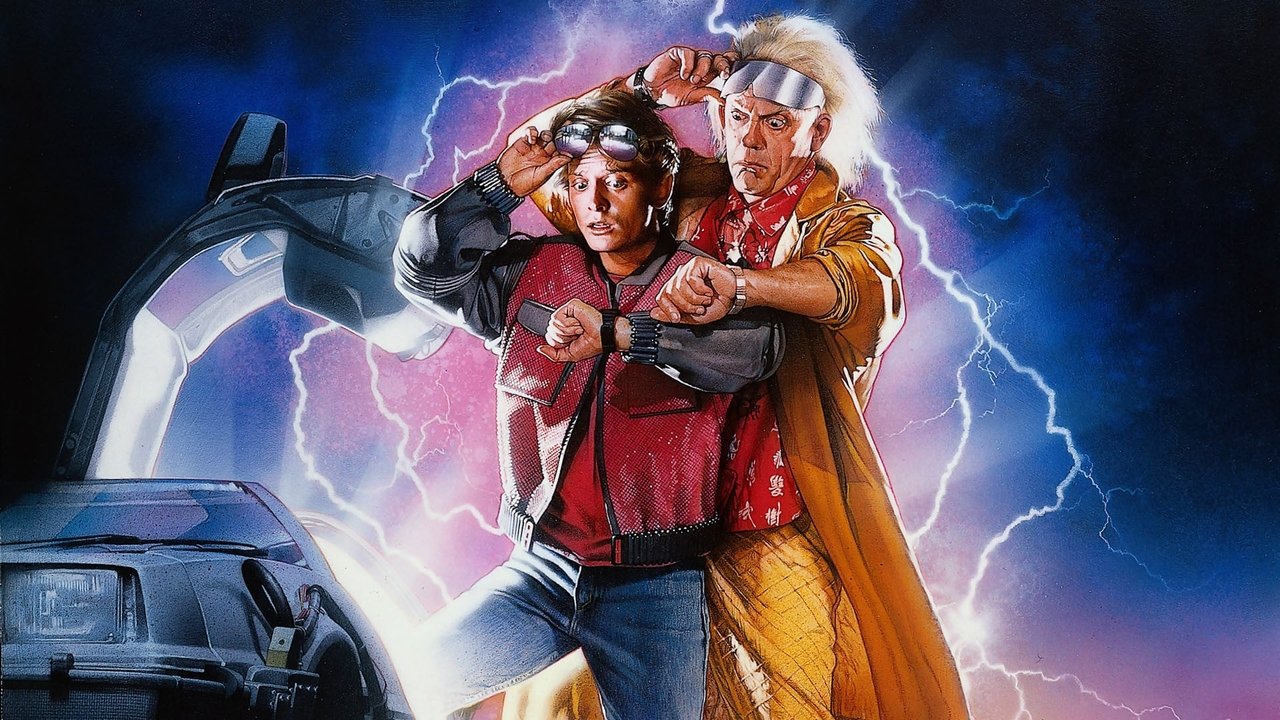
The original film charmed us with the quirky nostalgia of 1955. Part II, however, flung Marty McFly (Michael J. Fox, pulling quadruple duty by the end!) and Doc Brown (Christopher Lloyd, more brilliantly frantic than ever) into the far-flung future of... 2015. Watching it now offers a double dose of nostalgia: nostalgia for the 80s viewing experience, and a wry chuckle at the 1989 vision of what 2015 would hold. Flying cars jamming the skyways, holographic movie ads (Jaws 19!), self-lacing Nikes, rehydrating pizzas, and yes, those hoverboards. We all desperately craved a Pit Bull hoverboard after seeing Marty effortlessly glide away from Griff Tannen's gang, didn't we? The sheer visual imagination on display was, and frankly still is, astonishing. Zemeckis, working again with co-writer Bob Gale, didn't just predict technology; they satirized consumer culture with places like Cafe 80s, a spot dripping with the very nostalgia we now feel for the film itself. It’s layers upon layers, folks.
Creating this future wasn't easy. The visual effects, particularly scenes where characters interacted with their past or future selves (sometimes multiple versions in one shot!), pushed the boundaries of late-80s technology. Industrial Light & Magic (ILM) developed a groundbreaking motion-control camera system called VistaGlide specifically for the intricate split-screen compositions needed to have Michael J. Fox convincingly play Marty Sr., Marty Jr., and daughter Marlene alongside his 1985 self. The meticulous planning required is mind-boggling, especially considering it was all done optically, long before digital compositing became commonplace. And the hoverboards? Zemeckis playfully fueled rumors for years that they were real but withheld due to safety concerns, a brilliant bit of marketing myth-making that added to the film's allure. I distinctly remember playground arguments fueled entirely by that possibility.
When Paradoxes Collide
Where Part II truly elevates itself beyond a simple sequel is its daring narrative structure. The plot, driven by old Biff Tannen stealing the DeLorean to give his younger self a sports almanac, creates a nightmarish alternate 1985 – a corrupt, casino-run Hill Valley under Biff's tyrannical thumb. This darker timeline, with Lea Thompson playing a drastically altered Lorraine and Thomas F. Wilson absolutely relishing his role as the monstrously powerful Biff, gave the film surprising grit. It wasn't just fun and games anymore; the stakes felt genuinely high.
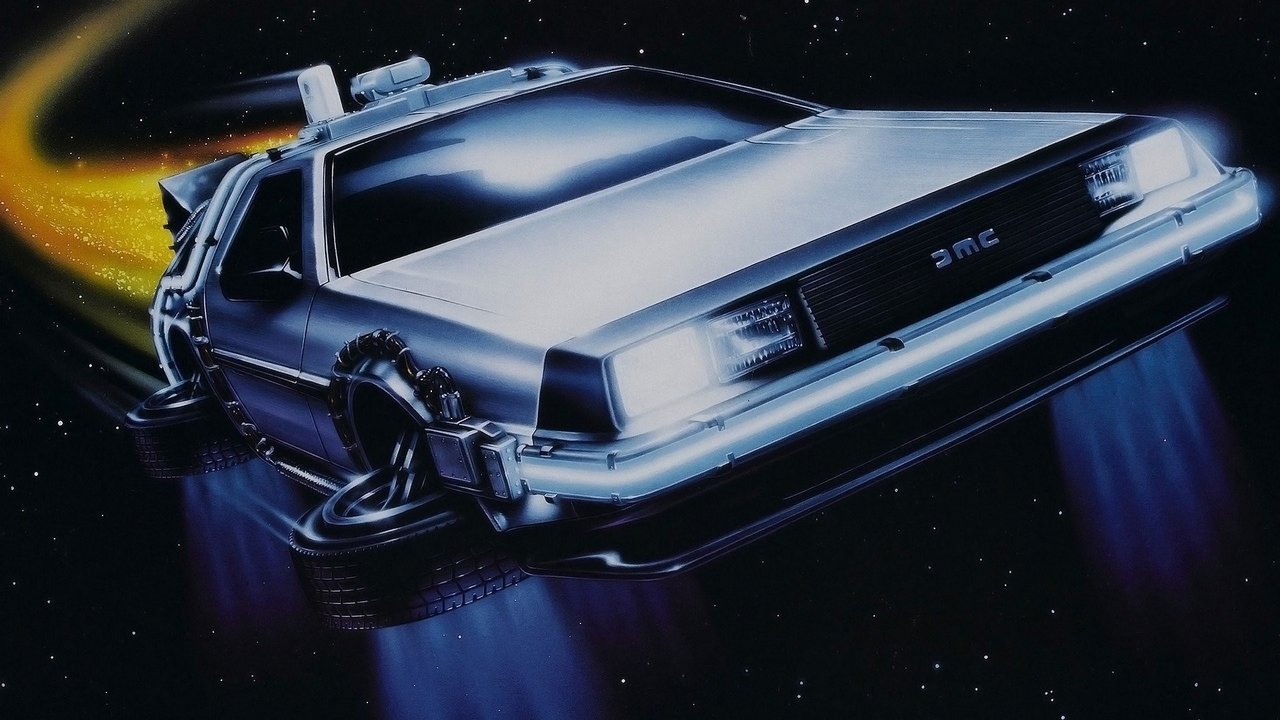
Then came the masterstroke: sending Marty and Doc back to 1955, forcing them to navigate the events of the first film without disrupting their own previous interventions. This sequence is cinematic clockwork, brilliantly restaging iconic moments from a new perspective. Seeing the "Enchantment Under the Sea" dance or the skateboard chase from different angles felt like uncovering hidden levels in a beloved video game. It required audiences to pay close attention, rewarding them with clever callbacks and near-misses. This intricate plotting was a gamble, potentially confusing viewers, but Zemeckis’s energetic direction and Alan Silvestri's pulse-pounding score keep things remarkably coherent, even exhilarating.
Behind the Temporal Curtain
The production itself was a feat of logistics. Back to the Future Part II and Part III were famously filmed back-to-back over 11 months, a grueling schedule for cast and crew. This ambitious plan allowed them to maximize resources and keep the creative momentum going, delivering the complete trilogy within just five years of the original. The budget for Part II alone was around $40 million, a significant investment, but it paid off handsomely, grossing over $332 million worldwide, proving audiences were more than ready for complex, high-concept blockbusters.
Of course, there was the notable absence of Crispin Glover as George McFly (reportedly due to contractual disagreements). The filmmakers creatively worked around this, using archived footage, clever framing, and even prosthetics on another actor (Jeffrey Weissman) for brief appearances – a decision that later led to a landmark lawsuit regarding actors' likenesses. Keep an eye out during the 2015 scenes too, for a blink-and-you'll-miss-it screen debut from a very young Elijah Wood (future star of The Lord of the Rings trilogy) playing one of the kids trying out the Wild Gunman arcade game. Small details like these make rewatching these classics so rewarding.

Heavy Stuff, Handled with Style
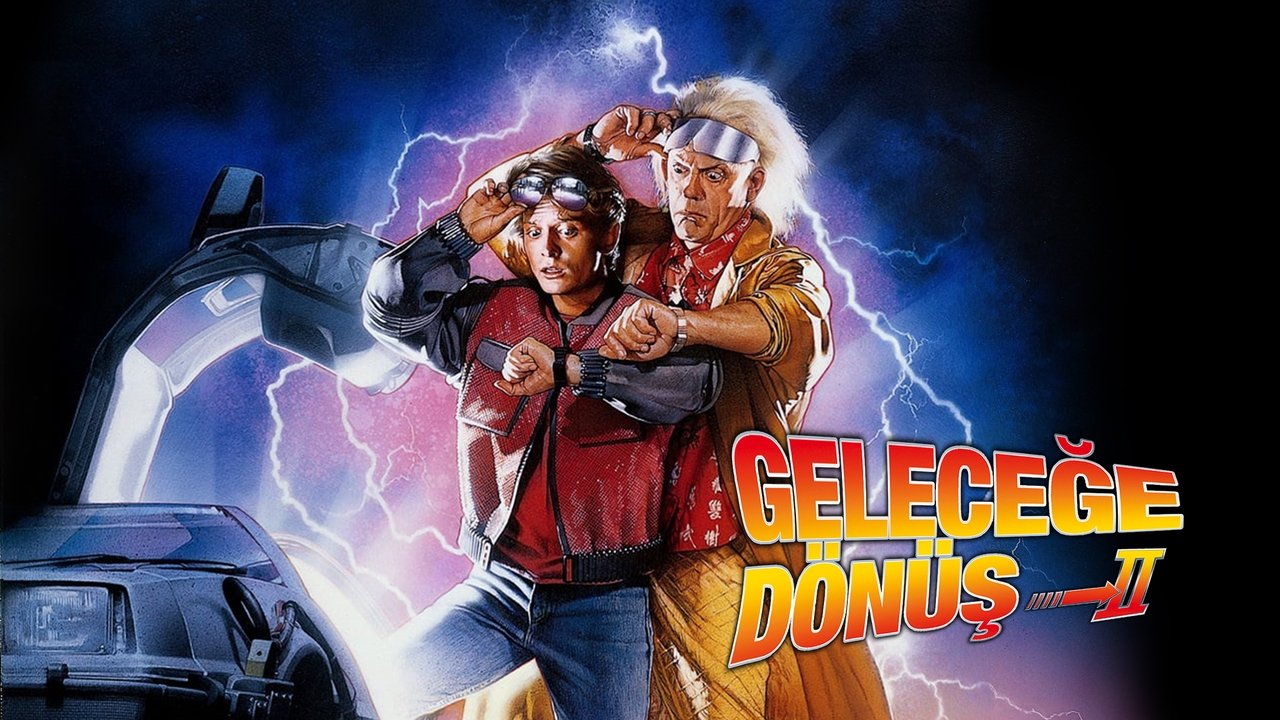
Back to the Future Part II isn't perfect. Its plot is dense, sometimes dizzyingly so, and the future tech, while imaginative, feels distinctly rooted in 80s aesthetics. Some find the tone darker or less charming than the original. Yet, its sheer audacity is undeniable. It refused to be a safe retread, opting instead for narrative complexity and visual spectacle. It expanded the world, deepened the characters' challenges, and set the stage brilliantly for the Western-themed conclusion in Part III.
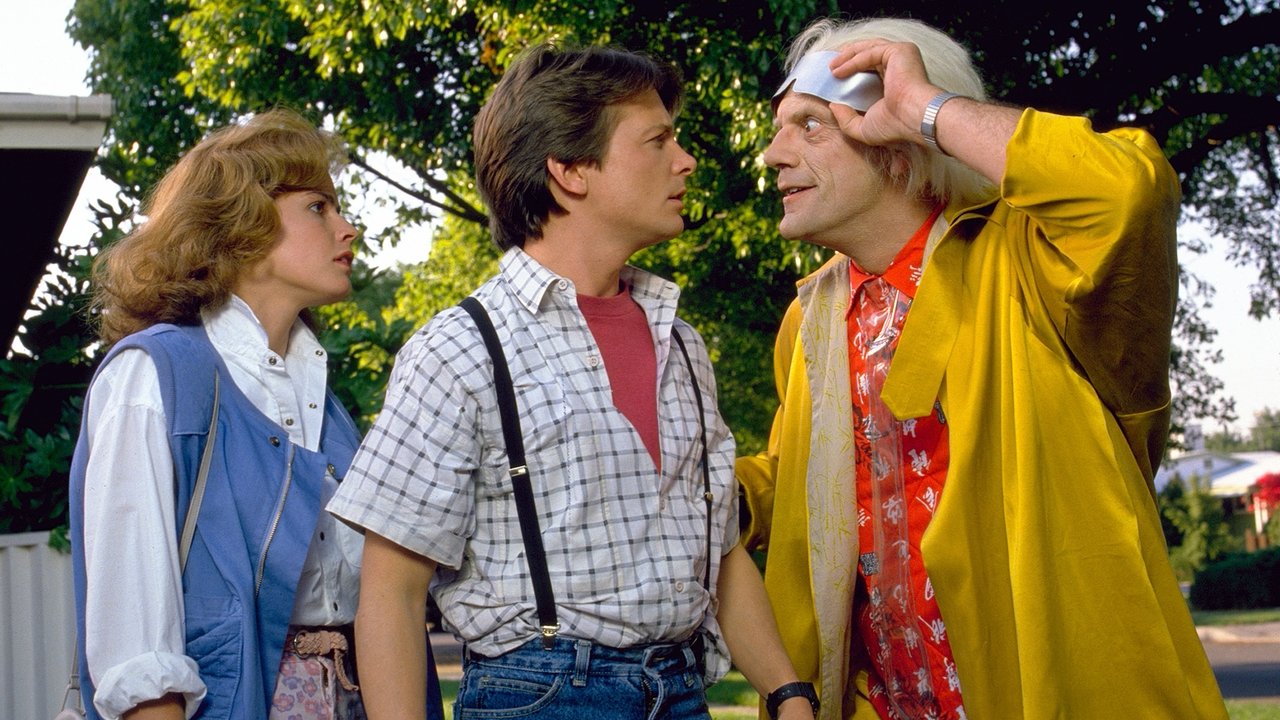
It’s a film that juggles multiple timelines, multiple versions of characters, and a heap of exposition, yet somehow remains incredibly fun. It’s a testament to the tight scripting, Zemeckis’s confident direction, and the enduring appeal of Fox and Lloyd’s central partnership. Watching it on VHS back then felt like holding a piece of the future, a future that was maybe a little messy, a bit dangerous, but undeniably exciting.
Rating: 9/10
This score reflects the film's incredible ambition, technical prowess for its time, and sheer entertainment value. While perhaps not quite as perfectly formed as the original, its willingness to take risks and its complex, rewarding narrative structure make it one of the boldest and most memorable sequels of the era. It might tie your brain in knots occasionally, but what a thrilling ride it is.