Ah, the unmistakable sight of that little Gaulish village, perpetually holding out against the might of Rome. Flickering onto the CRT screen, the 1989 animated feature Asterix and the Big Fight (Astérix et le Coup du Menhir) always felt like settling in with old friends – albeit friends capable of punching entire Roman legions into the sky. It wasn't perhaps the most widely circulated Asterix adventure on VHS here compared to, say, The Twelve Tasks of Asterix (1976), but finding that tape on the rental shelf was always a guarantee of boisterous, charmingly European animated fun.
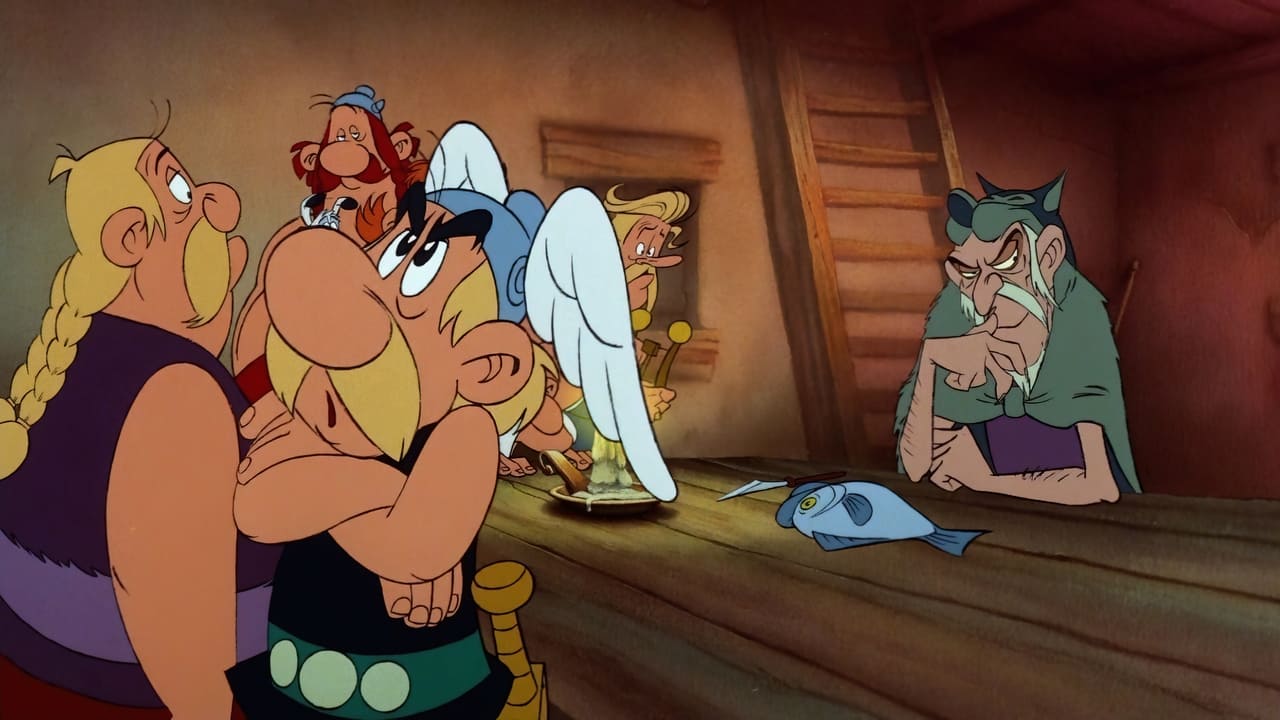
This particular adventure kicks off with a classic case of comic calamity. Our beloved, potion-brewing druid Getafix suffers a rather nasty knock on the head from a menhir accidentally tossed by the ever-lovable, boar-devouring Obelix (Pierre Tornade, the definitive voice for the big lug in French). The result? Total amnesia and a worrying tendency to brew potions that cause psychedelic colour changes or uncontrollable floating. This couldn't happen at a worse time, naturally. A slimy, conniving soothsayer named Prolix (Julien Guiomar) has wandered into the nearby Roman camp, convincing the easily spooked Centurion (Roger Lumont) that he holds the key to conquering the indomitable Gauls. Worse still, the Romans pressure a Gallo-Roman chieftain to challenge our own Chief Vitalstatistix to the titular "Big Fight," a tribal custom where the winner takes control of the loser's village. Without Getafix and his magic potion, our heroes are in quite the pickle.
### A Tale of Two Albums
What set Asterix and the Big Fight apart, and perhaps made its narrative feel a little more layered than some other adaptations, was its clever blending of two classic comic albums penned by the legendary duo René Goscinny and Albert Uderzo. Director Philippe Grimond, working with writers Yannick Voight and Adolf Kabatek (alongside Grimond himself), expertly combined the core plot of 1966's Le Combat des chefs (where Getafix gets amnesia before the crucial fight) with the more atmospheric, slightly sinister storyline of 1972's Le Devin (featuring the manipulative Soothsayer). This fusion works surprisingly well, giving Asterix (Roger Carel, the voice of Asterix for decades) and Obelix plenty to deal with, balancing slapstick humour (Getafix’s potion mishaps are a highlight) with genuine peril and a touch of social satire regarding superstition and fearmongering. It felt like a bumper edition, a two-for-one deal delivered straight from Gaul to our VCRs.
### The Unmistakable Look of Uderzo
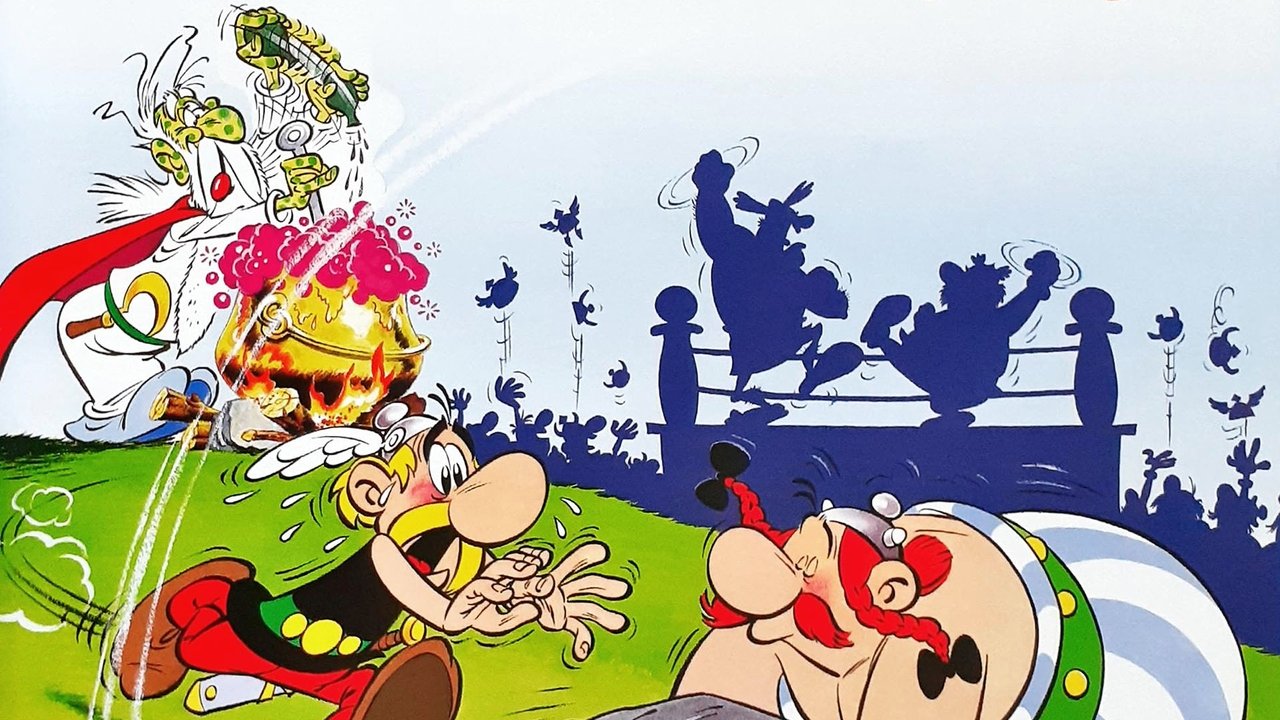
Visually, the film is a treat for fans of Uderzo's distinctive art style. The animation, primarily handled by studios in France and Germany, faithfully captures the energetic character designs, the bustling village life, and the exaggerated, almost balletic violence of the Roman-bashing. It possesses that specific European comic-book-come-to-life aesthetic that felt so different from the Disney features or Saturday morning cartoons dominating screens at the time. There's a pleasing solidity to the characters and backgrounds, a handcrafted feel that holds up remarkably well. While perhaps not as fluid as the absolute pinnacle of animation from the era, its charm lies in its faithfulness and vibrancy. You feel like you're watching the comic panels move, right down to the satisfying THWACK of a Roman helmet flying off-screen. Special mention must go to the sequences involving Getafix's haywire potions – the surreal colours and bizarre transformations were likely mind-bending on first viewing back in the day!
### Voices of the Village and Beyond
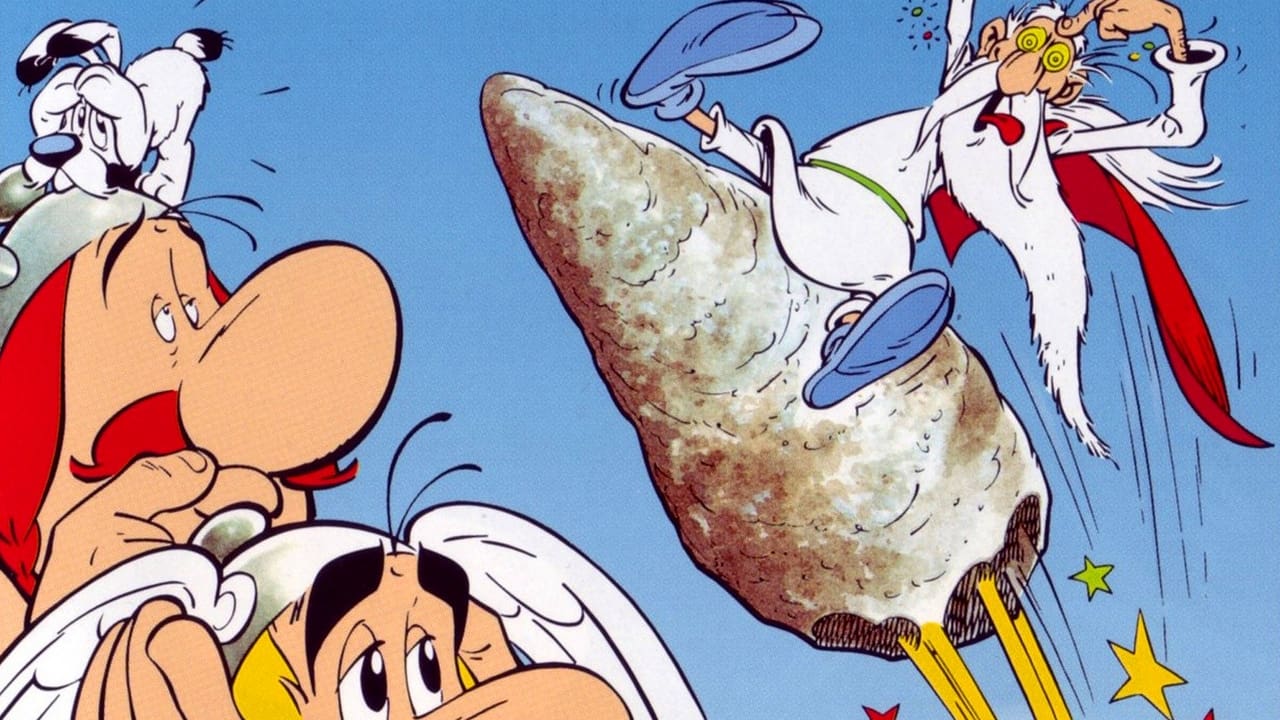
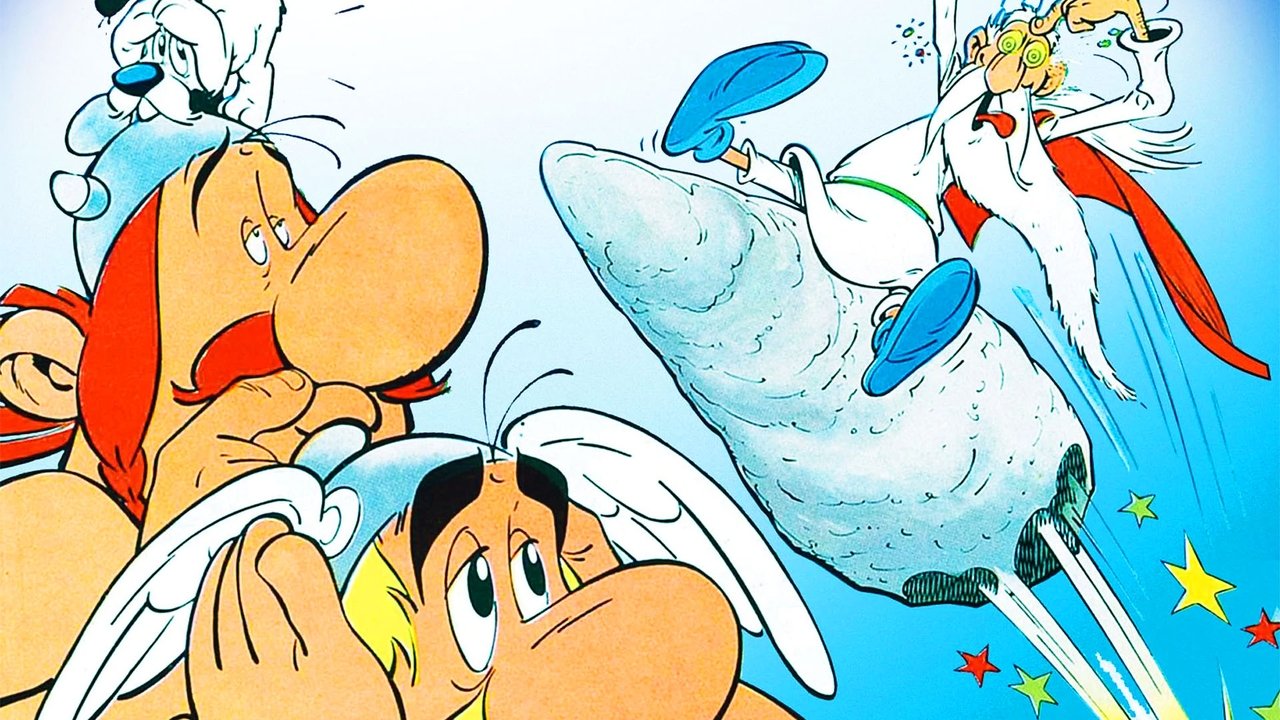
While many English-speaking viewers encountered Asterix through various dubs of varying quality over the years, the original French voice cast is legendary. Roger Carel is Asterix for generations of fans, his sharp wit and energetic delivery perfectly embodying the diminutive hero. Pierre Tornade's deep, rumbling tones and gentle nature made Obelix instantly lovable, and Henri Labussière captured Getafix's wisdom and, in this film, his hilarious confusion. Hearing these voices truly brings the characters to life in a way that feels definitive. Even the supporting cast, like the unnerving Prolix and the perpetually exasperated Roman Centurion, add layers to the familiar Asterix world.
### Retro Fun Facts
Pulling this Franco-German co-production together was no small feat. It aimed to bring Asterix back to the big screen with quality animation after a few years' gap. While specific budget figures are tricky to pin down for these European productions compared to Hollywood blockbusters, it represented a significant animation effort for its time. Interestingly, the decision to merge two books might have been partly commercial – offering a denser story – but it also showcased the richness of the Asterix universe. Goscinny had sadly passed away over a decade earlier in 1977, but his spirit and humour, perfectly complemented by Uderzo's art, remained potent. This film serves as a testament to the enduring appeal of their creation. It was generally well-received, particularly for its loyalty to the source material, continuing the legacy of successful Asterix animated features.
### Still Magic After All These Years?
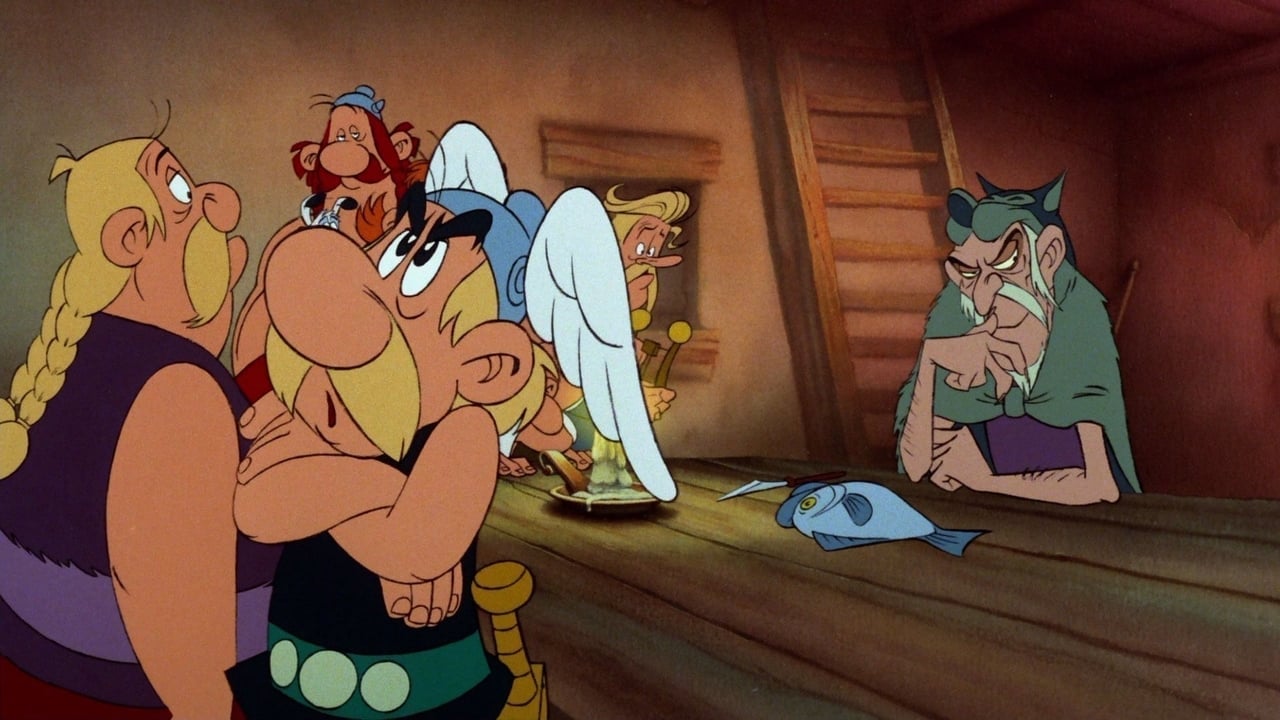
Asterix and the Big Fight might not have the epic scope of The Twelve Tasks or the historical sweep of Asterix and Cleopatra (1968), but it holds a special place. It’s a fantastically entertaining slice of classic Asterix, capturing the blend of action, humour, and gentle satire that made the comics so beloved. The plot, juggling the amnesiac druid, the impending fight, and the manipulative soothsayer, keeps things moving briskly. Seeing Getafix temporarily incapacitated adds a genuine layer of suspense – how will they manage without the potion? It reminds us that Asterix relies on brains as much as brawn (and Obelix’s superhuman strength).
Rating: 7.5/10
This rating reflects a thoroughly enjoyable, well-crafted animated feature that perfectly captures the spirit of Asterix. It successfully blends two strong stories, boasts animation faithful to Uderzo's iconic style, and delivers plenty of laughs and action. While perhaps not the absolute zenith of Asterix adaptations for some, it’s a wonderfully nostalgic trip back to that little Gaulish village, proving that even with their druid down, these indomitable Gauls could still put up one heck of a fight – and provide fantastic entertainment for anyone lucky enough to pop that VHS tape in. By Toutatis, it’s still a fun watch!