Okay, settle in, grab your favorite worn-out armchair snack, and let’s talk about a film that might not have graced every Blockbuster shelf stateside, but absolutely dominated the Turkish video scene in the late 80s and early 90s: Ertem Eğilmez's glorious, chaotic, and utterly unique musical parody, Arabesque (1989). Forget subtlety; this film arrives like a beloved, slightly eccentric relative crashing a party – loud, full of bizarre stories, and impossible not to love, even when you're shaking your head in disbelief. It wasn't just a movie; for many, it was an event, a shared cultural chuckle captured on magnetic tape.

### Beyond the Tears: A Genre Turned Upside Down
What hits you first about Arabesque isn't just the music, but the sheer audacity of its concept. It dives headfirst into the world of "Arabesque" music – a massively popular genre in Turkey, especially in the 70s and 80s, characterized by themes of heartbreak, longing, and often soul-crushing melancholy. Simultaneously, it skewers the tropes of Yeşilçam, the golden age of Turkish cinema, known for its often formulaic and hyper-dramatic melodramas where suffering was practically an Olympic sport. Arabesque takes these twin pillars of popular culture and gleefully smashes them together, creating a parody that’s both razor-sharp and deeply affectionate. The central plot, if you can call its whirlwind of vignettes that, follows Şener (Şener Şen) in his increasingly absurd and song-filled quest to win back his love, Müjde (Müjde Ar), who works at a nightclub. Each rejection, each misunderstanding, fuels not just despair, but another over-the-top musical number dripping with mock sincerity.
### The Irresistible Force of Şener Şen
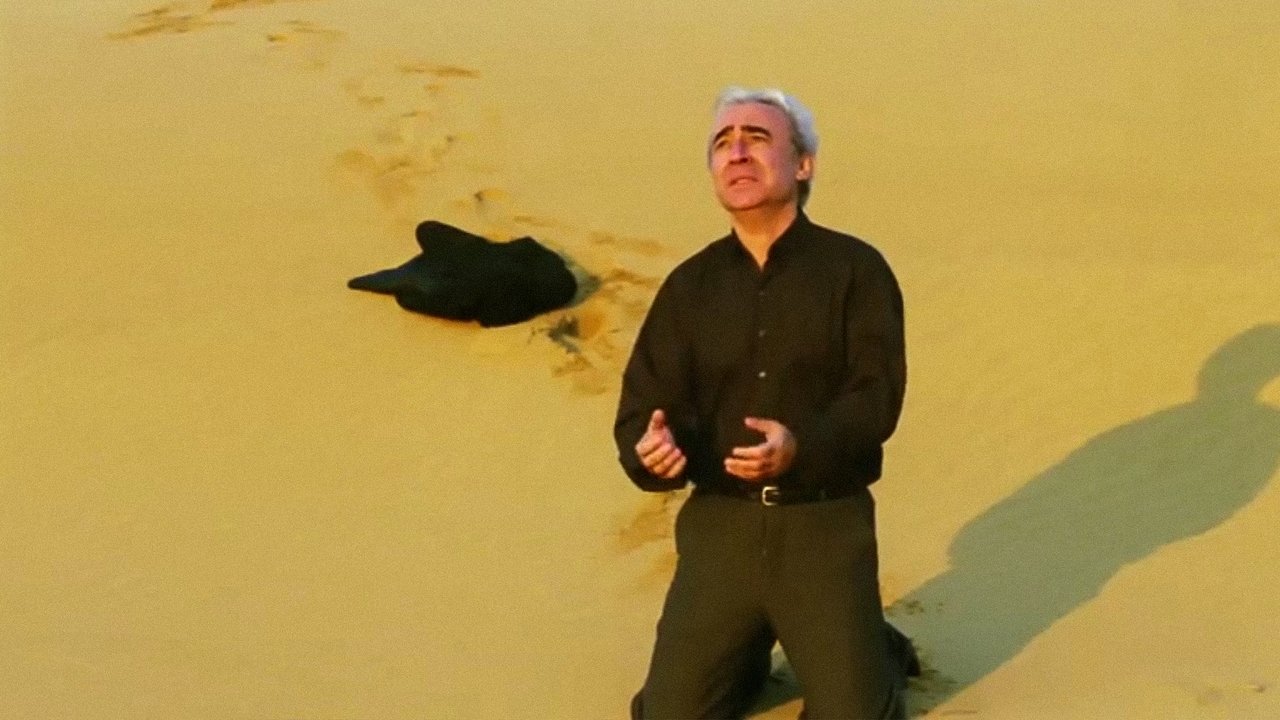
At the heart of this delightful madness is Şener Şen, a true legend of Turkish comedy. His portrayal of the perpetually heartbroken, yet somehow resilient, protagonist is a masterclass in comedic timing and physical performance. He embodies the exaggerated suffering demanded by the Arabesque genre, pushing it just far enough into absurdity without losing a strange kind of relatable humanity. You believe his pain, even as you're laughing at the sheer ridiculousness of its expression. His chemistry with Müjde Ar, who plays the long-suffering object of his affection with a perfect blend of exasperation and underlying warmth, is palpable. And let's not forget Uğur Yücel in a brilliant, chameleon-like supporting role (or roles, really), popping up as various characters who seem designed purely to obstruct or comment on Şener's plight. Yücel’s versatility adds another layer of delightful unpredictability to the proceedings.
### A Maestro's Farewell Laugh
Arabesque carries a particular poignancy as it was the final film directed by Ertem Eğilmez, a giant of Turkish cinema who had helmed some of Yeşilçam's most beloved classics, including the iconic Hababam Sınıfı series. Collaborating with writer Gani Müjde, Eğilmez seems to be looking back at the cinematic world he knew so well, not with cynicism, but with a fond, knowing wink. There’s a sense of playful deconstruction here, using the very tools of melodrama and musical excess he understood intimately to craft something entirely new. The film isn't just mocking; it feels like an insider's affectionate roast. It’s a testament to Eğilmez's skill that he could balance broad comedy, catchy musical numbers, and sharp satire so effectively in his swan song.

### That Soundtrack You Couldn't Escape
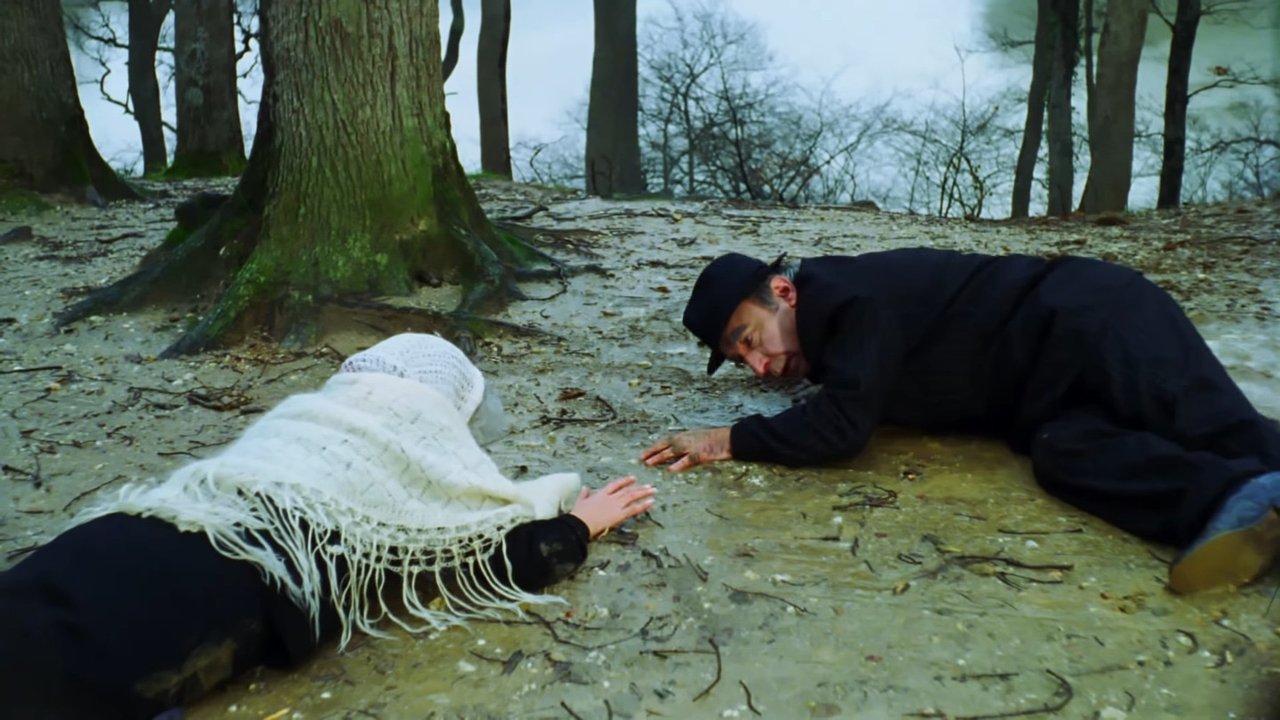
Oh, the music! Even if you didn't speak a word of Turkish, the songs in Arabesque burrowed their way into your brain. Composed primarily by Attila Özdemiroğlu, the soundtrack perfectly captures the sound and (melo)drama of popular Arabesque music while simultaneously exaggerating its tropes to comedic effect. The lyrics are filled with hilariously overwrought declarations of love and pain. While Şener Şen himself didn't sing (his songs were dubbed by musician Müslüm Gürses, ironically a real Arabesque music superstar, adding another layer to the parody), his lip-syncing performance is utterly committed. The soundtrack album itself became a massive bestseller in Turkey, further blurring the lines between parody and genuine earworm. It’s the kind of music that makes you want to dramatically clutch your chest one minute and tap your foot the next.
### More Than Just a Movie: A Phenomenon
It’s hard to overstate just how huge Arabesque was in Turkey upon release. This wasn't some niche cult hit; it was a cultural phenomenon. We're talking record-breaking attendance figures – reports often cite around 6.5 million tickets sold, an astonishing number for the time and place, making it one of the most-watched Turkish films ever. Why did it resonate so deeply? Perhaps it was the catharsis of laughing at the very melodramas that had dominated screens for years. Perhaps it was the perfect storm of Şener Şen's comedic genius, Eğilmez's experienced hand, and a concept that tapped directly into the cultural zeitgeist. For many Turkish families, the Arabesque VHS tape became a fixture, pulled out for gatherings, its lines and songs quoted endlessly. Discovering a copy felt like unearthing a specific, vibrant piece of pop culture history.
### Why It Still Plays on Repeat
Watching Arabesque today, especially if you’re coming to it fresh, is a unique experience. It’s undeniably rooted in a specific time and cultural context, yet its humor – centered on universal themes of love, rejection, and the absurdity of taking oneself too seriously – remains surprisingly infectious. The energy is relentless, the performances are committed, and the sheer love for the medium, even while poking fun at it, shines through. It’s a reminder that comedy can be culturally specific yet universally enjoyable, and that sometimes, the best way to show affection for something is to lovingly parody it. Does it hold up? Absolutely, perhaps even more so now as a fascinating time capsule and a genuinely funny film. It feels less like a polished Hollywood product and more like something crafted with passion and a healthy dose of playful anarchy – the kind of gem you'd excitedly recommend to a fellow film fan after discovering it tucked away in the 'World Cinema' section of that old video store.

Rating: 9/10
This score reflects Arabesque's brilliance as a sharp, hilarious, and culturally significant parody musical. Its success wasn't accidental; it stemmed from pitch-perfect performances (especially Şener Şen's iconic turn), Ertem Eğilmez's masterful direction in his final film, an incredibly catchy (and funny) soundtrack, and a concept that perfectly captured and commented on its time. It remains a high point of Turkish popular cinema and a joy to rediscover.
Final Thought: Arabesque is more than just laughs; it's a vibrant, singing, weeping, hilarious testament to the power of finding humor in heartbreak, a fitting final bow from a cinematic master who clearly loved the very world he was sending up.