White Fang 2: Myth of the White Wolf
Ah, the sweeping vistas of the great North, captured on trusty videotape! There was a particular brand of earnest, nature-focused adventure film that Disney seemed to master in the early 90s, and while many sequels simply rehash the original, 1994's White Fang 2: Myth of the White Wolf dared to chart its own course, swapping gritty survival for something altogether more spiritual and, frankly, unexpected. If you slid this tape into your VCR expecting a direct continuation of Jack London’s world via the 1991 film starring a young Ethan Hawke, you were in for a bit of a surprise – but maybe, just maybe, a pleasant one.
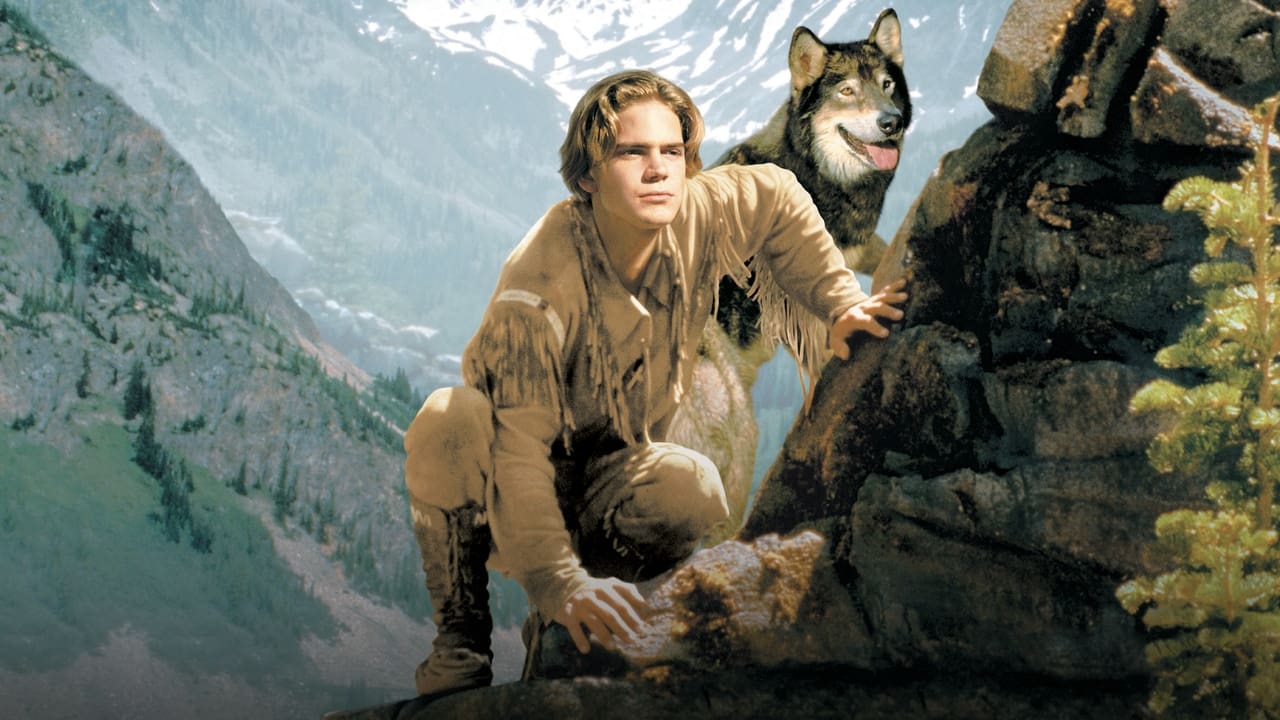
Beyond the Klondike Gold Rush
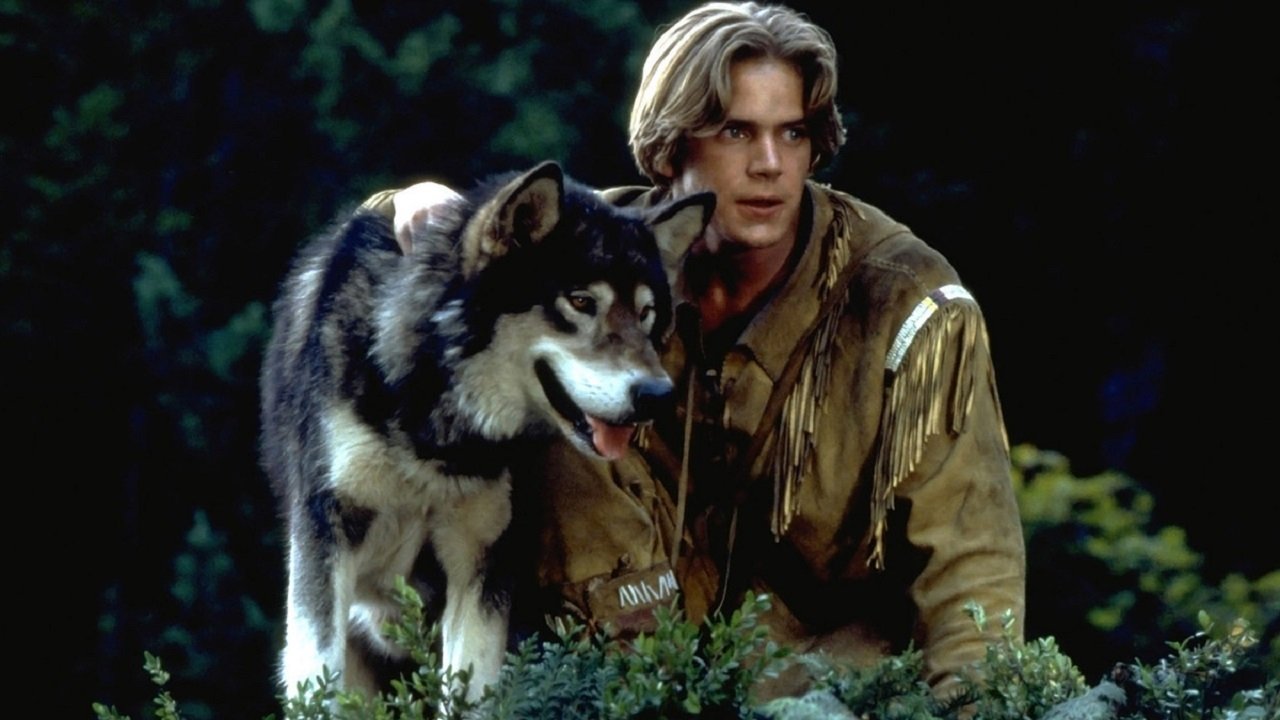
This time, we leave Jack Conroy and his gold-panning struggles behind. Instead, we follow Henry Casey, played with wide-eyed sincerity by Scott Bairstow. Arriving in Alaska via steamship (a classic adventure opening!), Henry soon finds himself literally adrift after a mishap, rescued by the local Haida tribe. It’s here the film pivots sharply from its predecessor. While the first film touched on Native culture through characters like Grey Beaver, this sequel dives headfirst into the lives, beliefs, and struggles of the Haida people, particularly focusing on a looming famine and a sacred prophecy involving, you guessed it, a legendary White Wolf. Our beloved wolf-dog, White Fang, naturally becomes entwined in this myth, bonding with Henry and the tribe's spirited princess, Lily Joseph (Charmaine Craig).
It's a bold move, shifting the focus so significantly. Gone is the harsh realism of London's source material that loosely inspired the first movie. In its place, writer David Fallon crafts an original story steeped in mysticism and environmental themes. It feels less like a direct sequel and more like a spiritual successor, using the established character of White Fang as a bridge to a new narrative landscape. This shift might have alienated some fans of the original, but it also gave White Fang 2 its own distinct identity.
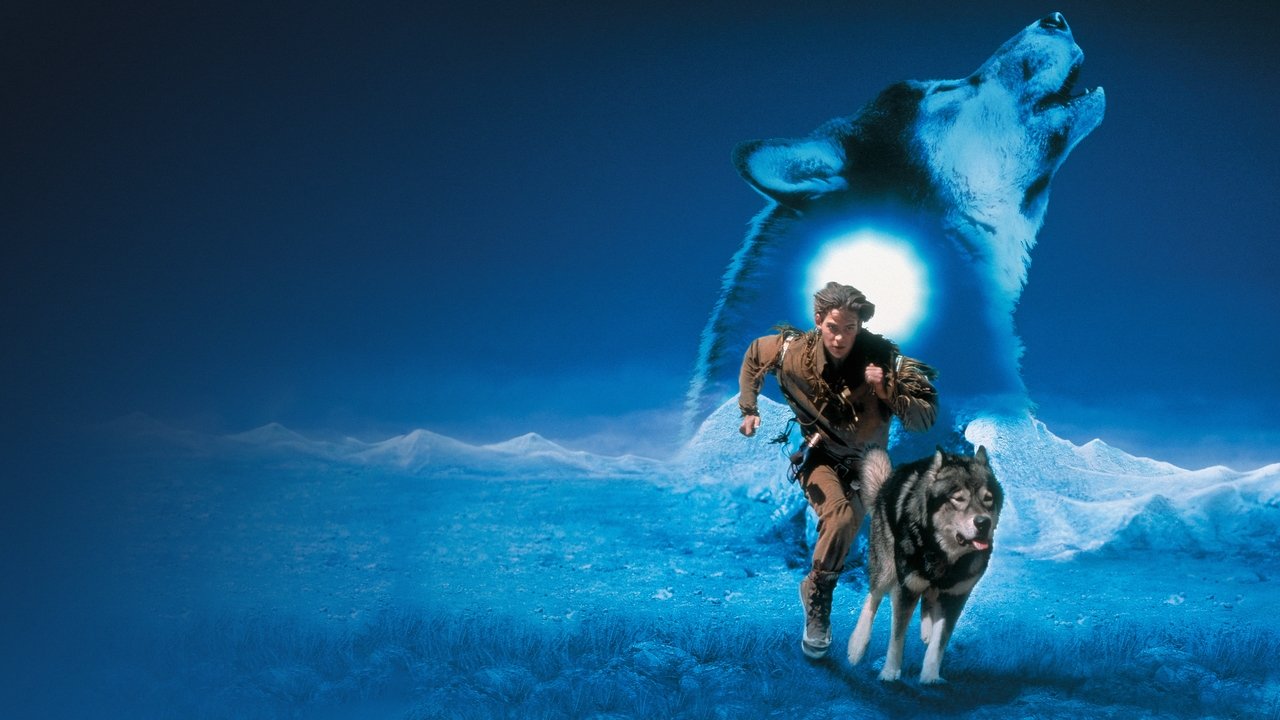
A New Face, A Familiar Friend
Scott Bairstow steps into the lead role with gusto. He lacks Hawke’s brooding intensity, perhaps, but brings an appealing earnestness perfect for a young man discovering a world far removed from his own. His chemistry with White Fang feels genuine, reminding us that the heart of the story still lies in that human-animal bond. Charmaine Craig provides a strong counterpart as Lily, portraying her with dignity and warmth, while veteran actor Al Harrington (familiar to fans of the original Hawaii Five-O) lends gravitas as her father, Moses Joseph.
And White Fang himself? He remains a magnificent screen presence. The animal training and handling are seamless, making you believe entirely in his intelligence and loyalty. He’s not just a plot device; he’s a character, reacting, protecting, and driving the narrative forward, especially as the lines between him and the mythical White Wolf begin to blur.
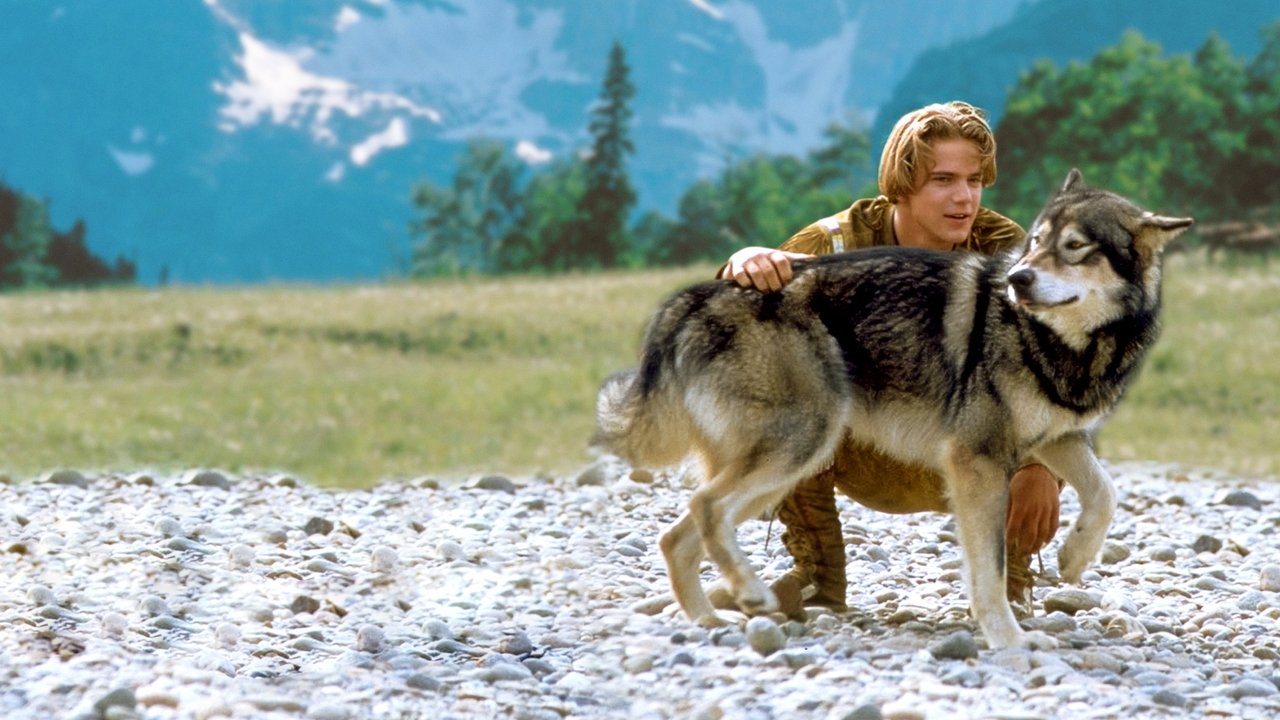
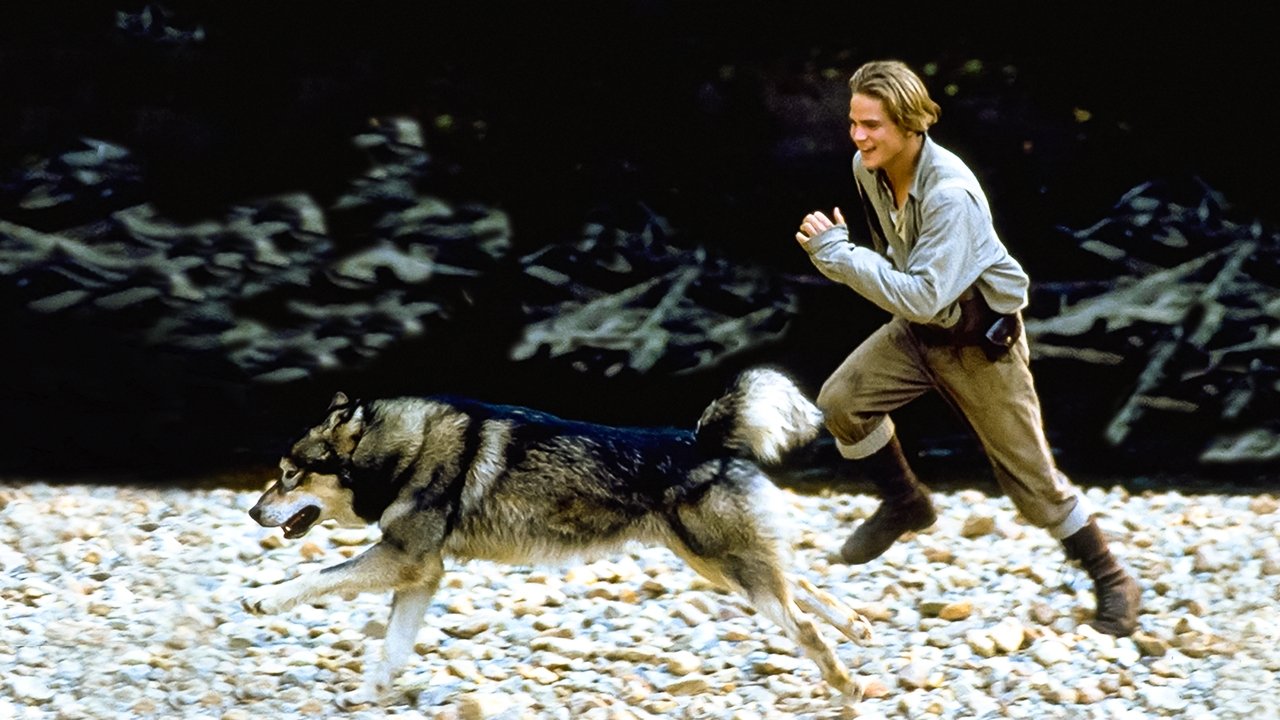
Wilderness Wonders and Retro Facts
One of the film's undeniable strengths is its stunning cinematography. Shot amidst the breathtaking landscapes of British Columbia, Canada (specifically areas around Aspen Grove and Merritt stood in for Alaska), the film truly captures the majesty of the wilderness. Those vast forests, rushing rivers, and snow-dusted peaks looked incredible even on a fuzzy VHS playback, hinting at the big-screen experience. You can almost feel the crisp air.
Directing duties fell to Ken Olin, a name many might associate more with his acting role in the popular drama thirtysomething or his later extensive TV directing career (Alias, This Is Us). Taking the helm of a wilderness adventure sequel was an interesting departure, and he handles the action sequences and the film's quieter, more mystical moments competently. The score by John Scott (who also scored the epic Greystoke: The Legend of Tarzan, Lord of the Apes back in 1984) complements the visuals perfectly, swelling with adventure and hinting at the underlying spiritual themes.
While not a box office juggernaut (reports suggest it grossed under $9 million domestically against what was likely a moderate Disney budget for the time), White Fang 2 found its audience on home video. It became one of those reliable rentals, a film parents felt comfortable showing kids, offering adventure without excessive violence, and even a gentle (if perhaps simplified, by today's standards) look into another culture. The film’s earnest portrayal of Haida legends and beliefs feels very characteristic of 90s family cinema – well-intentioned, a little idealistic, and presented with straightforward sincerity.
A Different Breed of Sequel
Watching White Fang 2 today evokes a specific kind of nostalgia. It’s for that era of Disney live-action that wasn't afraid to be a little quieter, a little more focused on character and atmosphere than non-stop thrills. It doesn’t have the grit or the literary pedigree of the first film, leaning instead into a kind of gentle fantasy-adventure. Some might find the plot predictable or the mystical elements a tad convenient, but there's an undeniable charm to its earnestness. The practical effects, the real interactions with the trained wolf-dogs, the commitment to shooting in those gorgeous, remote locations – it all feels very tangible and real in a way that CGI-heavy films often miss.
It’s a film that asks you to believe in prophecies, in the deep connection between humans and nature, and in the courage of a young man stepping up to help a community in need. It may not be the White Fang Jack London wrote, but it's a heartfelt adventure in its own right.
Rating: 7/10
White Fang 2: Myth of the White Wolf earns a solid 7. While it diverges significantly from its predecessor and embraces a more mystical, less gritty tone, it succeeds as a heartfelt family adventure. The stunning Canadian wilderness cinematography is a major highlight, Scott Bairstow provides an earnest lead, and the focus on Haida culture, though perhaps simplified, gives it a unique flavour for a 90s Disney flick. It might lack the original's intensity, but its warmth, beautiful scenery, and the ever-majestic presence of White Fang make it a worthwhile journey back for fans of wholesome 90s adventure.
It’s a reminder that sometimes, the best adventures are the ones you didn’t quite expect, found on a well-worn tape promising passage to a world both familiar and mysteriously new.