Some films feel less like movies and more like treasured storybooks brought vividly to life, their pages filled with wonder, hardship, and enduring hope. Alfonso Cuarón's 1995 adaptation of A Little Princess is precisely that kind of magic, a film that shimmered onto our CRT screens like a waking dream, leaving an indelible mark on the hearts of many who discovered it nestled on the shelves of their local video store. It wasn't a thunderous blockbuster, perhaps finding much of its audience through rentals and repeat viewings, but its quiet power and visual splendor made it a true gem of 90s family filmmaking.
Based on the beloved novel by Frances Hodgson Burnett (who also penned The Secret Garden), the film transports us to the dreary cobblestones of turn-of-the-century New York (a change from the novel's London setting). Here, young Sara Crewe, played with astonishing grace and conviction by newcomer Liesel Matthews, arrives at Miss Minchin's Seminary for Young Ladies. Her beloved father (Liam Cunningham, bringing warmth and strength to Captain Crewe) is heading off to war, but he ensures Sara is treated like royalty, sparing no expense for her comfort. This setup immediately establishes a world of contrasts: the opulent, almost magical bubble Sara initially inhabits versus the stark reality looming just outside.
Every Girl A Princess
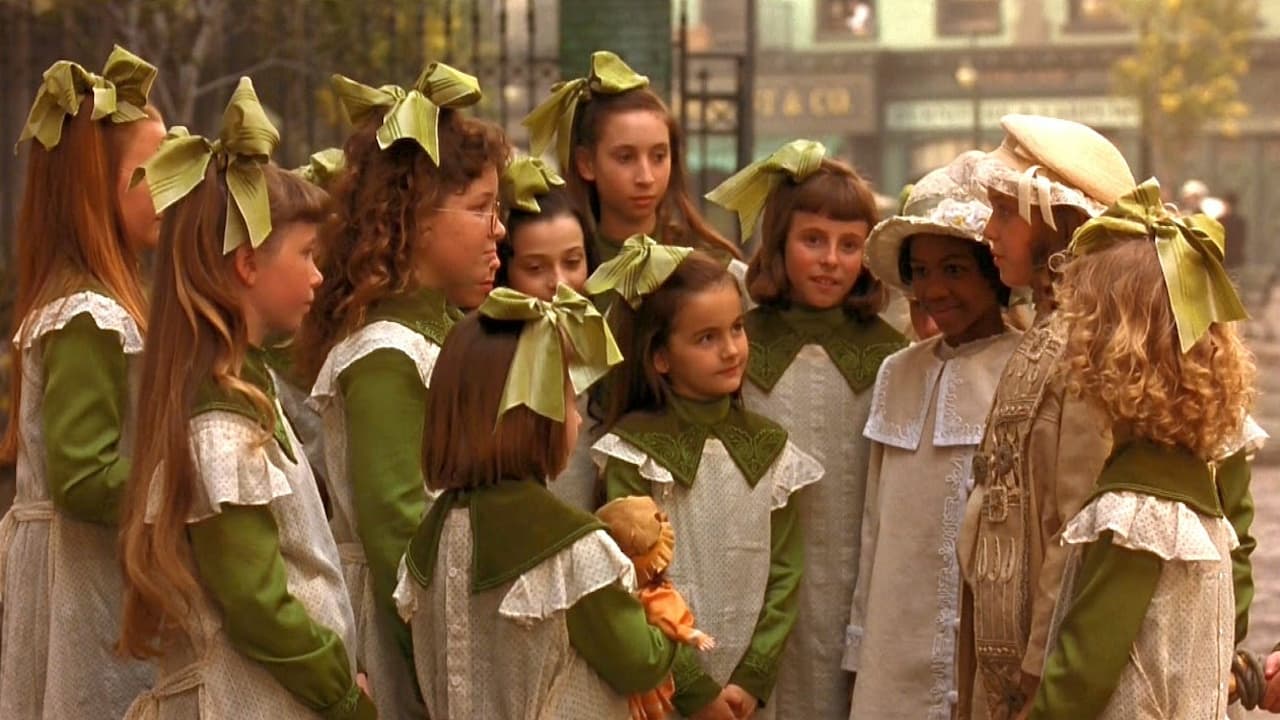
What makes A Little Princess resonate so deeply, even decades later, is its unwavering belief in the power of imagination and inner nobility. Sara isn't just a wealthy child; she possesses an innate kindness and a storyteller's soul, famously declaring that all girls are princesses, regardless of their circumstances. This philosophy becomes her shield when devastating news arrives, stripping her of her privileged status and casting her into servitude under the cruel and formidable Miss Minchin. Eleanor Bron is absolutely perfect as the icy headmistress, embodying pinched resentment and greed without ever tipping into cartoonish villainy. Her performance provides the necessary friction against Sara's unwavering spirit.
Cuarón's Visual Poetry
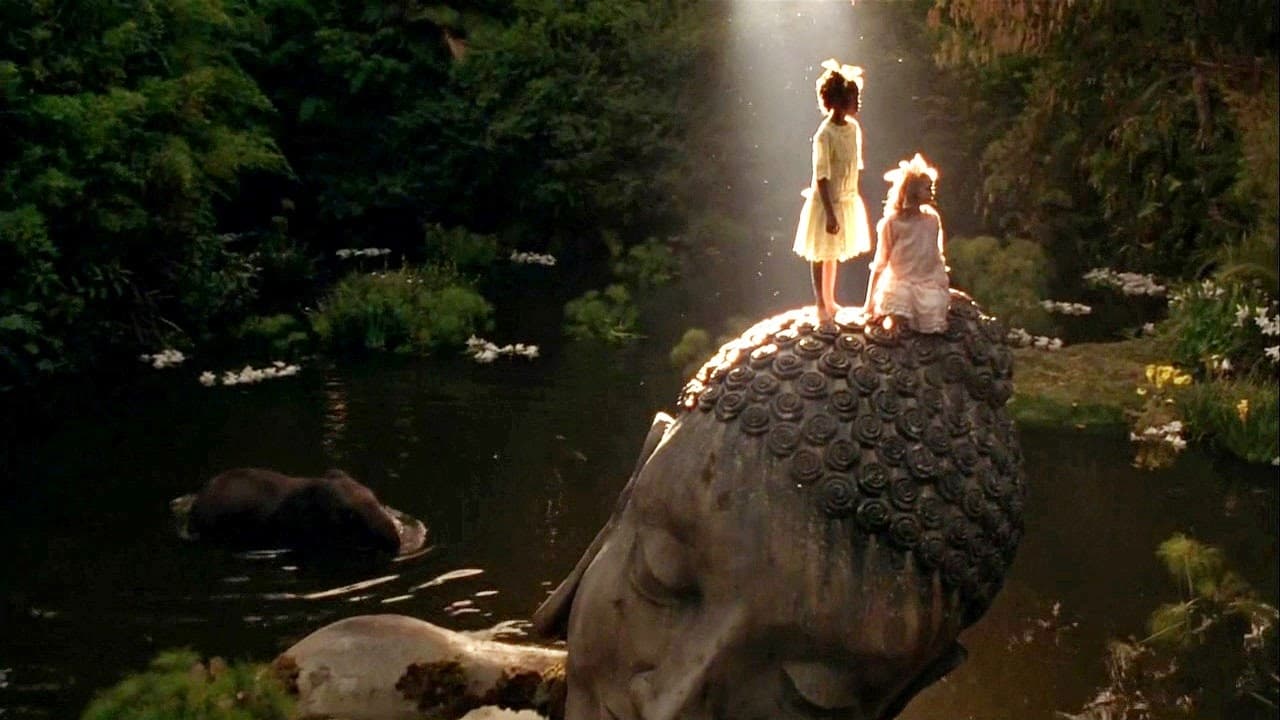
Even in this relatively early work, Alfonso Cuarón's distinct visual style shines through. Long before he guided wizards in Harry Potter and the Prisoner of Azkaban (2004) or sent astronauts spinning through space in Gravity (2013), he demonstrated a remarkable talent for visual storytelling here. Working with the masterful cinematographer Emmanuel Lubezki (their first collaboration!), Cuarón crafts a world rich in texture and atmosphere. The color palette is crucial: the warm, golden hues of Sara's memories and imaginative flights stand in stark contrast to the muted blues and greys of her harsh reality in the seminary's attic.
The film seamlessly blends stark realism with moments of pure fantasy, particularly during Sara's retellings of the Indian epic, the Ramayana. These sequences, infused with vibrant color and a sense of ancient myth, aren't just distractions; they are visual representations of Sara's inner resilience, the imaginative world she retreats into to survive. It's a touch of magical realism that feels earned, elevating the film beyond a simple period drama. It's fascinating to think that this rich visual language was already so present in Cuarón's work, hinting at the cinematic heights he would later reach. Fun fact: the film's lush look was achieved despite a relatively modest budget (around $17 million), a testament to the creative team's ingenuity.

More Than Just a Children's Tale
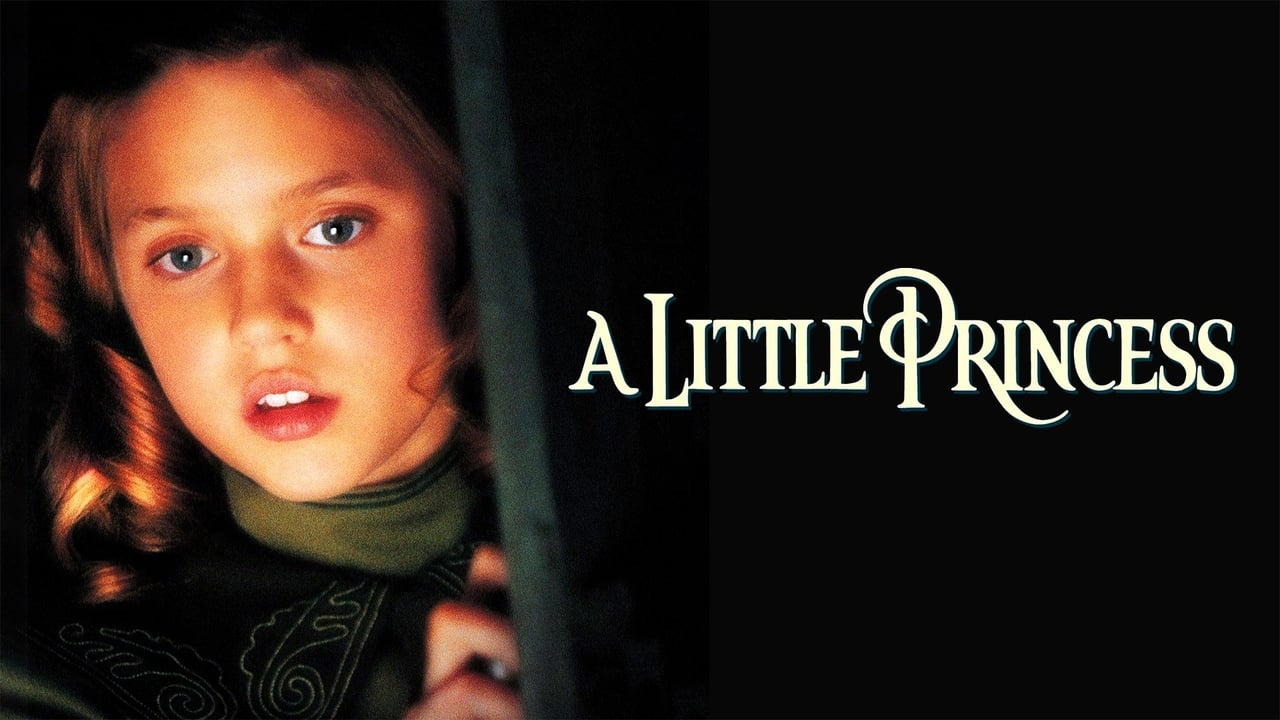
While undeniably a family film, A Little Princess doesn't shy away from the story's darker themes. Written by the talented duo Richard LaGravenese (The Fisher King) and Elizabeth Chandler, the script masterfully handles loss, grief, poverty, and cruelty with sensitivity. Sara's suffering feels real, making her moments of defiance and kindness all the more powerful. The friendship she forms with the scullery maid Becky (played wonderfully by Vanessa Lee Chester) is a cornerstone of the narrative, highlighting themes of solidarity and finding light in the darkest of places.
Liesel Matthews, in her most prominent role (interestingly, she is an heiress of the Hyatt Hotels fortune, adding a curious layer of meta-narrative), carries the film with remarkable poise. She embodies Sara's strength, vulnerability, and unwavering optimism without ever seeming saccharine. It's a performance that anchors the entire film, making us believe wholeheartedly in Sara's mantra. Though critically acclaimed (it currently holds a 97% on Rotten Tomatoes), A Little Princess wasn't a box office smash upon release, grossing only around $10 million domestically. Its legacy, however, was cemented on home video, becoming a cherished favorite discovered and re-watched countless times on VHS – a true testament to its enduring appeal.
A Story That Still Shines
Rewatching A Little Princess today is like revisiting a beautifully illustrated storybook from childhood. The emotions feel just as potent, the visuals just as enchanting. It tackles serious themes with grace, celebrates the power of imagination, and reminds us that true wealth lies not in possessions, but in kindness and inner strength. The practical effects, like the magical appearance of food in the attic, retain a charming, tangible quality that CGI often lacks. It captures that specific brand of 90s earnestness and cinematic warmth that feels both nostalgic and timeless. This is a film that understood that children's stories could be profound, beautiful, and deeply moving.
VHS Heaven Rating: 9/10
This near-perfect score reflects the film's masterful direction, stunning visuals, powerful performances (especially from Liesel Matthews and Eleanor Bron), and its emotionally resonant story that beautifully balances hardship with hope. It’s a film whose artistry and heart have only deepened with time, avoiding the pitfalls of becoming dated thanks to its universal themes and exquisite craft. It loses a single point perhaps only for the slightly altered ending compared to the book, which, while cinematically satisfying, softens the novel's original conclusion just a touch for some purists.
A Little Princess remains a luminous example of family filmmaking at its finest, a reminder that even in the darkest attics, a little bit of magic – and a belief in oneself – can make all the difference. It’s a tape well worth rewinding.