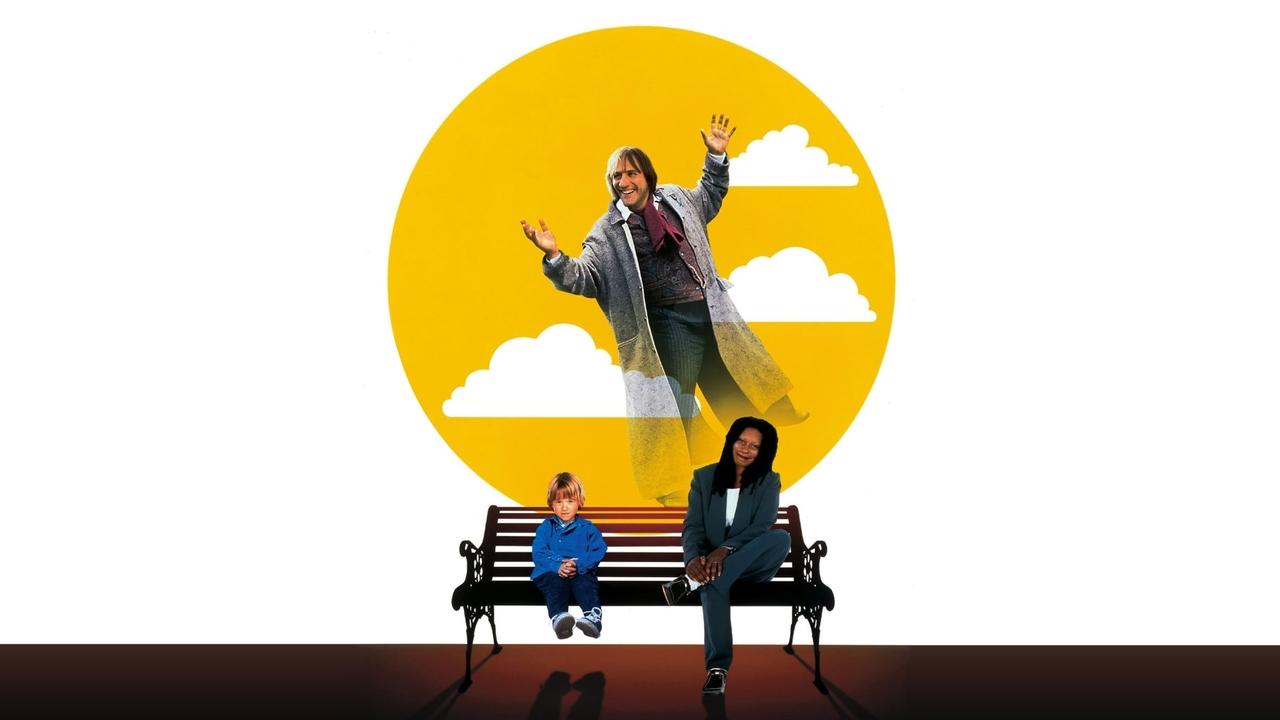
Okay, fellow travelers through time and tape, let’s dust off a curious little box from the mid-90s video store shelves. Remember wandering those aisles, maybe past the big action hits, and stumbling upon a cover featuring Whoopi Goldberg, a very French-looking Gérard Depardieu, and a young kid? That was 1996’s Bogus, a film that promised magic and whimsy but perhaps delivered something… well, a little more peculiar. It wasn't exactly flying off the shelves back then, and revisiting it now feels like unearthing a slightly strange, yet intriguing, time capsule.
### An Imaginary Friend with a Certain Je Ne Sais Quoi
The premise itself is pure 90s fantasy-drama territory, tinged with sadness. Seven-year-old Albert (played by a very young, pre-Sixth Sense Haley Joel Osment) tragically loses his Las Vegas performer mother in a car accident. His world turned upside down, he's sent across the country to live in Newark, New Jersey, with his godmother, Harriet (Whoopi Goldberg), a pragmatic, career-focused businesswoman who was his mother’s estranged foster sister and knows next to nothing about kids. Talk about culture shock. On the long flight, feeling lost and alone, Albert conjures up Bogus (Gérard Depardieu), a large, gentle, magically inclined Frenchman – the kind of imaginary friend only a kid raised around Vegas showmanship might dream up.
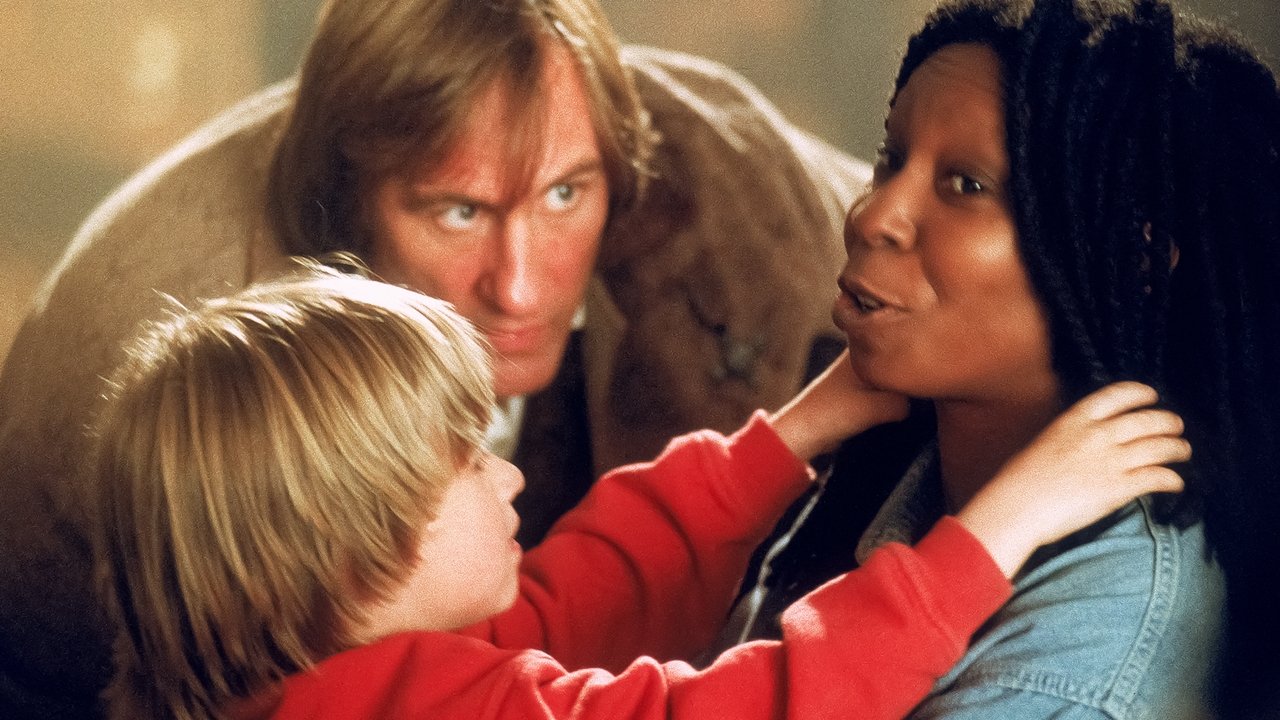
Bogus isn't just a passive observer; he interacts with the world, offers advice (in heavily accented English), performs little feats of magic, and tries to help Albert navigate his grief and his awkward new life with the equally bewildered Harriet. The core of the film becomes this unusual triangle: a grieving boy, his reluctant guardian, and a boisterous imaginary friend only the boy (and we, the audience) can see.
### A Curious Concoction of Talent
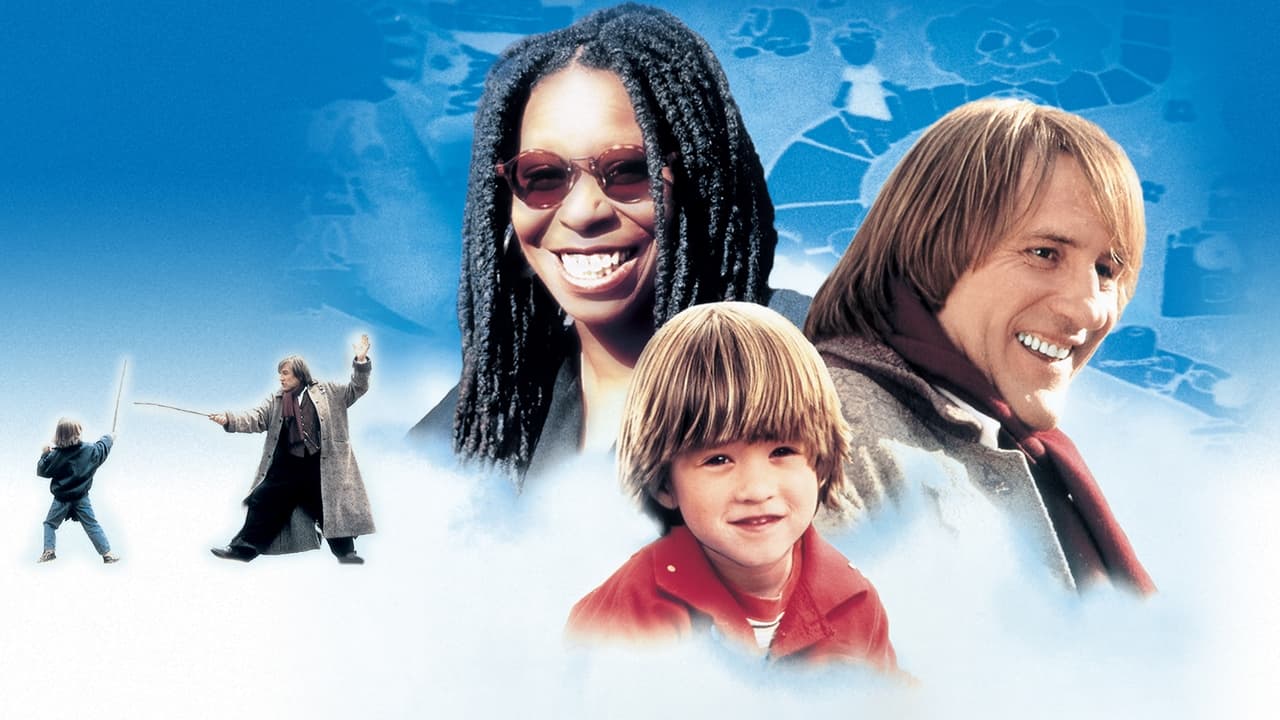
What makes Bogus particularly fascinating, especially in hindsight, is the talent involved. Directed by the legendary Norman Jewison – the man who gave us powerful dramas like In the Heat of the Night and charming romances like Moonstruck – this whimsical fantasy felt like quite a departure. You can see Jewison's professional touch in the framing and pacing, trying to ground the fantastical elements in genuine emotion. The script came from Alvin Sargent, an Oscar-winner known for weighty dramas like Ordinary People (he'd later pen scripts for the Spider-Man films). With such heavy hitters behind the camera, you’d expect something truly special.
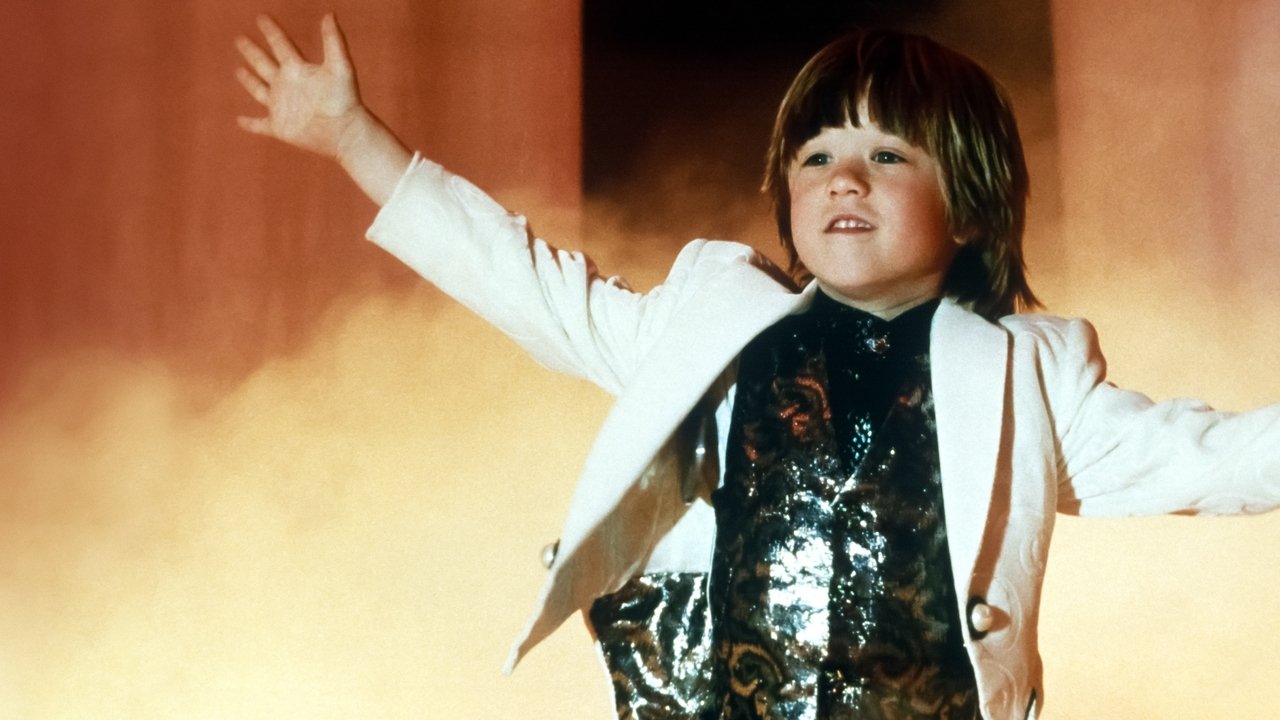
The casting was equally intriguing. Whoopi Goldberg brings her signature warmth and exasperated charm to Harriet, providing the film's emotional anchor as she slowly bonds with Albert. Seeing Haley Joel Osment here, just a few years before his breakout stardom, is a real treat; he showcases that natural vulnerability and quiet intensity that would later captivate audiences worldwide. And then there’s Gérard Depardieu. Casting the iconic French actor as an imaginary friend was certainly… a choice. He throws himself into the role with gusto, playing Bogus with a mix of playful energy and surprising gentleness. It’s an odd fit, sometimes charming, sometimes feeling slightly out of sync with the film’s overall tone, but undeniably memorable.
### Where the Magic Faded
Despite the pedigree and the promising setup, Bogus didn't quite conjure up box office magic. Made on a reported budget of around $12 million, it sadly only pulled in about $4.4 million domestically. Critics at the time weren't particularly kind either – it currently sits at a rather harsh 14% on Rotten Tomatoes. Watching it now, you can see why it might have struggled to find its audience. The film walks a tricky tightrope between whimsical childhood fantasy and the very real, heavy themes of grief, loss, and finding connection after trauma. Sometimes this blend works, creating genuinely touching moments between Albert and Harriet, often facilitated by Bogus. Other times, the tone feels uncertain, caught between wanting to be a heartwarming family film and a more complex emotional drama.
Retro Fun Fact: The film's tagline, "He's the best friend a kid could ever imagine," really leaned into the fantasy, perhaps underselling the more dramatic, grief-stricken core of the story that might have alienated some viewers expecting pure escapism. Another interesting tidbit is that Jewison reportedly took on the project partly because he was drawn to the challenge of blending fantasy with realism, aiming for a modern fairy tale.
The visual representation of Bogus is handled simply, mostly relying on Depardieu's physical presence rather than elaborate special effects, which fits the film's generally grounded approach. He ducks behind furniture, interacts subtly with objects, and occasionally performs small illusions, keeping the magic relatively low-key. This helps maintain the focus on the emotional journey, but might have disappointed audiences hoping for more spectacular fantasy elements prevalent in other family films of the era.
### A Forgotten Corner of the Video Store
So, does Bogus deserve its forgotten status? It's definitely flawed. The pacing occasionally drags, and the tonal shifts can be jarring. Depardieu’s Bogus, while performed with commitment, remains a slightly baffling creation at the heart of the film. Yet, there’s an undeniable earnestness and warmth here. Goldberg and Osment share some genuinely moving scenes as their characters slowly, tentatively build a relationship. It’s a film that tries to explore difficult emotions through a unique, imaginative lens, even if it doesn’t always succeed.
It feels like a relic from a time when studios were perhaps more willing to take a chance on gentler, slightly off-kilter stories that didn't fit neatly into genre boxes. It aimed for the heart, even if it sometimes missed the mark. For fans of the actors, or for those who appreciate the earnest, sometimes awkward charm of mid-90s filmmaking, Bogus offers a curious, nostalgic watch.

VHS Heaven Rating: 5/10
Justification: The film gets points for its ambition, the heartfelt performances from Whoopi Goldberg and a young Haley Joel Osment, and its willingness to tackle themes of grief within a fantasy framework. However, it loses points for its tonal inconsistencies, sometimes sluggish pacing, and the central oddity of Bogus himself not quite gelling with the emotional core. It's a fascinating misfire rather than a hidden gem.
Bogus might not be the magical masterpiece it perhaps aspired to be, but it remains a peculiar and strangely touching artifact from the back shelves of the 90s video store – a reminder of a time when imagination, however strange, sometimes found its way onto the screen.