Okay, let's dim the lights. Forget the cheap jump scares that flood the multiplexes today. We're travelling back to 1992, to a time when horror could be cerebral, beautiful, and deeply, profoundly unsettling. We're talking about a name whispered in darkened rooms, a dare spoken into mirrors. We're talking about Candyman.
### The Whispers in the Walls
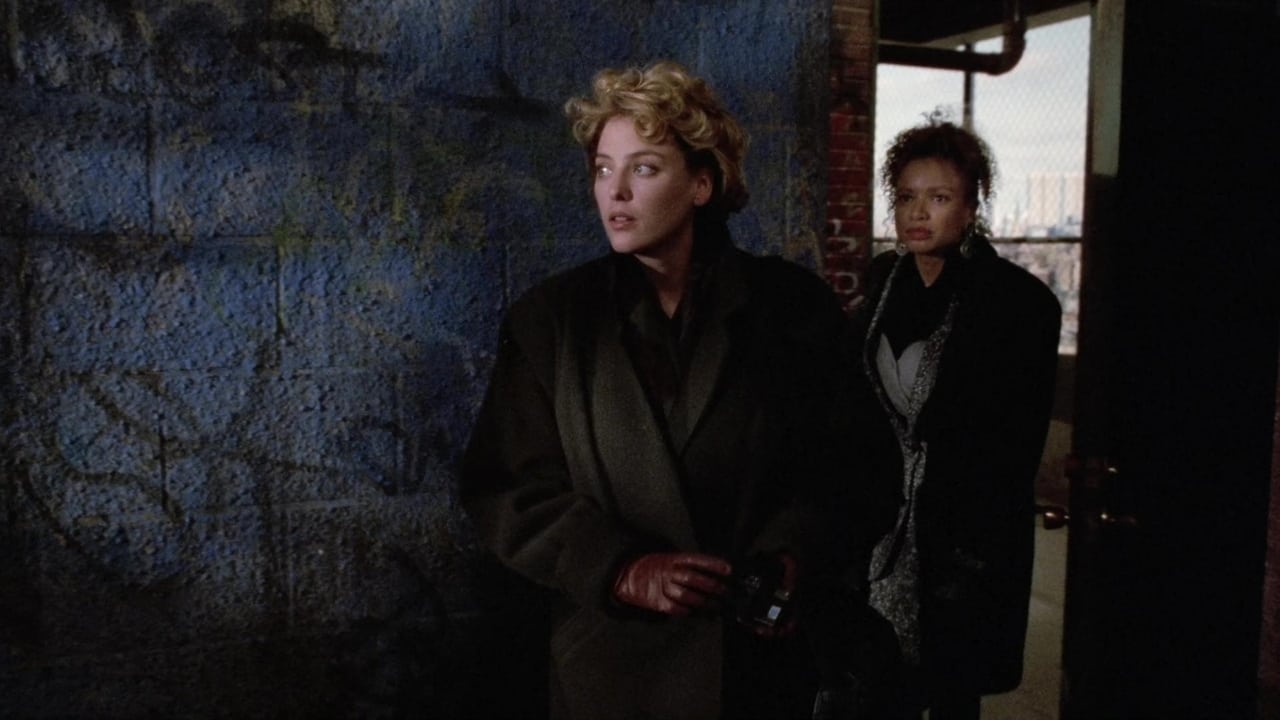
What truly elevates Candyman beyond the standard slasher fare of the era is its foundation in folklore – the chilling power of a story told, repeated, and believed. Director Bernard Rose (Paperhouse, Immortal Beloved), adapting Clive Barker's short story "The Forbidden," masterfully transplants the setting from gritty Liverpool council estates to the decaying, graffiti-scarred towers of Chicago's Cabrini-Green housing projects. This wasn't just a change of scenery; it was a stroke of genius. The very real social neglect and systemic fear haunting Cabrini-Green become fertile ground for a different kind of monster, one born from suffering and sustained by the desperate need for myth in places forgotten by the outside world. Remember those stark, almost documentary-like shots of the project? They weren't just establishing location; they were grounding the supernatural horror in a chillingly plausible reality.
### Through the Looking Glass, Darkly
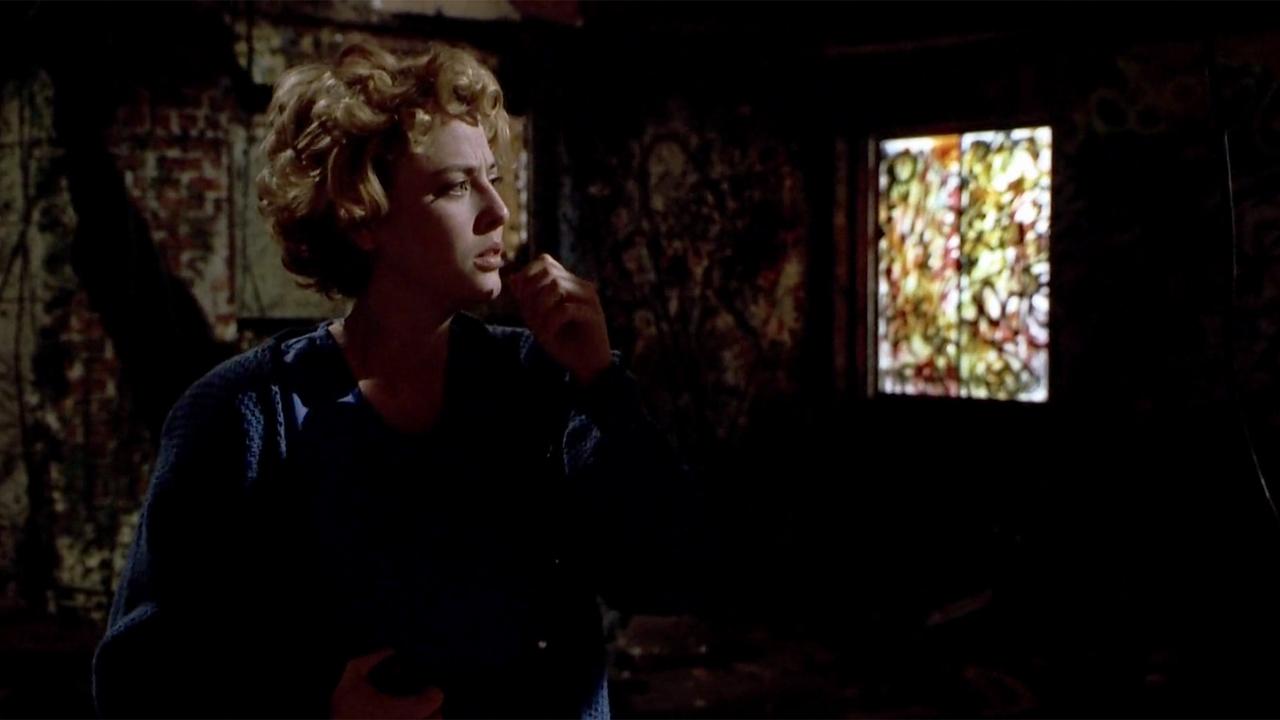
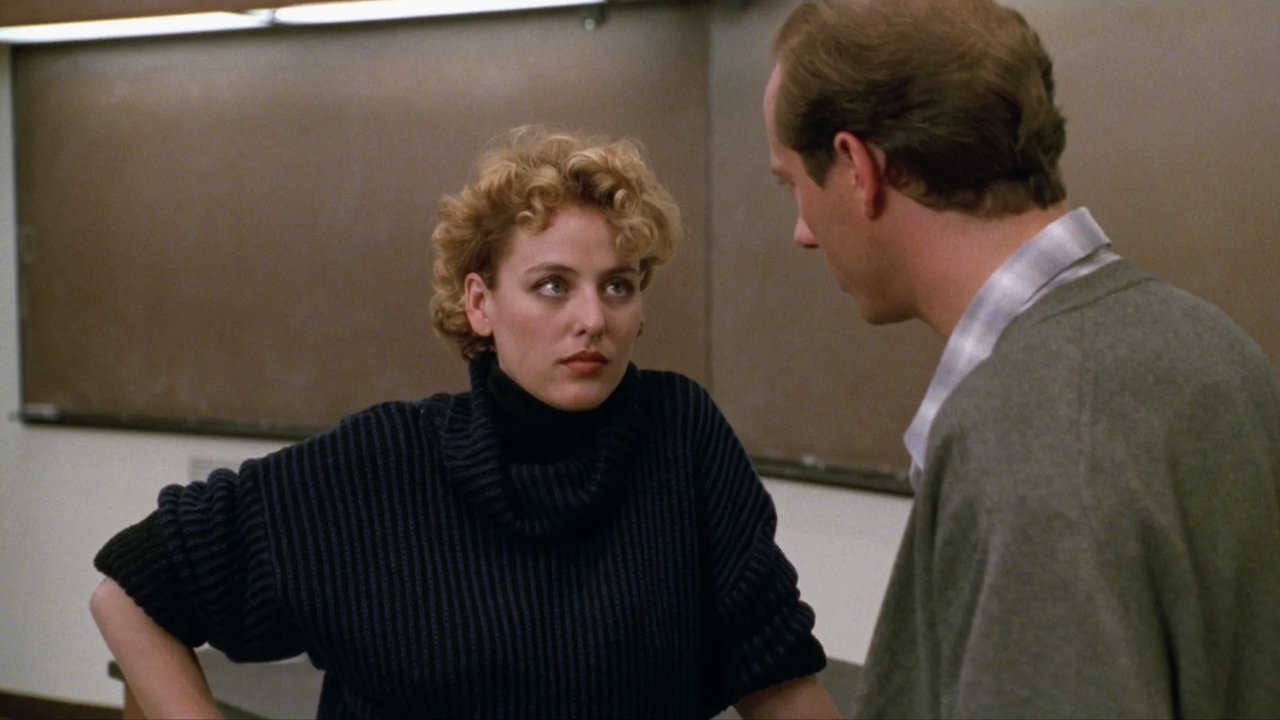
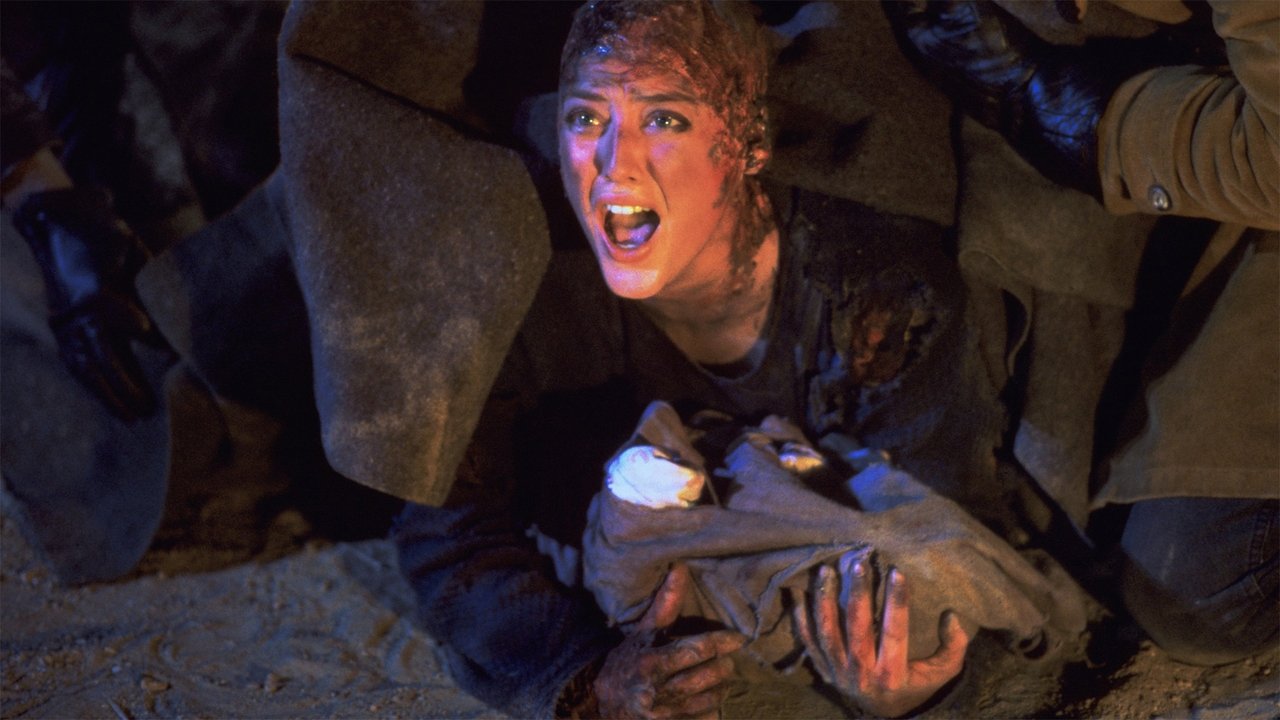
We experience this deadly folklore through the eyes of Helen Lyle, played with compelling vulnerability and intelligence by Virginia Madsen. Helen, a grad student researching urban legends, initially approaches the Candyman myth with academic detachment. But as she digs deeper, venturing into the heart of Cabrini-Green, the line between observer and participant begins to blur, then shatter entirely. Madsen’s portrayal of Helen’s gradual unraveling – questioning her sanity as inexplicable horrors mount and the world seems to conspire against her – is central to the film's power. Is she truly being stalked by a supernatural entity, or is she losing her mind? The film walks this tightrope brilliantly, making her psychological torment as terrifying as any physical threat. It taps into that primal fear of not being believed, of reality itself becoming unstable. Didn't you feel that creeping dread as her world fell apart?
### Be My Victim
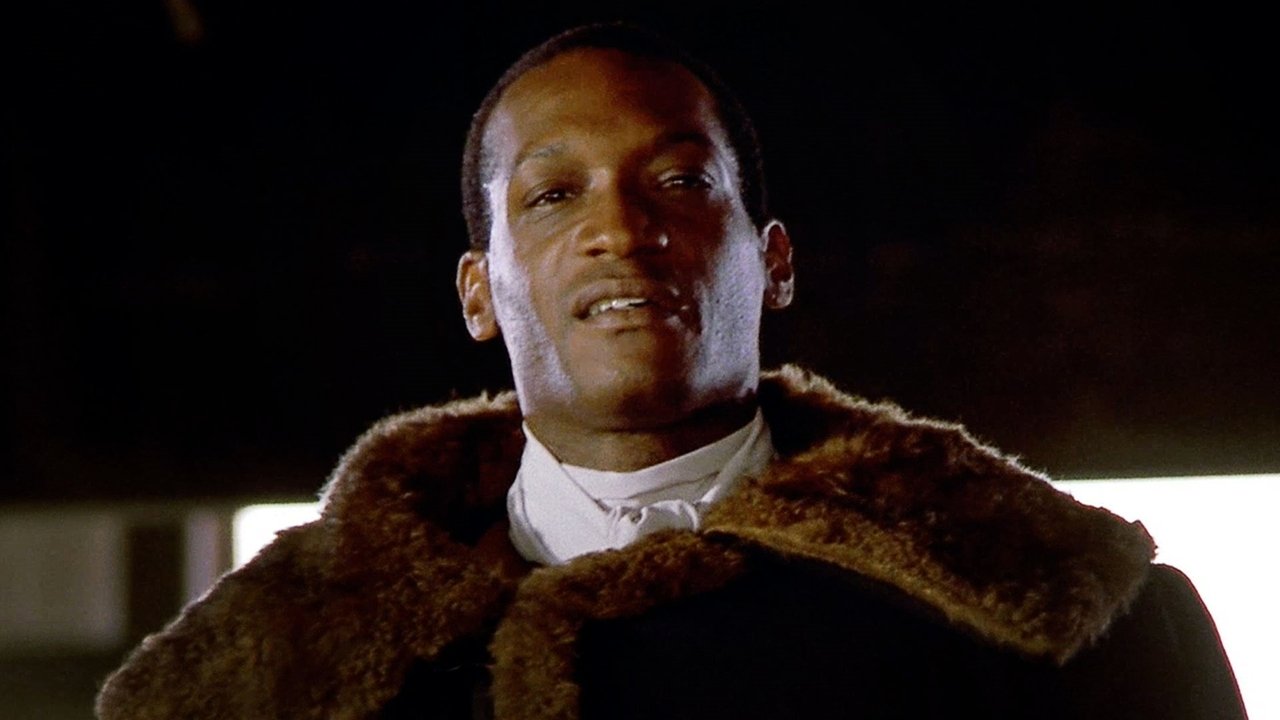
And then there’s him. Tony Todd’s portrayal of Candyman is nothing short of iconic. Forget masked maniacs chasing teenagers; Candyman is something far more seductive and terrifying. With his rich, hypnotic voice, tragic backstory (a murdered artist, son of a slave, mutilated and killed by a lynch mob), and imposing presence draped in that fur-lined coat, Todd creates a villain who is both monstrous and strangely sympathetic. He's a figure of immense pain seeking not just victims, but believers. His offer, "Be my victim," is less a threat than a dark, chilling invitation into legend.
And yes, we have to talk about the bees. The practical effect of covering Tony Todd – and Virginia Madsen – in real bees remains one of horror cinema's most viscerally unnerving moments. Forget CGI swarms; this felt terrifyingly tangible on that grainy VHS tape. Legend has it Todd, ever the professional, negotiated a $1,000 bonus for every bee sting he endured on set – and reportedly collected 23 times. Madsen, meanwhile, was apparently allergic and was hypnotized for some of her scenes with the insects to manage her fear. That kind of behind-the-scenes commitment bleeds onto the screen, adding a layer of authentic discomfort that digital effects rarely capture. The famous hook hand, too, wasn't just a prop; it felt like a gruesome extension of his historical agony.
### A Symphony of Dread
Bernard Rose doesn't just rely on his actors and the chilling premise. The film looks and sounds magnificent, drenched in a gothic atmosphere that contrasts sharply with the urban decay. The cinematography finds a strange, dilapidated beauty in Cabrini-Green's blight, using shadow and striking compositions. But arguably the most crucial element is the score by minimalist composer Philip Glass. Initially, the producers were apparently hesitant about such an avant-garde choice for a horror film, but Rose fought for it. Thank goodness he did. Glass's hypnotic, looping orchestrations and haunting choral arrangements are inseparable from Candyman's identity. They don't just underscore the tension; they are the dread, burrowing under your skin long after the credits roll. It's a score that elevates the film to operatic tragedy.
### More Than Just a Ghost Story
Candyman wasn't just scary; it was smart. It tackled themes of race, class, academic exploitation, and the power of narrative in ways few mainstream horror films dared to at the time. While some initially worried about the optics of a black boogeyman terrorizing a white woman, the film complicates this, suggesting Candyman is as much a product of historical injustice as he is a monster, and Helen's intrusion into Cabrini-Green isn't entirely benign. Its exploration of how stories shape reality, how legends grant power to the forgotten, gives it a thematic weight that still resonates. The film spawned sequels (Candyman: Farewell to the Flesh (1995) and Candyman: Day of the Dead (1999)) and a critically acclaimed 2021 "spiritual sequel," proving the enduring power of the myth Bernard Rose and Tony Todd brought so chillingly to life.
### VHS Heaven Rating: 9/10
Candyman earns a strong 9 out of 10. It's a near-perfect blend of intellectual horror, gothic romance, and visceral scares, elevated by powerhouse performances (especially Todd's definitive turn), a unique and potent atmosphere, and that unforgettable Philip Glass score. Its willingness to grapple with complex social themes within a terrifying framework sets it apart. The pacing is deliberate, building dread rather than relying on constant shocks, which might test viewers accustomed to modern horror rhythms, but its cumulative power is undeniable.
This wasn't just another tape you rented on a Friday night; Candyman was an experience. It was the kind of film that made you eye mirrors warily, the kind whose central myth felt disturbingly plausible. It remains a high-water mark for 90s horror – intelligent, stylish, and genuinely frightening. Say his name five times? I still wouldn't dare.