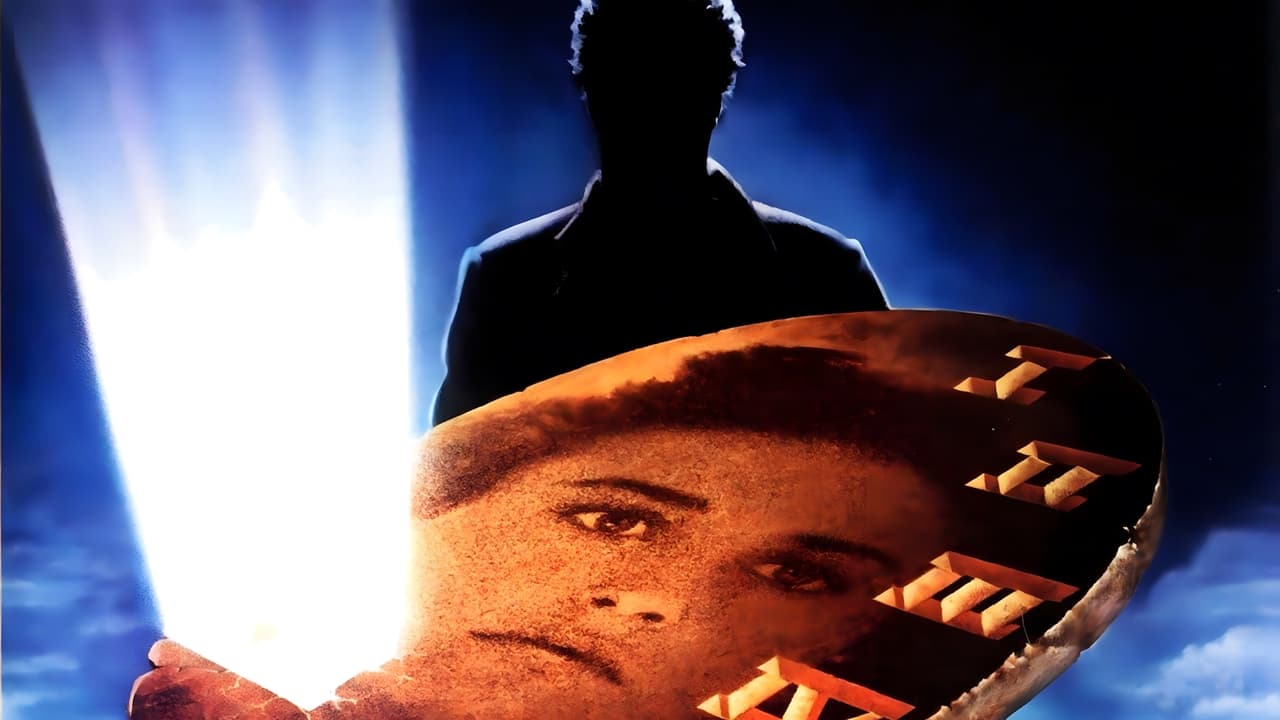
The air crackles with unnatural cold. A river runs thick and red, choked with lifeless fish. These aren't random calamities; they are whispers turning into screams, the first chilling stanzas of an ancient, terrifying prophecy unfolding in the heart of the late 1980s. The Seventh Sign (1988) doesn't burst onto the screen with fire and fury; it seeps under your skin, a slow-burn apocalypse witnessed through the increasingly desperate eyes of one woman whose life is inexplicably tied to the world's end. Forget bombast; this is dread served cold, the kind that lingered long after the VCR clicked off in the dead of night.
A Mother's Fear, A World's Fate
We meet Abby Quinn (Demi Moore) preparing for the birth of her first child, renting out a small apartment above her garage to a quiet, intense stranger named David Bannon (Jürgen Prochnow). Her husband, Russell (Michael Biehn, taking a break from battling Terminators and Xenomorphs), tries to be the rational anchor, but Abby's anxieties soon spiral beyond typical maternal worries. Strange global events – the frozen sea, the blood-red river, desert hail storms – mirror the biblical plagues heralding the Apocalypse. And David, the quiet tenant, seems to know far too much, his presence radiating an ancient sorrow and purpose. What elevates the central tension, almost uncomfortably so, is knowing Demi Moore was genuinely pregnant with her daughter Rumer during filming. Every moment of on-screen fear about her unborn child carries an unnerving echo of reality, lending her performance a raw, visceral edge that grounds the film's high concept.
Atmosphere Over Spectacle
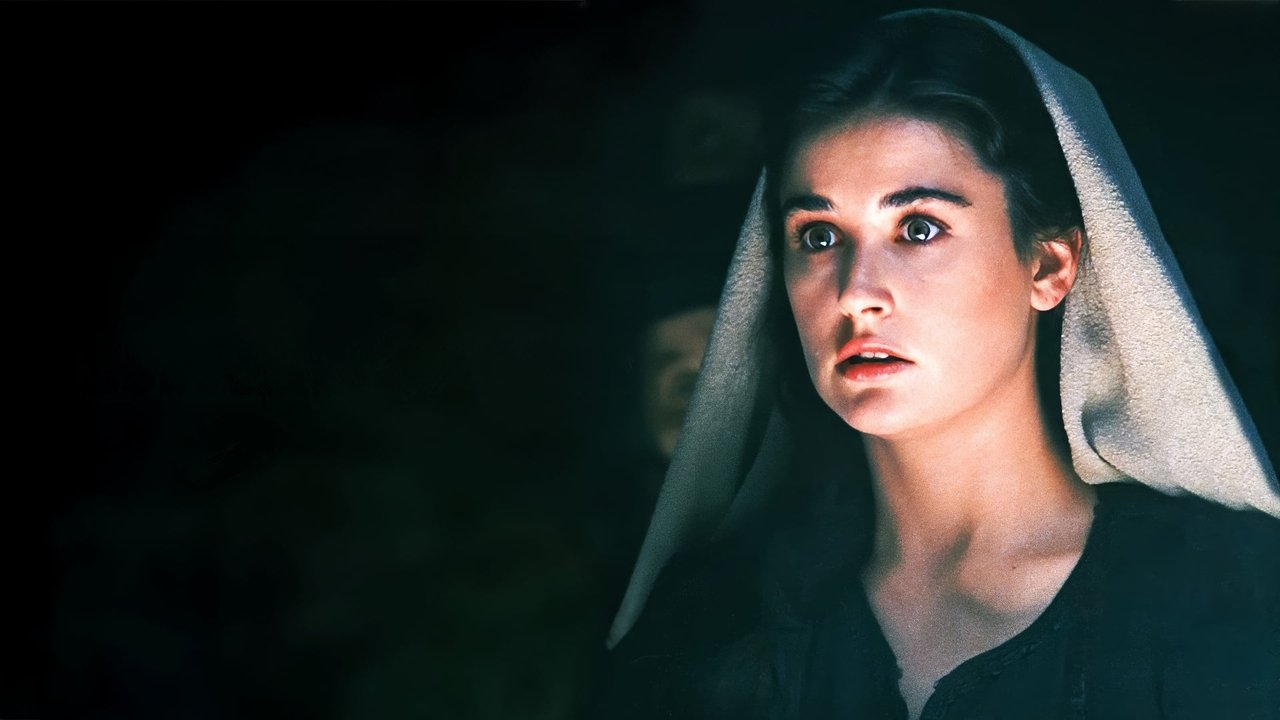
Directed by Carl Schultz, The Seventh Sign excels in building a pervasive sense of unease. It’s less about showcasing disaster and more about the feeling of the world subtly, irrevocably breaking down. The score by Jack Nitzsche (known for One Flew Over the Cuckoo's Nest and An Officer and a Gentleman) avoids typical horror stings, opting instead for discordant, melancholic cues that underscore the impending doom. The cinematography often feels overcast, drained of warmth, reflecting the dying light of the world. The "signs" themselves are presented with a certain grim straightforwardness – there’s no lingering CGI spectacle here (this was '88, after all). Watching on VHS, the slightly grainy image somehow enhanced the feeling that you were witnessing something gritty, almost documentary-like in its depiction of the unnatural. Remember how that river of blood just... was? No dramatic zoom, just the chilling fact of it. It felt disturbingly plausible in its low-key presentation.
Retro Fun Facts: Behind the Veil
The script itself has a touch of mystery. It was credited to "George Kaplan" and "W.W. Wicket" – pseudonyms for the actual writers, husband-and-wife team Clifford and Ellen Green. "George Kaplan," famously, is the name of the non-existent man Cary Grant is mistaken for in Hitchcock's North by Northwest (1959), perhaps a playful nod or a desire for anonymity given the weighty subject matter. The film, made on a modest budget of around $8-9 million, pulled in nearly $19 million at the box office – respectable, but not a blockbuster. Critically, it was met with a fairly lukewarm reception, often dinged for its complex, sometimes confusing theology and earnest tone. Yet, like so many genre films of the era, it found a dedicated audience on home video, its unsettling mood and unique premise earning it a quiet cult following among those who appreciated its ambition. Doesn't that often happen with films that dare to be a little different, a little bleaker than the mainstream expects?
Faith, Fate, and Flaws
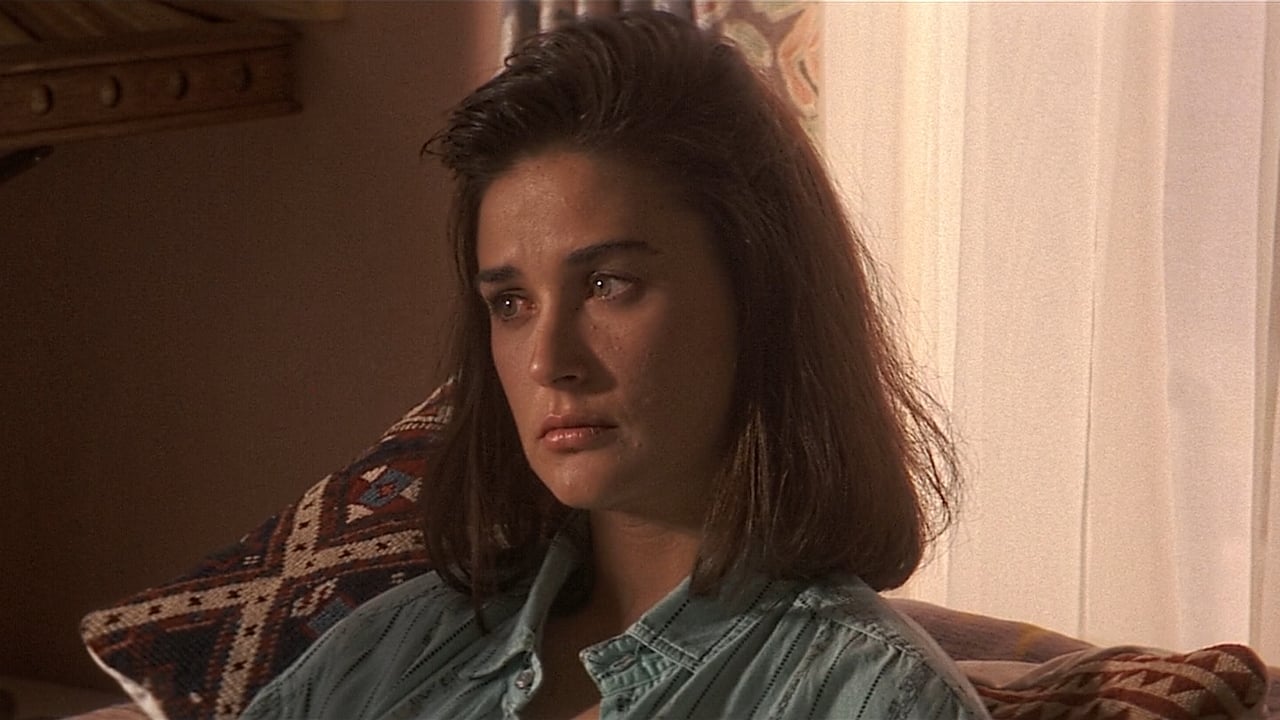
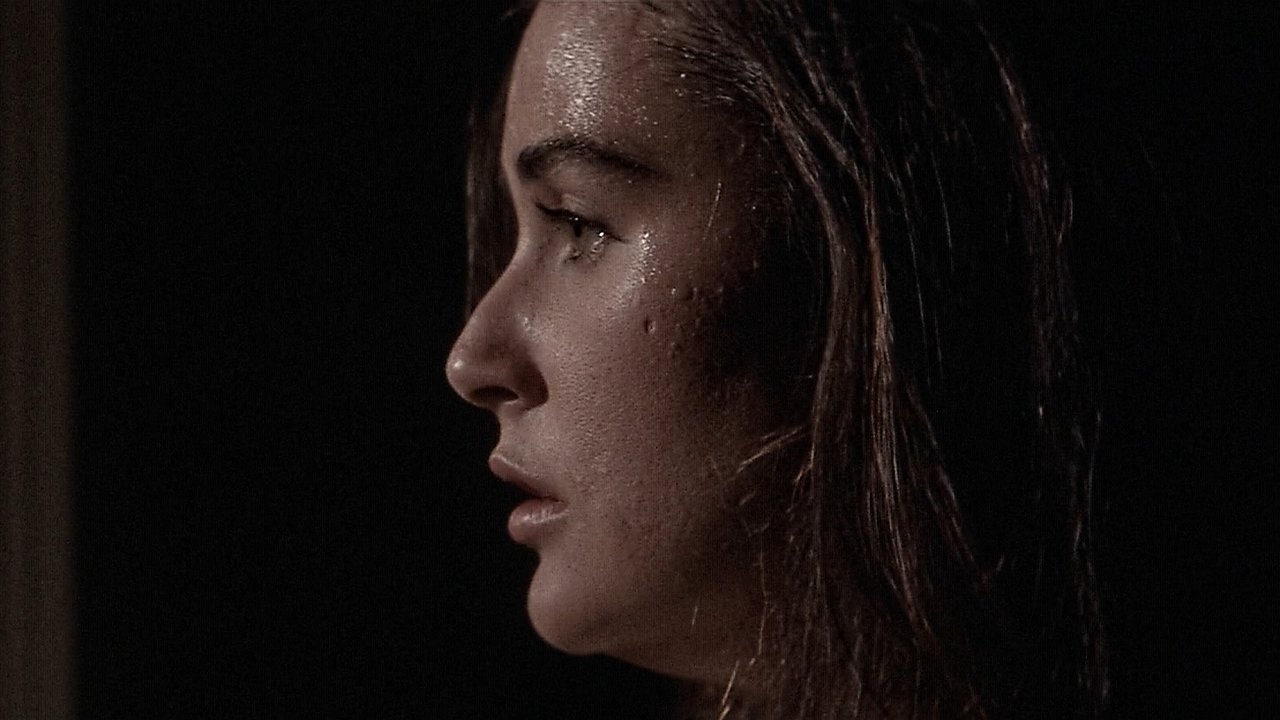
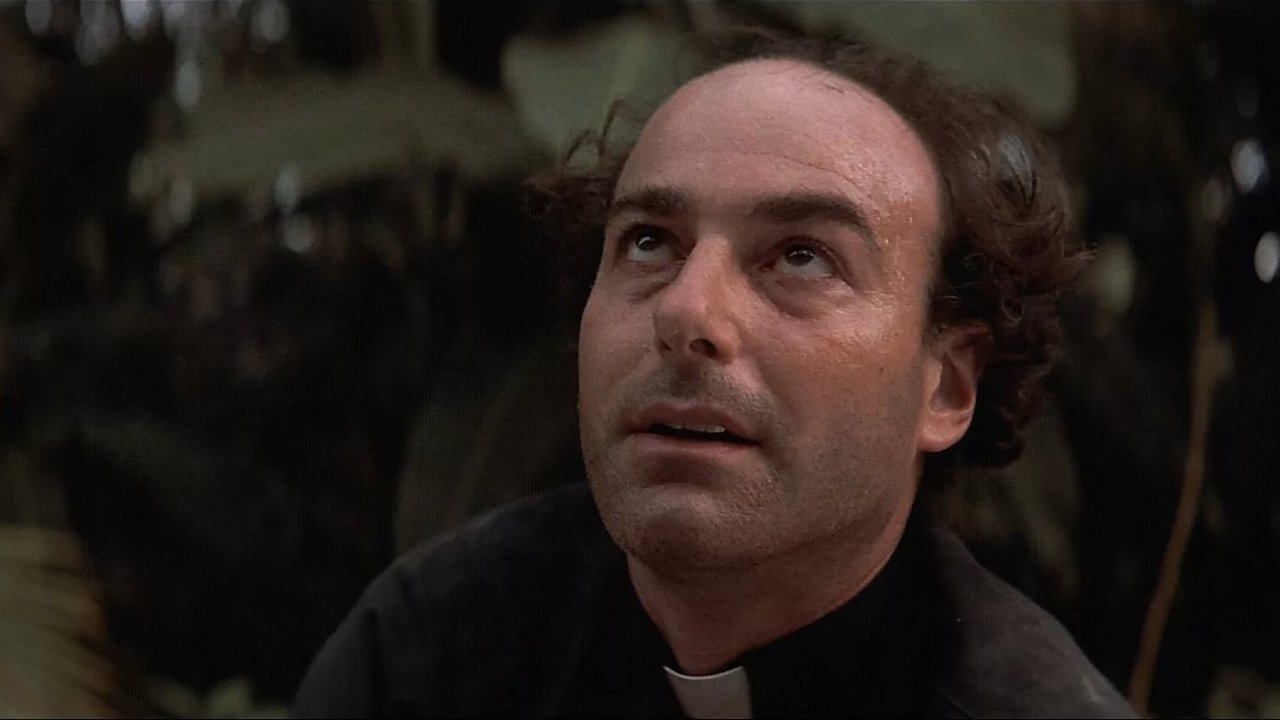
Jürgen Prochnow, bringing the same stoic intensity he displayed in Wolfgang Petersen's Das Boot (1981), is perfectly cast as the enigmatic messenger whose identity becomes one of the film's central mysteries. Michael Biehn does capable work as the increasingly bewildered husband, though the script doesn't give him as much to chew on as Abby's character arc. The film bravely tackles themes of faith, predestination, sacrifice, and the nature of hope in the face of oblivion. It asks big questions, even if the answers sometimes feel muddled within the intricate plot involving Guf (the Hall of Souls) and the specific mechanics of averting judgment. Some viewers might find the theological exposition dense or the pacing occasionally uneven, particularly in the middle act. It demands patience, asking you to sink into its gloom rather than providing constant thrills.
The Final Seal
The Seventh Sign isn't a perfect film. Its narrative threads can sometimes feel tangled, and its earnestness occasionally tips towards melodrama. Yet, its power lies in its pervasive atmosphere of dread, Demi Moore's committed performance (amplified by her real-life circumstances), and its chillingly understated portrayal of the apocalypse unfolding not with a bang, but with a series of terrifying, world-altering whispers. It’s a film that takes its premise seriously, aiming for theological horror rather than cheap scares, and that ambition, even with its flaws, makes it memorable. It captures a specific late-80s vibe – a willingness to blend genre thrills with weighty, almost somber philosophical questions.
Rating: 7/10
Justification: The score reflects the film's undeniable strengths in atmosphere, its compelling central performance, and its unique, ambitious premise within the 80s thriller landscape. It successfully evokes a palpable sense of dread. However, it loses points for occasional pacing issues, a sometimes convoluted plot involving complex theological elements that aren't always clearly explained, and a script that could feel uneven in balancing its ideas and character development. It's a strong "mood piece" that resonates despite its imperfections.
For those who remember renting this tape, perhaps drawn in by the stark cover art or the promise of a different kind of end-of-the-world story, The Seventh Sign remains a fascinating, flawed, and genuinely unsettling artifact of 80s supernatural cinema – a quiet chill that lingers surprisingly long.