Okay, fellow tape travellers, let’s rewind to 1993. The shelves of Blockbuster were brimming with neon-splashed action flicks and saccharine family comedies. But nestled amongst them was a Disney offering that felt… different. A Far Off Place wasn’t about animated royalty or wacky sports teams; it plunged us into the vast, breathtaking, and perilous landscapes of the African wilderness, offering an adventure with genuine stakes and stunning visuals that felt miles away from the usual Magic Kingdom fare.
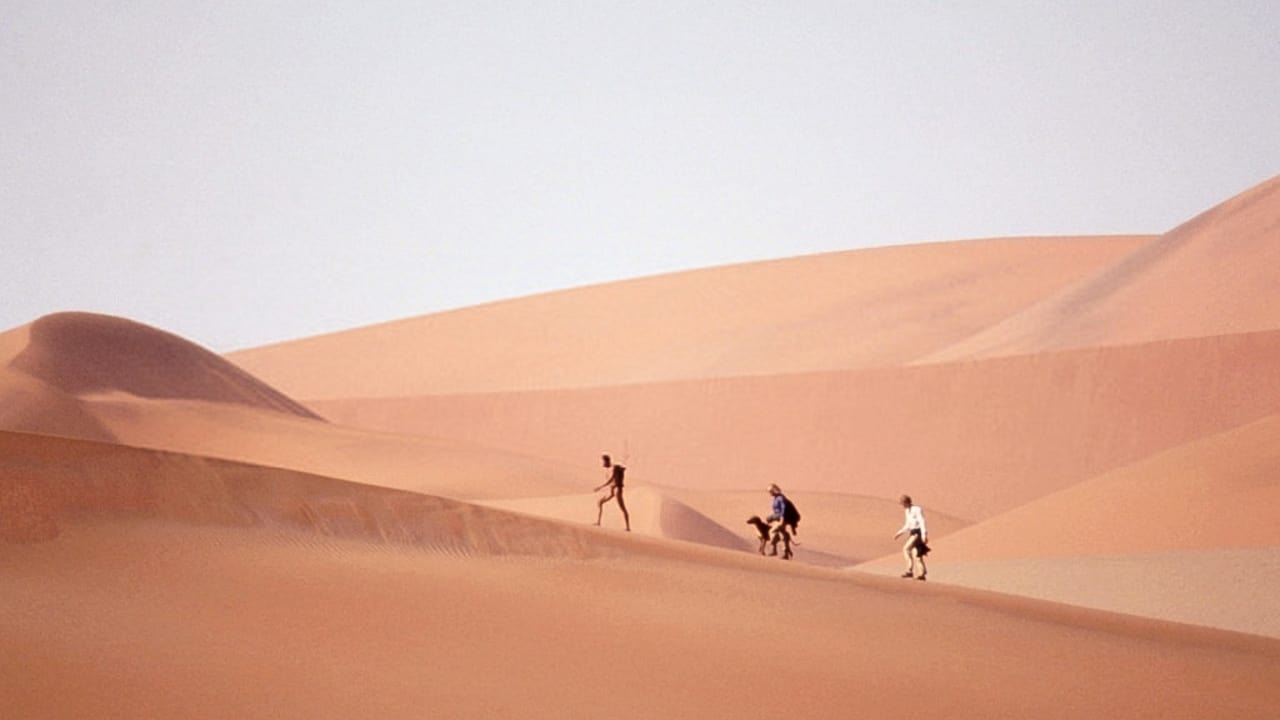
The film opens with a deceptive calm, showcasing the idyllic life of Nonnie Parker (Reese Witherspoon, in one of her earliest starring roles, already showing sparks of the talent that would make her a household name) on her family’s game farm near the Kalahari Desert. City boy Harry Winslow (Ethan Randall, who you’ll likely recognize later as Ethan Embry from films like Can't Hardly Wait) arrives, initially resistant to the rugged beauty surrounding him. This peaceful setup is shattered with brutal efficiency when ruthless poachers, led by the menacing John Ricketts (Jack Thompson, always compelling), attack the farm, leaving Nonnie and Harry orphaned and running for their lives. It's a jarring shift, signaling that this isn't your average kids' movie.
### Across the Sands of Survival
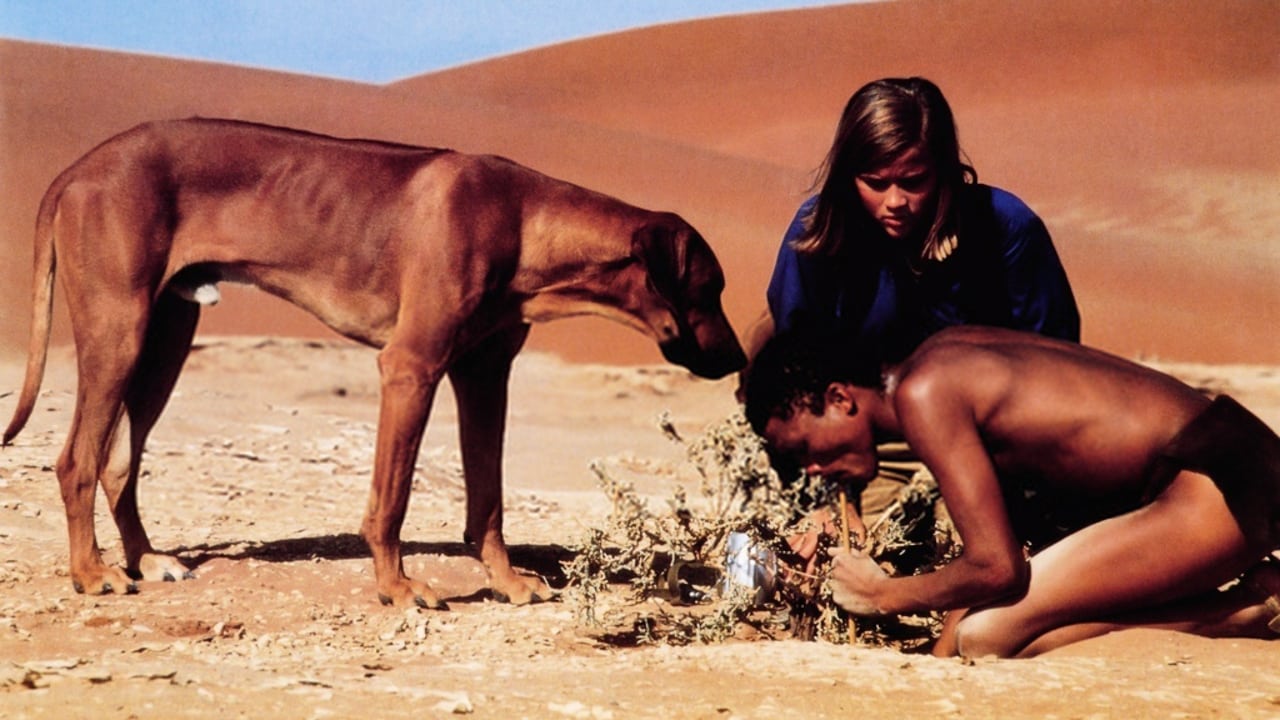
Their only hope lies in a perilous 2,000-kilometer trek across the unforgiving Kalahari Desert to the coastal city of Walvis Bay. Guided by a wise Bushman tracker named Xhabbo (played with quiet dignity by Sarel Bok), the trio must rely on ancient survival skills, their wits, and each other to evade the pursuing poachers and endure the harsh elements. This journey forms the heart of the film, and it’s where A Far Off Place truly shines.
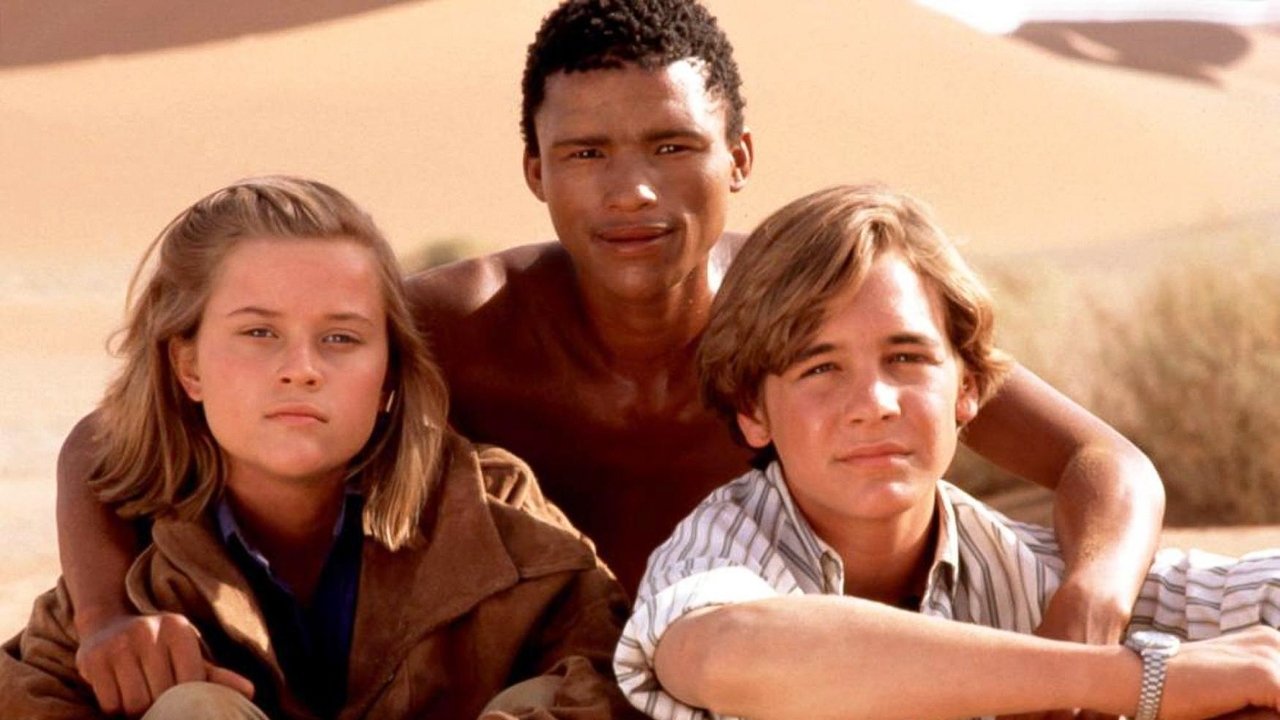
Director Mikael Salomon, who impressively transitioned from a celebrated cinematographer (known for his work on The Abyss), uses his visual expertise to stunning effect. The vast, sun-scorched landscapes of Namibia and Zimbabwe, where the movie was filmed on location, become a character in themselves. Salomon and cinematographer Juan Ruiz Anchía capture the immense scale and raw beauty of the desert – the rolling dunes, the dramatic rock formations, the unique wildlife – creating a sense of awe and isolation that pulls you right into the characters’ desperate plight. You can almost feel the heat shimmering off the sand through the flickering static of your old CRT TV.
### Young Talent in a Harsh World
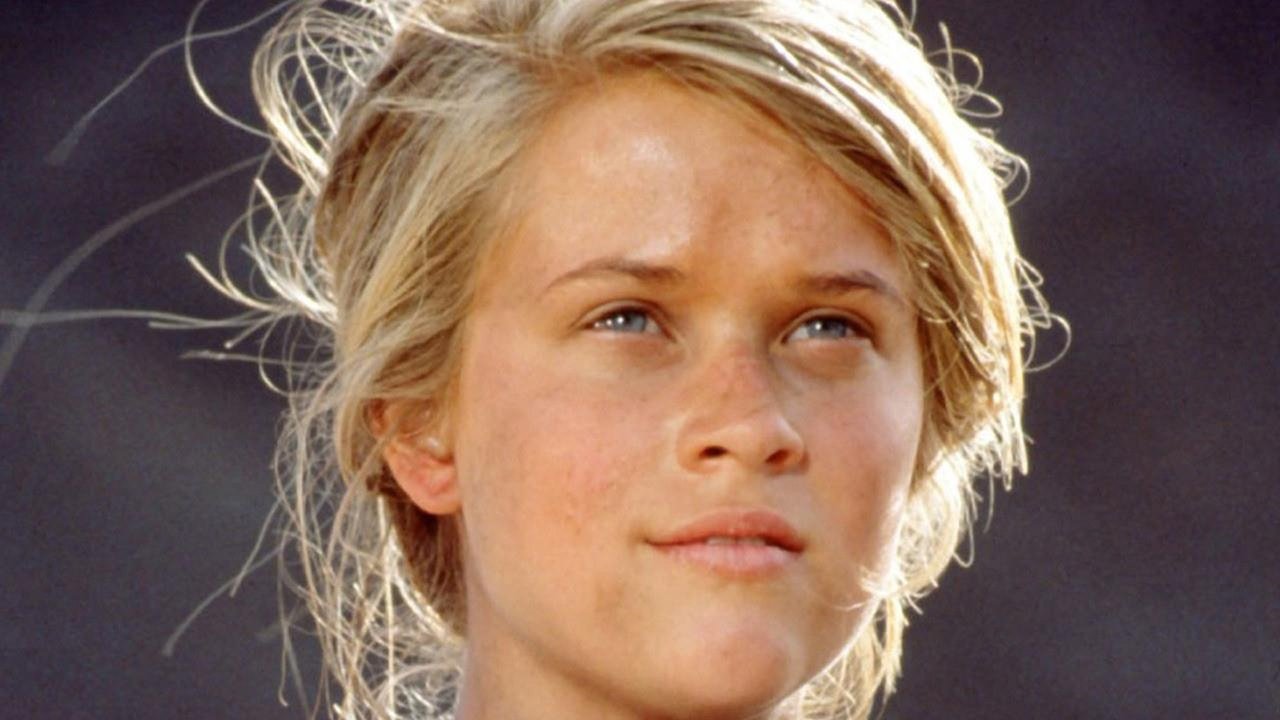
For a film resting heavily on the shoulders of its young leads, Witherspoon and Randall deliver remarkably grounded performances. Witherspoon, barely 16 during filming, portrays Nonnie’s resourcefulness and vulnerability with conviction. You see her grappling with immense loss while simultaneously tapping into a fierce determination inherited from her upbringing. Randall (or Embry, as we know him now) convincingly portrays Harry’s transformation from a spoiled city kid into a capable survivor, his initial friction with Nonnie evolving into a believable bond forged in shared adversity. Their dynamic feels authentic, navigating grief, fear, and burgeoning trust amidst life-or-death circumstances.
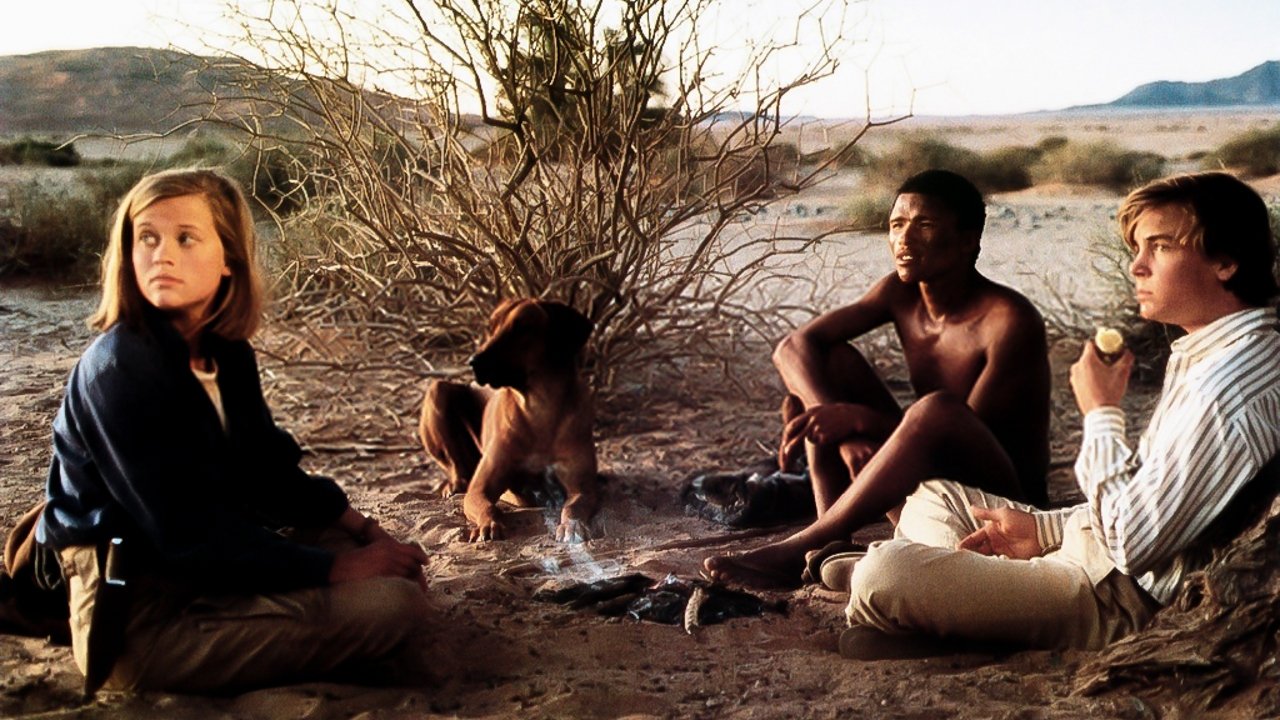
The script, penned by Robert Caswell, Jonathan Hensleigh (who would later write blockbusters like Armageddon and Die Hard with a Vengeance), and Sally Robinson, adapts two novels by Laurens van der Post ("A Story Like the Wind" and its sequel "A Far Off Place"). While it streamlines the source material, it retains a sense of respect for the Bushman culture through the character of Xhabbo and emphasizes themes of conservation and the clash between modernity and tradition – quite mature territory for a Disney film of the era.
### Sounds of the Wilderness and Behind the Dust
Adding immeasurably to the atmosphere is the magnificent score by the late, great James Horner. Fresh off triumphs like Glory and Field of Dreams, Horner crafted music that perfectly complements the visuals, swelling with grandeur during panoramic shots of the landscape and underscoring the tension during moments of peril. His distinctive blend of orchestral power and subtle indigenous influences elevates the emotional impact significantly. It’s one of those scores you might find yourself humming long after the credits roll.
Filming A Far Off Place was no small feat. Shooting in remote locations presented logistical nightmares, from transporting equipment across challenging terrain to working with unpredictable weather and wildlife. Executive produced under Steven Spielberg's Amblin Entertainment banner, the film had ambition, reflected in its estimated $16 million budget. Unfortunately, it didn't quite connect with audiences at the time, grossing only around $12.9 million worldwide. Perhaps its more serious tone and lack of conventional Disney whimsy made it a tougher sell in 1993. Watching it now, though, feels like uncovering a slightly dusty, overlooked gem.
### The Verdict on This Desert Trek
A Far Off Place might not have the iconic status of some other 90s adventure staples, but it holds up remarkably well as a beautifully shot, well-acted survival story with surprising emotional depth. It tackles mature themes with sensitivity and offers a compelling journey across landscapes rarely seen with such reverence on screen. The pacing might feel a little deliberate for modern tastes, and the plot hits some predictable beats, but the sheer visual splendor and the earnestness of the performances make it a rewarding watch. It’s a reminder of a time when family films weren’t afraid to be a little more grounded, a little more challenging, and a whole lot more breathtaking.
Rating: 7/10
Justification: The stunning cinematography, James Horner's evocative score, and strong performances from the young leads make this a visually arresting and emotionally engaging adventure. While the narrative structure is somewhat conventional and its box office performance was underwhelming, its earnest tone, mature themes (for Disney), and incredible location work earn it solid marks. It overcomes some predictability with sheer craft and heart.
Final Thought: It might be a "far off place" in our cinematic memories, but this 90s adventure is well worth revisiting for its stunning views and heartfelt journey – a beautiful postcard from a slightly different corner of the Disney landscape.