Okay, picture this: It’s late Friday night, sometime around the turn of the millennium. You’re scanning the New Releases wall at Blockbuster (or maybe your local mom-and-pop video joint), the fluorescent lights buzzing overhead. Your eyes land on a familiar, blocky font: BLOODSPORT. But wait… this isn’t the Jean-Claude Van Damme classic. The box art looks darker, grittier. The title? Bloodsport: The Dark Kumite. Intrigued, maybe a little skeptical, you grab the tape. This, my friends, is the journey into the strange, often murky world of late-90s direct-to-video action sequels, and Bloodsport 4 (as it's often known) is a prime specimen.
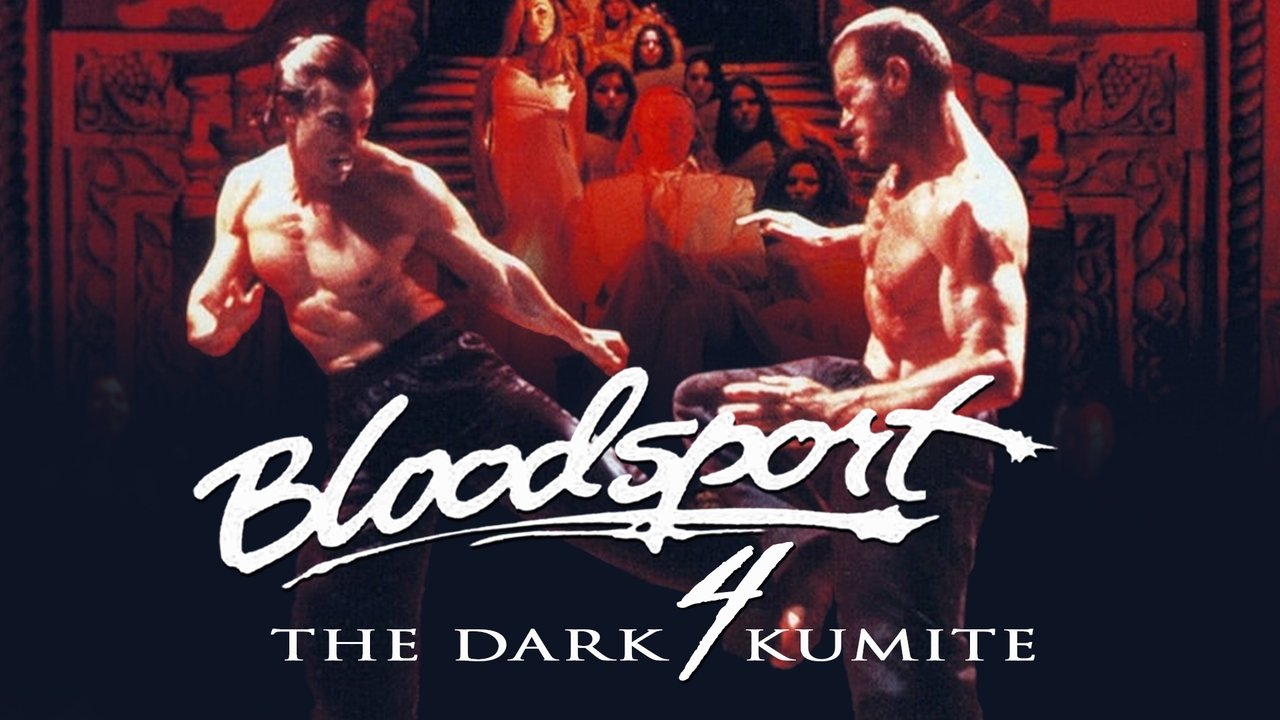
Released in 1999, this installment ditches Frank Dux entirely and introduces us to Agent John Keller, played by the undeniably athletic Daniel Bernhardt. Now, Bernhardt had already stepped into the Bloodsport arena with parts 2 and 3, carving out his own niche as the franchise’s new face. By this fourth outing, directed and co-written by Elvis Restaino (a name more commonly found in visual effects and art departments, which perhaps explains some of the film's visual ambitions, however constrained), the formula feels both familiar and distinctly… different.
Welcome to the Prison-Bound Kumite
The premise shifts gears dramatically. Keller isn't fighting for honor or escaping the military; he's a cop going undercover inside a brutal prison system run by a sadistic warden who forces inmates into a deadly, underground Kumite. The goal? Find out what happened to his partner's brother who disappeared inside. It’s less about the globe-trotting mystique of the original and more about gritty, confined survival. Think Bloodsport meets Death Warrant, another Van Damme vehicle, funnily enough.
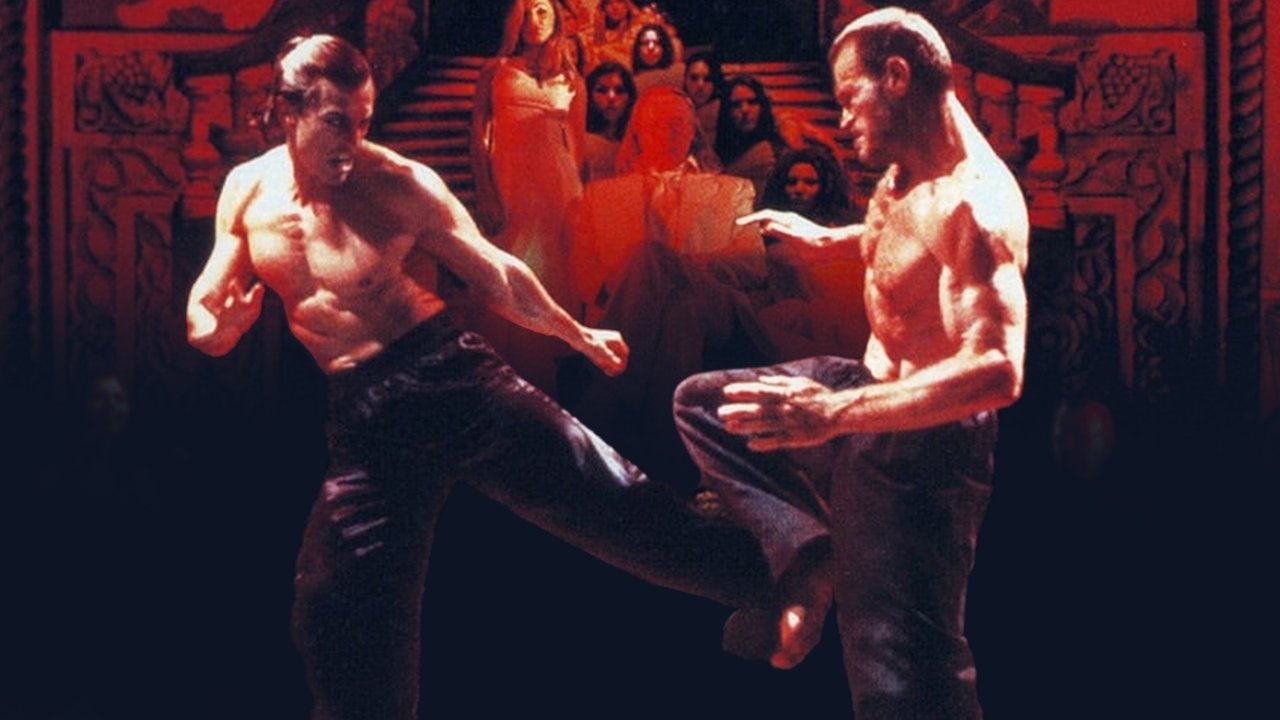
The change in setting immediately signals the budgetary constraints common to these DTV sequels. Gone are the exotic Hong Kong locales, replaced by warehouses, cells, and industrial fighting pits that feel distinctly Eastern European (likely filmed in Bulgaria, a common spot for cost-effective action shoots in this era). Yet, there's a certain charm to this low-fi aesthetic. It feels tangible, grounded in a way that slicker productions sometimes miss. You can almost smell the rust and desperation.
Bernhardt Brings the Pain
Let's be honest, you're renting a Bloodsport sequel for the fights, and Daniel Bernhardt delivers. A genuinely skilled martial artist, his movements are crisp, powerful, and thankfully captured without excessive shaky-cam or hyper-editing that plagued later action films. The choreography here feels more grounded than the almost balletic style of the original, leaning into harder hits and more grappling. It’s less about Dim Mak death touches and more about bone-crunching realism, or at least, the 90s DTV version of it.

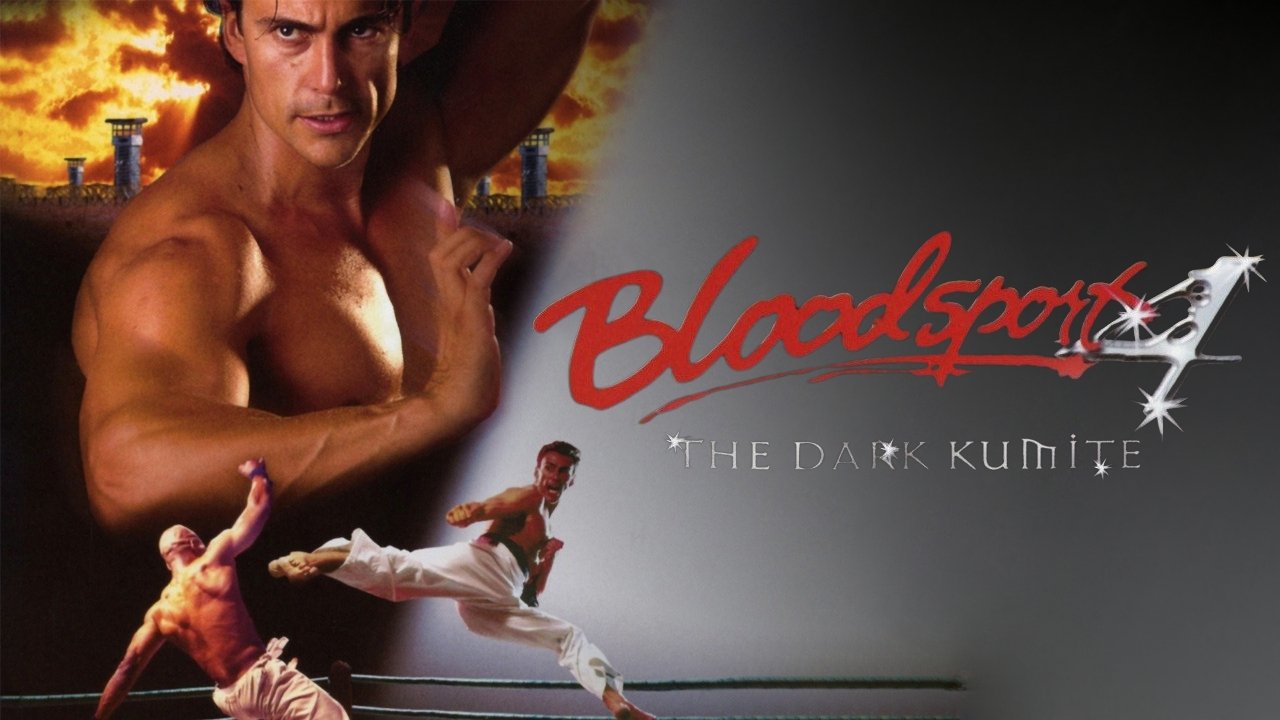
Remember how thrilling those full-contact hits felt back then? Even on a slightly fuzzy VHS transfer, the impact of Bernhardt’s kicks and punches lands. They weren't hiding behind quick cuts as much; you saw the connection (or the stuntman very convincingly selling the connection). Supporting fighters, including Ivan Ivanov as the imposing prison champion Caesar, provide credible threats. While none possess the unique, almost comic-book styles of Chong Li's opponents in the original, they bring a sense of raw menace fitting the prison environment.
Late 90s Action Quirks
This being a 1999 film, it sits right on the cusp of changing action trends. While the core fights feel practical, there are hints of the wire-work that would soon dominate martial arts cinema thanks to The Matrix (released the same year!). It's not overdone here, but you can spot a few moments where physics takes a brief holiday. It's an interesting transitional fossil, in a way.
The script, penned by Restaino and George Franklin, is functional at best. Dialogue serves primarily to move Keller from one confrontation to the next. Supporting characters, like fellow inmate Schrek or love interest Blaire (Lisa Stothard), are sketched thinly. But were we really expecting Aaron Sorkin levels of banter? No, we came for the Kumite, dark or otherwise! It's worth noting that Bernhardt himself apparently had a hand in shaping some of the fight sequences, a testament to his dedication to the physical side of the performance even within the confines of a sequel.
The film wasn't exactly a critical darling upon release, nor did it set the video rental charts ablaze like its namesake progenitor. It was another cassette on the shelf, a reliable weekend watch for action junkies seeking their fix. But watching it now, there's an undeniable nostalgic appeal. It represents the tail-end of a specific era of action filmmaking – tougher, leaner, made with less money but often brimming with a certain earnest intensity.
***
VHS Heaven Rating: 5.5/10
Justification: Bloodsport: The Dark Kumite earns points for Daniel Bernhardt's solid martial arts performance and some genuinely impactful fight choreography that holds up surprisingly well. It delivers on the core promise of tournament-style combat, albeit within a grittier, less glamorous prison setting. However, it loses marks for a predictable plot, thin characterizations, and the inescapable feeling of being a lower-budget sequel trading on a famous name. It lacks the iconic moments and charm of the original.
Final Thought: While it'll never eclipse the original JCVD classic, The Dark Kumite is a surprisingly watchable slice of late-90s DTV action, especially if you appreciate Bernhardt's physical prowess. It’s the kind of movie you'd find buried treasure on the rental shelf – not gold, maybe, but definitely a solid piece of beat-'em-up brass that still packs a satisfying, if slightly faded, punch.