There’s a quiet corner of the 90s video store shelf, away from the exploding buildings and sarcastic quips, where certain films waited patiently. They weren’t always the loudest or the flashiest, but they held a different kind of power – the power of a simple story told with immense heart. Tucked amongst the family fare, often housed in a slightly worn clamshell case, was 1996’s Shiloh. For many of us who caught it on VHS, maybe on a rainy Saturday afternoon, it wasn't just a movie about a boy and his dog; it felt like a whispered secret about courage, kindness, and the tough choices that shape us.
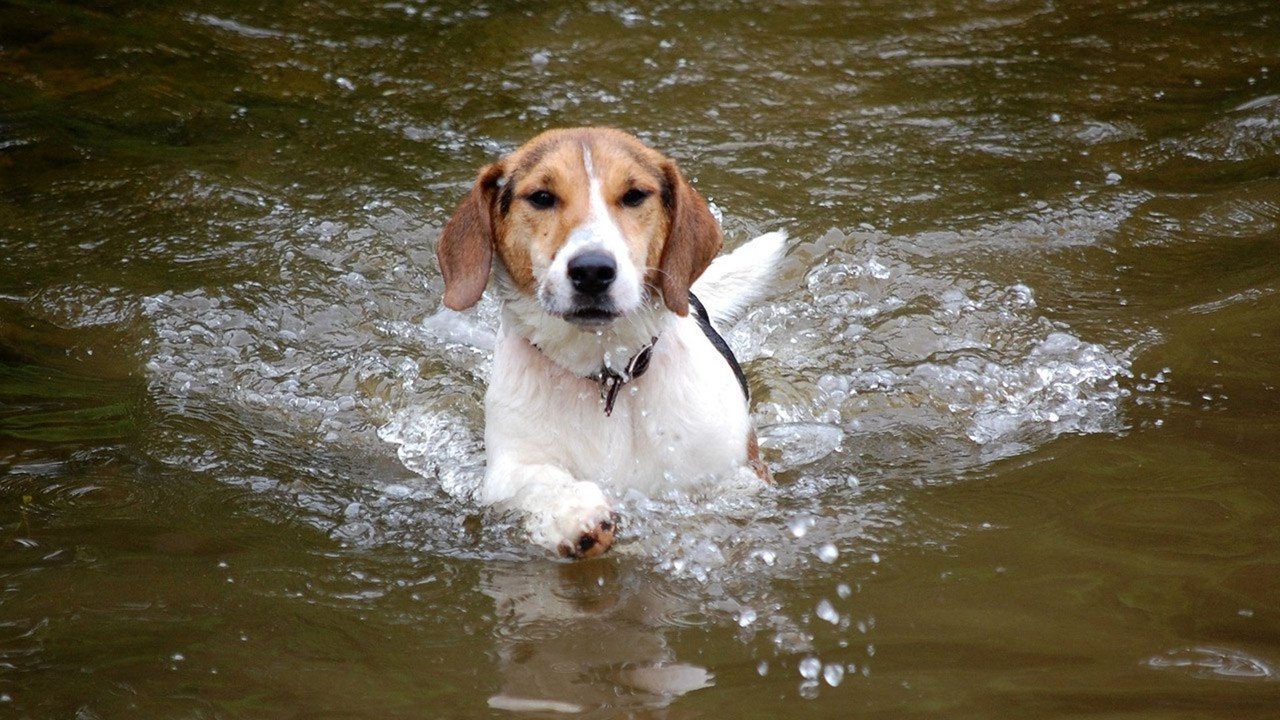
Based on the celebrated, Newbery Medal-winning novel by Phyllis Reynolds Naylor, the film instantly transports you to the misty hills of rural West Virginia. We meet Marty Preston, played with genuine sensitivity by a young Blake Heron in what was a truly memorable leading role for the newcomer. Marty’s world is small but intensely felt, and it’s irrevocably changed when he encounters a beagle pup cowering by the creek – a dog clearly running from something, or someone. Naming him Shiloh, Marty feels an immediate, fierce connection, one that resonates deeply with anyone who’s ever loved an animal.
A Boy, A Dog, and A Difficult Truth
The beauty and the ache of Shiloh lie in its unflinching honesty about difficult situations. This isn't just a tale of rescuing a stray; it’s about discovering the dog belongs to Judd Travers, the town’s resident grump and suspected animal abuser, portrayed with chilling effectiveness by the late, great Scott Wilson. Wilson, an actor we knew from intense roles in films like In Cold Blood (1967) and who would later gain new fame in The Walking Dead, brings a complex menace to Judd. He’s not a cartoon villain; he’s a hard man shaped by a hard life, making Marty’s dilemma all the more potent. How do you do the right thing when the law – and local custom – seems stacked against you?
Marty’s attempts to hide Shiloh, the web of lies he spins (however well-intentioned), and the strain it puts on his relationship with his parents form the emotional core. His father, Ray Preston, is played with understated strength by Michael Moriarty (familiar to many from his time on Law & Order). Ray is a man bound by principle and limited means, grappling with his son’s passionate defiance while trying to navigate the harsh realities of their community. Their quiet conversations are some of the film’s most powerful moments, exploring morality in shades of grey rather than simple black and white.
Bringing A Beloved Book to the Screen
Adapting a cherished children’s book is always a tricky proposition, but writer-director Dale Rosenbloom clearly approached the material with deep respect. This wasn't a typical Hollywood assignment for Rosenbloom, who was more prolific as a producer; Shiloh felt like a passion project, and it shows. The film retains the novel's gentle pacing and its focus on internal conflict over external action. Filming on location in the small towns and countryside of Tyler County, West Virginia, adds an essential layer of authenticity, making the setting itself a character. You can practically feel the cool Appalachian air and smell the damp earth.
One fascinating tidbit is how committed the production was to capturing the spirit of the book. Phyllis Reynolds Naylor herself reportedly praised the film's faithfulness, which is high praise indeed. And for those wondering about the four-legged star? The main dog playing Shiloh was reportedly a talented beagle named Frannie, and like most reputable productions involving animals, especially those depicting harsh treatment, animal welfare organizations were likely involved to ensure everything seen on screen was achieved ethically and safely. It’s a relief to know that the distress we feel for Shiloh is a testament to filmmaking skill, not actual harm.
More Than Just a Rental
Shiloh wasn't a massive blockbuster. Made on a modest budget, its real success story unfolded not necessarily in packed multiplexes, but in living rooms, through countless VHS rentals and television viewings. It found its audience organically, connecting with families who appreciated its sincerity and emotional depth. It struck such a chord, in fact, that it spawned two sequels, Shiloh 2: Shiloh Season (1999) – which brought back Heron, Wilson, and Moriarty – and Saving Shiloh (2006), further cementing its place as a quiet family classic. Its IMDb score sits at a respectable 7.0, reflecting its enduring appeal.
The film tackles themes of poverty, responsibility, the cycle of abuse (both animal and potentially human, hinted at in Judd’s character), and the courage it takes to stand up for one's convictions, even when it’s difficult. It doesn't shy away from the fact that doing the right thing can have complicated consequences. For kids watching in the 90s, Marty’s struggle felt incredibly real – maybe you even imagined what you would do in his shoes. Could you lie to your parents? Could you stand up to someone as intimidating as Judd Travers?
VHS Heaven Rating: 8/10
Shiloh earns a solid 8 out of 10. It's a beautifully crafted, emotionally resonant film anchored by strong performances, particularly from young Blake Heron and the perfectly cast Scott Wilson. Its faithfulness to the beloved source material, its authentic sense of place, and its willingness to tackle complex moral issues without easy answers make it stand out. It might lack the high-octane thrills of other 90s fare, but its quiet power lingers long after the credits roll. It doesn’t just tug at the heartstrings; it engages the conscience.
This is one of those tapes that probably saw heavy rotation in family VCRs, a film that offered more than just entertainment – it offered something to think about. Shiloh remains a testament to the enduring power of empathy, a gentle giant among family films, and a truly cherished memory from the video store era.