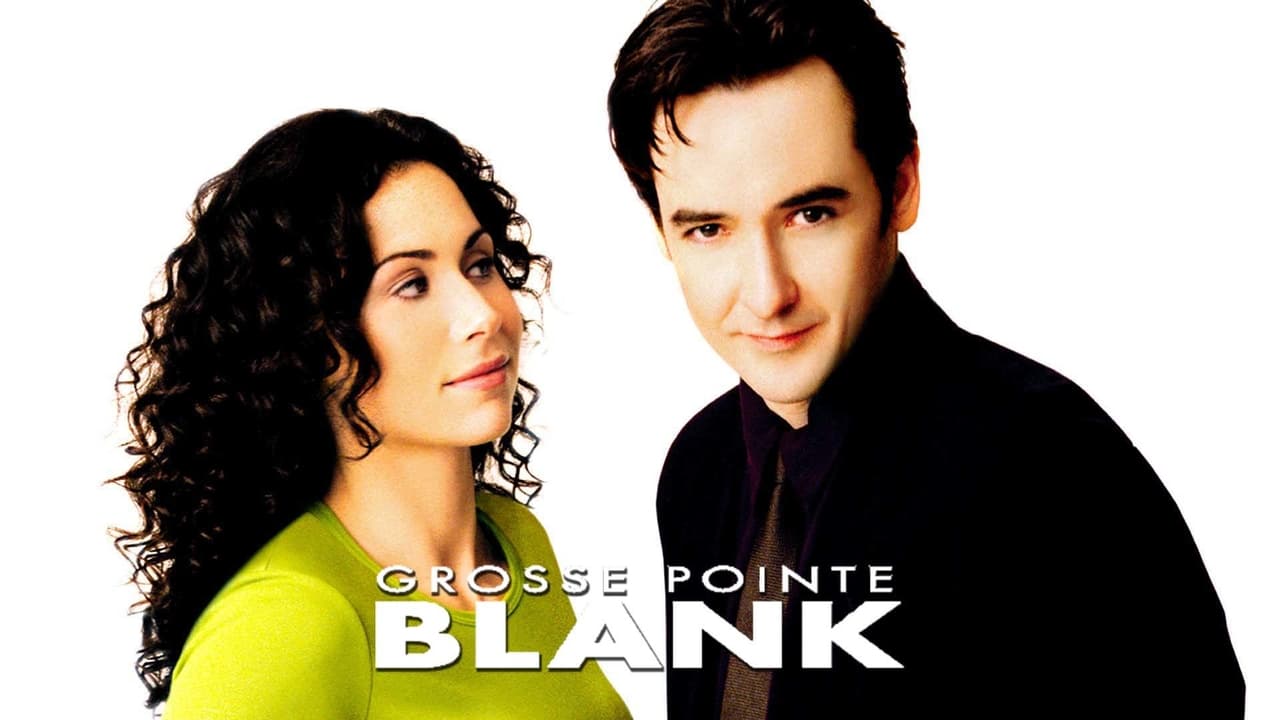
Alright, rewind your minds back to '97. The video store shelves were still brimming with possibility, and hidden amongst the usual action fare and rom-coms was this absolute gem: Grosse Pointe Blank. You might have grabbed the box lured by John Cusack's familiar face, perhaps expecting something like Say Anything... but with, y'know, automatic weapons? What you got was something far weirder, funnier, and unexpectedly brilliant – a high-concept tightrope walk between existential dread, pitch-black comedy, and genuinely thrilling action.
### Homecoming with a Body Count
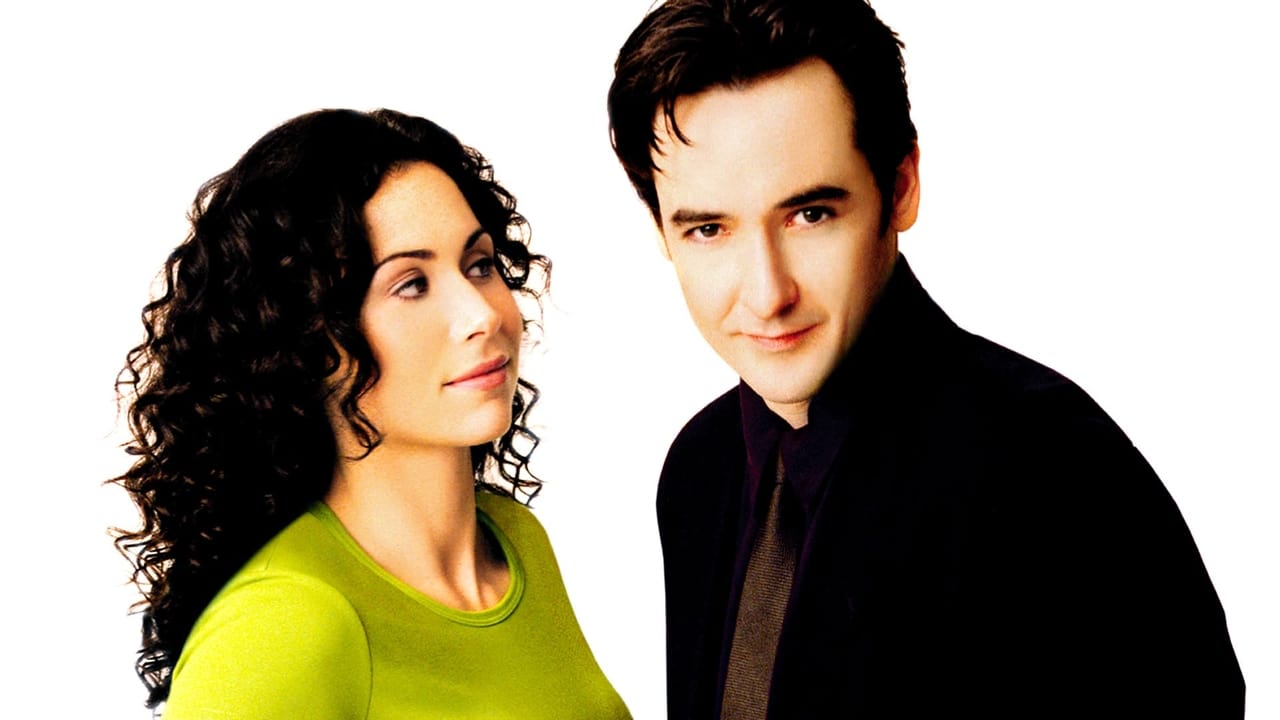
The premise alone is gold: Martin Blank (John Cusack), a disillusioned professional hitman, is strong-armed by his increasingly corporate assassin agency (and his wonderfully exasperated secretary, played by his sister Joan Cusack) into taking a job in his hometown of Grosse Pointe, Michigan. Why? Because it conveniently coincides with his ten-year high school reunion. Cue the awkward encounters with old classmates who wonder what he's been up to ("So... what's your specialty?" "Uh, population control?"), rekindling sparks with his high school sweetheart Debi (Minnie Driver), and trying very hard not to kill anyone while dodging rival assassins and federal agents. It's a setup ripe for satire, and director George Armitage, who previously gave us the gritty Miami Blues (1990), navigates the tonal shifts with surprising grace.
### Cusack Finds His Killer Instinct
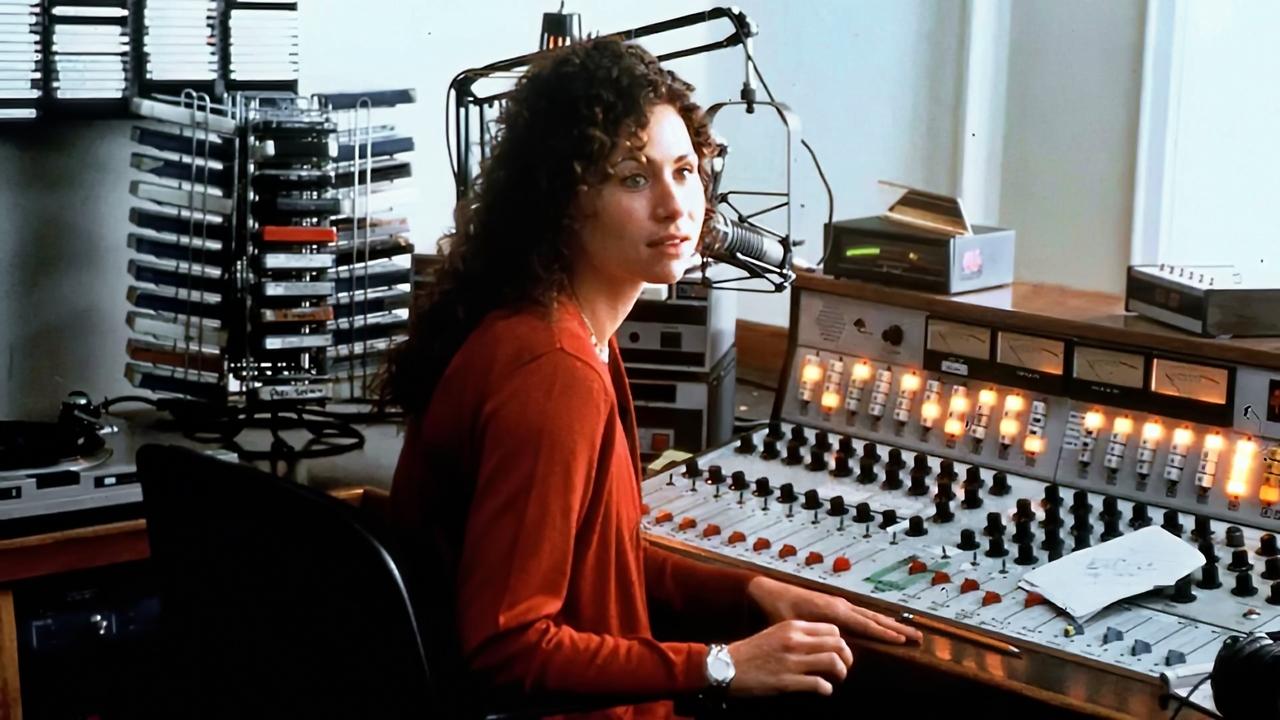
This film feels like peak John Cusack. He didn't just star; he co-wrote the script with buddies Steve Pink and D.V. DeVincentis (based on an original screenplay by Tom Jankiewicz), and it shows. Martin Blank fits him like a tailored suit – the cool, slightly detached exterior masking a simmering pot of anxiety and moral ambiguity. He delivers lines dripping with deadpan wit even while contemplating his next kill or undergoing hilariously unproductive therapy sessions with Dr. Oatman (Alan Arkin, stealing every scene he's in). It’s a role that weaponizes Cusack's trademark charm and intelligence, adding a layer of weary menace that was genuinely refreshing. Apparently, the script went through numerous drafts, initially being much darker before finding its unique comedic balance – a testament to Cusack and his team refining it into something special.
### Action That Bruises
Now, let's talk action. Grosse Pointe Blank arrived just before the full CGI onslaught changed everything. When Martin gets into scraps here, it feels messy, impactful, and real. Remember that convenience store shootout? It’s pure chaos – shattering glass, flying debris, bullets tearing through shelves. There's a weight to the violence that digital effects often smooth over. The hand-to-hand combat, particularly Martin’s brutal showdown with rival assassin Felix LaPoubelle, feels genuinely dangerous. Retro Fun Fact: LaPoubelle is played by none other than legendary kickboxing champion Benny "The Jet" Urquidez, who also served as the film's stunt coordinator. You can feel his expertise in that fight – it’s sharp, fast, and devoid of flashy wirework, relying instead on close quarters choreography that makes you wince. It’s the kind of practical stunt work that defined the era, demanding real skill and nerve from the performers.
### Sparks Fly, Bullets Fly
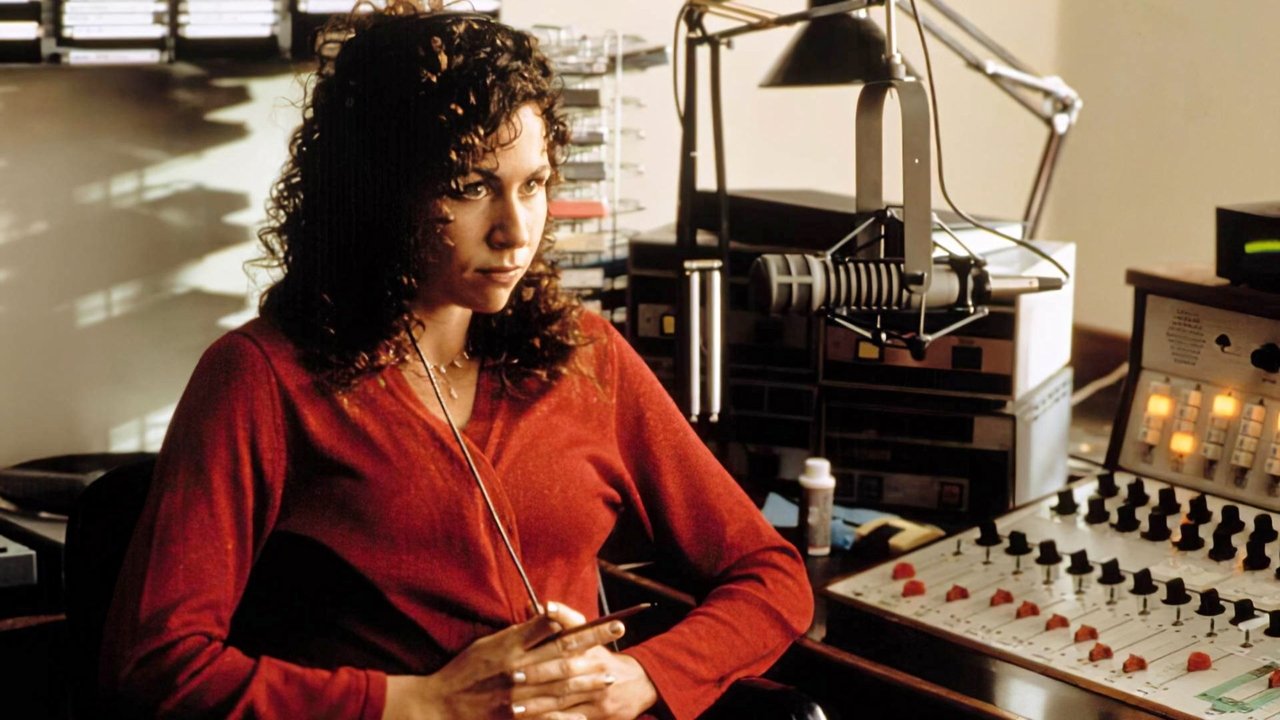
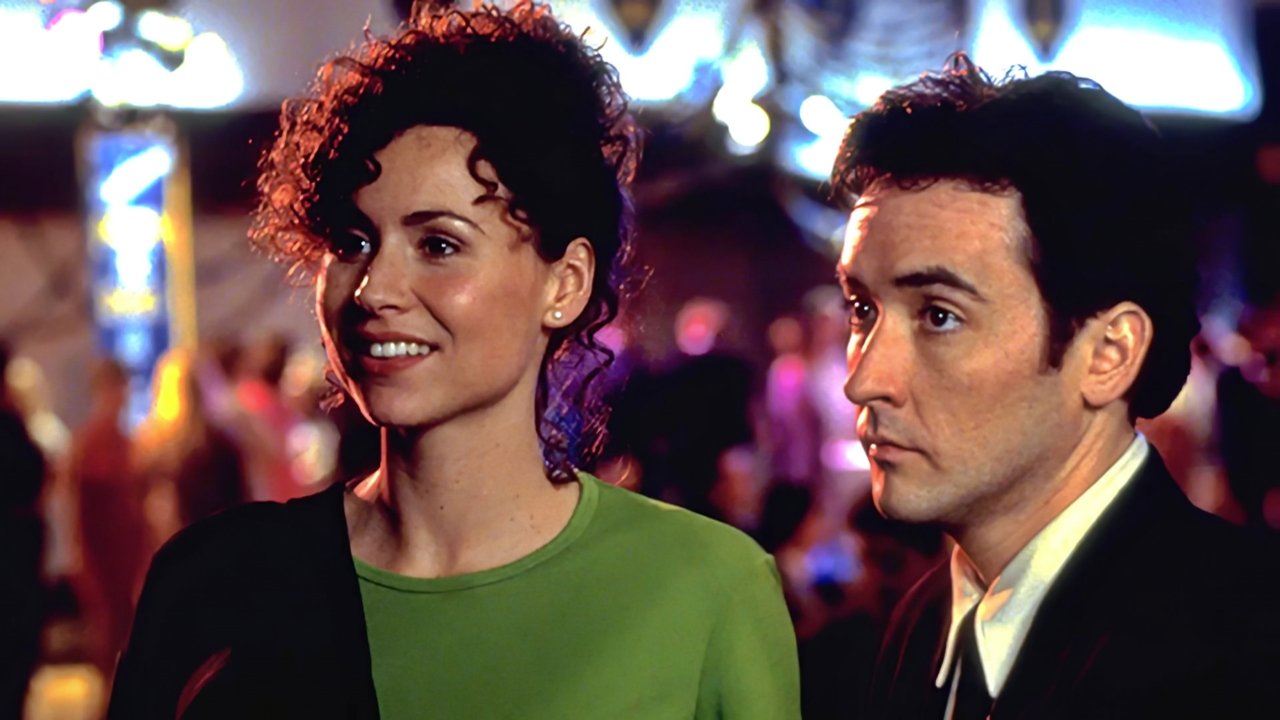
Beyond the mayhem, the heart of the film lies in the electric chemistry between Cusack and Minnie Driver. Debi isn't just a damsel; she's smart, funny, rightly bewildered by Martin's reappearance (and profession), and their rapid-fire banter is pure gold. Their scenes crackle with unresolved history and genuine affection, grounding the film's wilder impulses. Add in Dan Aykroyd having an absolute blast as Grocer, Martin's aggressively enthusiastic rival who wants him to join an assassins' union ("Like OPEC for killers!"), and you have a supporting cast firing on all cylinders.
### The Soundtrack is Everything
You simply cannot discuss Grosse Pointe Blank without mentioning its killer soundtrack. It’s not just background music; it’s practically a character in itself. Packed wall-to-wall with iconic 80s alternative and post-punk hits – The Clash, The Cure, Echo & the Bunnymen, Siouxsie and the Banshees, Violent Femmes – it perfectly captures the nostalgic yet edgy vibe of revisiting your youth while dodging bullets. Retro Fun Fact: In a brilliant move, the filmmakers even got Joe Strummer of The Clash to compose original score pieces, blending seamlessly with the licensed tracks and adding another layer of punk-rock cred. This soundtrack wasn't just a collection of songs; it was a carefully curated mood board for Martin's existential crisis.
### Cult Classic Credentials
While Grosse Pointe Blank wasn't a runaway blockbuster ($28 million domestic on a $15 million budget), it found its true audience on home video. Renting this tape felt like discovering a secret handshake – a movie that understood the absurdity of reconciling your past with your present, even if your present involved contract killing. It deftly balanced sharp wit, genuine romance, and thrilling action in a way few films manage, earning its place as a beloved cult favorite.
Rating: 9/10
The score reflects a near-perfect execution of a high-wire concept. The writing is razor-sharp, the performances are spot-on (especially Cusack, Driver, and Arkin), the action feels satisfyingly visceral, and the soundtrack is legendary. It masterfully blends genres, creating something uniquely funny, thrilling, and oddly poignant.
Final Word: Grosse Pointe Blank is the cinematic equivalent of finding your old mixtape in a bulletproof vest – effortlessly cool, surprisingly dangerous, and guaranteed to make you nod along to the beat, even amidst the carnage. A standout 90s classic that still hits the target today.