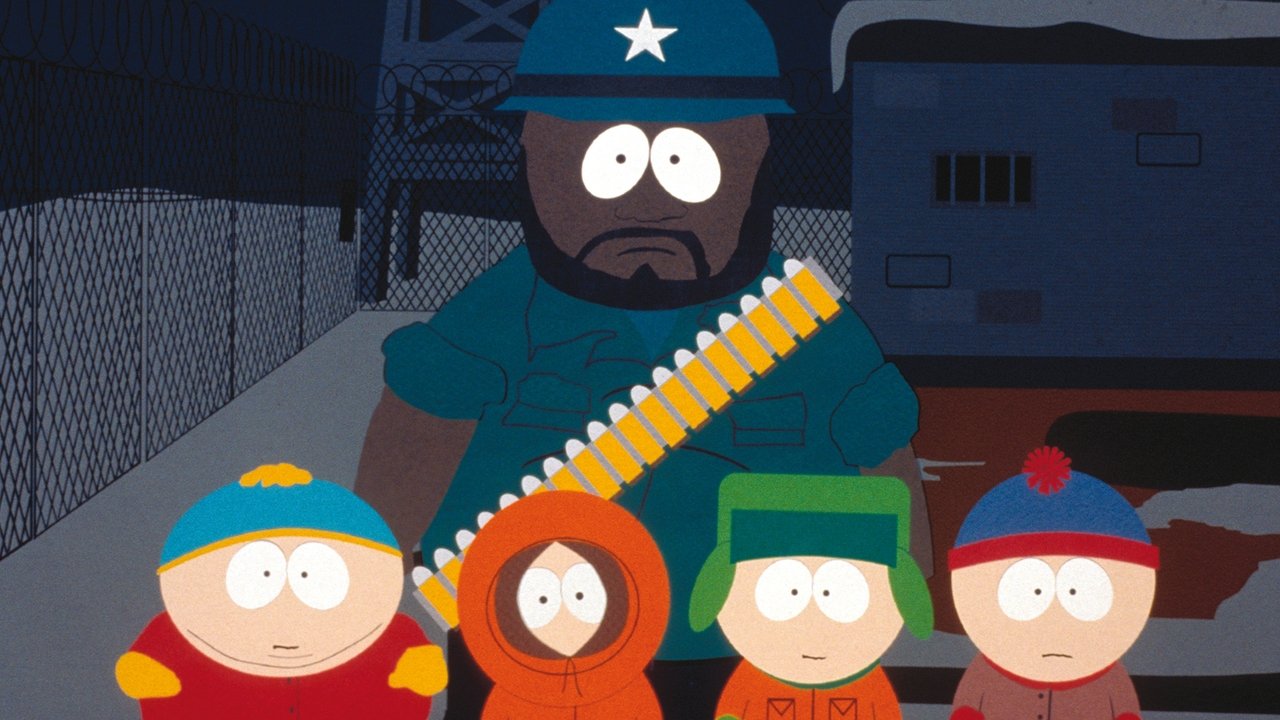
Alright, settle in and grab your suspiciously sticky-floored cinema seat memory (or maybe just your comfy couch), because we're rewinding the tape back to 1999. Few films landed with the sheer thud of gleeful outrage quite like Trey Parker and Matt Stone's big-screen escalation of their construction-paper Colorado town. "South Park: Bigger, Longer & Uncut" wasn't just a movie; it felt like a cultural hand grenade lobbed directly into the lap of polite society, and finding that oversized VHS box on the rental shelf felt like discovering forbidden treasure.
From Small Screen Scat Ology to Cinematic Spectacle
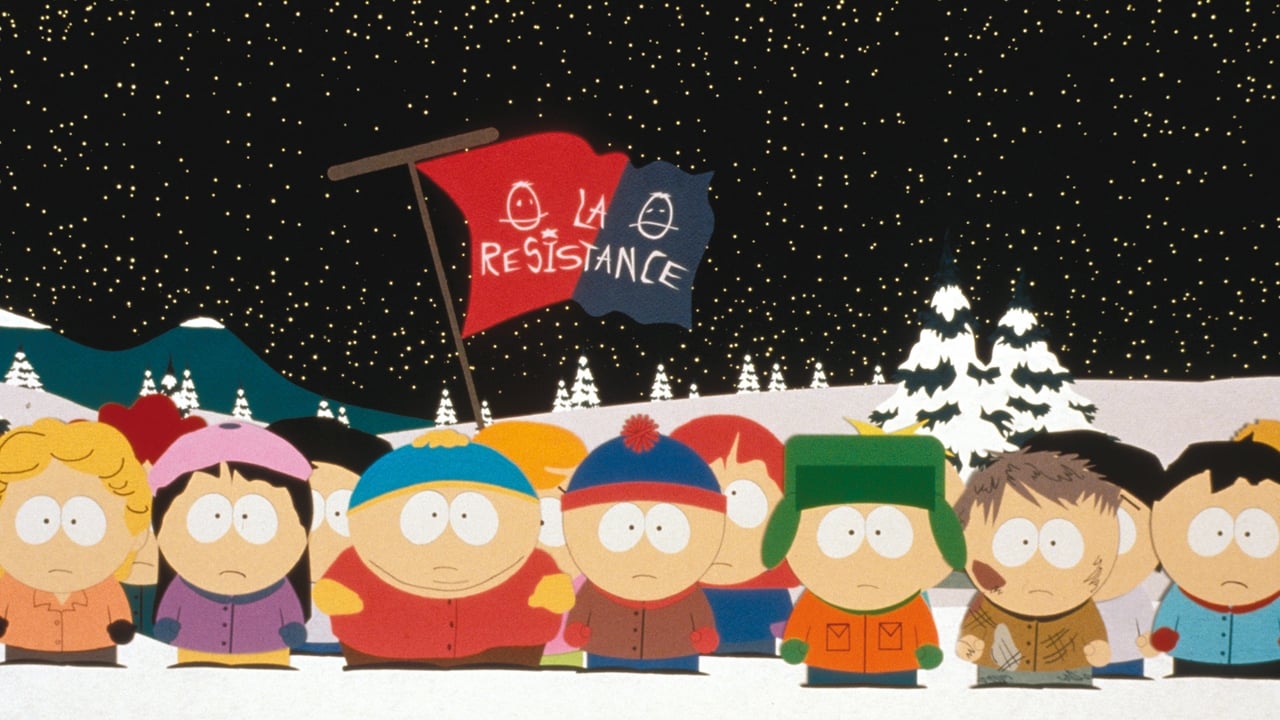
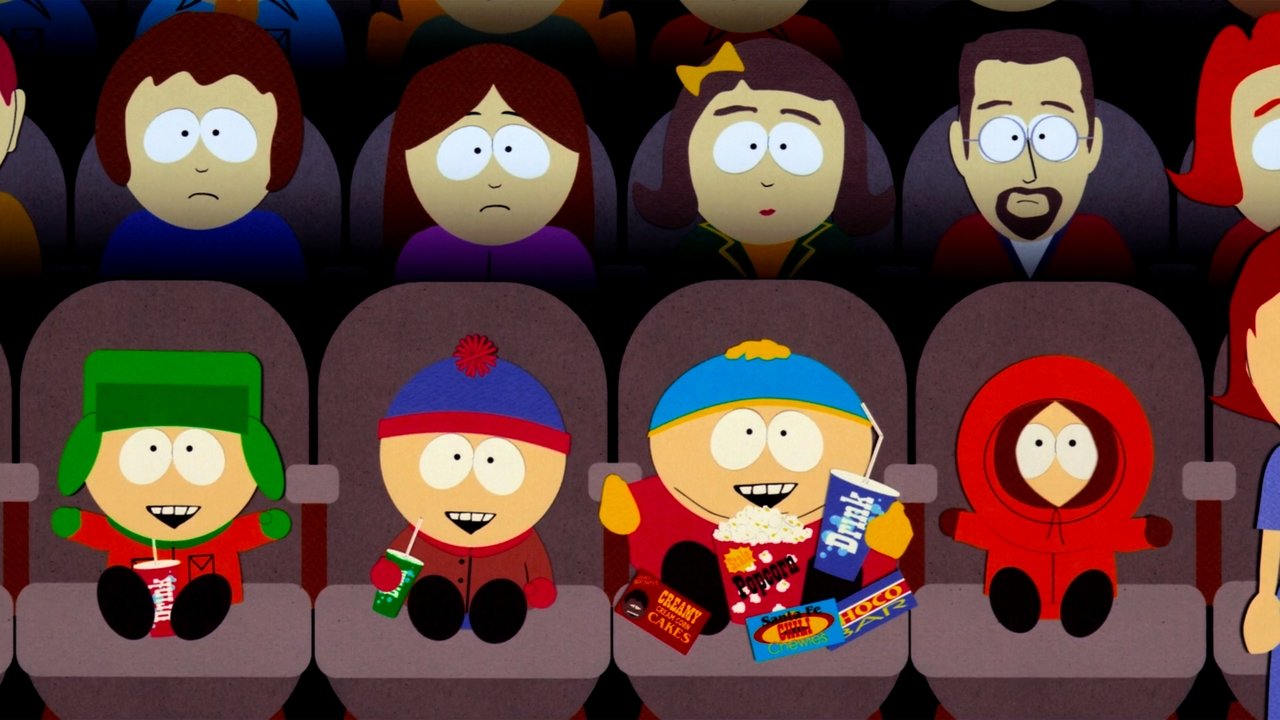
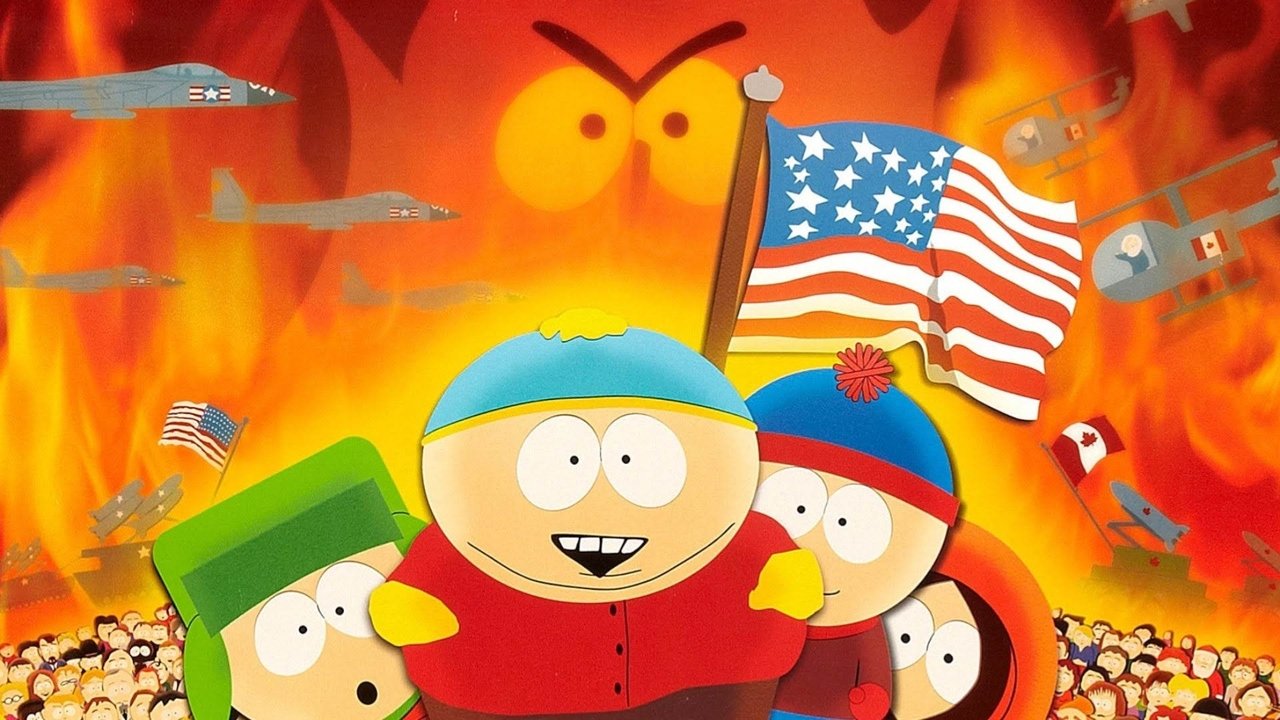
Let's be honest, the initial pitch – taking the deliberately crude, foul-mouthed charm of the Comedy Central show and stretching it to feature length – could have easily resulted in an overlong episode. But Parker and Stone, along with co-writer Pam Brady, didn't just go bigger; they went full Broadway-meets-blasphemy. The plot, involving the boys seeing an R-rated Canadian movie ("Terrance and Phillip: Asses of Fire") that sparks a moral panic leading to war with Canada, is deceptively clever scaffolding for relentless satire and surprisingly catchy musical numbers. This wasn't just South Park longer; it was South Park unleashed. The animation, while still retaining that beloved cut-out style, felt more dynamic, the scope genuinely cinematic compared to its TV origins. It was like seeing your favorite punk band suddenly backed by a full orchestra, albeit an orchestra playing songs about hell and flatulence.
The Hills Are Alive with the Sound of... Offense
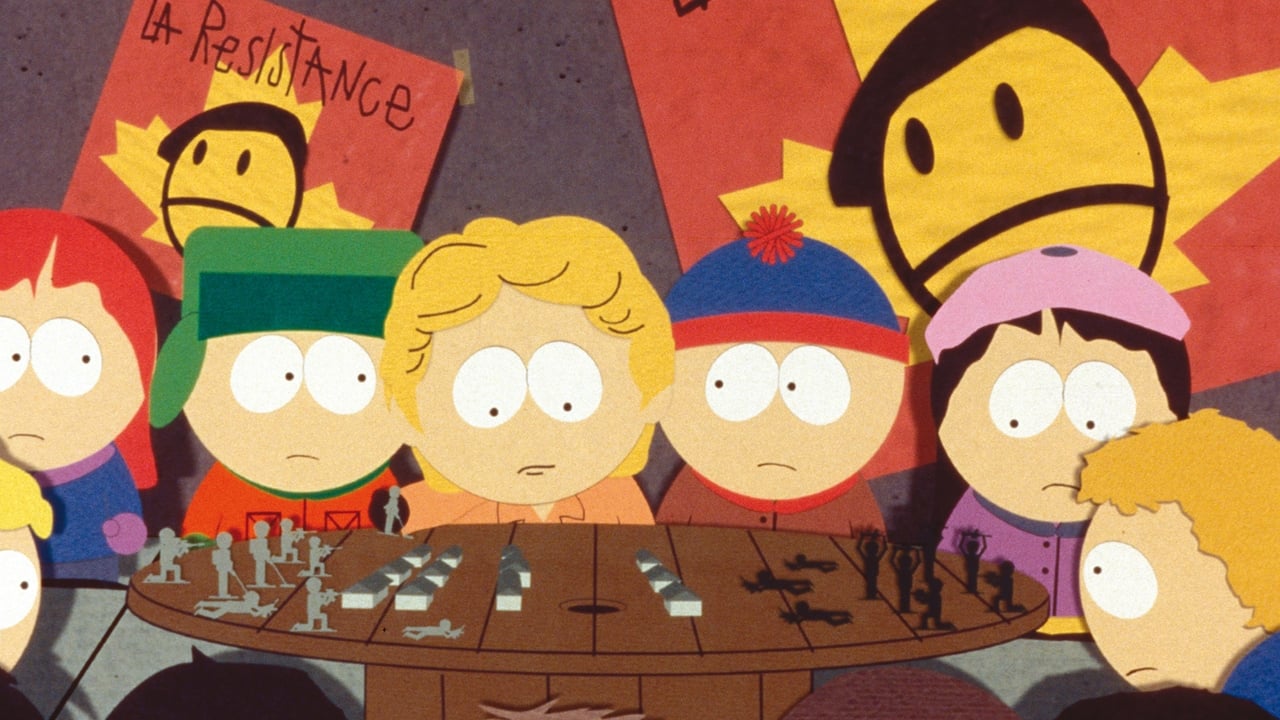
And oh, those songs! This is where "Bigger, Longer & Uncut" transcends its shock-value premise and becomes something truly special. Working with composer Marc Shaiman (yes, that Marc Shaiman of "Hairspray" and "Sister Act" fame!), Parker crafted a score that brilliantly parodied classic Disney and Broadway musicals while delivering genuinely fantastic tunes. From the opening optimism of "Mountain Town" to the operatic absurdity of "La Resistance (Medley)" and Satan's surprisingly heartfelt power ballad "Up There," the music is phenomenal. It’s almost impossible to talk about the film without humming "Uncle Fucka" under your breath (go on, admit it). Remember the sheer disbelief when "Blame Canada" snagged an Academy Award nomination for Best Original Song? The creators famously attended the Oscars allegedly under the influence, adding another layer to the film's rebellious legend. They didn't win, but the nomination itself felt like a victory for audacious comedy.
Fighting the Censors, One F-Bomb at a Time
The "Uncut" in the title wasn't just marketing fluff. Parker and Stone waged a legendary war with the MPAA ratings board. Terrified of the dreaded NC-17 rating (often seen as box office poison), they reportedly submitted the film multiple times, tweaking bits here and there, playing a cat-and-mouse game with the censors until they finally secured the R-rating they needed. The film itself became a meta-commentary on this very struggle, directly satirizing the pearl-clutching moral guardians who were, ironically, losing their minds over the film in the real world. It perfectly captured that late-90s anxiety about media influence, turning the panic into punchlines. Retro Fun Fact: The creators have claimed they initially aimed for an R but kept adding more offensive material with each MPAA rejection, essentially daring the board until they relented, resulting in a film far more outrageous than their original R-rated cut might have been.
Voices Behind the Mayhem
While Trey Parker and Matt Stone voiced the vast majority of the male characters, as they did on the show, the film owes an enormous debt to the incredible talent of Mary Kay Bergman. She voiced nearly every female character – Wendy, Sheila Broflovski, Liane Cartman, Sharon Marsh, the Mayor, and many more – delivering distinct, memorable performances for each. Tragically, Bergman passed away shortly after the film's release, making her powerhouse contribution here both a triumph and a poignant final showcase of her immense range. Her work is inseparable from the film's manic energy and heart (yes, heart!).
More Than Just Toilet Humor?
Beneath the relentless profanity, gore, and absurdity, "Bigger, Longer & Uncut" smuggled in some surprisingly sharp satire about censorship, scapegoating, parental responsibility, and the absurdity of war. It wasn't just throwing shocks at the wall; it was using those shocks to make points, albeit points often punctuated by fart jokes. It managed to tell a coherent, escalating story with genuine stakes (world destruction!) while never losing its anarchic spirit. Watching it again now, it's striking how relevant some of its critiques remain.
VHS Heaven Rating: 9/10
The score reflects the film's sheer audacity, its brilliant musical numbers, its surprisingly sharp satire, and its status as a landmark moment in animation and comedy history. It delivered exactly what fans wanted – a bigger, longer, and far more outrageous version of the show – while also crafting a genuinely well-structured and hilarious musical. It loses a point perhaps only because its specific brand of relentless shock humor, while groundbreaking then, might feel slightly less novel (though still funny) decades later, and the animation, while iconic, is undeniably of its time.
Final Take: "South Park: Bigger, Longer & Uncut" wasn't just a movie you rented; it felt like an event. It pushed boundaries with gleeful abandon, armed with showtunes and satire. It’s a time capsule of late-90s outrage culture and a testament to the power of fearless comedy – proof that sometimes, the most offensive package can contain the sharpest commentary. Still gloriously, hilariously uncut.