Stepping into Cool World isn't quite like revisiting a cherished childhood memory; it's more like stumbling upon that bizarre, slightly warped cassette you found at the back of the video store shelf, the one with the cover that promised something wild and maybe a little dangerous. And wild it certainly was. Released in 1992, this collision of gritty animation and live-action baffled many, arriving four years after Who Framed Roger Rabbit set an impossibly high bar for the genre, but taking a hard left turn into territory far stranger and, frankly, messier. It wasn't the polished family adventure some might have expected; it was pure, uncut Ralph Bakshi, filtered (and arguably neutered) through a major studio lens.

A Trip Down the Ink Hole
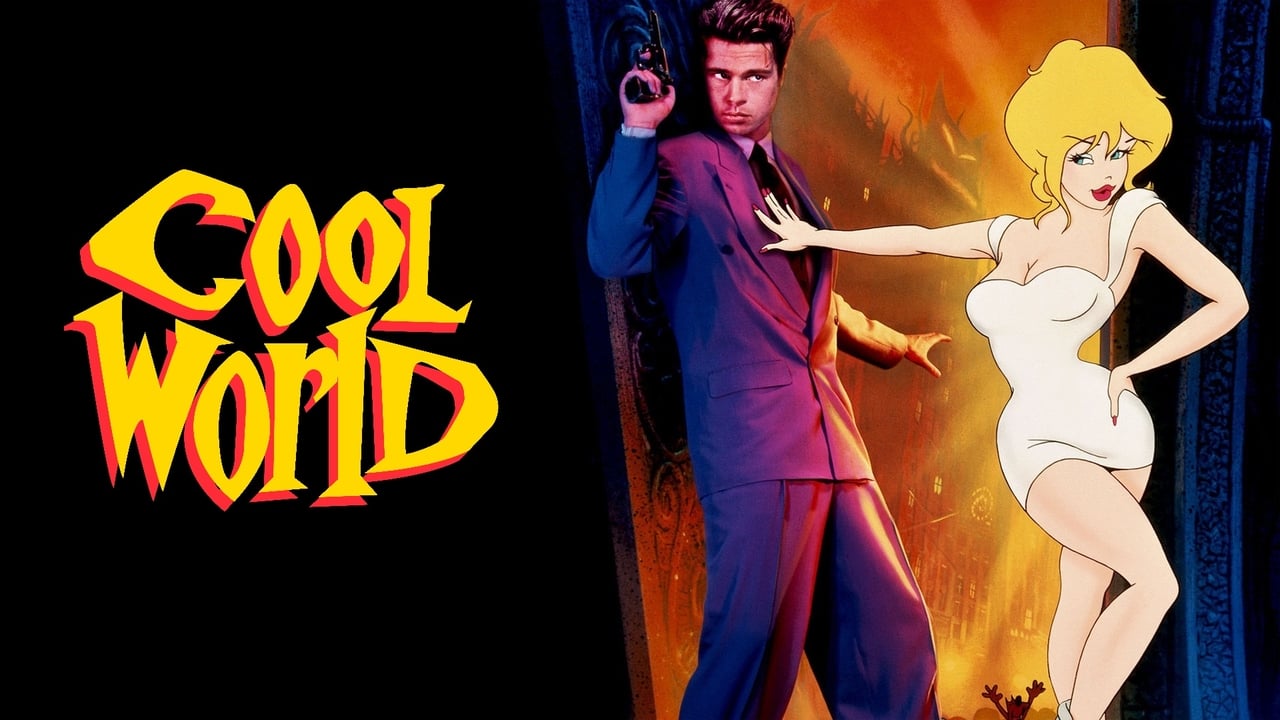
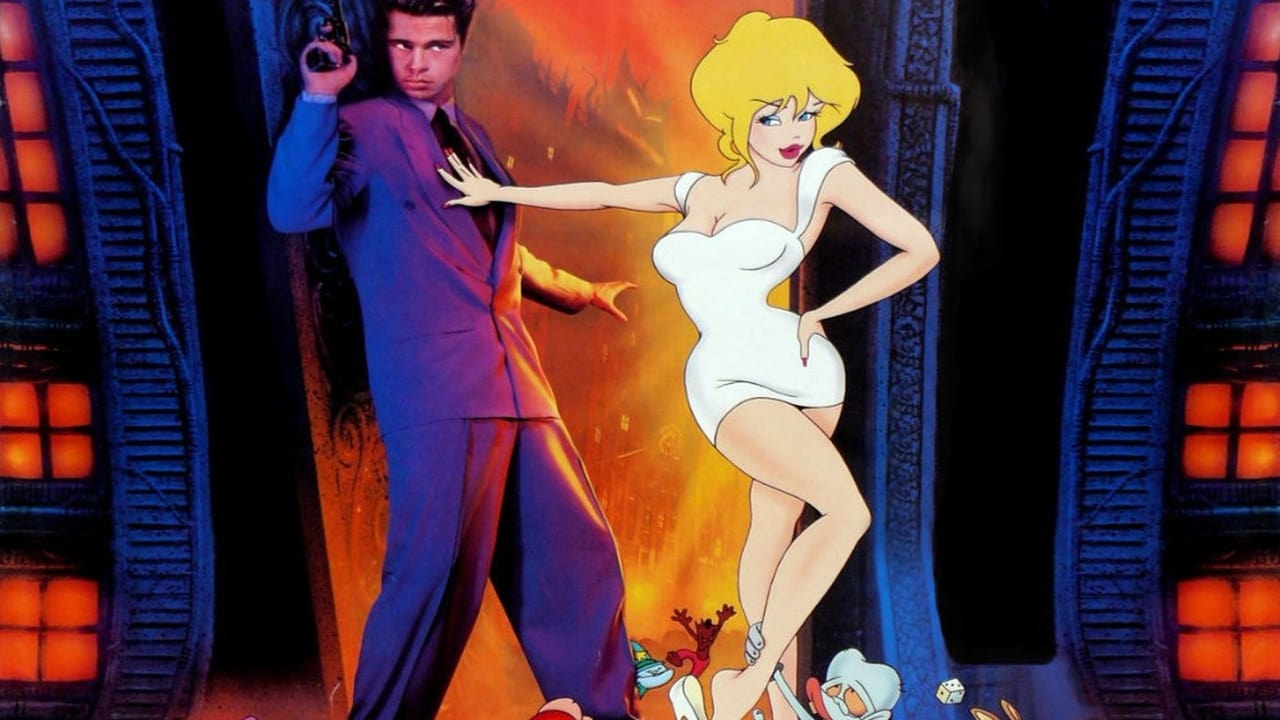
The premise itself feels ripped from a fever dream. Jack Deebs (Gabriel Byrne, fresh off acclaimed roles like Miller's Crossing), a cartoonist imprisoned for murdering his wife's lover, finds solace by creating the "Cool World," a manic, anarchic cartoon universe populated by his creations, the "doodles." His primary obsession? The voluptuous blonde bombshell doodle, Holli Would. Post-prison, Jack is mysteriously pulled into Cool World, where reality and animation bleed together. The catch? A strict law forbids physical relationships between humans ("noids") and doodles, enforced by Cool World detective Frank Harris (Brad Pitt, in one of his earliest leading roles, radiating star power even then). Holli, however, desperately wants to become real, and she sees Jack as her ticket out, consequences be damned. It sounds provocative, and it wants to be, but the execution often feels like a tug-of-war between Bakshi's adult sensibilities and Paramount Pictures' desire for something more marketable.
Bakshi vs. The Machine: A Troubled Canvas
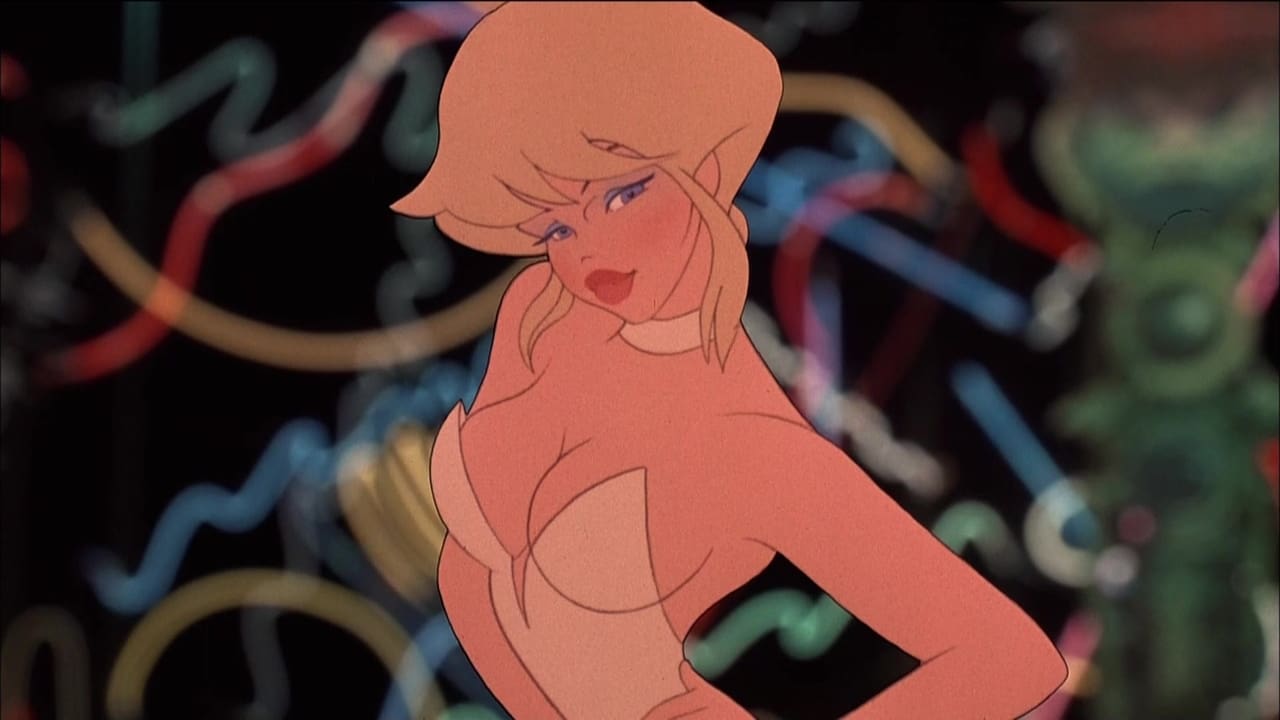
You can't talk about Cool World without acknowledging the legendary animator behind it, Ralph Bakshi. This is the man who gave us the controversial X-rated Fritz the Cat (1972) and the ambitious fantasy Wizards (1977). His style is raw, often unsettling, light years away from Disney. That signature grit is visible in the animation of Cool World – the frenetic energy, the often grotesque character designs, the chaotic backgrounds teeming with bizarre life. However, behind the scenes, the production was notoriously fraught. Bakshi initially envisioned a much darker, R-rated animated horror film about an underground cartoonist and his half-human, half-cartoon daughter. What emerged, after reported studio interference and multiple rewrites (credited to Michael Grais & Mark Victor of Poltergeist fame, and producer Frank Mancuso Jr.), was a PG-13 compromise that feels jarringly inconsistent. You can almost feel the original, edgier film struggling to break through the commercially safer, but narratively incoherent, final product. Bakshi himself has largely disowned the film, a telling detail about its troubled journey from concept to screen. This wasn't just a movie; it was a battleground, and the scars show.
Stars Caught Between Worlds
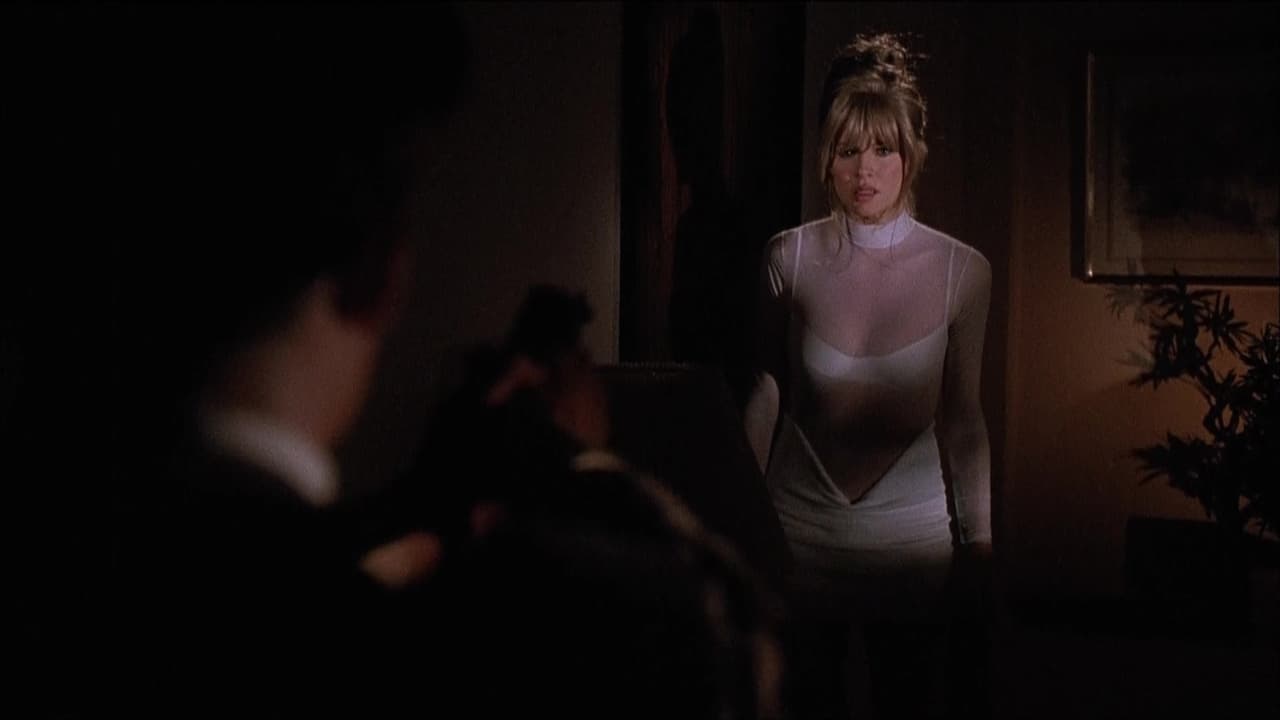
The cast does its best navigating this bizarre landscape. Gabriel Byrne plays Jack with a suitable air of shell-shocked confusion, a man adrift in his own increasingly dangerous fantasy. Kim Basinger, then at peak stardom after Batman (1989), throws herself into the role of Holli Would. She perfectly embodies the animated femme fatale brought to life, oozing sexuality and manipulative charm, though the character often feels more like a pin-up archetype than a fully fleshed-out being. And then there's Brad Pitt. Just a year after his breakout moment in Thelma & Louise (1991), he plays the stoic detective Frank Harris, the unlikely straight man in a world gone mad. It’s a fascinating early glimpse of his screen presence, holding his own amidst the visual cacophony. Seeing him here, navigating exploding anvils and seductive doodles, is one of the film’s most enduring curiosities.
Visual Overload, Uneven Blend
Visually, Cool World is… a lot. The animation itself, divorced from the live-action, has that distinctive Bakshi energy. It’s kinetic, crude, and often nightmarish in a way that feels intentional. The problem lies in the integration. Where Roger Rabbit achieved a then-revolutionary seamlessness between cartoon characters and the real world, Cool World often feels disjointed. Actors sometimes appear disconnected from their animated surroundings, the lighting doesn't always match, and the sense of shared space is inconsistent. It aimed for a living, breathing cartoon city, but often achieved a chaotic collage. This wasn't helped by a reported $28 million budget that sounds substantial but clearly struggled to fully realize its ambitious, effects-heavy vision – a struggle reflected in its disappointing $14.1 million box office take. It became a cautionary tale rather than a blockbuster hit.
A Soundtrack That Slaps, Though
One area where Cool World undeniably captures the early 90s vibe is its soundtrack. Packed with alternative rock and electronic acts like David Bowie (contributing the track "Real Cool World"), Moby, Ministry, and My Life With The Thrill Kill Kult, the music pulses with the era's specific energy. It adds another layer to the film's time-capsule quality, grounding its visual weirdness in a recognizable sonic landscape. For many, the soundtrack might actually be more coherent and enjoyable than the film itself.
A Fascinating Failure, A VHS Oddity
So, is Cool World a good movie? Objectively, it’s hard to argue that it is. The plot is paper-thin and often nonsensical, the tone veers wildly, and the blend of animation and live-action is technically uneven. Yet… there’s something undeniably compelling about its sheer, unadulterated weirdness. It’s a film that swung for the fences, even if it tripped spectacularly on its way to the plate. It remains a fascinating artifact of Ralph Bakshi's uncompromising vision clashing with studio demands, a snapshot of early 90s aesthetics, and a curious footnote in the careers of its stars. Watching it on VHS back in the day felt like discovering a secret, slightly forbidden text – something messy and imperfect, but undeniably unique.
VHS Heaven Rating: 4/10
The rating reflects the film's significant flaws – narrative incoherence, tonal inconsistency, and technical shortcomings overshadow its ambition. However, the 4 acknowledges its audacious visual style (even if flawed), its killer soundtrack, its status as a cult curiosity, and the undeniable strangeness that makes it memorable, if not exactly successful. It’s a fascinating failure, a bold experiment that didn't quite land but left behind a uniquely bizarre imprint.
For all its faults, Cool World is a potent reminder of a time when studios sometimes took wild swings, even if they didn’t always connect. It’s a messy, baffling, but strangely unforgettable trip down a rabbit hole lined with ink and attitude.