Sometimes a film's title hangs over it like a delicious, dark joke. Quatre garçons pleins d'avenir – literally "Four Boys Full of Future" – presents us with just that irony. Released in 1997, this French comedy-thriller, directed by Jean-Paul Lilienfeld, plunges four ambitious students into a situation that threatens to obliterate any future they might have dreamed of. It’s the kind of film that might have easily been overlooked on the rental shelves, perhaps tucked away in the "Foreign Films" section, but discovering it felt like unearthing a slightly dangerous, nervously funny little gem.
When Finals Week Goes Really, Really Wrong
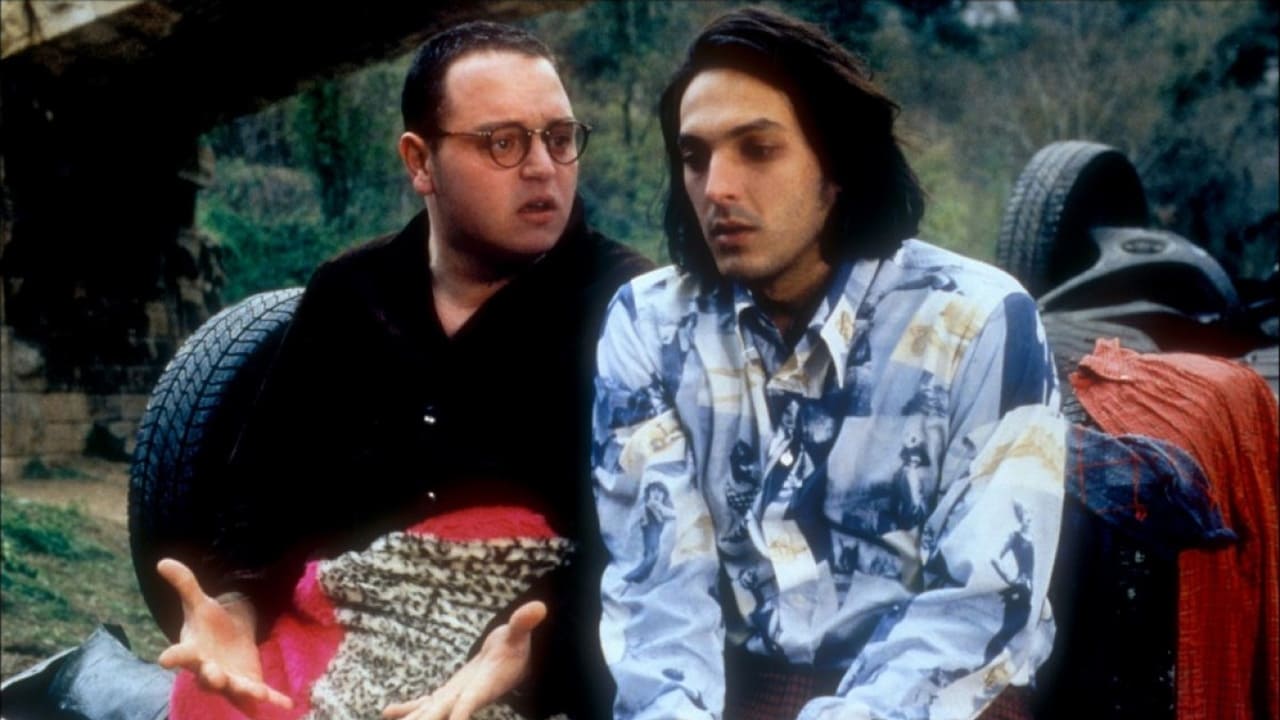
The setup is deceptively simple, tapping into the universal stress of student life, albeit amplified to an absurd degree. We meet Axel (Olivier Brocheriou), Arnaud (Stéphan Guérin-Tillié), Stan (Olivier Sitruk), and Breitling (Roland Marchisio), four law students in the sun-drenched city of Aix-en-Provence, cramming for their final exams. Their immediate problem isn't jurisprudence, however, but their vile, abusive landlord. A confrontation escalates, fueled by desperation and perhaps a touch too much youthful bravado, and suddenly... the landlord is dead. Accidentally, horrifyingly dead. What follows is a frantic, often darkly comical scramble to dispose of the body and cover their tracks before their exams – and their lives – begin.
It’s a premise ripe for farce, and Lilienfeld, adapting the play "Le Jardin des Lâches" by Fernando Arrabal, certainly leans into the escalating panic and logistical nightmares. Yet, the film avoids becoming pure slapstick. There’s a palpable tension underpinning the gallows humor. The weight of their actions presses down on the characters, forcing uncomfortable questions about loyalty, morality, and just how far ambition can curdle into self-preservation. It’s this blend that gives the film its particular flavor – part Shallow Grave (released just a few years earlier in 1994), part classic French student comedy, but with its own distinct personality.
A Quartet Under Pressure
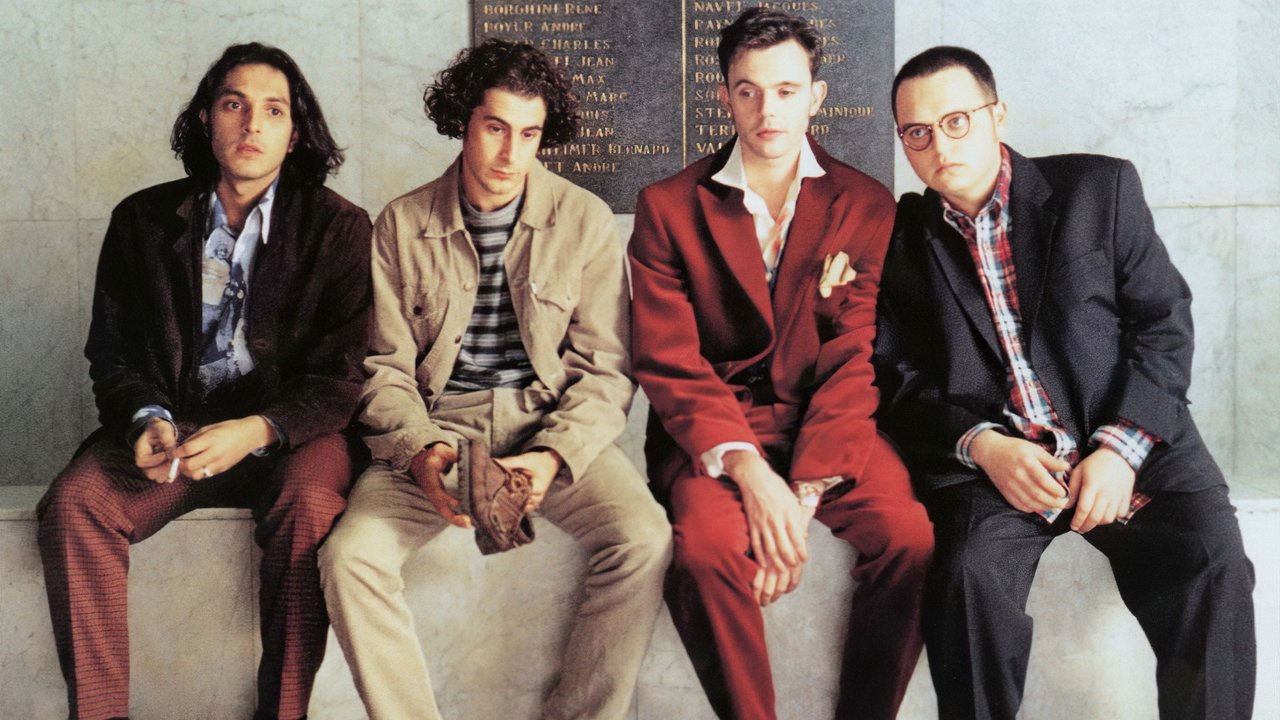
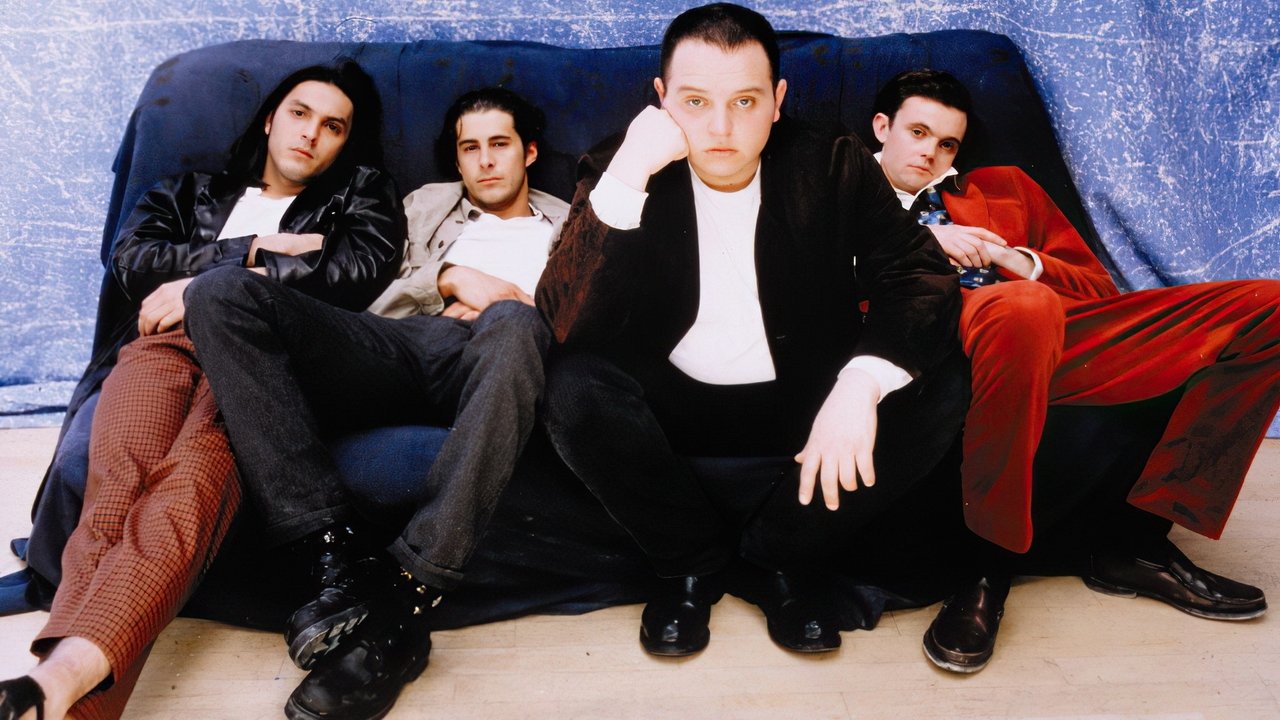
The success of a film like this hinges almost entirely on the central performances and the chemistry between the leads. Thankfully, the young cast delivers admirably. Olivier Sitruk, perhaps the most recognizable face for those who followed French cinema in the 90s (he'd already made a mark in films like L'Appât), brings a certain intensity to Stan. Stéphan Guérin-Tillié captures Arnaud’s nervous energy, while Olivier Brocheriou projects Axel’s perhaps more pragmatic, if equally compromised, approach. Roland Marchisio rounds out the group as Breitling, adding another layer to the dynamic of increasingly frayed nerves.
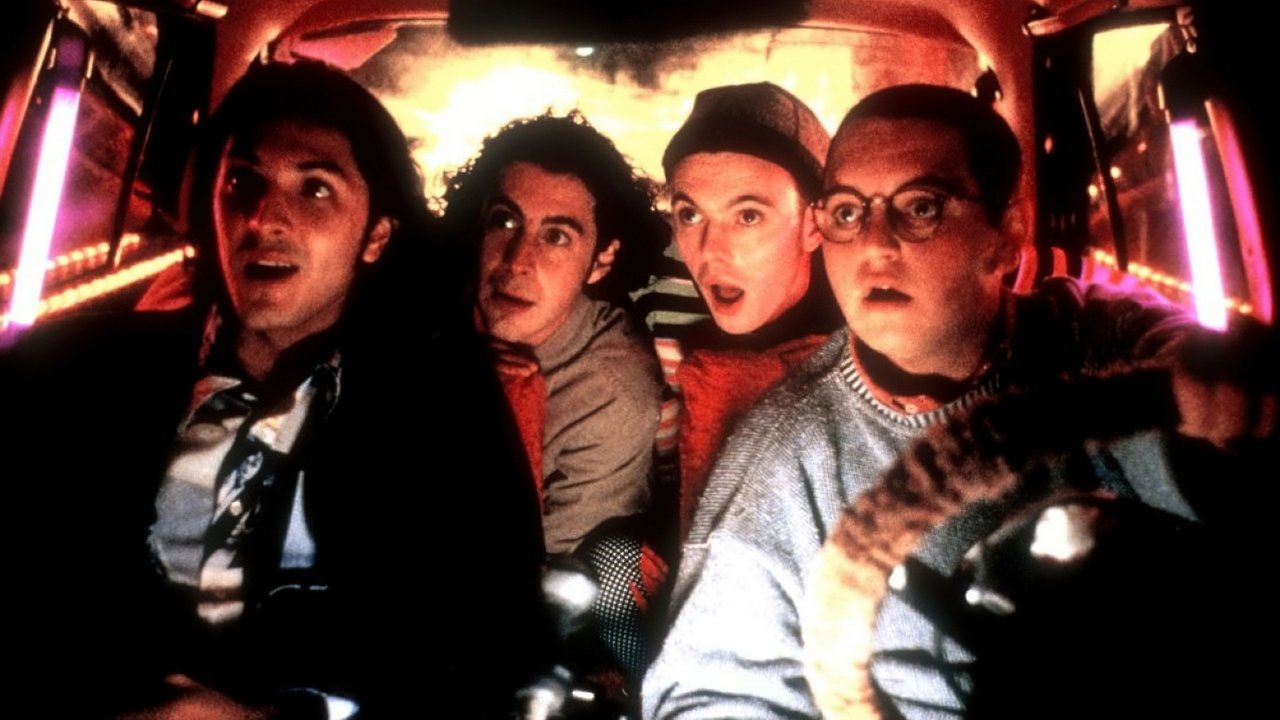
You genuinely believe these four are friends, bound by shared student experiences, now thrown into an unimaginable crucible. Their interactions – the whispered arguments, the shared glances of terror, the desperate attempts at planning – feel authentic. We see their initial shock give way to a grim determination, then fracture into suspicion and blame. It’s in these moments, watching their youthful confidence crumble under the pressure, that the film finds its most compelling footing. Why do their performances resonate? It's the relatable portrayal of panic, the subtle shifts in body language as the situation worsens, and the way they convey the dawning horror of their predicament without resorting to over-the-top theatrics. Their fear feels grounded, even amidst the absurdity.
Sun, Sweat, and Suspense
Jean-Paul Lilienfeld, who would later gain significant attention for the powerful La journée de la jupe (2008), directs with a steady hand, effectively using the picturesque setting of Aix-en-Provence not just as a backdrop, but as a contrast to the dark secret the boys harbor. The sunlit streets and student cafes become charged with potential discovery. There’s a sweaty, claustrophobic feel to their shared apartment, the site of the initial incident, that mirrors their internal state.
Interestingly, the film wasn't a massive international breakout, remaining something of a cult favorite primarily in French-speaking territories. Yet, watching it now, it feels like a quintessential slice of mid-90s European filmmaking – stylish in an understated way, blending genres with confidence, and unafraid to explore darker themes within a comedic framework. It captured a specific moment, that pre-internet, pre-mobile phone era where disposing of a body, while never easy, felt perhaps marginally more plausible than it might today. The lack of instant communication adds another layer of inherent tension to their schemes.
Retro Fun Facts
Digging into the film’s background reveals its theatrical roots, which perhaps explains the strong character dynamics and the somewhat contained nature of the core conflict. The transition from stage to screen seems to have preserved the intensity of the central dilemma. While specific budget or box office figures are elusive (often the case for non-blockbuster European films of the era), its enduring presence in French pop culture suggests it struck a chord domestically, likely resonating with student audiences who saw a darkly twisted version of their own anxieties played out. It’s the kind of film that likely fueled many late-night discussions after being passed around on a copied VHS tape. Remember those days? Finding a foreign film recommendation often felt like being let in on a cool secret.
The Verdict
Quatre garçons pleins d'avenir is more than just a black comedy; it’s a tense exploration of how quickly youthful potential can be derailed by one catastrophic mistake. It masterfully balances laughs born of desperation with genuine suspense and a probing look at the compromises we make under pressure. The performances are key, making the absurd situation feel uncomfortably real through the eyes of these four students. It might not have the slickness of some of its Hollywood counterparts, but its slightly rough edges and palpable sense of panic give it a unique charm and enduring power. It’s a film that makes you laugh nervously, then leaves you pondering the choices made and the futures irrevocably altered.
Rating: 7.5/10
This score reflects a genuinely entertaining and well-acted dark comedy-thriller that successfully blends humor and tension. While perhaps not a flawless masterpiece, its strong central performances, effective direction, and darkly ironic premise make it a memorable entry from the 90s French film scene. It holds up remarkably well, offering both nostalgic chuckles and surprisingly tense moments.
Final Thought: It’s a sharp reminder that the path to the future can take terrifyingly unexpected detours, especially when final exams are involved.