## Heads or Tails: Lost Inside the Machine
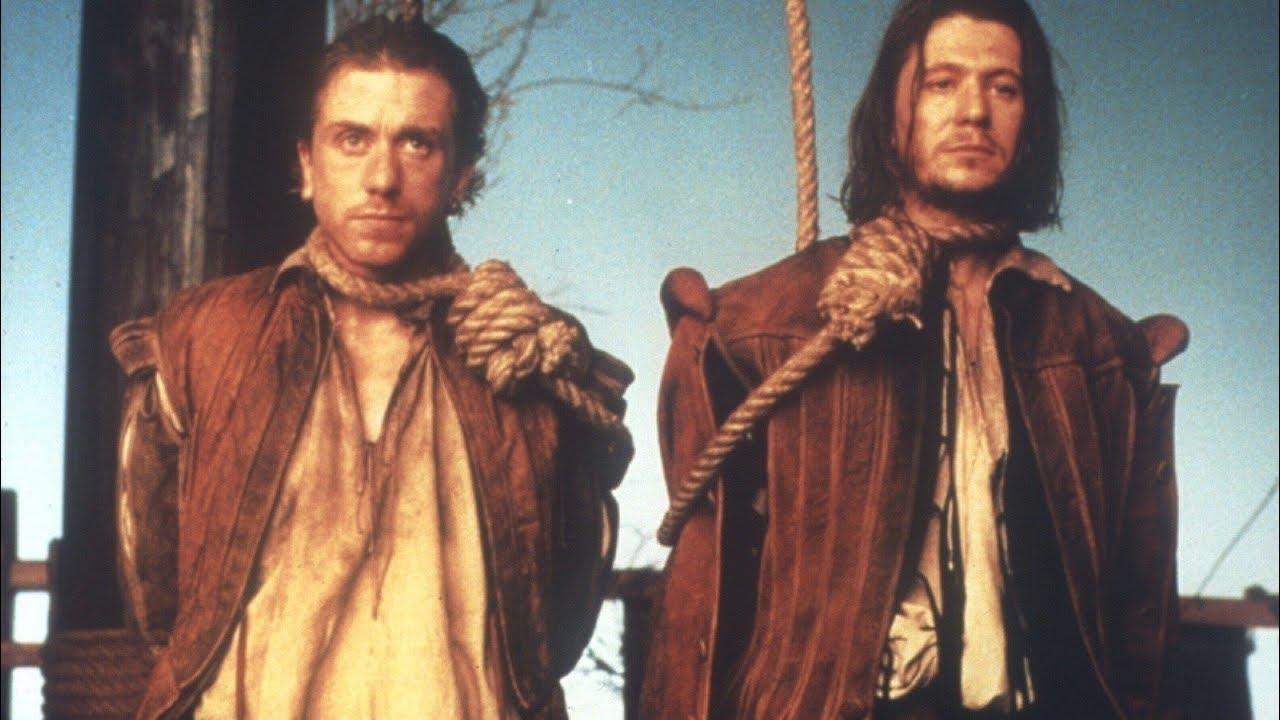
There's a peculiar disorientation that settles in early with Tom Stoppard's 1991 film adaptation of his own play, Rosencrantz & Guildenstern Are Dead. It's not unlike waking up mid-scene in someone else's grand drama, unsure of your lines or even your purpose for being there. We're thrust into a world—Shakespeare's Elsinore—but viewed entirely from the bewildered perspective of its most peripheral players. Remember pulling this tape off the shelf, perhaps nestled between bigger, brasher action flicks or sprawling epics? It felt different even then, didn't it? A quiet curiosity, promising something intricate and strange.
Two Sides of the Same Coin
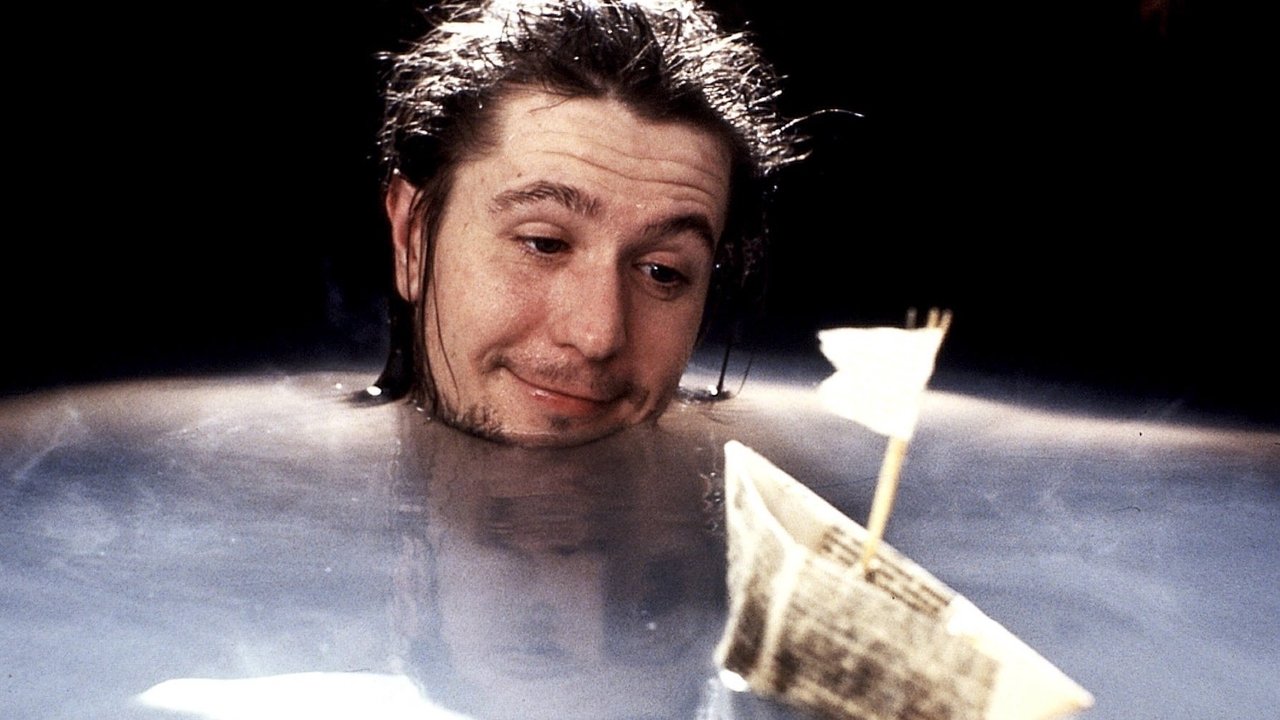
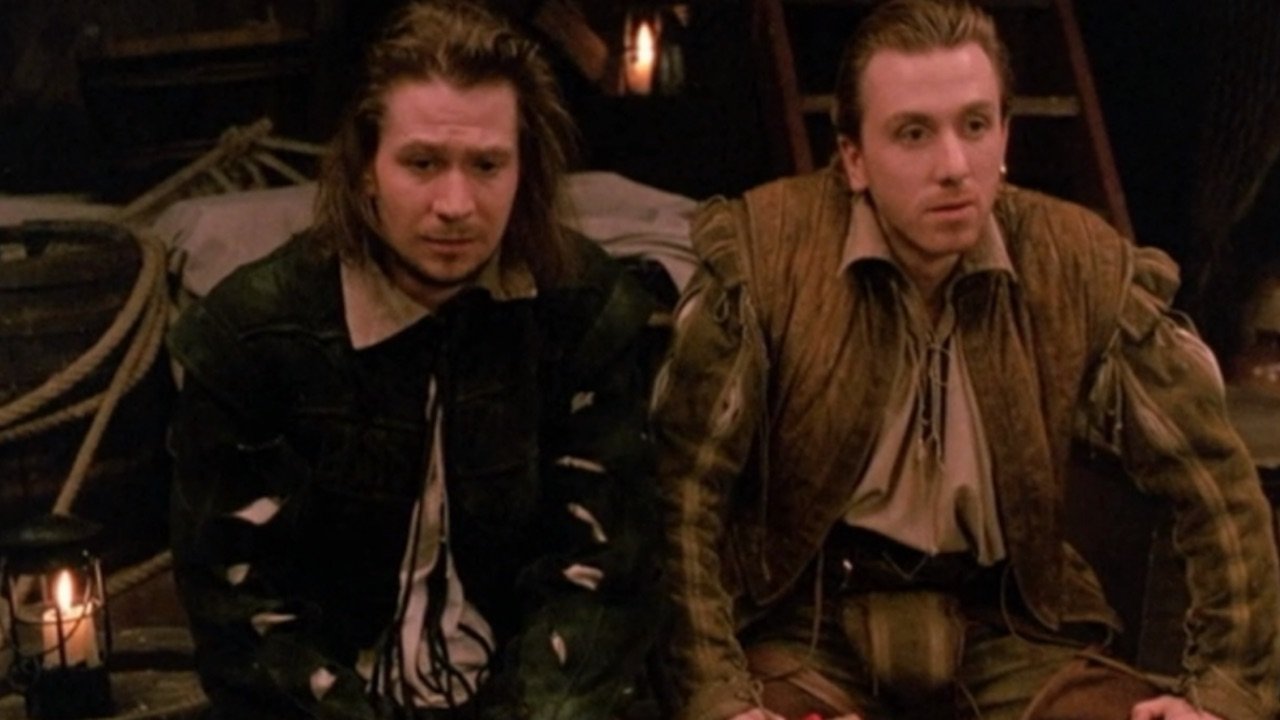
At the heart of this existential carousel are Gary Oldman as Rosencrantz and Tim Roth as Guildenstern. It's difficult to imagine a more perfect pairing for these roles. Oldman, already showcasing the chameleon-like range that would define his career (think Sid and Nancy or his later turn in Dracula), brings a childlike innocence and befuddlement to Rosencrantz, easily distracted, often missing the point, yet possessed of a certain naive charm. Roth, who radiated coiled intensity in films like Reservoir Dogs (released just a year later), embodies Guildenstern's anxious intellectualism, his desperate attempts to apply logic and reason to a situation utterly devoid of it. Their interplay isn't just witty banter; it's a masterclass in conveying shared confusion, codependency, and the quiet terror of insignificance. They are trapped together, flipping coins that defy probability, waiting for cues that never quite arrive, their identities blurring until even they seem unsure who is who. Their performances feel utterly authentic, capturing that nagging feeling we all sometimes have – are we driving the narrative, or merely reacting to it?
From Stage to Screen
Adapting such a famously theatrical and language-driven play for the screen presented Tom Stoppard, making his feature directorial debut, with a unique challenge. How do you translate verbal gymnastics and stage-bound philosophy into a visual medium? Stoppard leans into the absurdity. The film often feels deliberately stagey, yet uses the expansive possibilities of cinema to strand our heroes in vast, empty landscapes or trap them in the echoing corridors of Elsinore. Filmed largely in what was then Yugoslavia, the locations themselves lend a sense of weary grandeur and decaying majesty, mirroring the fading fortunes within Hamlet's court. There's a chilly beauty to the cinematography, emphasizing their isolation against the backdrop of political machinations they barely comprehend. Stoppard doesn't shy away from the wordplay; if anything, the close-ups allow us to see the dawning horror or fleeting comprehension flicker across Oldman's and Roth's faces as they grapple with puns and paradoxes that hold the key to their (lack of) fate.
Whispers in the Wings
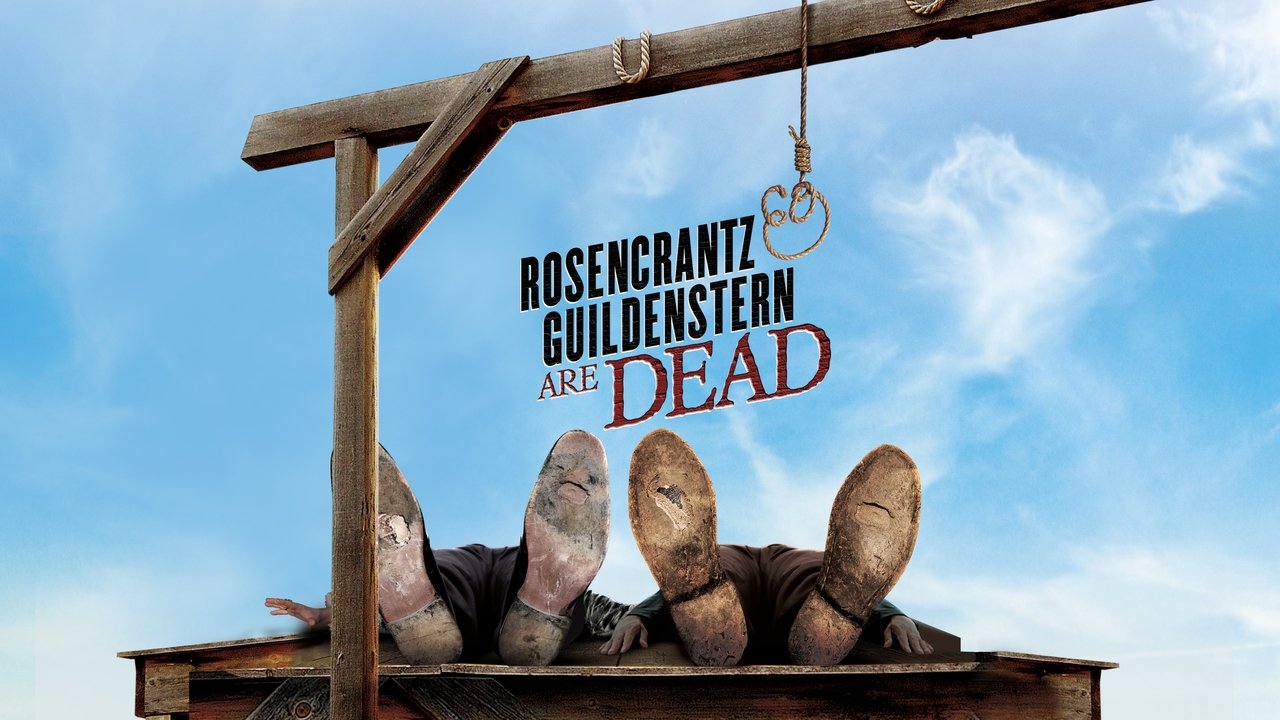
While the focus remains tightly on our titular duo, Richard Dreyfuss (an established star, known for everything from Jaws to Close Encounters of the Third Kind) offers a crucial counterpoint as The Player King. He's the cynical showman who understands the rules of the game, the nature of performance, and the inevitability of tragedy, particularly when death is what the audience pays to see. His troupe's increasingly bizarre and fatalistic performances serve as a grim foreshadowing, a meta-commentary on the unfolding events of Hamlet that Rosencrantz and Guildenstern witness only in fragmented glimpses.
It’s fascinating to consider that Stoppard reportedly penned the screenplay relatively quickly, having lived with these characters since the play's debut in the mid-60s. Despite its intellectual pedigree and winning the prestigious Golden Lion at the Venice Film Festival, Rosencrantz & Guildenstern Are Dead wasn't exactly mainstream blockbuster fare upon its early 90s release. Its estimated budget was around $11 million, modest even then. Finding it on VHS felt like unearthing a hidden gem, a film that trusted its audience to keep up with its rapid-fire dialogue and philosophical musings. It was a rewarding find for those willing to engage with something outside the usual multiplex offerings. Remember the sheer density of the dialogue? It practically demanded a rewind or two, even on a fuzzy CRT screen.
The Unanswered Question
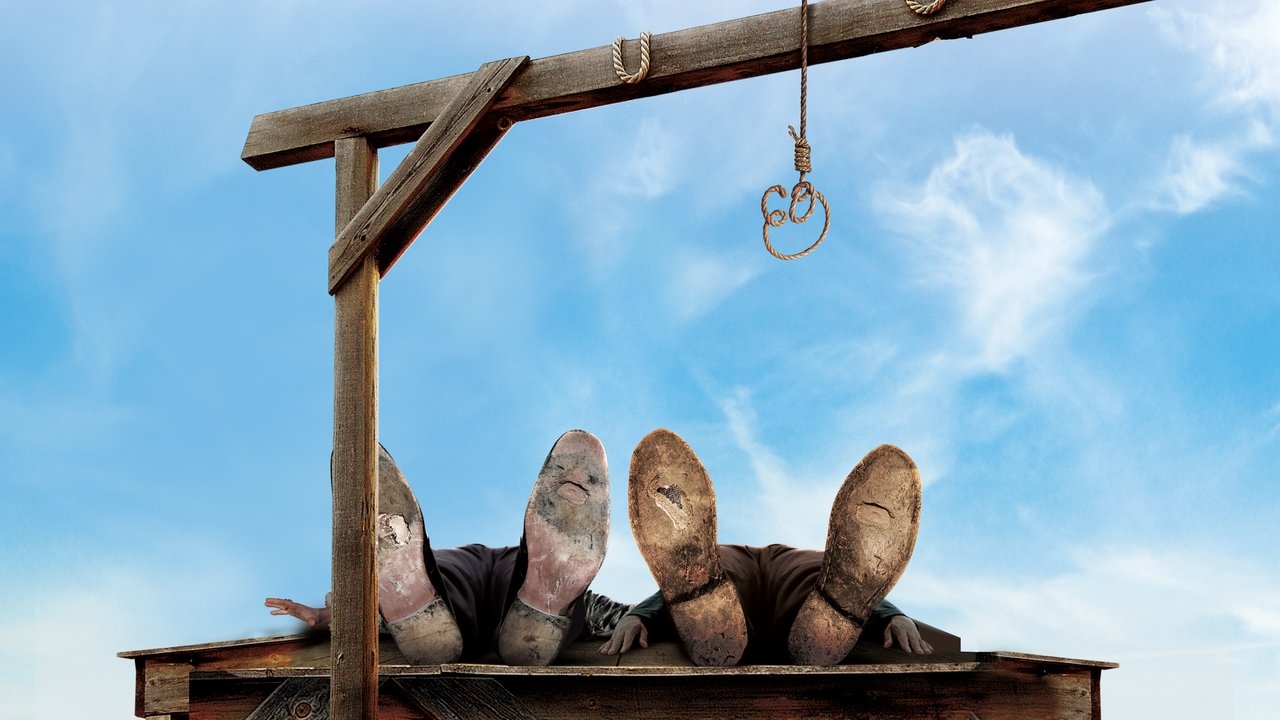
What truly lingers after the credits roll (or the tape spools to its end) isn't just the cleverness, but the profound melancholy. The film taps into a universal anxiety: the fear that we are merely supporting characters in a story beyond our control or comprehension. Are our choices meaningful, or are we simply following a script written long ago? Rosencrantz and Guildenstern stumble through their brief existence, asking questions that never get satisfactory answers, ultimately fading out as the main tragedy concludes without them. Doesn't that feeling of being buffeted by unseen forces resonate, even now? The film doesn't offer easy answers, but its brilliance lies in how it frames the questions – with wit, pathos, and unforgettable performances.
Rating: 9/10
Rosencrantz & Guildenstern Are Dead remains a dazzlingly intelligent and surprisingly moving piece of cinema. The central performances by Oldman and Roth are simply phenomenal, capturing the perfect blend of comedy and tragedy. Stoppard’s adaptation successfully translates the play’s core brilliance to the screen, creating a visually distinct and intellectually stimulating experience. It's a film that rewards multiple viewings, revealing new layers of wit and existential dread each time.
For those of us who discovered it tucked away in the "Drama" or perhaps even "Cult Classics" section of the video store, it remains a testament to the quirky, thoughtful films that could still find an audience in the VHS era – a reminder that sometimes, the most profound stories are found not center stage, but waiting in the wings.