Sometimes a film arrives feeling less like a movie and more like a collective memory brought to life, tinged with both celebration and an underlying ache. Watching Gregory Nava's Selena (1997) again, decades after its release, evokes that same potent mix. It’s a biopic that pulses with the vibrant energy of its subject, capturing the meteoric rise of Selena Quintanilla-Pérez, the Queen of Tejano music, while respectfully navigating the tragedy that cut her story short. It feels less like a documentary reconstruction and more like an emotional portrait, painted with broad, heartfelt strokes.

The film doesn’t shy away from the hurdles, the cultural tightropes Selena had to walk – too Mexican for some American audiences, too Americanized for some Mexican audiences – a pressure cooker navigated with infectious charisma and undeniable talent. But at its core, beneath the glittering costumes and stadium lights, Selena is profoundly about family.
The Heartbeat of the Family Band
What truly grounds the film is the depiction of the Quintanilla family dynamic. Edward James Olmos, in a performance layered with paternal pride, fierce determination, and simmering anxieties, embodies Abraham Quintanilla Jr. His journey from failed musician to the driving force behind his children's success is compelling. Olmos conveys the weight of responsibility, the fear of exploitation, and the sheer force of will required to carve a path in a challenging industry. It’s a performance that avoids caricature; you feel his frustrations and his overwhelming love, even when his methods seem harsh. Remember that scene where he lectures Selena and Chris Perez (Jon Seda) about the realities of their relationship? It’s pure Olmos – tough love delivered with an undercurrent of deep concern. It’s a portrayal that resonates because it feels real.
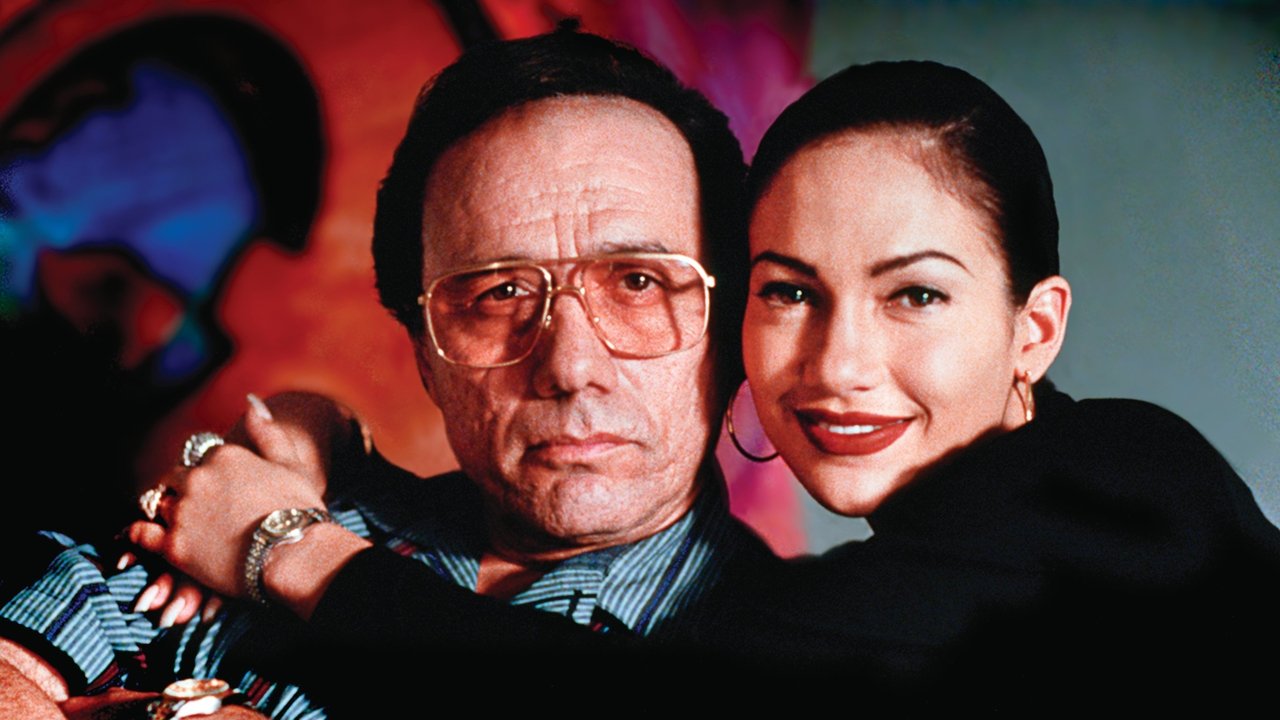
And then there's Jennifer Lopez. It's almost impossible to talk about Selena without acknowledging that this was the role that launched her into the stratosphere. Before this, she was a promising actress, a dancer, but Selena was a transformation. It's more than mimicry; Lopez captures Selena's infectious laugh, her stage presence, her warmth, and crucially, her vulnerability. Watching her inhabit the role, especially during the performance sequences, feels electric. It’s a star-making turn built on genuine connection to the material.
Retro Fun Fact: The casting call for Selena was enormous, reportedly drawing over 20,000 hopefuls. Lopez, though already known, wasn't initially the most obvious choice for some, but her screen test blew Nava and the Quintanilla family away. To prepare, she spent considerable time with Selena's family, absorbing nuances of her personality and mannerisms, which undoubtedly contributes to the authenticity she brings.
More Than Just the Music
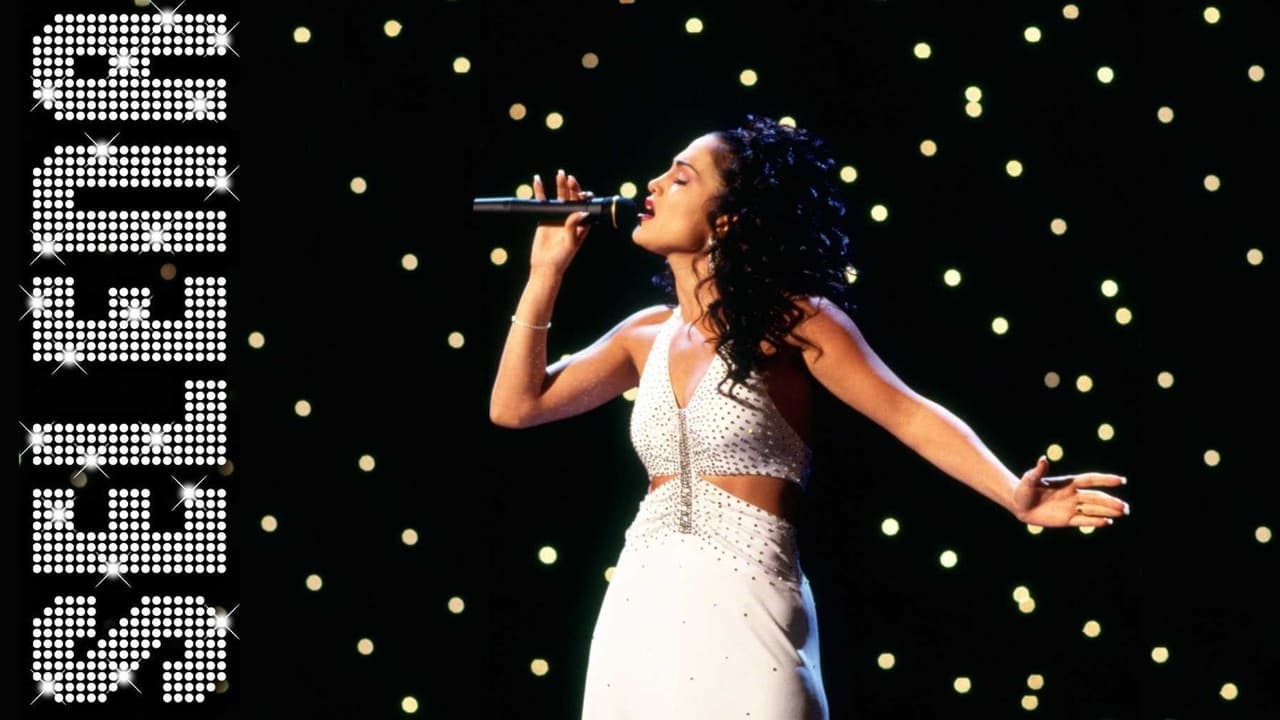

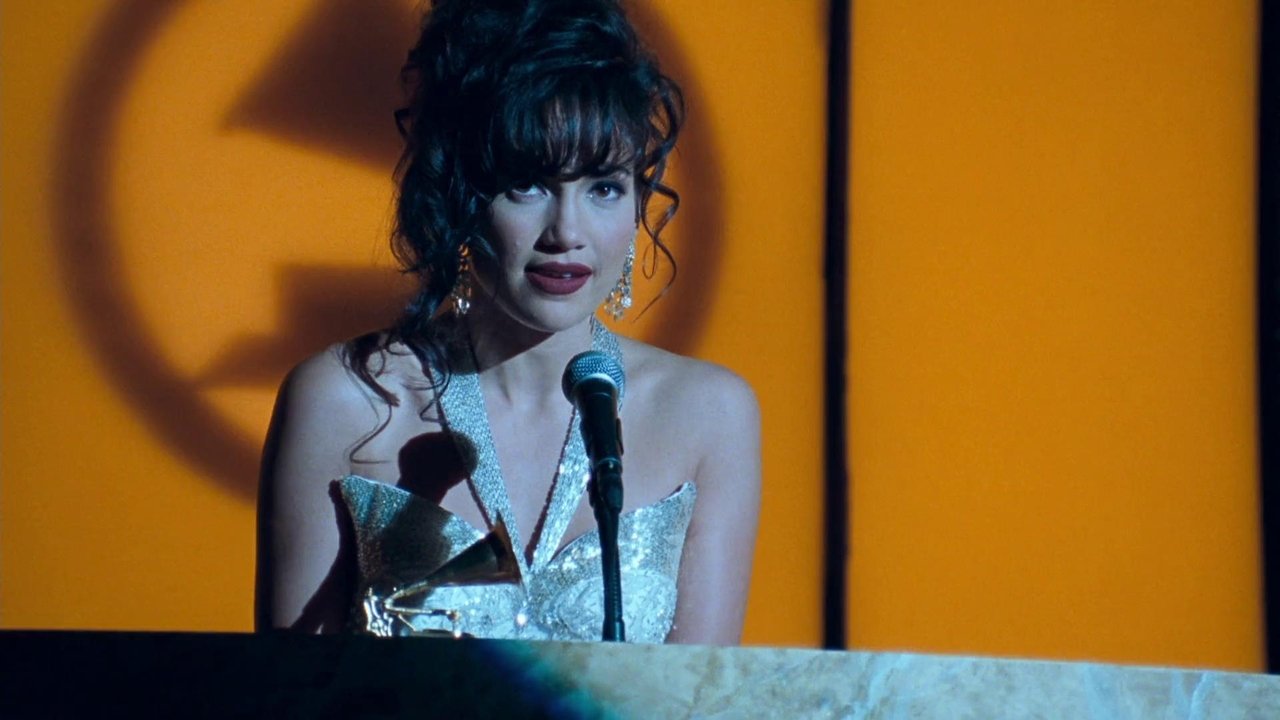
While the musical numbers are spectacular recreations, using Selena’s actual vocals expertly lip-synced by Lopez, the film succeeds because it understands the music was an extension of her journey and her family's dream. Nava, who also wrote the screenplay, structures the narrative around key moments defined by music – from the early days of Los Dinos playing weddings and quinceañeras to the Grammy win and the legendary Houston Astrodome concert.
Retro Fun Fact: Speaking of the Astrodome, filming that iconic concert scene was a massive undertaking. They couldn't fill the real Astrodome, of course, but used clever filmmaking techniques and thousands of local extras (reportedly around 35,000) invited via an open call in San Antonio newspapers to recreate the scale and energy. It remains one of the film's most memorable sequences, capturing the peak of her stardom.
The film smartly integrates these performance moments not just as showcases, but as markers of growth, success, and sometimes, the growing pressures Selena faced. The visual style captures the period effectively – the big hair, the sparkling bustiers (famously designed by Selena herself), the textures of South Texas life. It’s a film that feels like the 90s, but its emotional core is timeless.
Retro Fun Fact: Abraham Quintanilla was initially very hesitant about making the film so soon after his daughter’s death. Gregory Nava reportedly spent significant time building trust with the family, assuring them his intention was to create a respectful celebration of her life and legacy, not an exploitative recounting of her murder, which the film handles with sensitivity and restraint, focusing on the aftermath's impact rather than the act itself.
Lingering Notes of Joy and Sadness
Does the film gloss over some complexities? Perhaps. Biopics often require narrative streamlining. But what Selena achieves is a powerful emotional resonance. It celebrates a unique talent and a cultural icon whose influence continues to be felt. It reminds us of the sheer joy she brought through her music and personality, making the tragic ending all the more poignant. It’s a film that understands the specific cultural space Selena occupied and the significance of her breakthrough success for the Latino community.
Watching it again on a quiet evening, long after the magnetic hum of the VCR has been replaced, the film's power hasn't diminished. It’s a testament to Selena's enduring spirit and to the filmmakers and cast who approached her story with such evident love and respect. It avoids sensationalism, focusing instead on the life lived, the dreams realized, and the family bond that fueled it all.
Rating Justification:
8.5/10 - Selena earns this high score for several key reasons articulated above. Jennifer Lopez's transformative and iconic performance is central, capturing the essence of Selena with uncanny energy and warmth. Edward James Olmos provides crucial dramatic weight and authenticity. The film masterfully integrates Selena's actual music, celebrating her talent while using the songs to punctuate her life story. Gregory Nava's direction and writing balance the celebratory aspects with the underlying family drama and cultural context respectfully and effectively. While perhaps streamlining some elements inherent to the biopic genre, its emotional impact, cultural significance, and status as a star-making vehicle for Lopez make it a standout film of the 90s. The respectful handling of the tragic ending, focusing on legacy over sensationalism, also elevates it. It’s a heartfelt, well-crafted tribute that continues to resonate.
What lingers most profoundly after watching Selena isn't just the sadness of a life cut short, but the sheer, undeniable vibrancy of that life, captured so memorably on screen. It’s a film that makes you want to dance, even as your heart aches.