Some films arrive like a whispered secret, found tucked away on a lower shelf at the video store, promising something different from the usual blockbuster noise. "Grace of My Heart" (1996) always felt like one of those discoveries. It wasn't just another movie; it was an invitation into a vibrant, tumultuous world – the shifting landscape of American popular music from the late 50s through the early 70s, seen through the eyes of a woman trying to find her voice, both literally and figuratively. What lingers most, years after that first viewing, isn't just the music, but the bittersweet ache of its central question: What is the cost of pouring your soul into art?
### A Songwriter's Journey, An Era's Echo
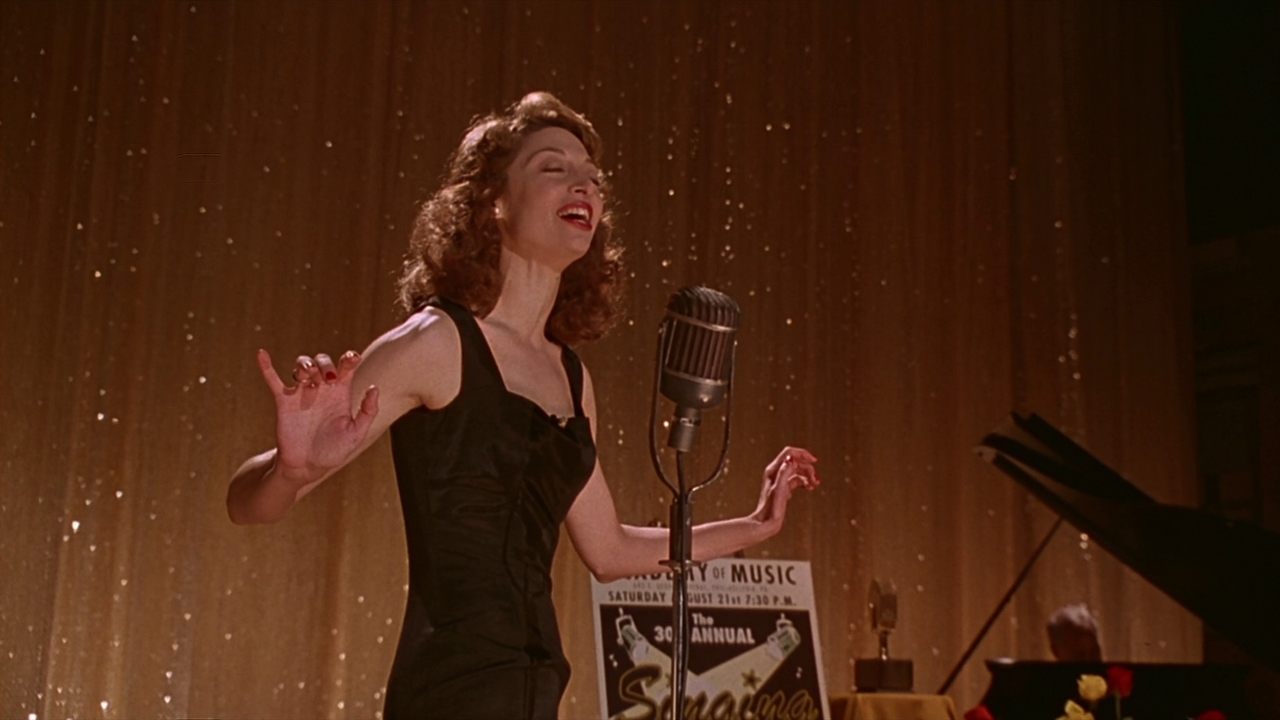
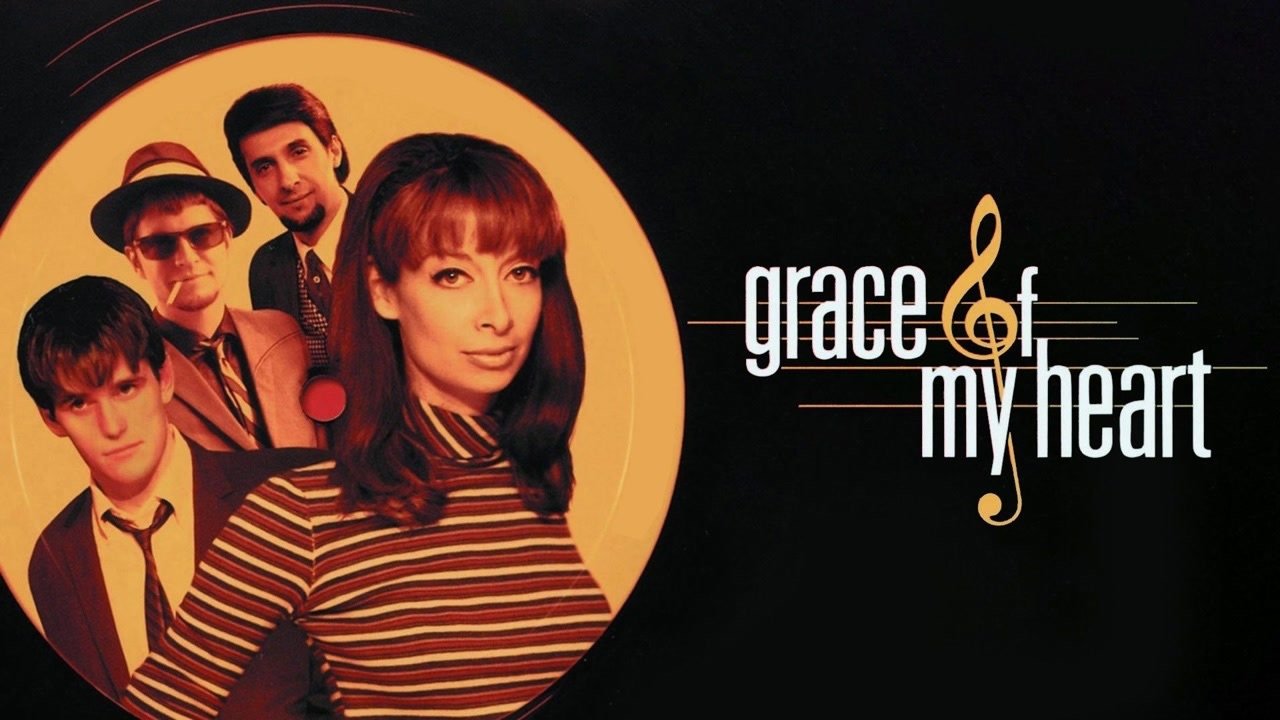
At its core, "Grace of My Heart" tells the story of Edna Buxton, superbly played by Illeana Douglas, a young woman from a privileged background who dreams of singing stardom but finds her true calling behind the scenes, crafting hits for others in the legendary Brill Building environment. Rechristened Denise Waverly, her journey mirrors the seismic shifts in music – from polished pop to surf rock, from girl groups to the confessional singer-songwriter era. Writer-director Allison Anders (Gas Food Lodging, Mi Vida Loca), herself a passionate music devotee, doesn't just use the music as backdrop; she weaves it into the very fabric of Denise's life, each song reflecting a different love, a different loss, a different compromise. While Anders has always maintained the film isn't strictly a biopic, the parallels to Carole King's early career are undeniable and add a fascinating layer of authenticity.
### The Music That Makes the Heart Beat
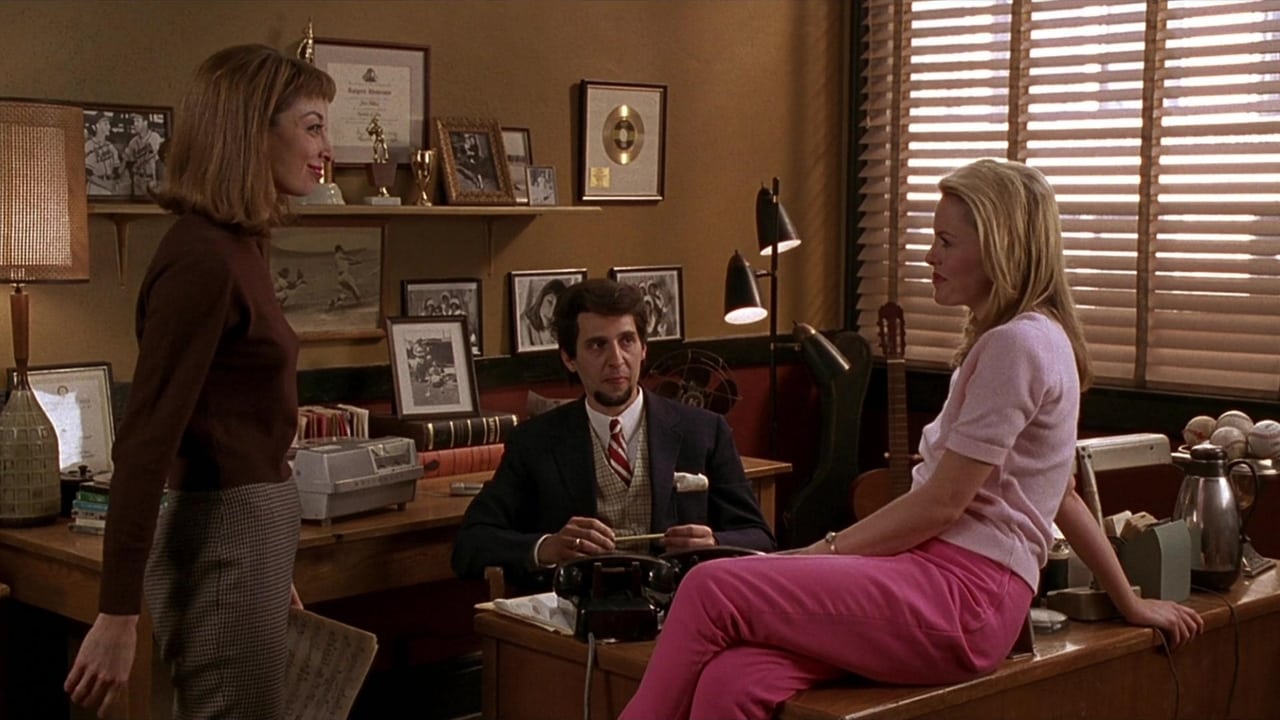
And oh, that music! Instead of relying solely on existing hits, Anders commissioned original songs crafted to sound like they belonged to each specific era. This was a stroke of genius, lending the film a unique identity. Hearing a track like "God Give Me Strength," penned by none other than Elvis Costello and Burt Bacharach, feels like uncovering a lost classic. It perfectly captures the sophisticated melancholy the film often explores. Similarly, contributions from Gerry Goffin (Carole King's former writing partner, adding another layer of meta-commentary), Los Lobos, J Mascis (of Dinosaur Jr. fame), and others create a soundscape that’s both evocative and deeply embedded in the narrative. It’s a testament to the film's loving creation that these ersatz period pieces feel so genuinely soulful. I recall reading that Joni Mitchell had written a song intended for the film, "Man from Mars," which ultimately wasn't used in the final cut but later appeared on her own album Turbulent Indigo – a fascinating 'what if' for fans.
### Performance as Resonance
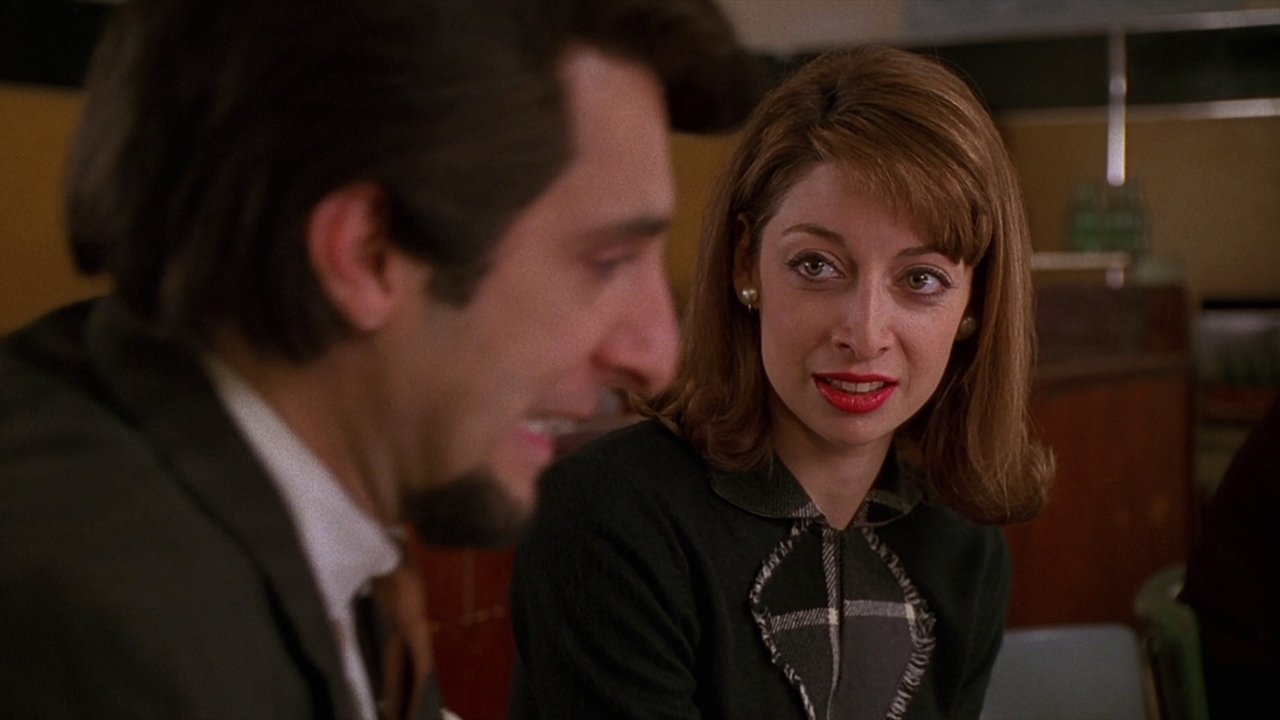
Illeana Douglas carries the film with remarkable nuance. She portrays Edna/Denise not as a victim, but as a resilient, complex artist navigating a male-dominated industry. We see her initial naivete, her burgeoning confidence as a songwriter, the compromises she makes for love and career, and the eventual strength she finds in her own voice. Douglas makes Denise’s quiet determination and vulnerability feel utterly real. Her performance isn't showy; it's grounded, letting the character's internal struggles register with quiet power. Doesn't her journey resonate with the challenges many creative women faced (and arguably still face) in finding their footing and claiming ownership of their work?
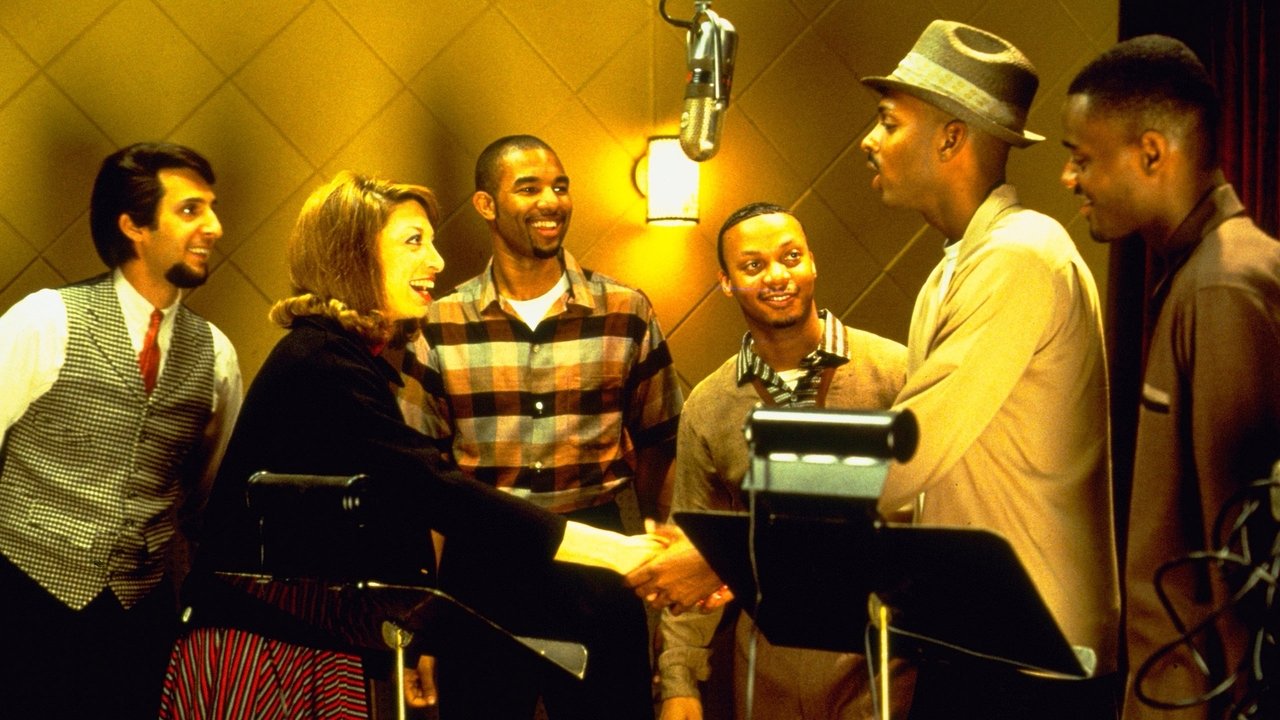
The supporting cast is equally strong, embodying different facets of the music world and Denise's life. Matt Dillon delivers a memorable, poignant performance as Jay Phillips, the tortured, Brian Wilson-esque genius leader of "The Riptides." His descent is heartbreaking, a cautionary tale about the pressures of fame and mental fragility. Eric Stoltz plays Julian Blatte, the folk-rock journalist turned husband, representing a different kind of relationship challenge, while John Turturro brings his quirky energy to Joel Millner, the supportive but pragmatic producer modeled loosely on figures like Don Kirshner or Phil Spector (without the overt darkness). Each character feels like a recognizable archetype from music history, yet fleshed out enough to register as individuals caught in Denise's orbit.
### Crafting a Feeling
Allison Anders directs with a clear love for the period detail and the emotional core of the story. She doesn't shy away from the heartbreak and betrayals, but there's an underlying warmth and appreciation for the creative spirit. The film cost around $5 million – a relatively modest budget – yet it convincingly recreates distinct musical eras through costume, set design, and, of course, the score. It captures the hopeful energy of the Brill Building, the sun-drenched haze of the California scene, and the introspective mood of the singer-songwriter movement. The film's structure, following Denise through different relationships and career phases, can feel somewhat episodic, like chapters in a life rather than a tightly plotted narrative. But perhaps that's fitting for a story spanning over a decade of profound personal and cultural change.
### Legacy of a Quiet Gem
"Grace of My Heart" wasn't a box office smash upon release in 1996, perhaps overshadowed by louder, flashier films. But like the best cult classics discovered on VHS, its reputation has grown quietly over the years, particularly among music lovers and those who appreciate character-driven dramas. It’s a film that understands the collaborative, sometimes messy, often exhilarating process of making music, and the personal toll it can take. It feels like a lovingly crafted mixtape, full of catchy hooks, unexpected B-sides, and moments of raw emotional honesty. I remember finding my copy at a local video store chain going out of business – a bittersweet find, much like the film itself. It felt special, a movie made for people who cared deeply about music and stories.
Rating: 8/10
This score reflects the film's tremendous heart, Illeana Douglas's pitch-perfect central performance, the brilliant original soundtrack that uncannily captures multiple eras, and Allison Anders' empathetic direction. While the episodic structure might slightly diffuse the narrative momentum for some, the emotional resonance and loving attention to musical detail make it a standout. It's a film that celebrates the songwriter, the often-unseen force behind the hits, and leaves you pondering the intricate dance between life, love, and the enduring power of a perfectly crafted song. Doesn't it make you want to dig out some old records and just listen?