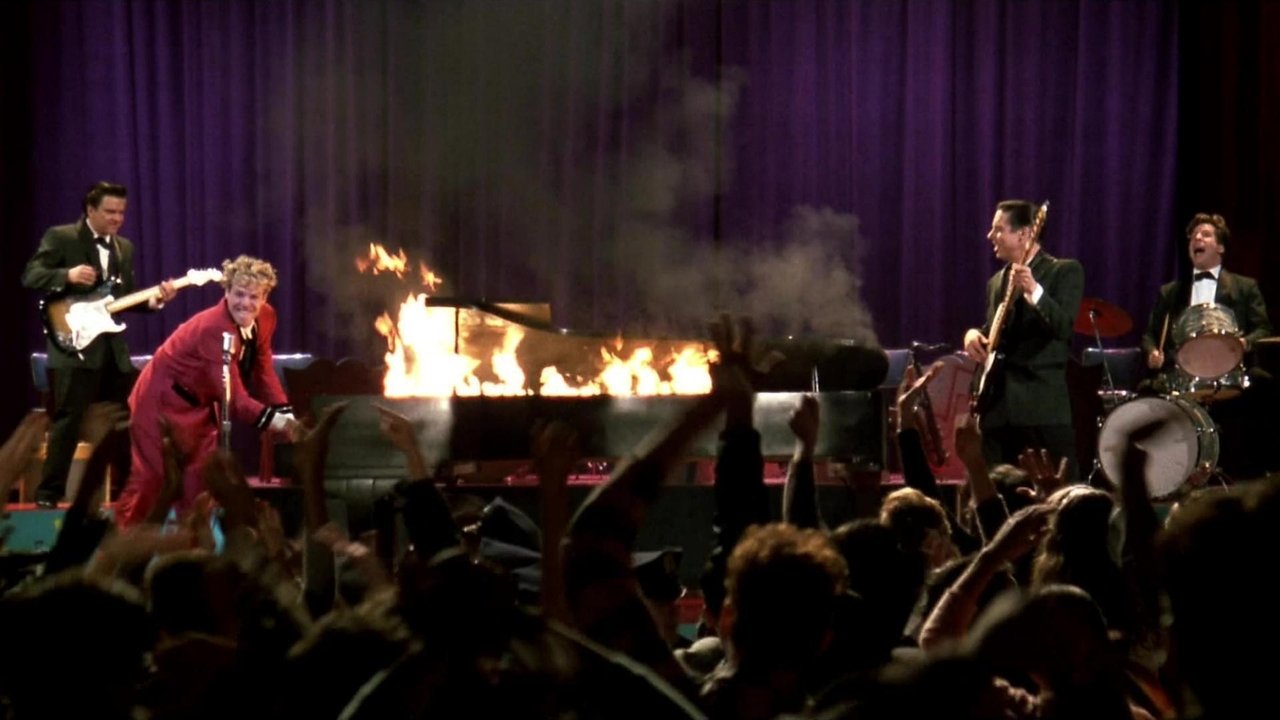
Alright, fellow tapeheads, pull up a beanbag chair and adjust the tracking. Tonight on VHS Heaven, we're cranking the volume knob way past eleven and diving headfirst into the glorious, sweaty, slightly unhinged energy of Jim McBride’s Great Balls of Fire! (1989). Forget your carefully curated biopics; this ain't that. This is pure cinematic rock 'n' roll anarchy, beamed directly from the heart of the late 80s, trying to capture the lightning-in-a-bottle chaos of the 50s. I remember grabbing this box off the rental shelf, lured by that iconic image of a piano ablaze, and thinking, "This is gonna be loud." It didn't disappoint.
Feel the Burn
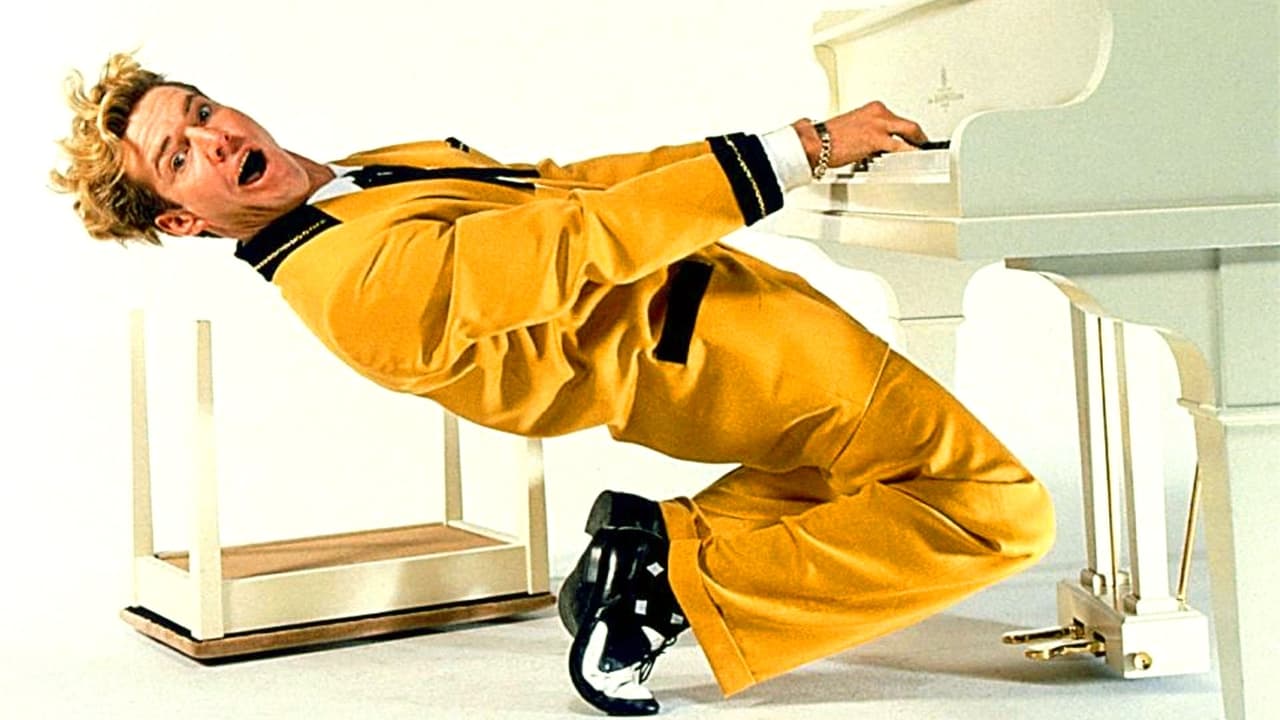
From the opening frames, Great Balls of Fire! throws subtlety out the window and slams the accelerator to the floor. It's less a nuanced exploration of Jerry Lee Lewis's life and more a hyper-stylized, almost cartoonish blast of his public persona's raw power and eventual flameout. Jim McBride, who'd already shown a knack for atmospheric storytelling with the brilliant neo-noir The Big Easy (1986), opts here for something far more kinetic. The camera rarely sits still, the colours pop with neon intensity, and the editing feels like it’s mainlined pure caffeine. It perfectly mirrors the frantic, world-changing energy of early rock 'n' roll hitting a buttoned-up society square in the jaw.
Quaid is The Killer
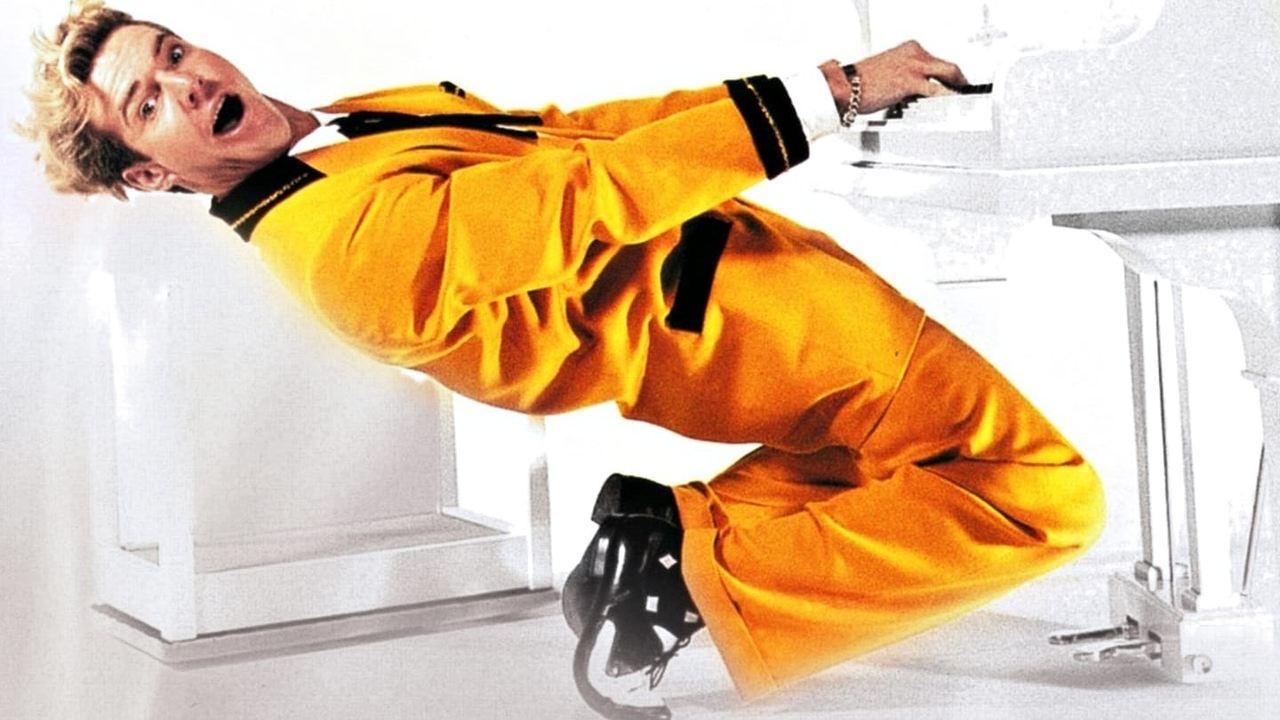
Let's be honest, the main reason this film crackles with such ferocious energy is Dennis Quaid. Forget impersonation; this is possession. Quaid becomes "The Killer," embodying not just the legendary swagger and the pounding piano style, but the dangerous glint in the eye, the feeling that this guy could either kiss you or punch you, and you wouldn't know which was coming. It’s a performance of pure, unrestrained id. What's truly mind-blowing is that Quaid actually learned to play piano in Lewis's signature, manic style for the role. You feel that effort, that commitment, in every hammered key and wild grin. And while Lewis himself famously re-recorded his hits for the soundtrack – ensuring that sonic authenticity blasted through your TV speakers – Quaid’s physical performance sells the legend completely. Was there ever a more perfect casting choice to capture that sheer, untamed energy in the late 80s?
That Controversial Spark
Of course, you can't talk about Great Balls of Fire! without addressing the elephant in the room: Lewis's marriage to his 13-year-old second cousin, Myra Gale Brown. The film, based on Myra's own book (co-written with Murray Silver Jr.), tackles this head-on, with a young Winona Ryder playing Myra. Ryder, already showcasing the talent that would make her a 90s icon (fresh off Beetlejuice and Heathers), brings a crucial vulnerability and surprising steeliness to the role. The film doesn't shy away from the disturbing nature of the relationship, but it frames it through the lens of its era and the specific, strange bubble of Lewis's world. It’s uncomfortable, as it should be, but McBride presents it as part of the whirlwind, the crazy trajectory of a star burning too bright, too fast. It’s a tricky balancing act, and the film received criticism at the time for perhaps not condemning it harshly enough, favouring scandalous energy over deep moral probing. Look out too for a scene-stealing turn from a young Alec Baldwin as Lewis's preacher cousin, Jimmy Swaggart, foreshadowing the televangelist's own future fall from grace.
Behind the Music Mayhem
Filmed largely on location in Memphis, Tennessee, the movie tries to soak up that authentic Sun Records vibe. Despite its vibrant energy and Quaid's powerhouse performance, Great Balls of Fire! didn't exactly set the box office ablaze upon release. Made for around $14 million, it struggled to recoup its budget, earning just under $14 million domestically. Critics were decidedly mixed, unsure what to make of its hyperactive style and tricky subject matter. Was it a celebration? A condemnation? A musical cartoon? It felt like a film slightly out of step, maybe too wild for the mainstream biopic expectations set by films like La Bamba two years earlier. Yet, like so many tapes discovered in the glorious clutter of the video store, its reputation has grown among fans who appreciate its sheer audacity and Quaid's unforgettable turn. It captures a specific, almost dangerous feeling – the recklessness of fame and the raw power of rock 'n' roll – in a way few other music biopics dare.
Watching it now, the film’s deliberate lack of realism feels like a feature, not a bug. It’s supposed to feel heightened, like a fever dream recalled years later. The speed, the sweat, the slightly exaggerated sets – it all contributes to this feeling of a myth being born and immolated right before your eyes. It’s the kind of film that felt right on VHS, the slightly fuzzy picture and booming sound somehow enhancing its over-the-top nature.
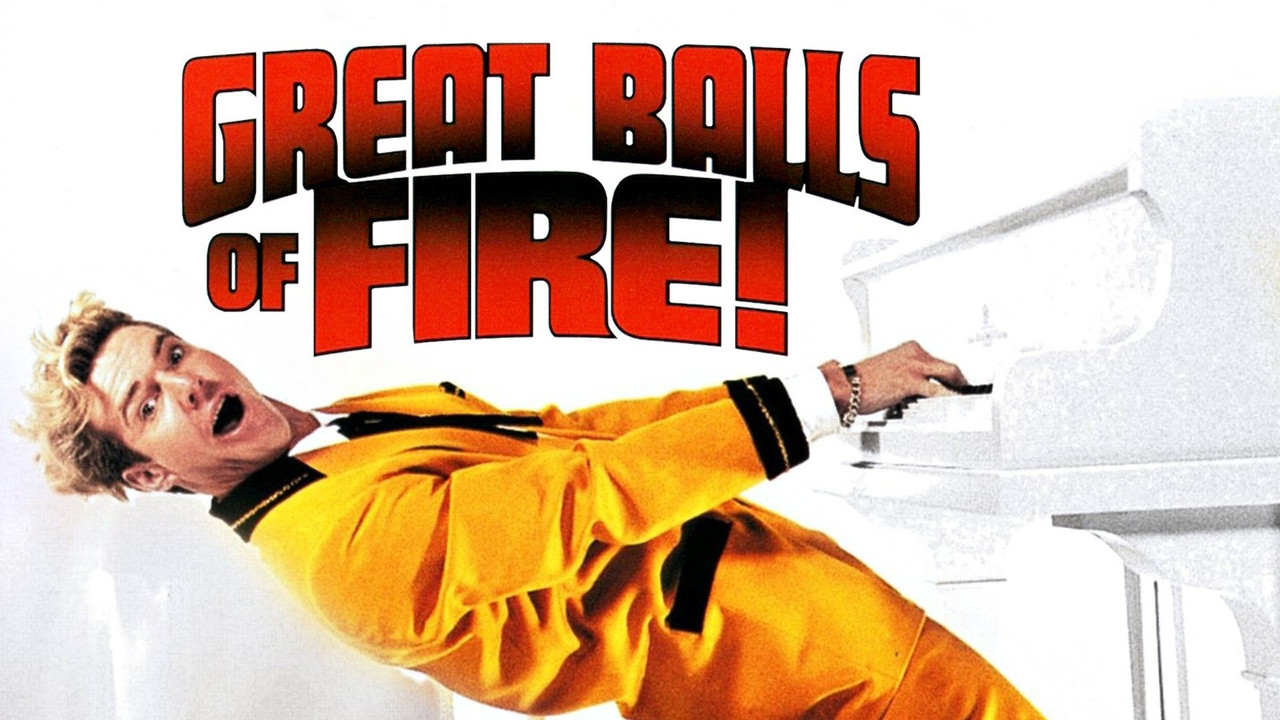
VHS Heaven Rating: 7/10
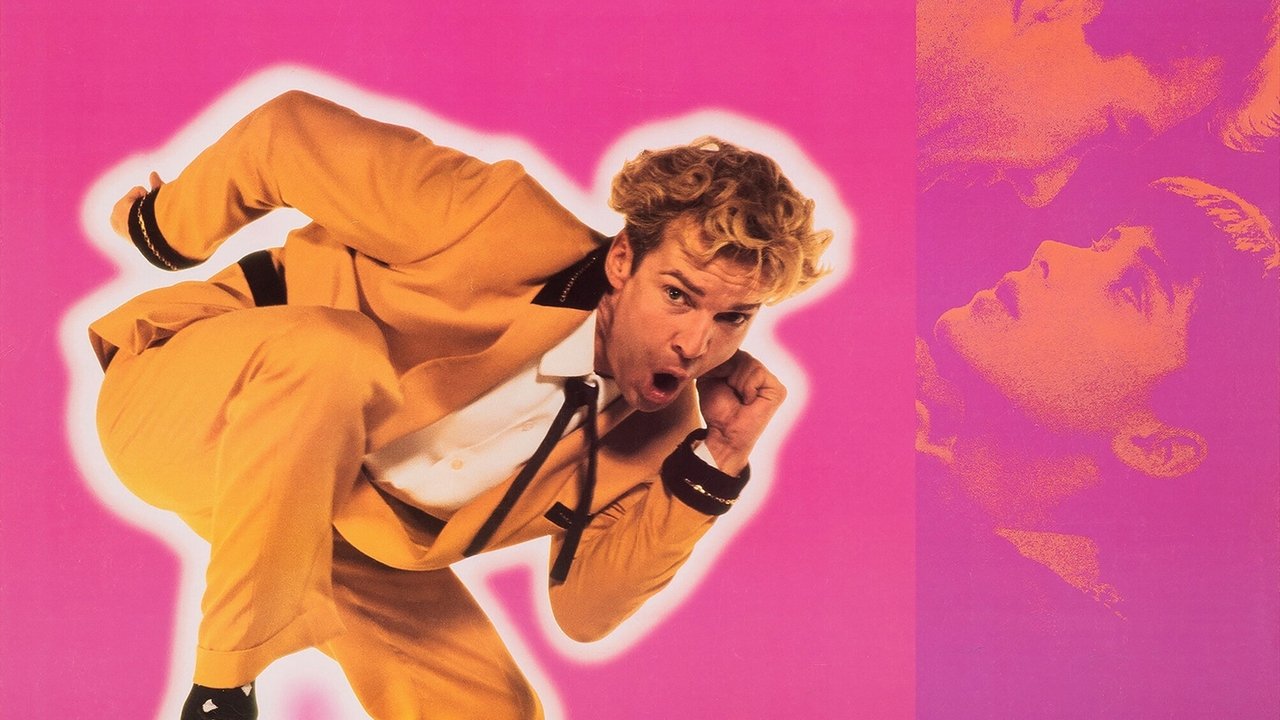
Justification: This score reflects the film's undeniable, almost exhausting energy, fueled by Dennis Quaid's phenomenal, committed performance and the killer soundtrack. It successfully captures the whirlwind of early rock stardom with visual flair. However, it loses points for its somewhat shallow, hyper-stylized approach to complex and controversial subject matter, which might leave some viewers wanting more depth amidst the fireworks. Its initial commercial and critical stumble also has to be factored in, even if it’s found a cult following since.
Final Spin: Great Balls of Fire! isn't a history lesson; it's a cinematic shot of adrenaline mainlined straight from the heart of rock 'n' roll's wild frontier, delivered with pure 80s excess. It’s loud, problematic, and utterly magnetic – a testament to a time when movie stars could still feel genuinely dangerous on screen. Goodness gracious, it’s still a wild ride.