Some films arrive not with a bang, but with a whisper that slowly builds into something unforgettable. Such is the case with Little Voice (1998), a film that feels less like a conventional movie and more like stumbling upon a rare, slightly dusty vinyl record in the back of a shop – one that holds an unexpected, deeply resonant performance. It wasn't the typical late-90s fare dominating the shelves at Blockbuster; instead, it offered something altogether different, a character study wrapped in faded seaside glamour and powered by a truly unique central talent.
### Echoes in a Cramped Room
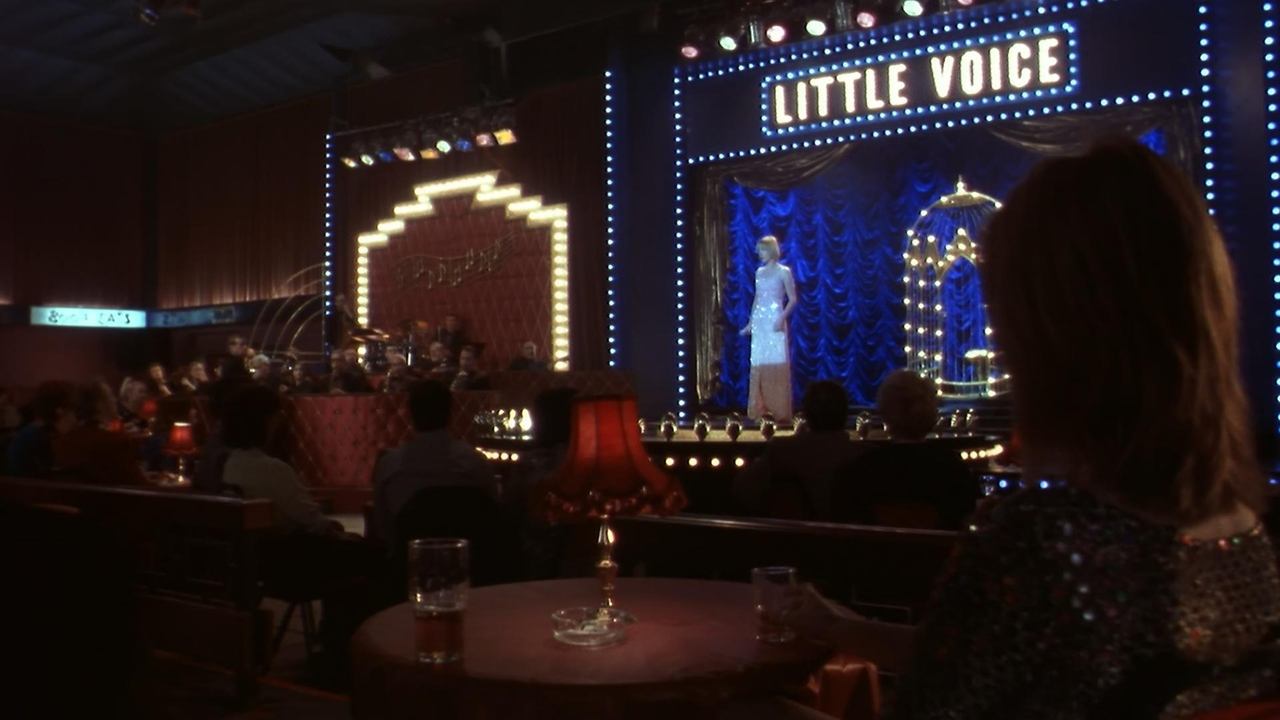
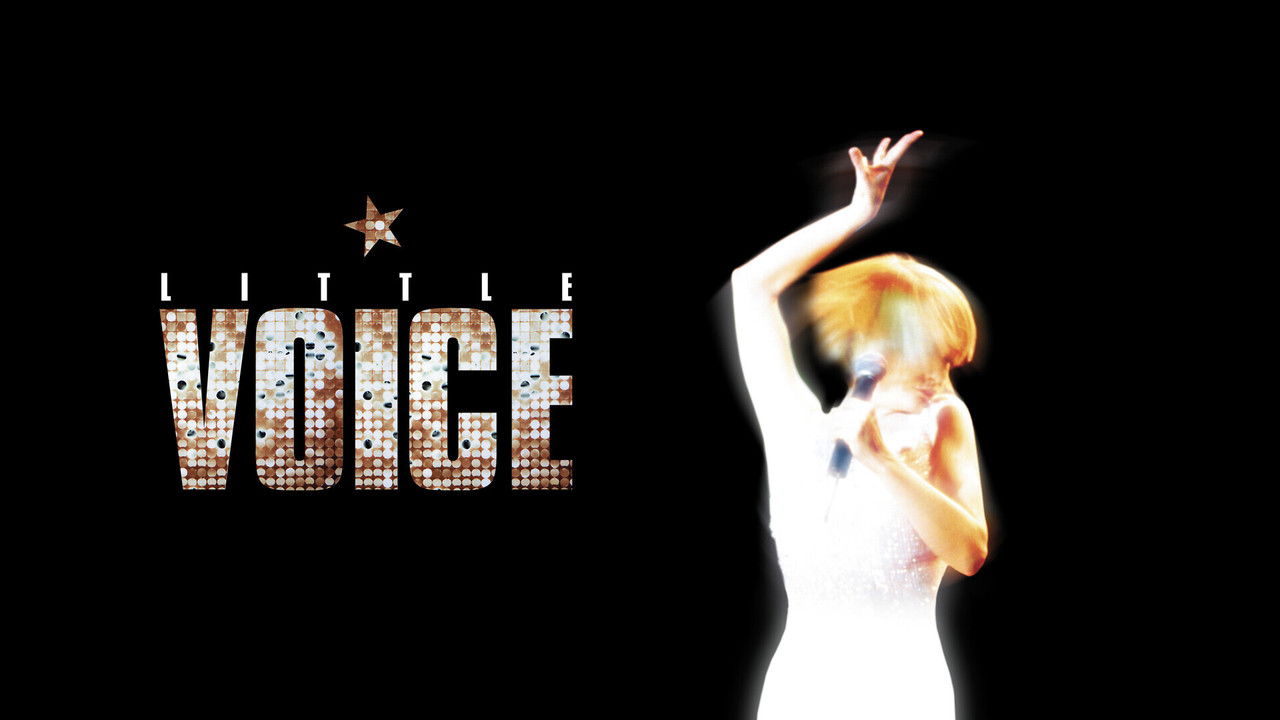
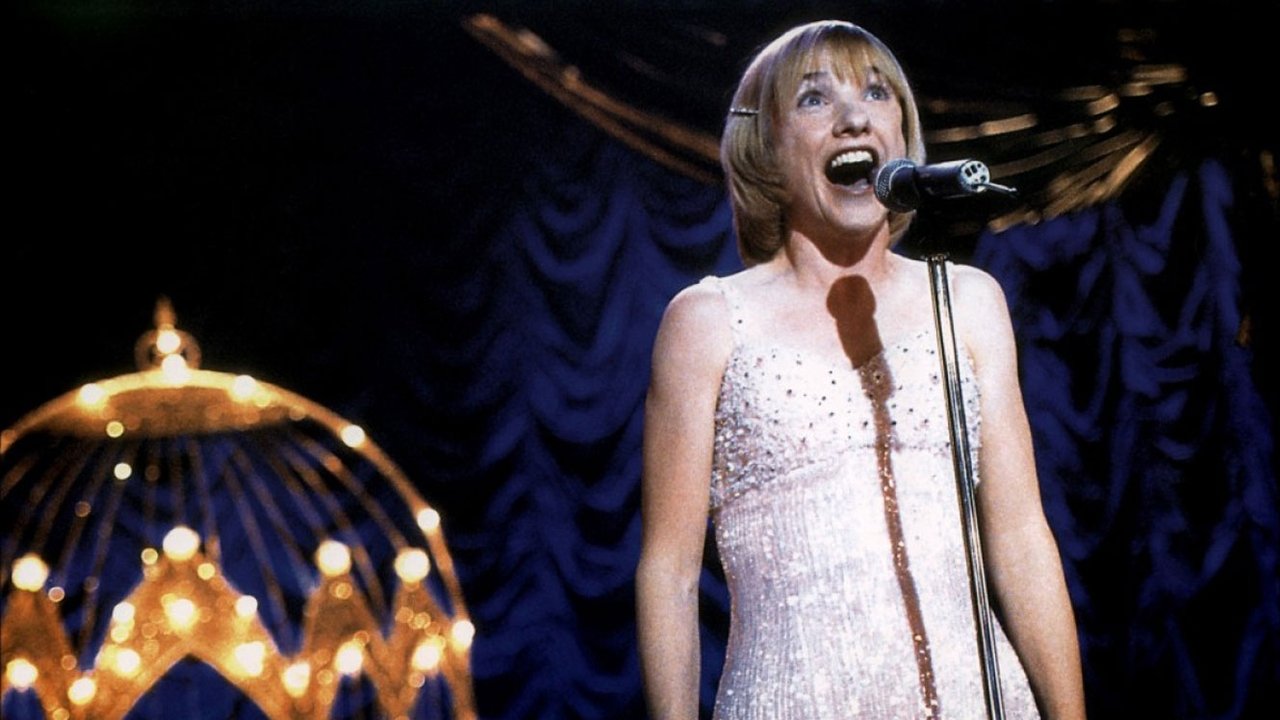
The film introduces us to Laura Hoff, nicknamed LV (for Little Voice), a painfully shy young woman living in the shadow – and overwhelming noise – of her boozy, flamboyant mother, Mari (Brenda Blethyn), in the faded coastal town of Scarborough. LV barely speaks, finding solace only in her late father’s record collection, immersing herself in the timeless voices of Judy Garland, Marilyn Monroe, Shirley Bassey, and others. Here's the magic, though: she doesn't just listen; she absorbs. Jane Horrocks, in a role seemingly destined for her, becomes these icons, flawlessly mimicking their voices and mannerisms in the privacy of her bedroom. It’s less an impersonation act and more a form of profound, almost spiritual communion. Horrocks had originated the role in Jim Cartwright's stage play, The Rise and Fall of Little Voice, and the film wisely, necessarily, centres entirely around her astonishing ability. It's a performance built not on broad strokes, but on incredible vocal precision and the subtle conveyance of deep-seated trauma and longing.
### A Mother's Roar, A Daughter's Retreat
Contrast this quiet retreat with the force of nature that is Mari Hoff. Brenda Blethyn, who earned a richly deserved Oscar nomination for Best Supporting Actress, is simply monumental. Mari is loud, vulgar, desperate for affection, and utterly self-absorbed. She crashes through life leaving chaos in her wake, seemingly oblivious to the damage she inflicts, particularly on LV. Yet, Blethyn finds the flicker of vulnerability beneath the brassy exterior – the loneliness driving the need for constant attention, the fear masked by cheap makeup and cheaper talk. It’s a performance that could easily tip into caricature, but Blethyn roots it in a painful, recognizable humanity. The scenes between LV and Mari are electric with this contrast: the suffocating noise of Mari’s demands versus the suffocating silence of LV’s withdrawal. You can almost feel the oppressive atmosphere of that small house, thick with cigarette smoke and unspoken resentment, a feeling perhaps even more palpable on those old CRT screens we watched it on back in the day.
### The Svengali of Scarborough
Into this volatile mix steps Ray Say, a small-time, slightly greasy talent scout played with pitch-perfect sleaze and charm by Michael Caine. Fresh off a period of less-than-stellar roles, Caine grabbed this part with both hands, delivering a performance that reignited his career and won him a Golden Globe. When Ray overhears LV singing, he sees not a fragile young woman, but a potential ticket to the big time. Caine masterfully embodies the kind of predatory opportunist who cloaks exploitation in encouragement. He’s charming, yes, but there’s always a calculating glint in his eye. His belief in LV’s talent feels genuine, but it's inextricably tied to what he can gain from it. It’s a fascinating dynamic, watching Ray try to coax the terrified LV out of her shell and onto the stage of the local working men's club, managed by the wonderfully weary Mr. Boo (Jim Broadbent). Adding a touch of quiet decency is Ewan McGregor as Billy, a pigeon-fancying telephone engineer who offers LV a glimpse of genuine, unexploited connection.

### Grit, Glamour, and Genuine Talent
Director Mark Herman (Brassed Off (1996)) captures the specific atmosphere of Scarborough beautifully – the faded grandeur of the seaside resort town, the slightly desperate hopefulness hanging in the air. The production design emphasizes the contrast between the cluttered, chaotic Hoff house and the potential escape offered by the stage or the quiet solitude of Billy's world. There's a real sense of place here, far removed from the glossy sheen of many contemporary films.
One fascinating production aspect is how Horrocks' vocals were handled. While she performed the iconic mimicry live on stage, for the film, delivering that level of precision consistently amidst filming conditions was a challenge. Herman worked closely with Horrocks to capture the raw energy, often using pre-recordings blended with live elements to ensure both technical perfection and emotional authenticity. The film’s modest $6 million budget meant resourcefulness was key, yet it never feels cheap, instead achieving a grounded realism that enhances the story. It wasn’t a box office smash (grossing around $9.5 million worldwide), but its critical acclaim, particularly for the acting, cemented its status as a standout piece of 90s British cinema.
### Beyond the Impressions
Does LV truly find her own voice by the end? The film leaves this slightly ambiguous. She confronts her demons, yes, and there's a powerful climax, but the journey is more about shattering the protective shell built from others' voices than instantly discovering a fully formed identity. What lingers isn't just the uncanny mimicry, but the profound sadness and resilience of its central character. It’s a film that asks us to consider where escape truly lies – in losing ourselves in others, or in the terrifying, liberating act of speaking for ourselves?

Watching it again now, perhaps on a format far removed from the original VHS tape I first rented from Choices Video (remember those?), the performances remain utterly captivating. It’s a film with rough edges and difficult characters, but its core honesty and the sheer, unique talent on display make it shine.
Rating: 8/10
This score reflects the powerhouse performances, particularly from Horrocks and Blethyn, Caine's brilliant turn, and the film's unique, atmospheric charm. It captures a specific kind of Northern English grit mixed with unexpected magic. While the narrative arc is perhaps predictable in places, the execution elevates it far beyond a simple Cinderalla story. It’s a poignant, funny, and ultimately moving film that truly gives voice to the voiceless, even if that voice initially belongs to someone else. A genuine gem from the late-VHS era that deserves rediscovery.