Here's a review for The Postman (1997):
### A Letter from a Broken World
Imagine a world fractured, communication shattered, hope a flickering ember in the ruins of what was. Now, picture a lone figure, a drifter initially driven by self-preservation, stumbling into the guise of a postman – a symbol of connection in a disconnected age. This is the potent, almost achingly sincere core of Kevin Costner's ambitious 1997 venture, The Postman, a film that aimed for epic grandeur but landed with a thud that echoed through late-90s multiplexes and video stores. Watching it again now, decades removed from the discourse surrounding its troubled release, offers a chance to look past the punchlines and consider the earnest heart beating beneath its considerable bulk.
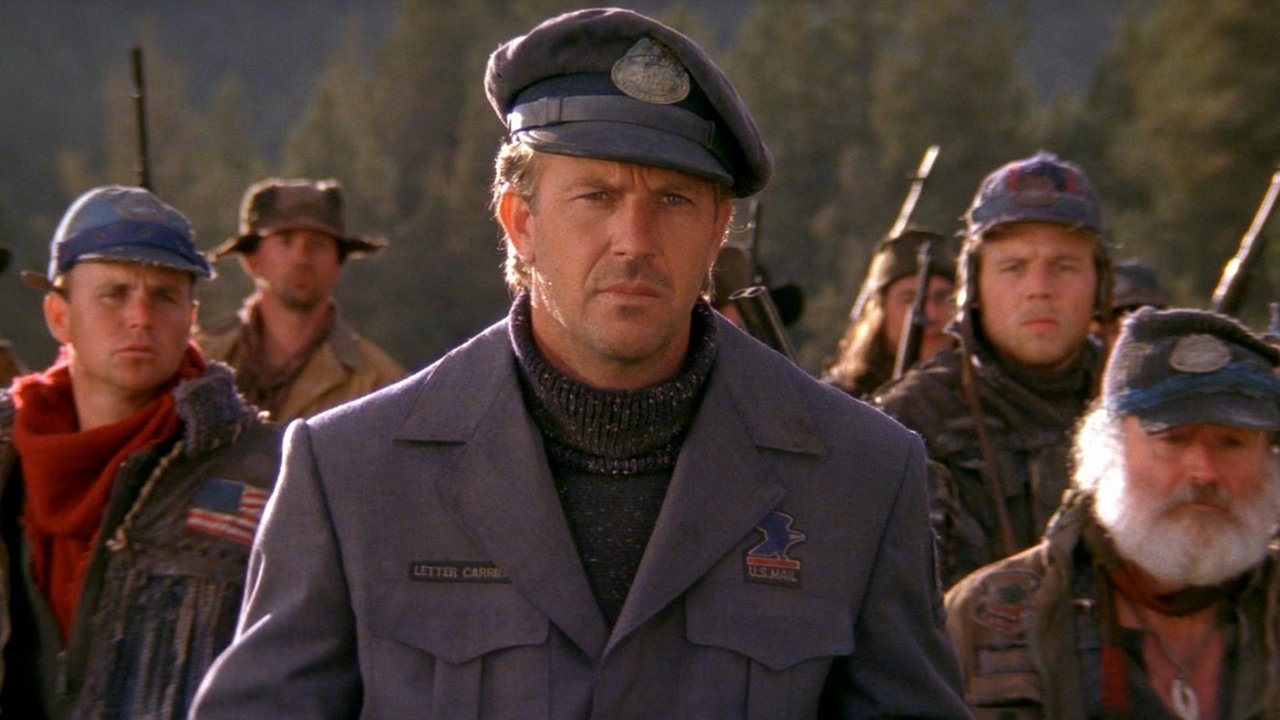
Based on David Brin's acclaimed 1985 novel, the film transports us to a bleak 2013, years after an unspecified apocalypse ("The Doom") has wiped out technology and fractured society. Costner, pulling double duty as director and star (a feat he’d managed triumphantly with 1990's Dances With Wolves), plays a nameless nomad captured by the Holnists, a brutal militia led by the charismatic and ruthless General Bethlehem. Escaping, he finds refuge in a rusted mail jeep, dons a found postal uniform, and, initially as a ruse for food and shelter, begins delivering long-lost mail, spinning tales of a "Restored United States Government." What starts as a survival tactic unexpectedly ignites a fragile sense of hope and community among the scattered settlements.
The Weight of the Mailbag
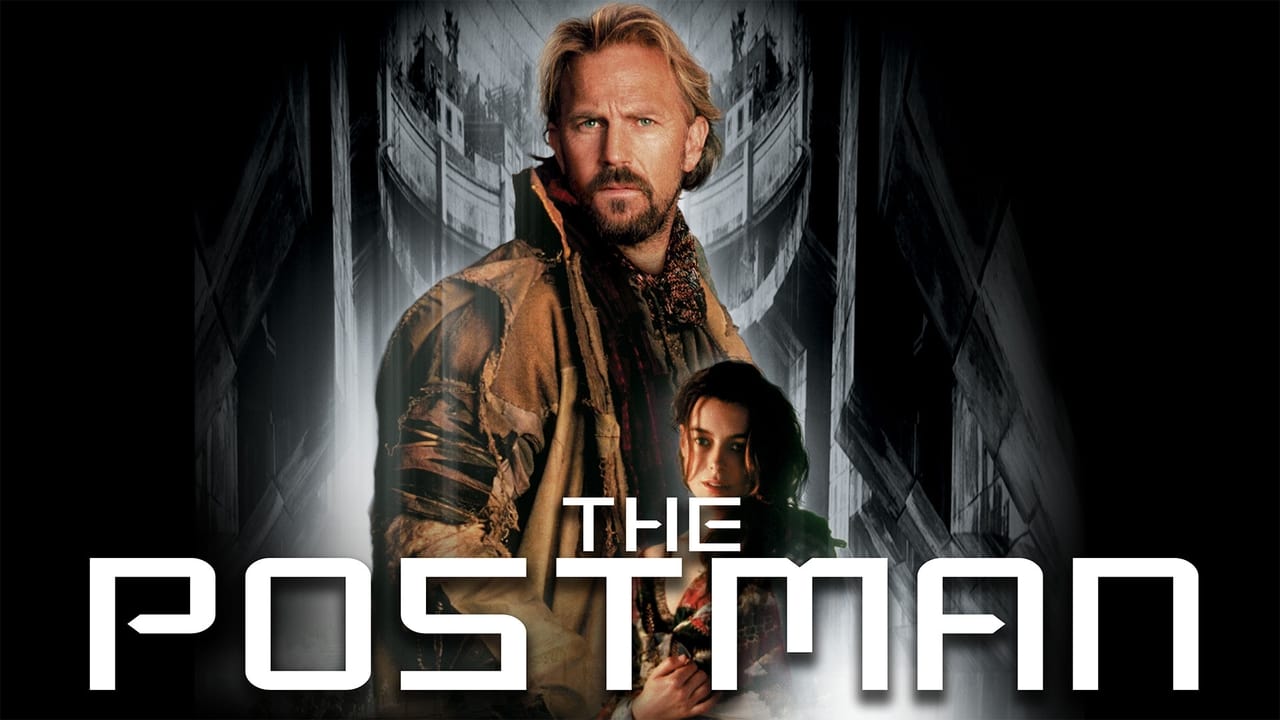
Costner portrays the titular Postman with his signature blend of weathered weariness and reluctant heroism. It's a familiar archetype for him, the cynical loner drawn into a cause larger than himself. While perhaps not stretching his range significantly, there's a grounded quality to his performance, particularly in the early scenes where survival is his only creed. His transformation feels gradual, earned through the reactions of those he encounters – people starved not just for supplies, but for the very idea of connection and order the uniform represents.
However, the film truly crackles whenever Will Patton strides on screen as General Bethlehem. Patton delivers a performance that teeters wonderfully on the edge of theatricality without quite falling off. Bethlehem isn't just a stock villain; he's a former copier salesman twisted by the new world order, clinging to a perverse sense of entitlement and control. He understands the power of symbols perhaps even better than the Postman initially does, making their ideological conflict the film's most compelling aspect. There's a dangerous intelligence simmering beneath his pronouncements, a genuine threat that elevates the stakes. Supporting players like Larenz Tate as the idealistic Ford Lincoln Mercury also bring moments of warmth and conviction, embodying the rekindled hope the Postman inspires.
An Epic Journey, Perhaps Too Long
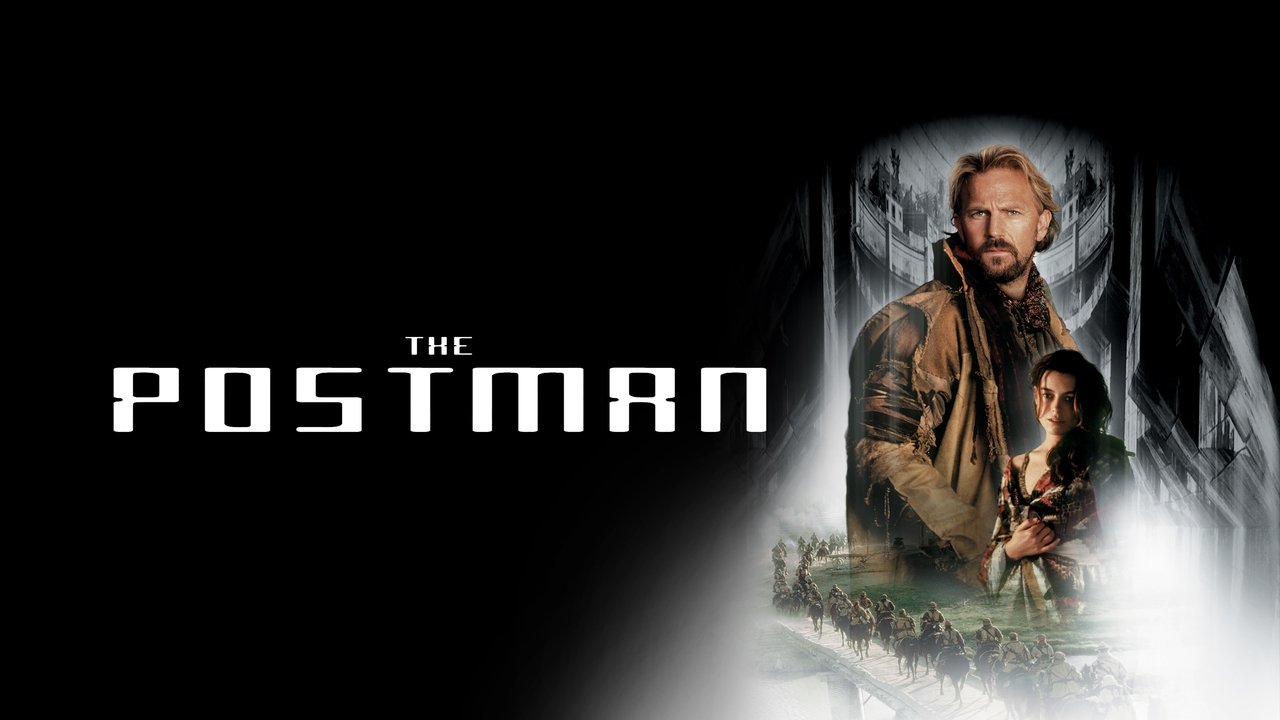
Let's address the elephant in the screening room: the nearly three-hour runtime. Costner clearly envisioned The Postman as a sweeping saga, painting on a vast canvas reminiscent of classic Westerns (fitting, given the Oregon and Washington filming locations providing majestic, desolate backdrops). The ambition is palpable in Stephen F. Windon's cinematography and James Newton Howard's soaring, hopeful score. Yet, the film undeniably suffers from pacing issues. Scenes linger, subplots meander, and the central narrative thread occasionally gets lost in the sheer scale of the undertaking. On VHS, especially if it was one of those double-tape behemoths, settling in for The Postman was a commitment – one that tested the patience of many viewers back in the day.
This grand scale came at a cost – literally. Reportedly budgeted around $80 million, The Postman stumbled badly at the box office, barely scraping past $20 million worldwide. It became shorthand, alongside Costner’s own Waterworld (1995), for directorial hubris and blockbuster bloat. It also famously swept the Golden Raspberry Awards, cementing its reputation as a colossal failure. One wonders what might have been. The script, credited to Academy Award winners Eric Roth (Forrest Gump) and Brian Helgeland (L.A. Confidential – released the same year!), hints at a potentially tighter, more focused story wrestling with complex themes buried within Brin’s novel. Perhaps the earnest, almost Capra-esque belief in community and symbols felt jarringly out of step with the cynical irony prevalent in the late 90s.
Delivering Some Truth, Despite the Flaws
Rewatching The Postman today, free from the weight of its initial reception, reveals a film that, while flawed, isn't entirely without merit. Its central theme – the power of communication, symbols, and collective belief to rebuild civilization – possesses a certain naive charm, even a poignant relevance. In an era before instant global connection, the idea of a letter carried overland held profound weight, and the film captures some of that significance. The practical effects and production design effectively create a believable post-collapse world, grounded in decay rather than sci-fi fantasy.
Was the film unfairly maligned? Perhaps not entirely – its narrative sprawl and unwavering earnestness are undeniable drawbacks. But was it the cinematic disaster its reputation suggests? I'm not so sure. There’s a sincerity to its message, a commitment from its cast (especially Patton), and a visual scope that demands a degree of respect, even if the execution falters. It’s a film that swung for the fences, aiming for inspirational myth-making. It might have tripped on its way around the bases, but the attempt itself is fascinating to revisit.

Rating: 5/10
The Postman earns a 5 primarily for its noble intentions, Will Patton's magnetic villainy, and its impressive, if overlong, visual scope. Its earnest belief in hope and connection resonates, even if buried under excessive runtime and uneven pacing. It falls short of its epic aspirations due to narrative bloat and a central performance from Costner that feels a touch too familiar. It’s a film whose ambition outstripped its grasp, leaving behind a fascinating, flawed artifact of 90s big-budget filmmaking.
What lingers most isn't the failure, but the quiet power of its central idea: that even in the darkest times, the simple act of reaching out, of carrying a message, can spark a revolution of the human spirit.