Neon Genesis Evangelion: The End of Evangelion
It wasn't supposed to end like this. The final two episodes of the Neon Genesis Evangelion television series, aired in 1996, left audiences… bewildered. Confused. For some, deeply unsatisfied. What began as a visually stunning, psychologically complex take on the giant robot genre dissolved into an abstract, internal monologue lacking the earth-shattering climax many craved. The backlash was immediate, intense, and disturbingly personal, directed squarely at creator Hideaki Anno. Letters poured into Studio Gainax, ranging from disappointed pleas to outright death threats spray-painted onto the studio building itself. From this crucible of fan expectation and artistic turmoil emerged Neon Genesis Evangelion: The End of Evangelion (1997), not just an alternate ending, but a visceral, often harrowing cinematic confrontation.
Congratulations... and Apocalypse
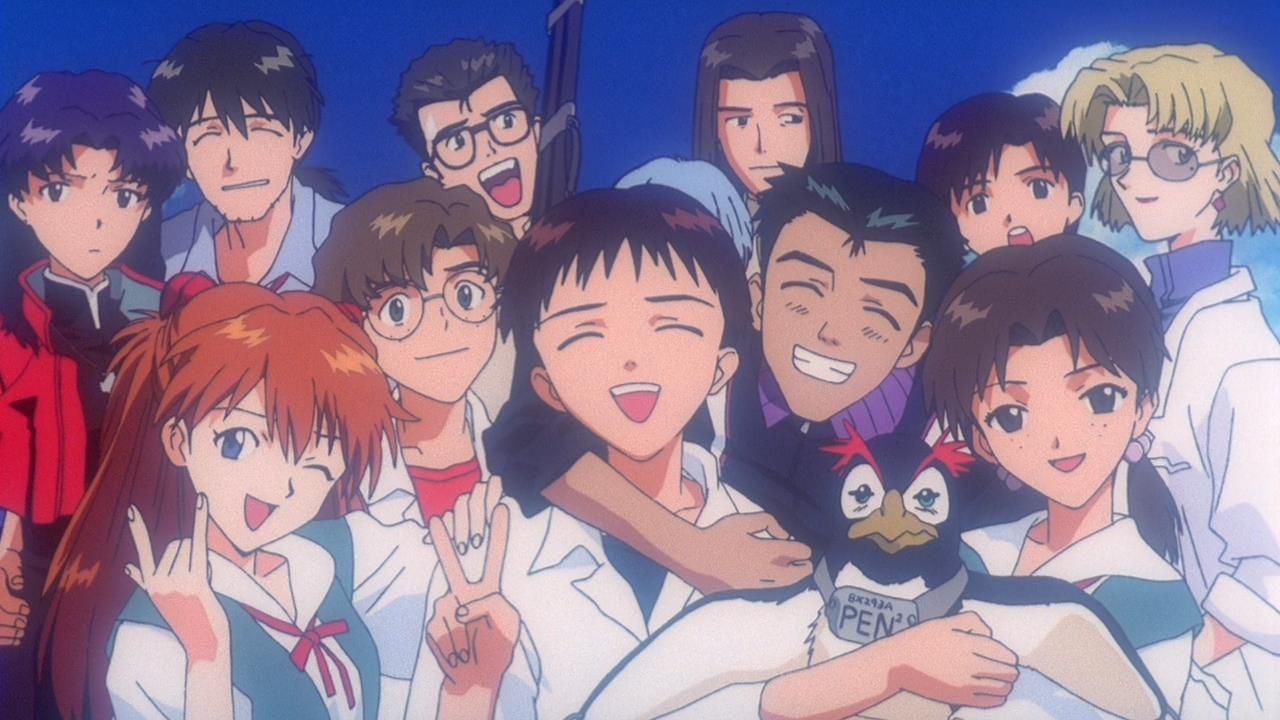
Picking up directly after episode 24 of the TV series, The End of Evangelion wastes no time plunging us into the abyss. Shinji Ikari, our perpetually traumatized teenage pilot, is at his absolute nadir. Asuka Langley Soryu lies comatose. Misato Katsuragi and Ritsuko Akagi face the brutal reality of NERV's political fallout as SEELE initiates its final, terrifying plan: the Human Instrumentality Project. Forget the cerebral introspection of the TV finale; this is a full-blown assault – paramilitary forces storming NERV headquarters, beloved characters meeting shockingly violent ends, and the towering Evangelion units engaged in battles that feel less like heroic spectacle and more like desperate, flesh-tearing struggles for survival.
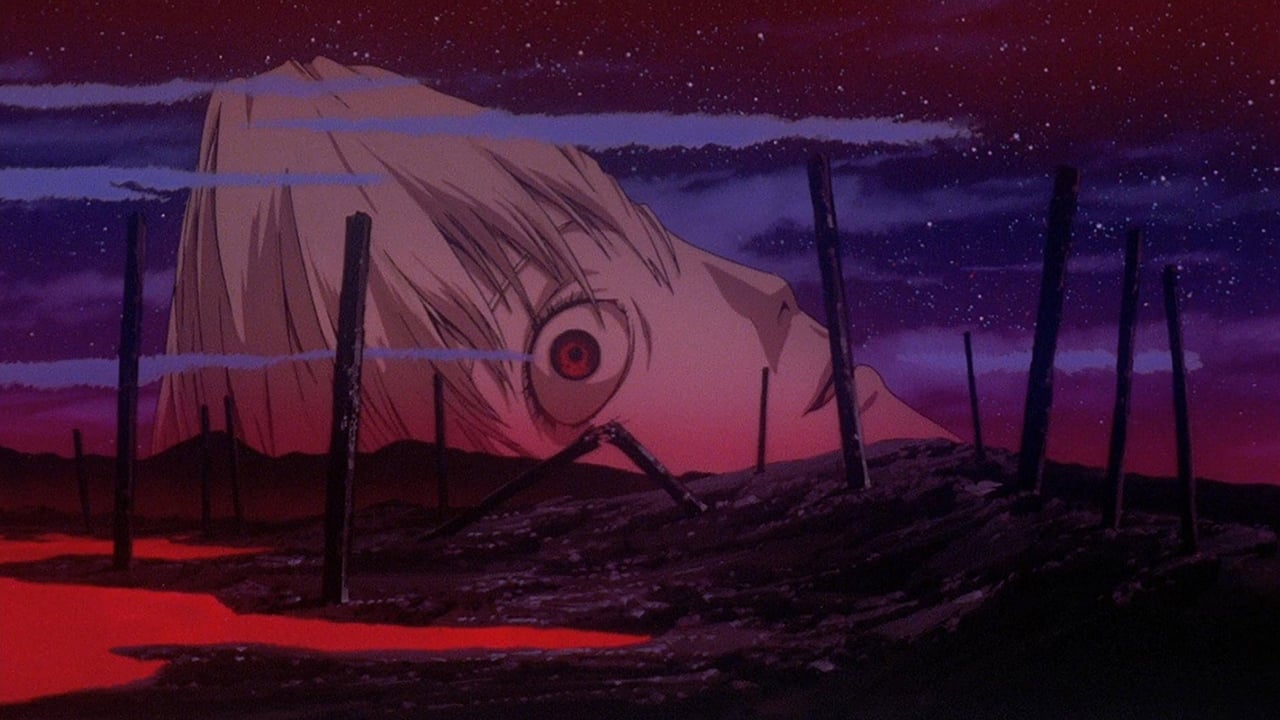
The atmosphere is thick with dread from the opening frames. There's a palpable sense of things falling apart, not just narratively, but existentially. The bright, sometimes hopeful moments of the series feel like a distant, mocking memory. Directors Hideaki Anno, Kazuya Tsurumaki, and Masayuki unleash a torrent of surreal, often grotesque imagery that burns itself onto your retinas. Remember the initial shock of seeing Asuka's Eva Unit-02 fighting the Mass Production EVAs? That sequence remains a masterclass in brutal, unsettling animation – the stark white, bird-like designs of the invaders, their eerie grins, and the sheer savagery of the combat still provoke a visceral reaction decades later.
A Symphony of Suffering
The artistry on display is undeniable, even as it depicts profound suffering. The animation, particularly for a 1997 feature, is often breathtaking – fluid, detailed, and unflinching. Gainax, despite reported budget issues that perhaps contributed to the TV ending's abstract nature, pulled out all the stops here. The character animation captures the raw agony of Megumi Ogata's Shinji, the fractured psyche of Yūko Miyamura's Asuka, and the weary resolve of Megumi Hayashibara's Rei Ayanami with devastating precision. Their voice performances are legendary, conveying layers of pain, confusion, and fleeting moments of connection that ground the cosmic horror in human frailty.
Shiro Sagisu's score is inseparable from the film's impact. Tracks like "Komm, süsser Tod" ("Come, Sweet Death") – an incongruously upbeat J-pop song playing over the literal apocalypse – create a cognitive dissonance that is deeply unnerving. It’s a perfect example of the film’s willingness to confront the viewer, to mix despair with moments of bizarre, almost uncomfortable beauty or levity. Did that juxtaposition make the end of the world feel even more disturbing to you?
The Scars of Creation
You can't discuss The End of Evangelion without acknowledging the context of its creation. It feels like Hideaki Anno pouring his own documented struggles with depression and the immense pressure of the original series' success (and subsequent fan reaction) directly onto the screen. The film is raw, confrontational, and deeply personal. There's a famous, almost mythical story that actual hate mail and death threats received by Anno and Gainax were briefly incorporated into the film's jarring live-action sequence near the climax – a meta-textual gut punch blurring the line between creator, creation, and audience. Whether entirely true or embellished folklore, it speaks volumes about the environment this film was born from. It’s less a conventional narrative conclusion and more an exorcism.
The film itself cost roughly ¥500 million (around $4.5 million USD in 1997, maybe $8 million today – quite substantial for anime then) and was a significant box office success in Japan, proving the intense hunger for this version of the ending. It wasn't universally loved upon release, however; its bleakness, graphic violence, and complex, often ambiguous philosophical ideas were, and remain, divisive. It asks profound questions about isolation, connection, escapism, and the pain inherent in existence, but offers no easy answers. That refusal to neatly resolve everything is perhaps its most enduring, and challenging, quality. For many Western fans in the late 90s and early 00s, tracking down EoE on expensive imported LaserDiscs, bootleg VHS tapes, or nascent fansub files felt like uncovering forbidden knowledge – a stark contrast to the more accessible anime filtering through at the time.
Worth the Trauma?
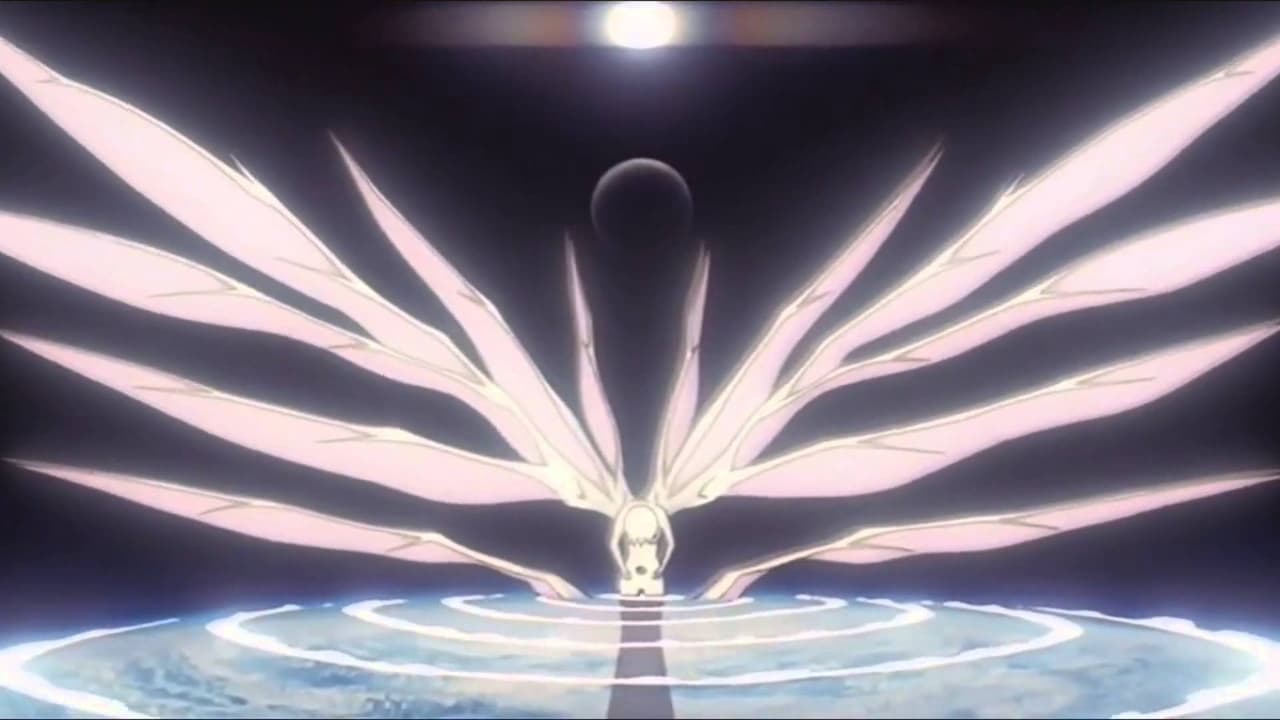
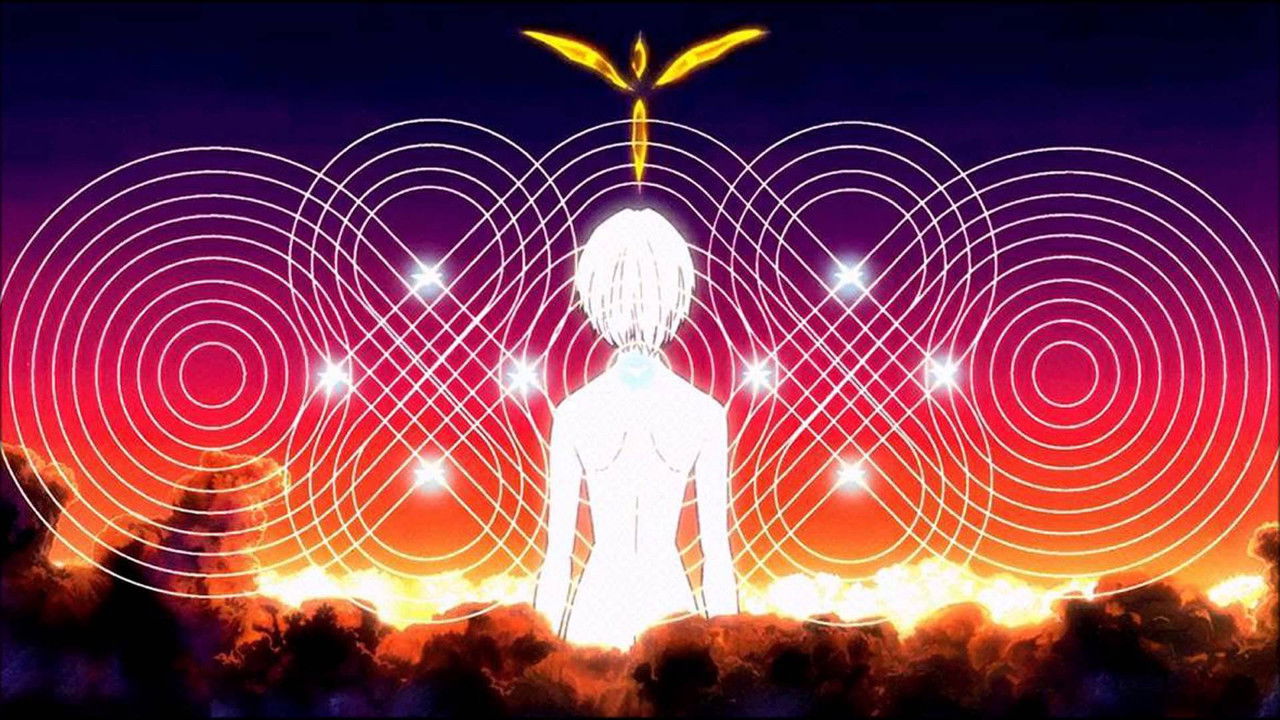
The End of Evangelion is not an easy watch. It's dense, demanding, and emotionally draining. It drags its characters (and the audience) through hell, offering moments of strange beauty amidst overwhelming despair. The infamous final scene remains one of the most debated and analyzed endings in anime history, a moment of stark, uncomfortable ambiguity that refuses simple interpretation. Is it a nihilistic void, or the faintest glimmer of hope for rebuilding connection in a shattered world? The film leaves it hanging, a question mark scrawled over the apocalypse.
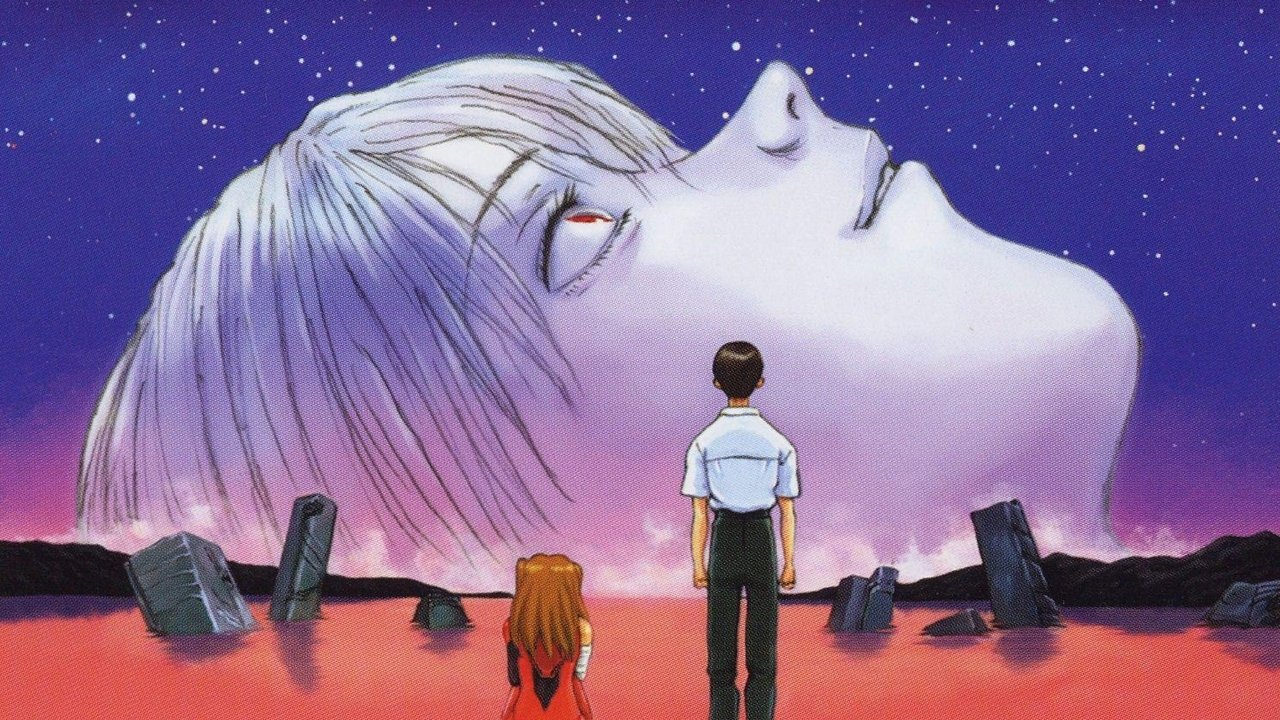
While the later Rebuild of Evangelion films (starting 2007) offer yet another interpretation of the saga, The End of Evangelion stands as a singular, monumental achievement in animation. It’s a product of immense pressure, artistic fury, and profound introspection – a film that dared to give the audience the spectacular climax they demanded, but twisted it into something far more challenging and psychologically terrifying than anyone expected.
Rating: 9/10
This score reflects the film's sheer artistic audacity, its technical brilliance in animation and sound design, its unforgettable imagery, and its profound, lasting impact on the medium. It’s a near-masterpiece of psychological horror and existential sci-fi, docked perhaps only slightly for its sheer density and potential to alienate viewers unprepared for its intensity. It doesn't just conclude the Evangelion story; it detonates it, leaving behind haunting fragments that lodge themselves deep in the viewer's psyche. A true landmark of 90s anime, essential viewing for anyone seeking animation that pushes boundaries and explores the darkest corners of the human condition. It’s the ending we perhaps deserved, even if it wasn’t the one we thought we wanted.