Okay, pull up a comfy chair, maybe grab a Peroni or a chinotto if you're feeling adventurous, because we're digging into a gem that might have slipped past many North American video store shelves but was pure gold on Italian VCRs: Aldo, Giovanni & Giacomo's cinematic debut, Three Men and a Leg (1997, Tre uomini e una gamba). If you ever stumbled upon this delightful slice of late-90s Italian comedy, perhaps on a dusty imported tape or a lucky satellite channel catch, you know the unique charm I'm talking about.
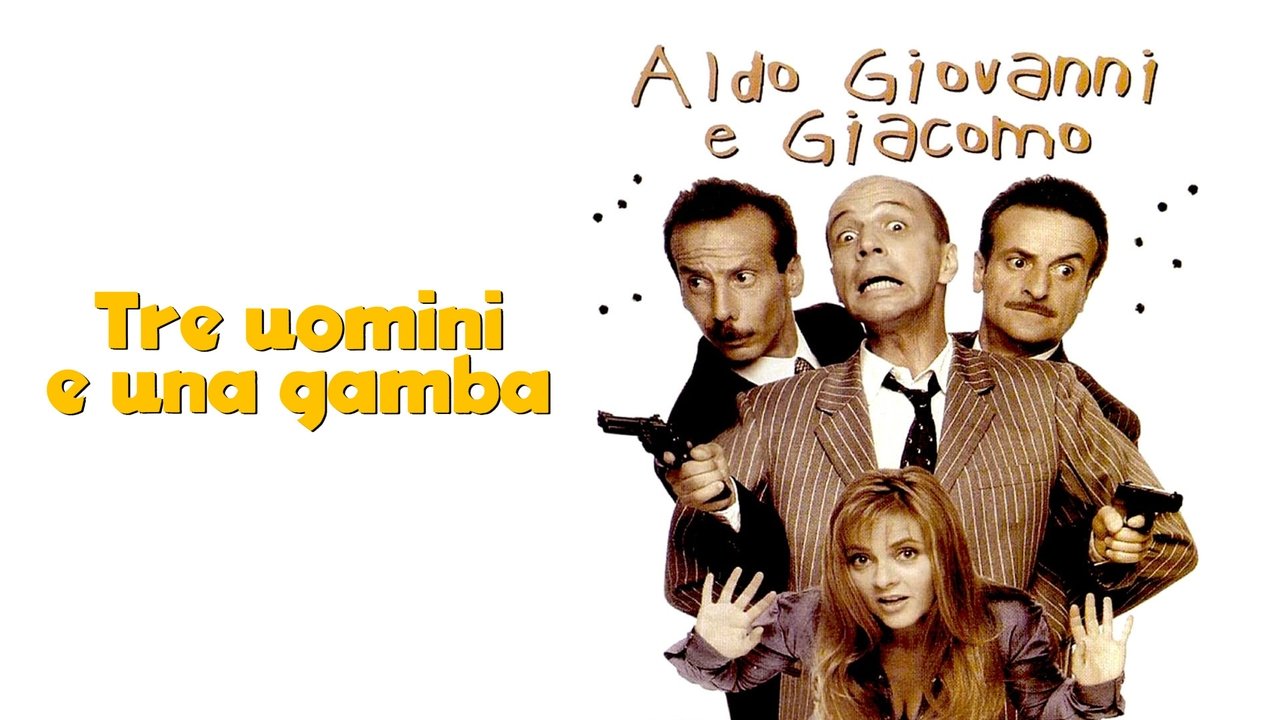
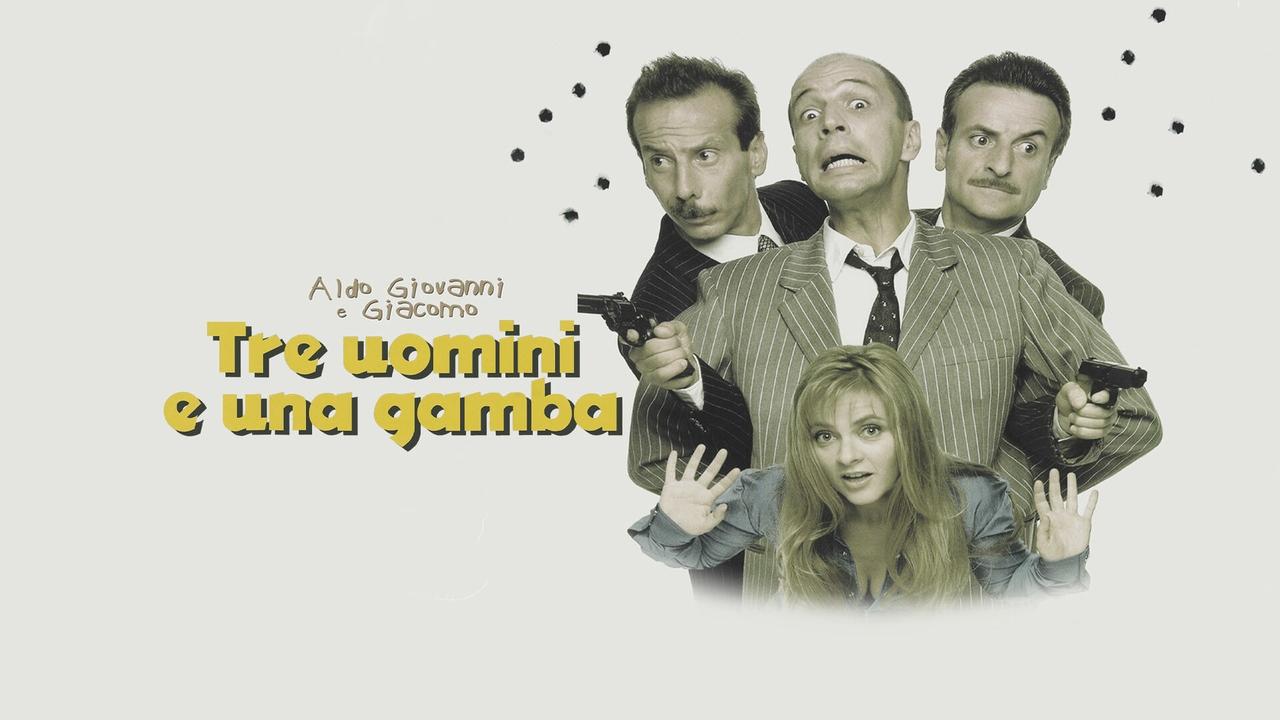
For many outside of Italy, this film might be the first introduction to the comedic force that is Aldo Baglio, Giovanni Storti, and Giacomo Poretti. These guys weren't just actors; they were (and are) a beloved comedy troupe, honed sharp through years of theatre and television (like the massively popular Mai dire Gol show). Three Men and a Leg wasn't merely their first feature film; it was a cultural moment in Italy, exploding at the box office and cementing their status as national treasures. Working with their frequent collaborator, co-director and co-writer Massimo Venier, they translated their stage chemistry brilliantly to the big screen.
### The Setup: A Simple Trip Gone Wrong
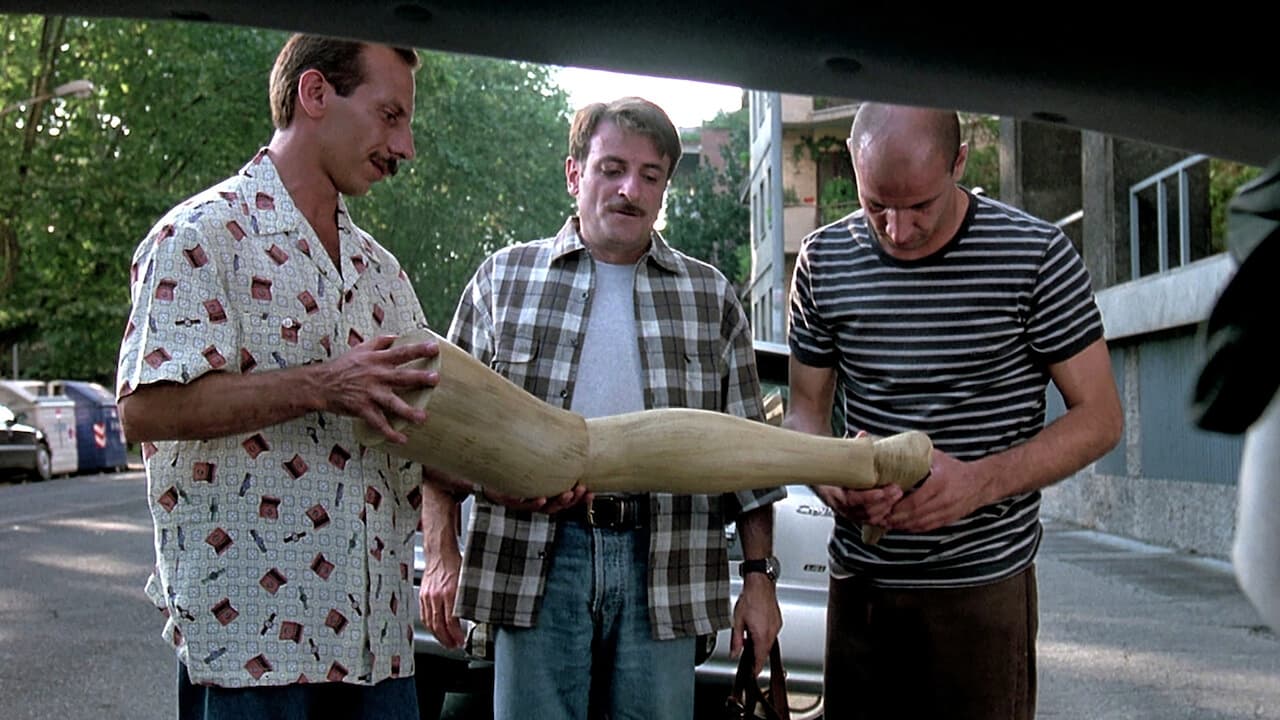
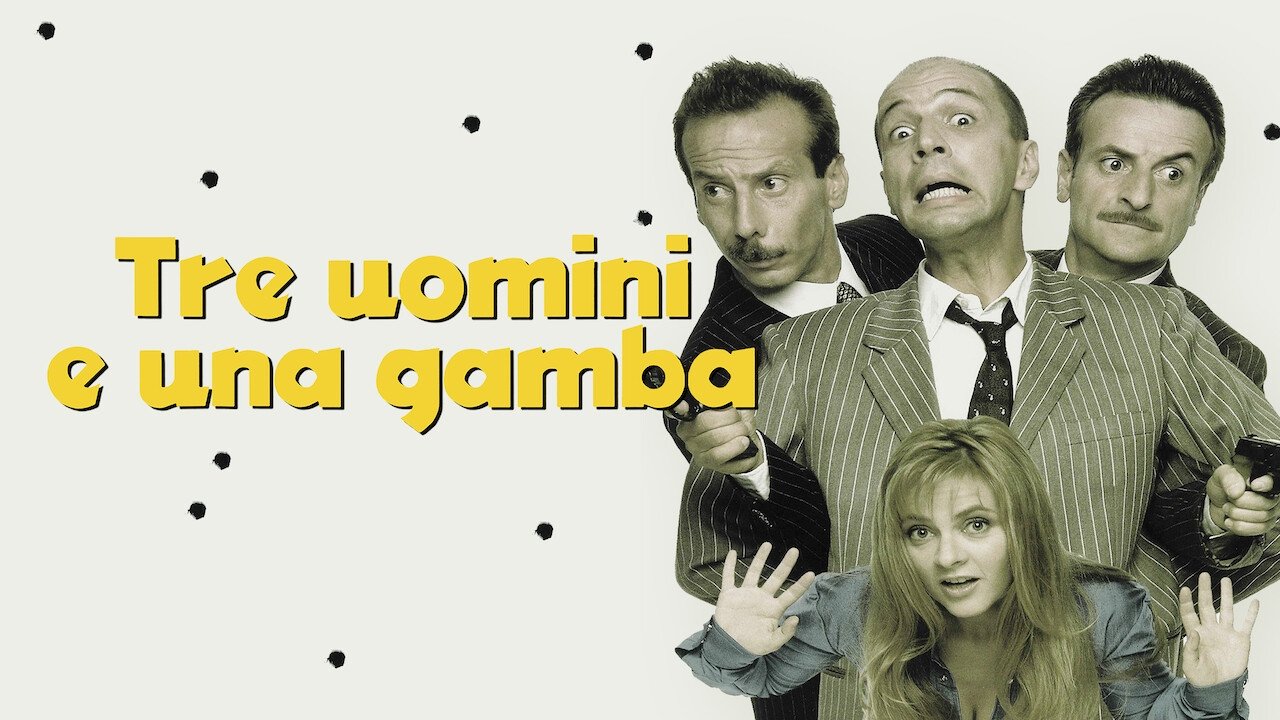
The premise is beautifully simple, the kind that road trip comedies thrive on. Aldo, Giovanni, and Giacomo are not just friends but also colleagues working for a snobby, overbearing hardware store owner (imagine a high-strung Basil Fawlty type, but Italian). Two of them, Giacomo and Giovanni, are also engaged to the boss's daughters. The film kicks off with the trio tasked with driving from Milan down to Gallipoli in Puglia for Giacomo's wedding. Their cargo? Besides their luggage and simmering anxieties, they're transporting a ludicrously expensive, abstract sculpture of a wooden leg – a wedding gift for the demanding father-in-law.
What follows is, naturally, a cascade of mishaps, delays, and detours that put the wedding, their jobs, and their sanity hilariously at risk. It’s a classic setup, but the magic isn't just in the situations; it’s in the performers.
### The Heart of the Comedy: That Irresistible Chemistry
You don't need to understand every nuance of Italian culture to appreciate the dynamic between these three. Aldo Baglio is the impulsive, often childlike one, prone to flights of fancy and causing chaos (his recurring 'Ajeje Brazorf' persona is a running gag pulled from their earlier work). Giovanni Storti plays the cynical, pragmatic worrywart, constantly exasperated by the others but secretly fond of them. And Giacomo Poretti is the slightly more naive, put-upon groom-to-be, torn between his impending marriage and the growing realization that maybe this isn't the life he wants, especially after a chance encounter with the charming Chiara (Marina Massironi, another brilliant collaborator from their troupe).
Their timing is impeccable, honed over years of performing together. The dialogue crackles with witty banter and relatable frustrations. There's a warmth and genuine affection beneath the bickering that makes you root for them, even when they’re being utterly ridiculous. It's less about complex plotting and more about watching these distinct personalities bounce off each other in increasingly absurd scenarios. Remember those comedies where the characters felt like real, flawed people you could imagine knowing? That’s the vibe here.
### Memorable Moments and That 90s Feel
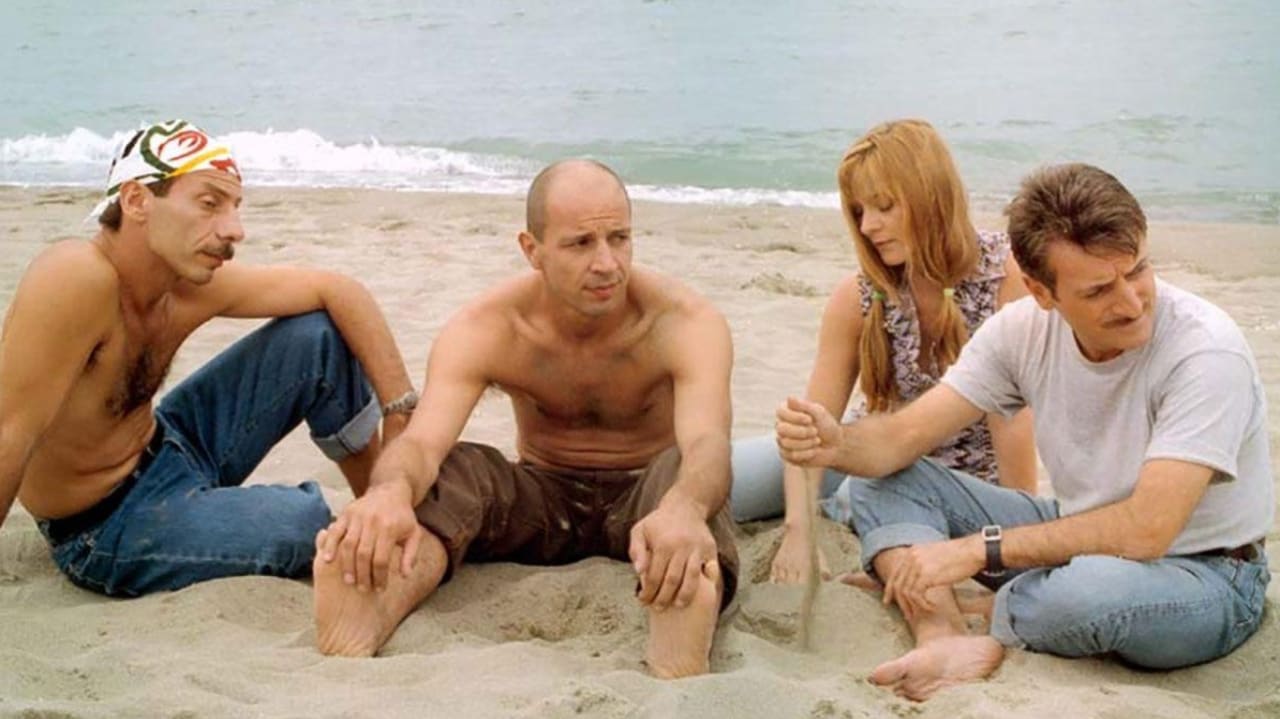
The film is packed with memorable set pieces that became iconic in Italy. The roadside stop where they get embroiled in an overly dramatic reenactment of Casablanca? Pure gold. The disastrous attempt to retrieve car keys locked inside the vehicle? Relatable pain turned funny. And perhaps most famously, the beach scene where Aldo, channeling Bela Lugosi with sublime absurdity, attempts to impress some sunbathers with his "Count Dracula" routine. It’s silly, yes, but performed with such commitment that it’s impossible not to laugh.
Shot largely on location across the picturesque Italian landscape, the film has that tangible, slightly sun-bleached look common in late 90s European cinema. There's no slick digital gloss here. It feels grounded, real. The humour is situational, character-driven, relying on clever writing and the performers' physical comedy rather than elaborate effects. It cost relatively little to make (reports vary, but it was modest) and went on to gross a staggering amount (over 40 billion Italian Lire!), proving you didn't need Hollywood budgets to capture audience hearts. This film was a phenomenon born from talent and relatability, not spectacle.
### Not Just Laughs, A Little Heart Too
Beneath the gags, Three Men and a Leg gently touches on themes of friendship, obligation versus desire, and questioning life's path. Giacomo's growing doubts about his marriage, spurred by his connection with Chiara, add a touch of sweetness and depth without ever bogging down the comedy. It's about that crossroads moment many face – sticking with the safe plan or daring to chase something uncertain but potentially more fulfilling.
It’s the kind of film that might have been a delightful discovery in the 'Foreign Films' section of a particularly well-stocked video store back in the day. Finding it felt like uncovering a secret handshake, a window into a comedy scene thriving outside the Hollywood bubble. It’s warm, genuinely funny, and possesses an infectious energy that holds up remarkably well.
Rating: 8/10
Why? For its effortless charm, the brilliant chemistry of its three leads, consistently funny set pieces, and its status as a perfect entry point into modern Italian comedy. It's a road trip paved with laughs and a surprising amount of heart. While some specific cultural references might fly over non-Italian heads, the universal humour of friendship and frustration shines through.
Final Take: Three Men and a Leg is proof that sometimes the most memorable journeys involve questionable art, unreliable cars, and friends who drive you crazy in the best possible way. A true feel-good import from the VHS era that still delivers genuine laughs.