Ah, 1997. The Spice Girls were spicing up our lives, Titanic was steaming towards box office domination, and somewhere, somehow, a movie featuring martial arts kangaroos hopped onto the big screen – and probably lingered for a while longer on video store shelves. Warriors of Virtue wasn't quite the next Teenage Mutant Ninja Turtles, but boy, did it try. Seeing that VHS box, with its gleaming, armoured marsupials striking dynamic poses, certainly promised something uniquely... 90s.
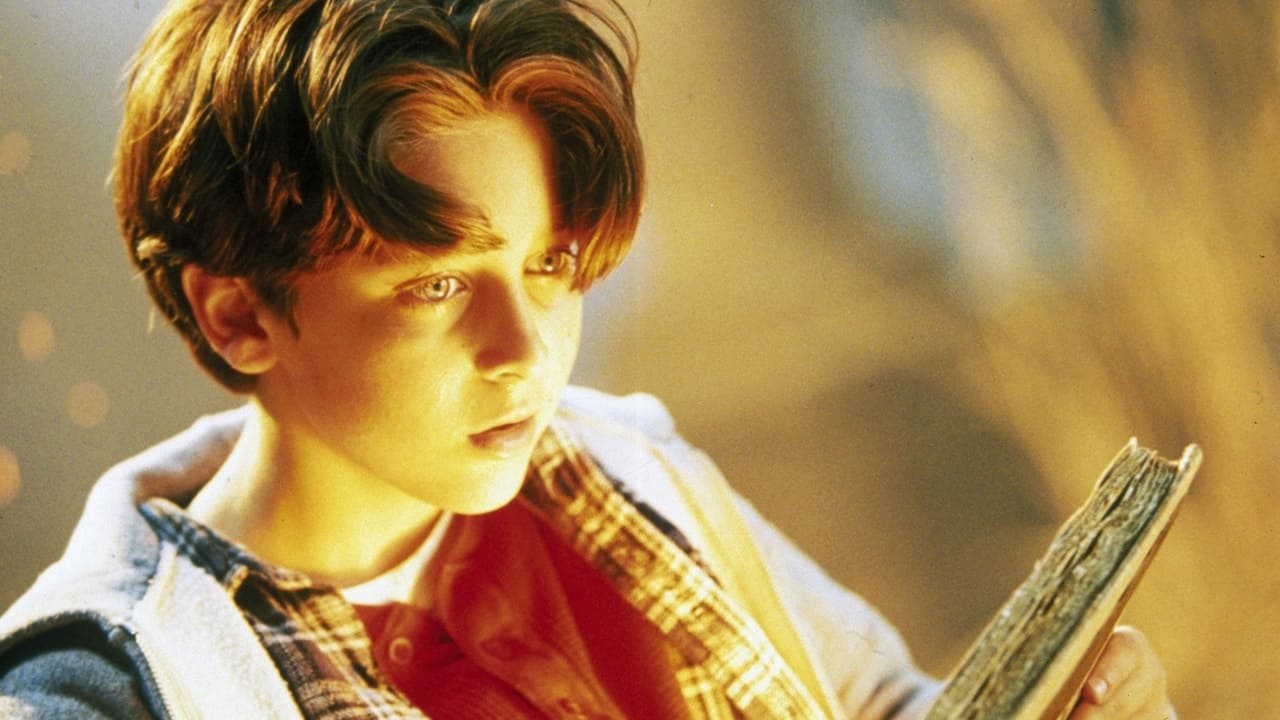
The premise itself feels like it was cooked up in a fever dream fueled by Saturday morning cartoons and fortune cookies. Young Ryan (Mario Yedidia), a kid struggling with a leg disability and bullies, gets whisked away through a mystical whirlpool in his favourite Chinese restaurant (as one does) to the magical land of Tao. This isn't Oz, though. Tao is under threat from the scenery-chewing warlord Komodo (a delightfully over-the-top Angus Macfadyen, fresh off playing Robert the Bruce in Braveheart just two years prior – talk about range!). Our only hope? Five ancient, anthropomorphic kangaroos, masters of martial arts and the elements: Yun (Virtue of Benevolence), Lai (Order), Tsun (Loyalty), Yee (Righteousness), and Chi (Wisdom). Yeah, kangaroos. Let that sink in.
Creature Comforts, Creature Costs
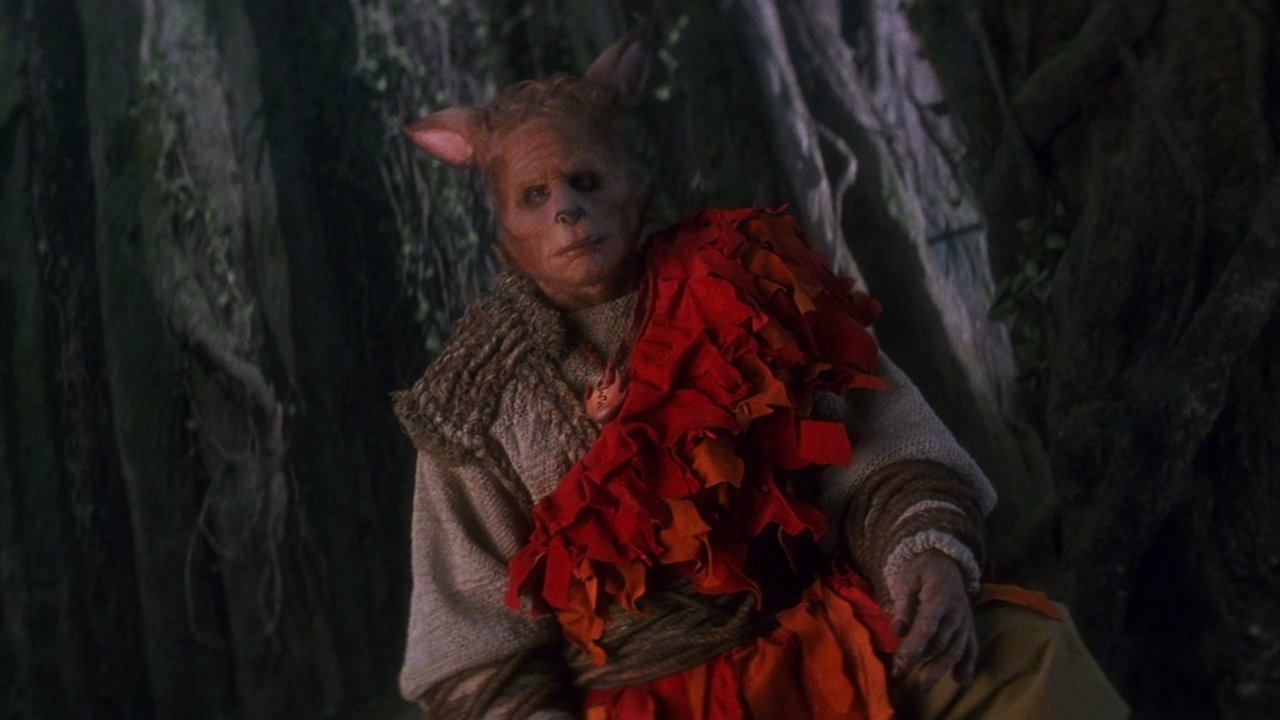
You can't talk about Warriors of Virtue without addressing the elephant – or rather, the kangaroo – in the room. The Warriors themselves are the film's absolute centerpiece. Brought to life via complex animatronic suits, reportedly costing a significant chunk of the film's estimated $36 million budget, they are a fascinating technical achievement, even if the result is occasionally uncanny valley territory. There's a tangible weight and presence to them that CGI often lacks, a real throwback to the practical effects magic of the era, reminiscent of the work done by Jim Henson's Creature Shop (though these suits were crafted by veterans from the Creature Shop, Tony Gardner's Alterian, Inc.). Seeing them execute surprisingly decent kung fu, choreographed by Hark-On Fung, is undeniably the film's main draw and its most enduring image. It’s wild, ambitious, and frankly, completely bonkers. Did we desperately want action figures of these guys back then? Maybe not desperately, but the sheer novelty was hard to ignore.
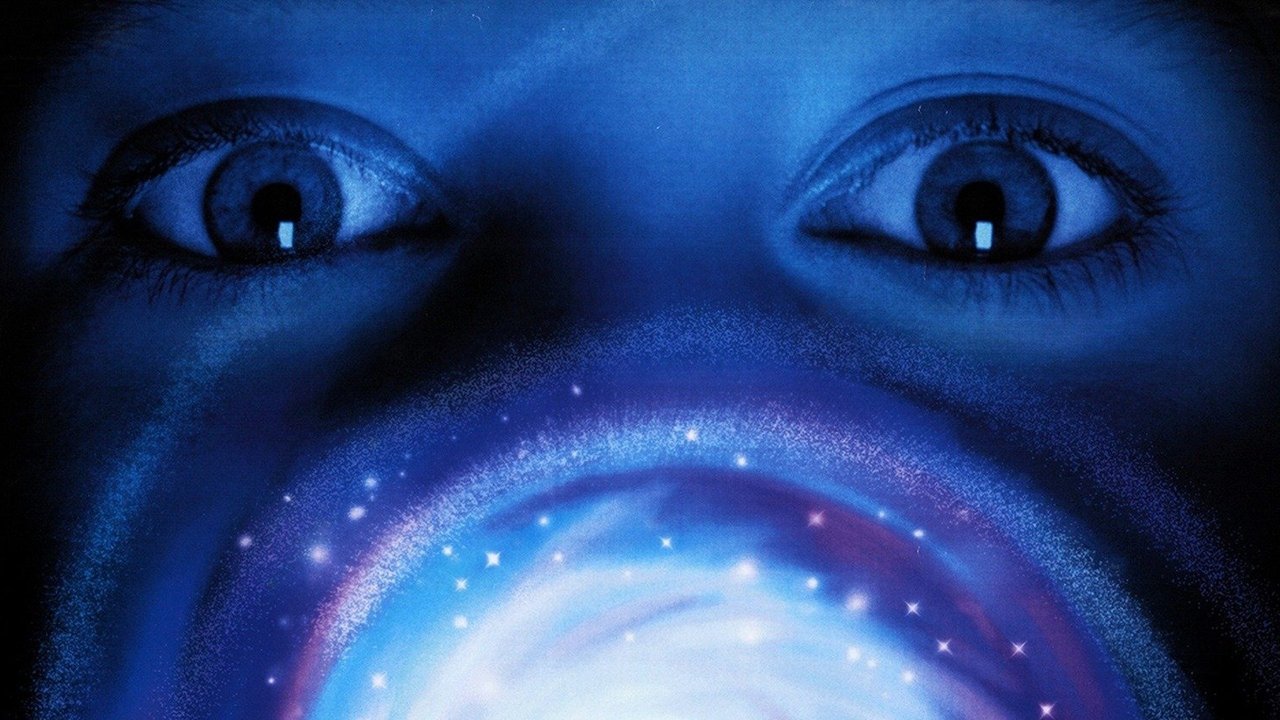
The production itself was an interesting international affair, helmed by Hong Kong director Ronny Yu. This was one of his first major Western directorial efforts before he’d go on to inject visual flair into horror franchises with Bride of Chucky (1998) and the fan-favourite smackdown Freddy vs. Jason (2003). Filmed partly in the stunning Jiuzhaigou Valley in China, the movie certainly looks expensive, with elaborate sets and location work adding a layer of visual richness that belies the often clunky script penned by Michael Vickerman and Hugh Kelley. Yu brings some kinetic energy to the action sequences, moments where his Hong Kong action sensibilities peek through, but they often feel hampered by the limitations of working with performers inside those bulky, complicated suits. Imagine trying to pull off a spinning jump kick while dressed as a six-foot robotic kangaroo – respect to the stunt performers!
A Noble Quest, A Bumpy Ride
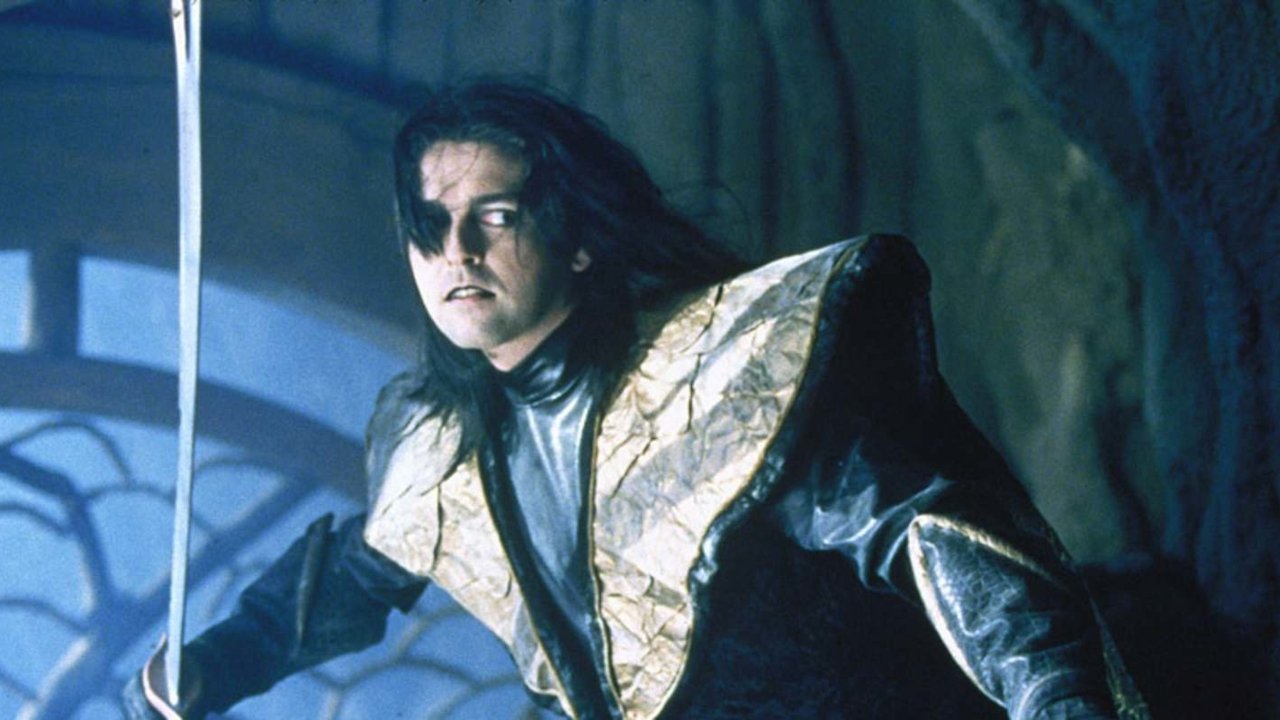
Beyond the kangaroo chaos, the story treads familiar ground. Ryan must find his inner courage, learn the importance of friendship and virtue (it's right there in the title!), and help the Roos save Tao. Marley Shelton, who would later grace films like Pleasantville and Sin City, appears as Elysia, a local who aids Ryan and the Warriors. The performances are earnest, particularly from young Mario Yedidia, but they're often overshadowed by the sheer spectacle of the creature effects and Macfadyen’s deliciously villainous turn. Komodo, with his metallic claws and penchant for dramatic pronouncements, feels ripped straight from a comic book panel, chewing every piece of scenery he can find.
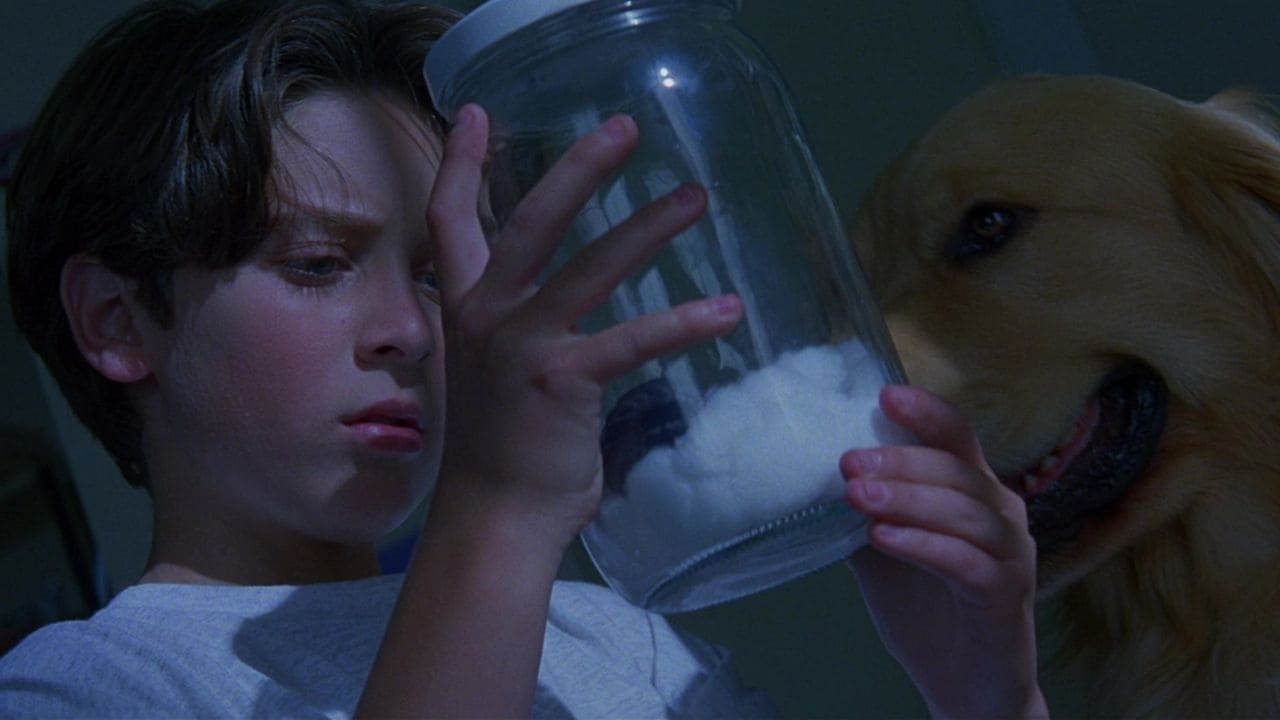
Despite its visual ambition and unique central concept, Warriors of Virtue sadly didn't connect with audiences or critics. It reportedly grossed a mere $6.5 million in the US, making it a significant box office disappointment. The mix of earnest kids' adventure, slightly dark fantasy elements (Komodo could be genuinely menacing at times), and martial arts action felt a bit muddled. Was it for kids? Teens? Adults who really, really liked kangaroos? The film never seemed quite sure. Its current low scores on IMDb and Rotten Tomatoes reflect that initial lukewarm-to-negative reception.
Retro Fun Facts Corner:
- The film was apparently conceived by four Chinese-American brothers, the Law brothers, who wanted to create positive Asian-influenced heroes, drawing inspiration from Chinese astrology and philosophy.
- Despite the film's failure, there was a direct-to-video sequel in 2002, Warriors of Virtue: The Return to Tao, featuring none of the original cast or director, and decidedly lower production values. Proof that sometimes, even a flop can't keep a determined kangaroo down.
- The movie's tagline? "In a world beyond your imagination, an adventure beyond your wildest dreams." It certainly delivered on the 'beyond imagination' part!
The Verdict
Watching Warriors of Virtue today is a trip. It’s a relic of a time when studios were willing to throw substantial money at truly bizarre high concepts. The practical effects are impressive in their ambition, Angus Macfadyen is having a blast, and the sheer audacity of "kung fu kangaroos" has a certain nostalgic charm. However, the storytelling is predictable, the tone uneven, and the overall execution doesn't quite live up to the weird promise of its premise. It’s a fascinating oddity, a conversation starter for any 90s movie night, but maybe not a hidden gem. It tried so hard to be the next big thing, complete with tie-in aspirations, but ultimately tripped over its own large, animatronic feet.
Rating: 4/10
Why a 4? While the plot is weak and the film often feels clumsy, the sheer ambition of the practical effects, the unique (and utterly strange) concept, and Macfadyen's performance earn it a few points. It’s a memorable failure, fascinating for its "what were they thinking?" quality and a testament to the kind of weird risks occasionally taken in 90s filmmaking. It's not good, but it's definitely something.
So, dust off that imaginary VHS copy if you dare. It might not be virtuous cinema, but it’s certainly a warrior in the battle for B-movie absurdity, forever hopping in the stranger corners of our 90s memories.