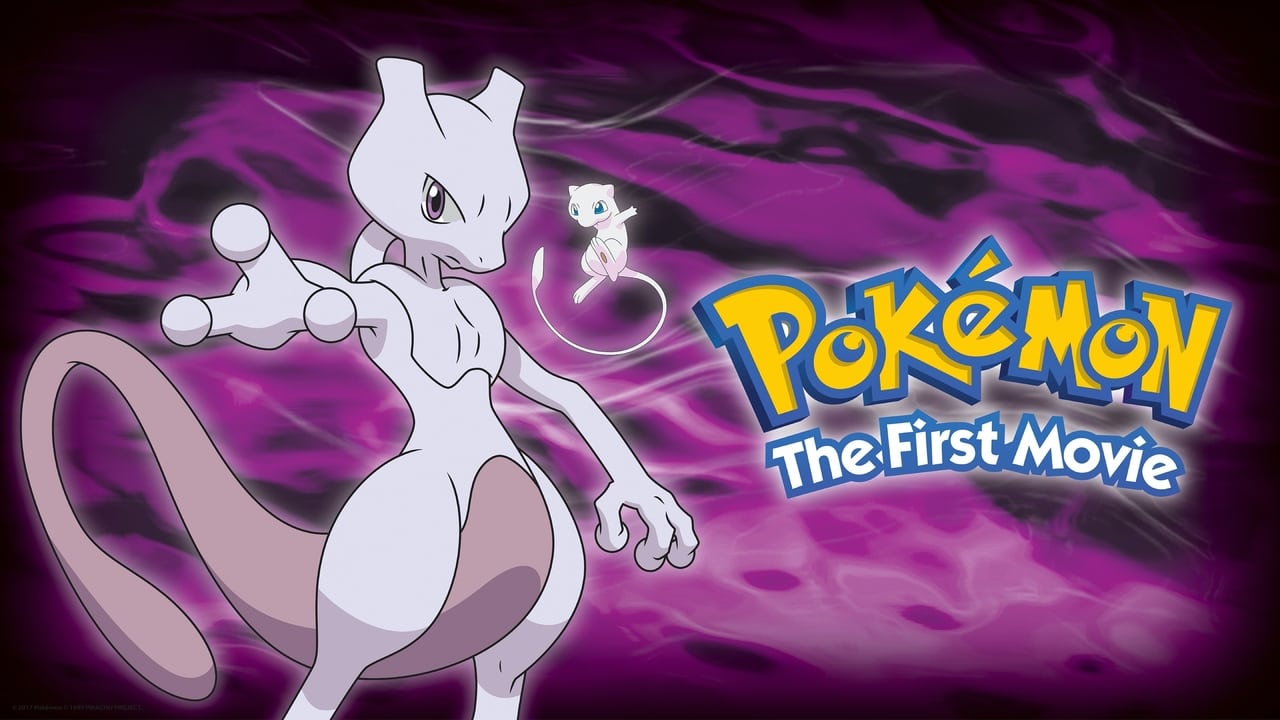
It landed in theaters not just as a movie, but as a cultural tidal wave. For anyone caught up in the absolute whirlwind of late 90s Pokémania, Pokémon: The First Movie (or Pokémon: The First Movie: Mewtwo Strikes Back, if we're being precise) felt like the culmination of countless hours spent glued to the Game Boy, trading cards feverishly, and catching the animated series every chance we got. Stepping into that cinema, or later sliding that chunky VHS tape into the VCR, felt like plugging directly into the zeitgeist. This wasn't just Ash and Pikachu's next adventure; it promised something bigger, darker, and more epic – and in many ways, it delivered.
Storm Clouds Gathering on New Island
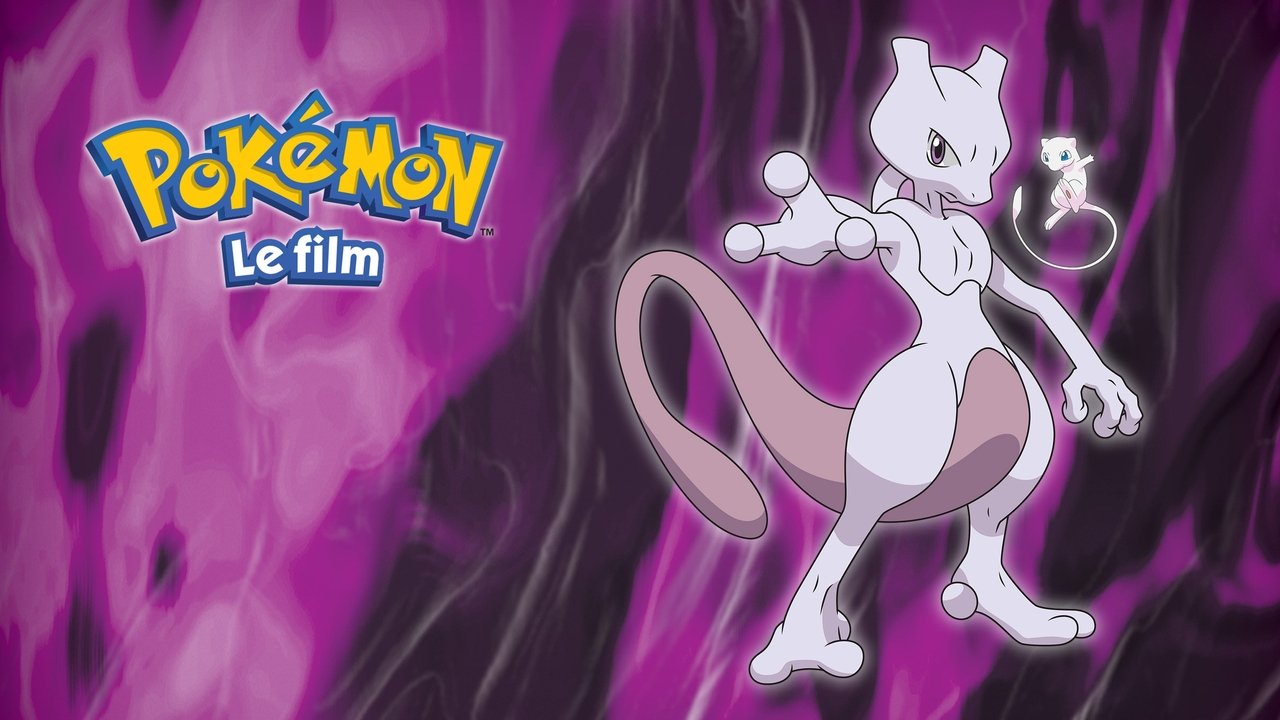
The setup is classic Pokémon adventure fare: Ash Ketchum (Veronica Taylor delivering that iconic English dub voice we all know), Misty (Rachael Lillis), and Brock (Eric Stuart) receive a mysterious invitation from the world's greatest Pokémon trainer to battle on remote New Island. Of course, they brave a suspiciously convenient super-storm to get there, alongside a few other hopeful trainers. What awaits them isn't just a challenge, but Mewtwo (Philip Bartlett providing a chillingly resonant voice in the English version, echoing Masachika Ichimura's powerful original Japanese performance), a genetically engineered Pokémon bristling with psychic power and an existential crisis born from laboratory trauma. His plan? To prove the superiority of cloned Pokémon by wiping out humanity and original Pokémon alike. Suddenly, this wasn't just about being the very best, like no one ever was; it was about the ethics of creation, identity, and the very nature of conflict.
More Than Just Monsters Battling
Let's be honest, for a generation raised on the relatively sunny adventures of the TV show, Mewtwo Strikes Back hit differently. There's a surprising melancholy woven into its fabric, particularly surrounding Mewtwo's tragic origin story (depicted more fully in the prologue added to some home video releases). It grappled with themes heavier than your average Snorlax. This darker edge can be traced back to writer Takeshi Shudo (working from concepts by Pokémon creator Satoshi Tajiri), who reportedly envisioned an even more complex and somber tale originally. While some of that nuance might have been sanded down for the international release, particularly in the English dub which shifted some of Mewtwo’s philosophical musings, the core questions about purpose and belonging remained potent. Director Kunihiko Yuyama, a veteran of the TV series, ably transitioned the familiar art style to the big screen, giving the battles a sense of scale and impact that felt genuinely cinematic at the time, even if the animation itself doesn't quite boast the fluidity of later anime features.
Retro Fun Facts: Capturing Lightning (and Box Office Gold)
This movie wasn't just popular; it was a phenomenon. Released in Japan in 1998 and hitting the US in 1999, Pokémon: The First Movie absolutely dominated the box office, raking in a staggering $163.6 million worldwide against a production budget often cited around $30 million (though exact figures vary). It became the highest-grossing anime film in the US at the time, a title it held for several years. Remember those limited edition Ancient Mew trading cards given out at screenings? Pure marketing genius that fueled the frenzy even further! Critical reception back then was decidedly mixed – Rotten Tomatoes shows a paltry 15% critic score – but audiences didn't care. We were living Pokémon, and this movie felt like validation. It’s also worth remembering the delightful, if slightly chaotic, short film that preceded it, "Pikachu's Vacation," offering a lighter dose of Pokémon antics before the main feature's drama unfolded, showcasing the squeaks and personality of Ikue Ōtani's legendary Pikachu performance.
Tears Among the Clones
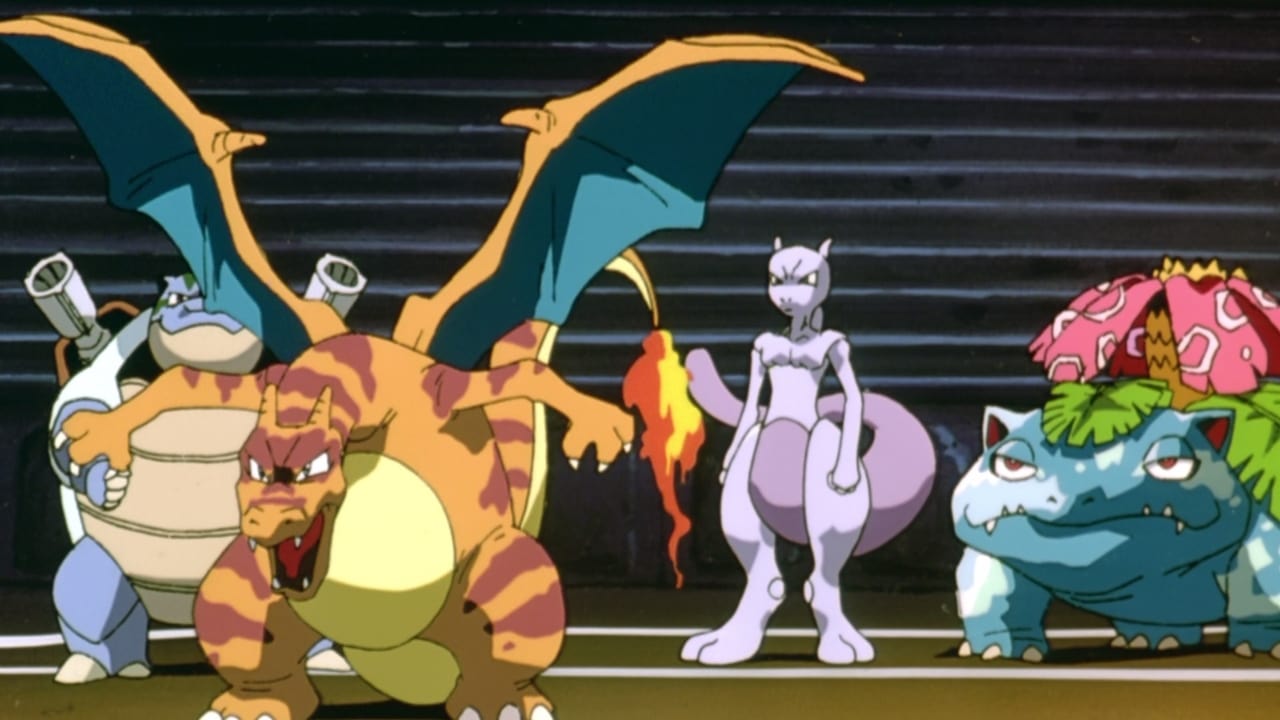
You can't talk about Pokémon: The First Movie without addressing that scene. As Mewtwo forces the original Pokémon and their newly created clones into a brutal, pointless battle, Ash, horrified by the violence, throws himself between Mewtwo and Mew's psychic blasts. He's turned to stone, a silent monument to the futility of their fighting. What follows is genuinely affecting: Pikachu desperately tries to shock Ash back to life, his electric attacks useless, before breaking down in tears. Then, witnessing this raw display of grief and love, all the Pokémon – original and clone alike – begin to cry, their collective tears magically reviving Ash. Yes, it's a bit of a narrative shortcut, and the anti-fighting message maybe gets contradicted by the entire premise of Pokémon training itself, but darn it if that moment didn't pull at the heartstrings of millions. Seeing Pikachu cry? It felt important.
The Verdict: Nostalgia Strikes Back
Does Pokémon: The First Movie hold up perfectly? Perhaps not. The pacing can feel a bit rushed, the resolution is undeniably convenient, and the English dub's alterations to the script (including a different musical score) remain a point of debate among purists. Yet, its power as a time capsule of late 90s pop culture is undeniable. It dared to inject surprisingly mature themes into a franchise aimed at kids, creating a villain with genuine pathos. It delivered iconic moments that are burned into the memories of a generation, and it launched a movie franchise that continues, in various forms, to this day. Watching it again now, perhaps on a worn-out VHS tape if you're lucky enough to still have one, evokes an immediate rush of nostalgia – for the phenomenon, for the simpler times, and for that moment when Pokémon felt like the biggest thing in the world.
Rating: 7/10
The score reflects its massive cultural impact, its surprisingly ambitious themes for its target audience, and the sheer nostalgic power it holds, while acknowledging some narrative and localization flaws. It's a flawed gem, but a gem nonetheless.
For so many of us, this wasn't just a movie; it was our movie, a defining piece of childhood captured on celluloid (and magnetic tape). And sometimes, that's more than enough.