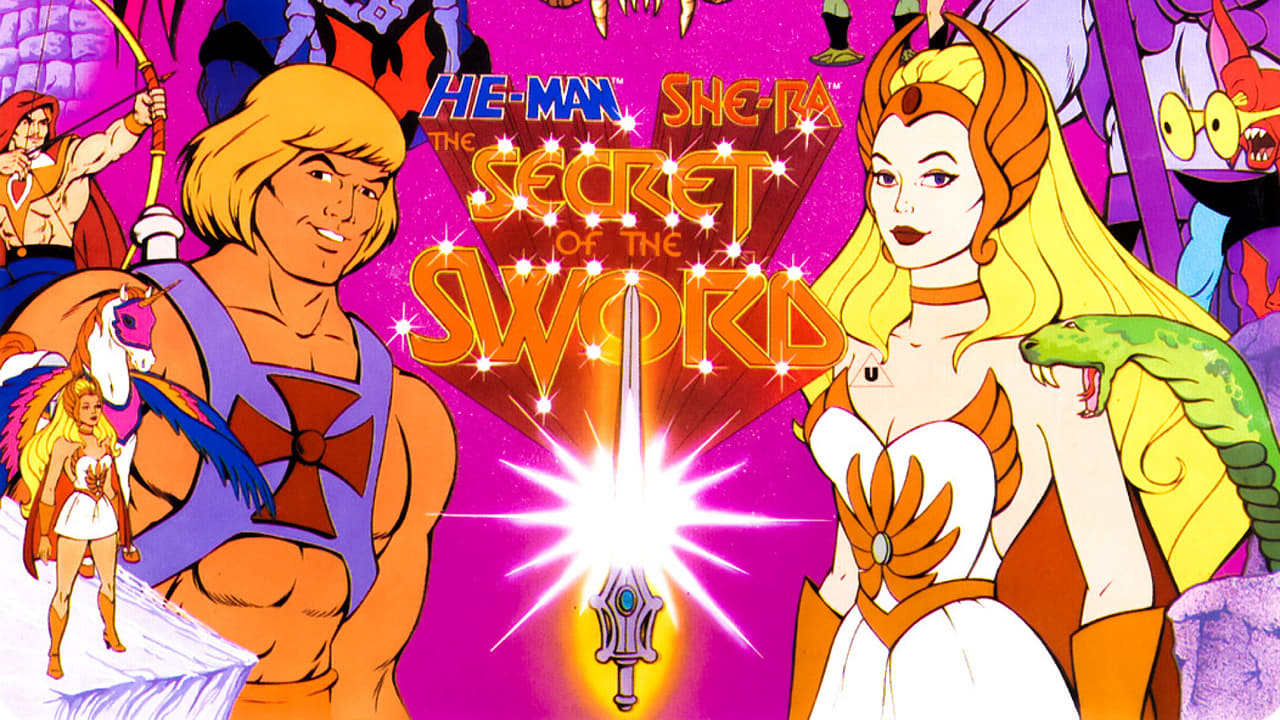
He-Man and She-Ra: The Secret of the Sword
Step back, fellow travelers of the tape-tracked path, and let’s rewind to a time when the fate of not one, but two magical planets hung in the balance, brought to us flickering on our trusty CRT screens. I’m talking about 1985's epic crossover event, He-Man and She-Ra: The Secret of the Sword. For many of us, catching this on a rented VHS (or maybe even glimpsing it during its brief theatrical run) felt like witnessing history. It wasn't just another adventure on Eternia; it was the seismic introduction of a whole new hero, expanding the Masters of the Universe saga in a way that felt truly monumental.
### By the Honor of Grayskull, There's Another!
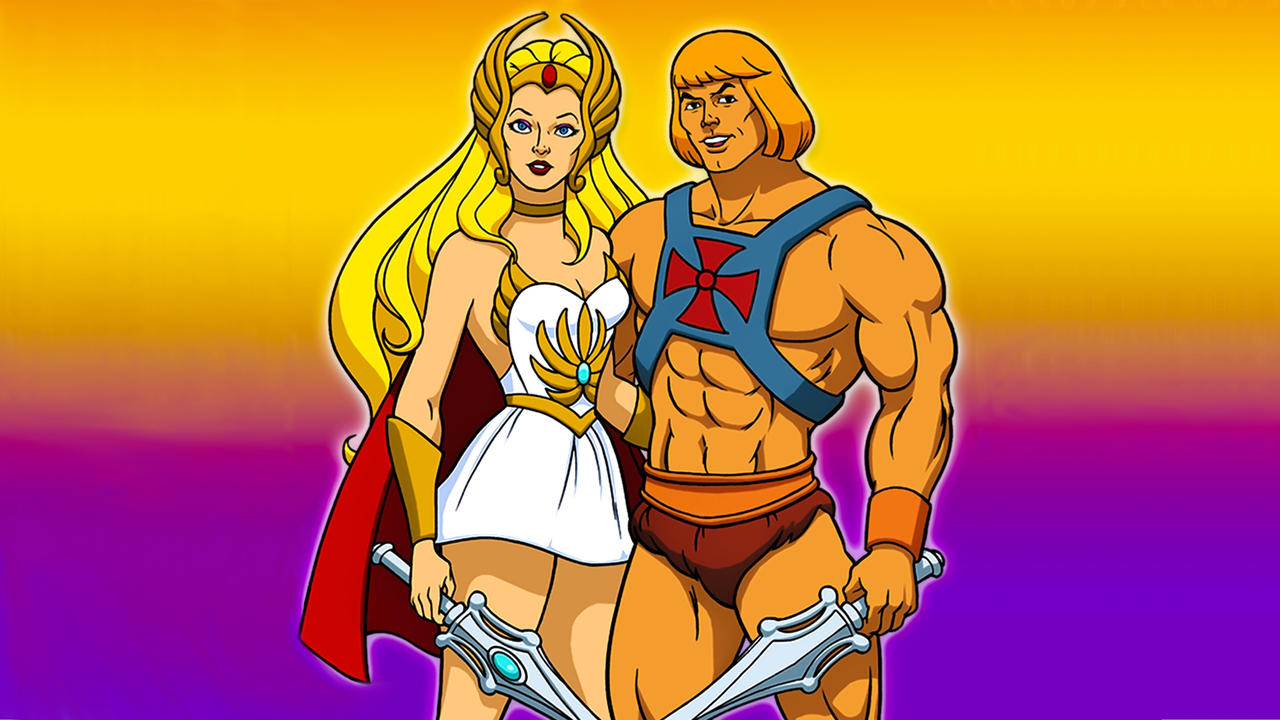
The film kicks off with the Sorceress of Castle Grayskull sending Prince Adam (and Cringer, naturally) on a mission through a shimmering portal. His task? To find the owner of the mysterious Sword of Protection, destined for someone who shares his lineage and power. This journey leads him to the oppressed world of Etheria, ruled with an iron fist by the tyrannical Hordak and his Evil Horde. It's here we meet Force Captain Adora, a formidable, high-ranking officer within the Horde... who also happens to be Adam’s long-lost twin sister, stolen as an infant by Hordak and raised under his dark influence. The core of the film revolves around Adam (as He-Man, voiced with familiar booming confidence by John Erwin) convincing Adora of her true heritage and helping her embrace her destiny as She-Ra, Princess of Power (brought to life by the instantly iconic voice of Melendy Britt).
The reveal itself is pure Saturday morning cartoon gold. Seeing He-Man, the ultimate powerhouse, suddenly having a twin sister who could match him blow for blow (once she switched sides, of course) was mind-blowing. Melendy Britt’s performance as Adora/She-Ra immediately established the character – strong, compassionate, and commanding. She wasn’t just a female version of He-Man; she was her own distinct hero, leading the Great Rebellion against Hordak. And let's not forget the ever-versatile Alan Oppenheimer, voicing not only Skeletor (who makes a memorable appearance) and Man-At-Arms, but also Cringer/Battle Cat and several Etherian characters. His vocal range truly was the bedrock of Eternia… and Etheria, too!
### Animation Straight from the Castle Grayskull Assembly Line
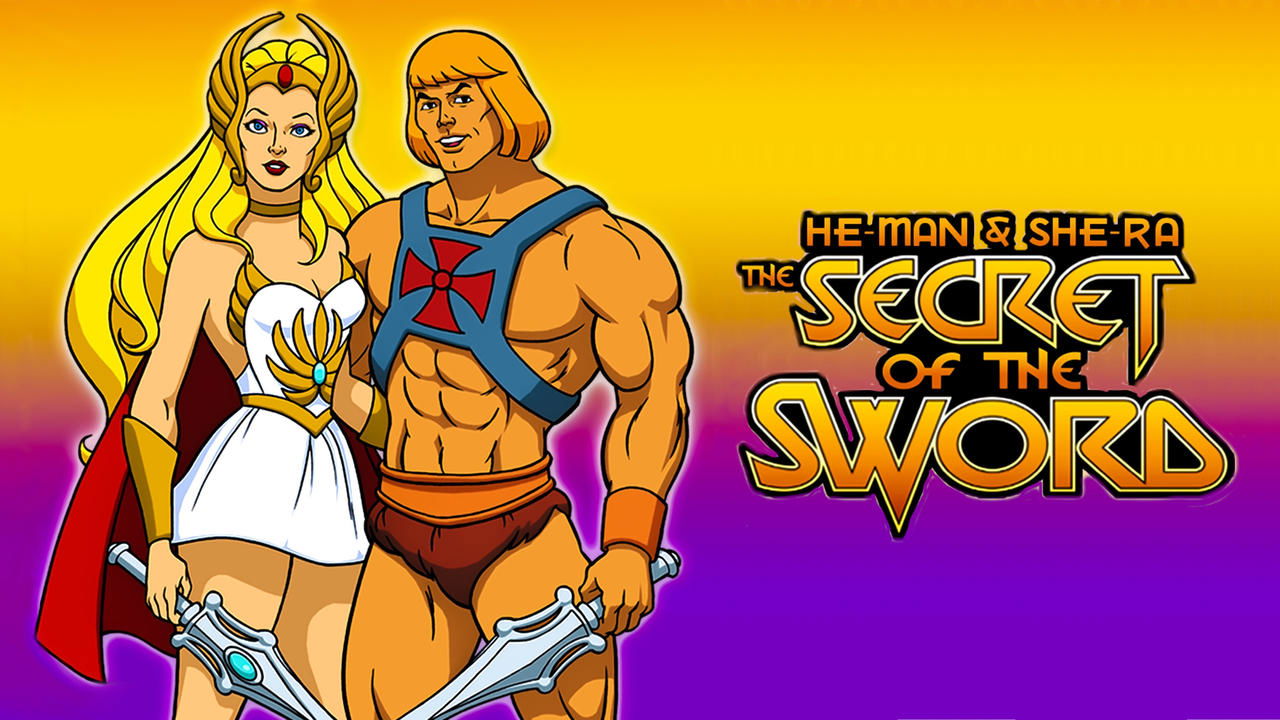
Now, let's talk animation. Produced by Filmation, The Secret of the Sword carries that unmistakable look and feel. Yes, there’s the familiar, budget-conscious recycling of animation cycles – He-Man’s transformation sequence, characters running against looped backgrounds, the occasional stiff pose held just a tad too long. Directed by a team including Ed Friedman, Lou Kachivas, and others integral to the TV shows, the film feels less like a standalone cinematic spectacle and more like an extended, high-stakes television event. And that's because, well, it essentially was.
Retro Fun Fact Alert! The Secret of the Sword was cleverly constructed by stitching together the first five episodes of the She-Ra: Princess of Power television series, which premiered shortly after the film's release. Filmation used this strategy to launch the new character and series with a bang, getting She-Ra onto the big screen (distributed by Atlantic Releasing Corporation) and into the public consciousness before her weekly adventures began. While its theatrical box office was modest, reportedly around $7.7 million, its true impact came from repeated airings and its omnipresence in video rental stores, cementing She-Ra's place alongside her brother in the 80s cartoon pantheon. The script, penned by seasoned animation writers like Lawrence G. DiTillio and Bob Forward, efficiently sets up the entire premise for the She-Ra series – the Horde's grip on Etheria, the key members of the Rebellion (Glimmer, Bow, Kowl), and She-Ra’s unique powers linked to her Sword of Protection and her trusty steed, Spirit/Swift Wind.
### More Than Just a Toy Commercial
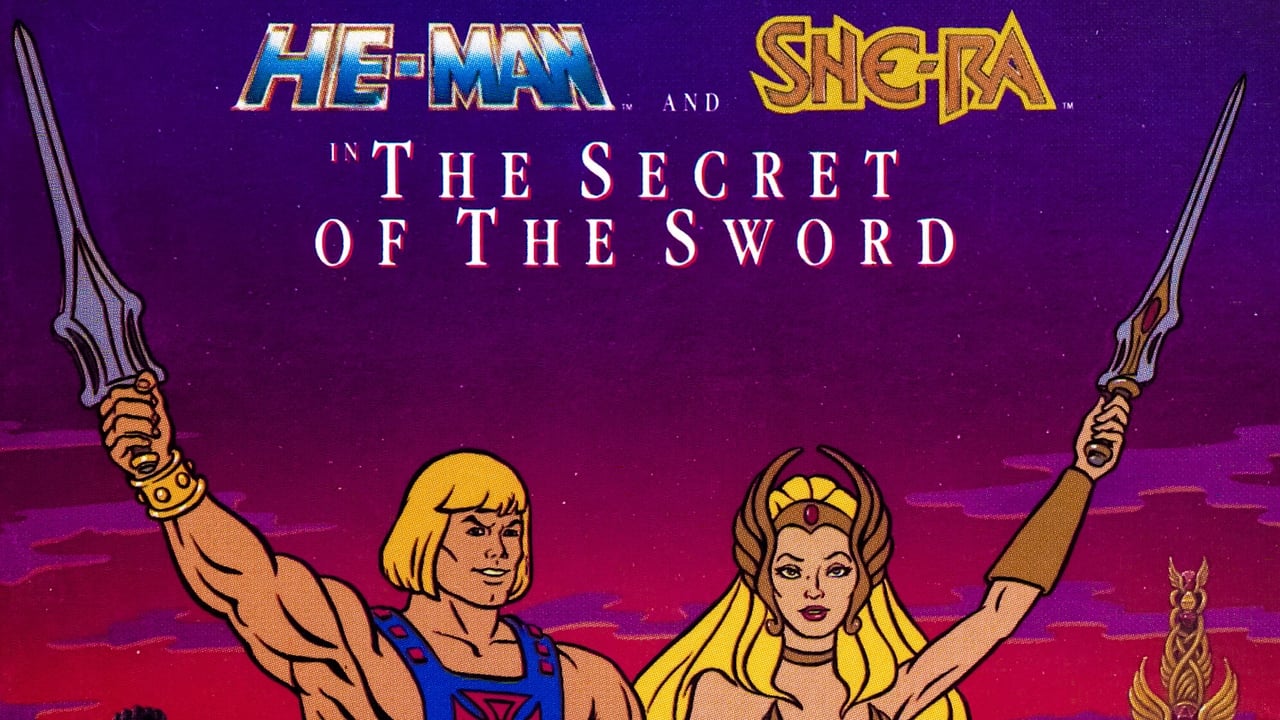
While undeniably linked to Mattel’s massively successful toy lines, The Secret of the Sword tapped into something more profound for young viewers. It wasn't just about selling action figures (though it certainly did that); it was about expanding a beloved universe and introducing a powerful female role model. She-Ra wasn't a damsel in distress; she was a leader, a warrior, and the driving force behind her own story. The film delivered classic Masters of the Universe themes – courage, hope, family, and the fight against oppression – but gave them a fresh perspective through Adora's journey of self-discovery. Remember the thrill of hearing that transformation cry for the first time? "For the Honor of Grayskull!" It instantly felt as iconic as He-Man’s own legendary call.
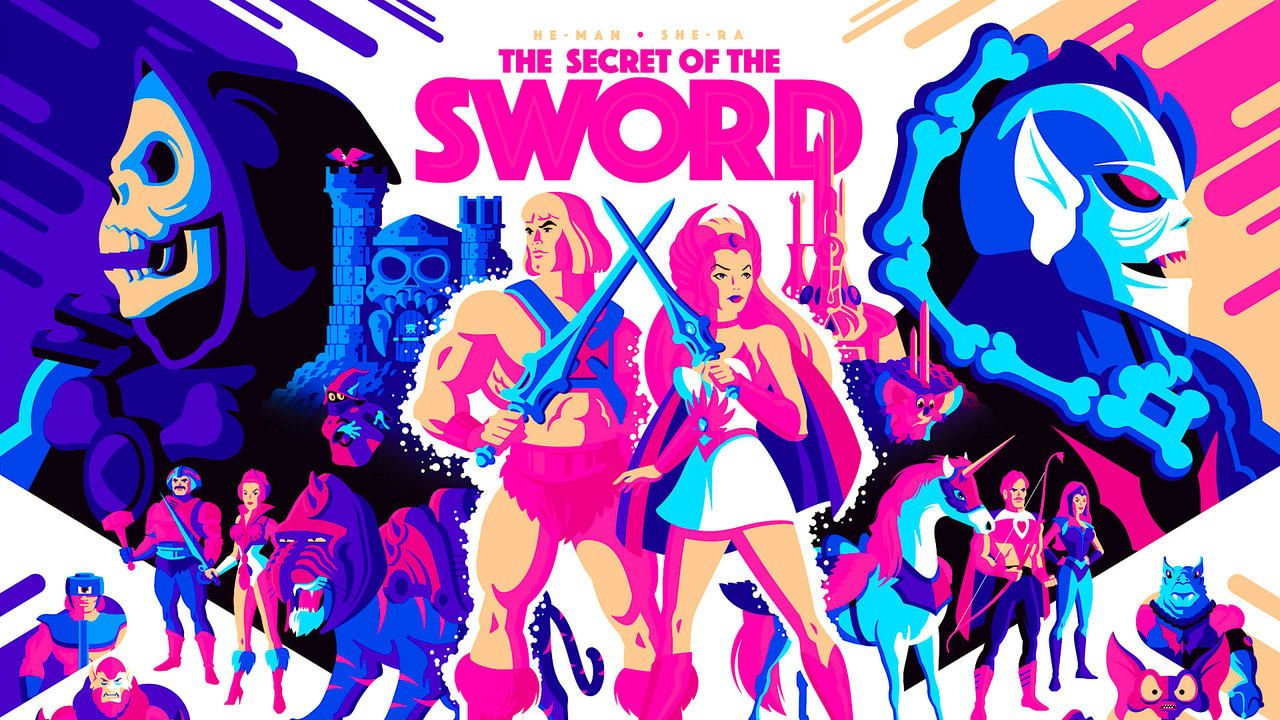
The adventure itself, moving from Eternia’s familiar landscapes to the darker, Hordak-controlled Etheria, felt genuinely epic. Seeing He-Man and She-Ra fight side-by-side against the combined might of Skeletor and Hordak was the kind of crossover dream fuel that powered playground fantasies for years. Even with the limitations of the animation, the scale felt grander, the stakes higher. It successfully laid the groundwork for the entire She-Ra: Princess of Power series (which ran for an impressive 93 episodes), proving that this universe was big enough for two legendary heroes.
### The Verdict: Still Powerful After All These Years
Watching He-Man and She-Ra: The Secret of the Sword today is like unearthing a treasured artifact from the depths of your childhood toybox. Yes, the animation is undeniably dated, heavily reliant on Filmation’s signature cost-saving techniques. The plot is straightforward, designed to efficiently introduce a new hero and world. But beneath the reused cels and simple morality plays lies a core of genuine adventure and heartfelt storytelling that still resonates. It expanded a beloved universe, gave us an enduring female icon, and delivered the kind of earnest, colorful spectacle that defined 80s animation. For fans of the era, it’s a crucial piece of Masters of the Universe lore and a delightful dose of pure nostalgia.
Rating: 7/10
This score reflects its undeniable nostalgic charm, its importance in introducing She-Ra, and its status as a key piece of the Masters of the Universe saga. While the animation and straightforward narrative keep it from reaching cinematic perfection, its impact and the sheer joy of seeing these two icons unite make it a must-watch for any fan of 80s animation. It wasn't just a movie; it felt like opening a portal to a whole new world of adventure, right there on your living room floor.