Right then, pull up a comfy chair and let’s rewind the tape to a time when discovering a quirky fantasy adaptation often meant stumbling upon it during a channel surf or grabbing an intriguing-looking cassette off the rental store shelf. Forget the bombast of summer blockbusters for a moment; sometimes, the real magic happened quietly, right there on our living room CRTs. Case in point: the 1998 television adaptation of Alice Through the Looking Glass. It might not be the first version that leaps to mind, perhaps overshadowed by Disney’s Technicolor dream or Tim Burton's later, grander visions, but this Channel 4 production, directed by John Henderson, holds a peculiar charm all its own, feeling like a half-remembered dream unearthed from the back of the video cabinet.
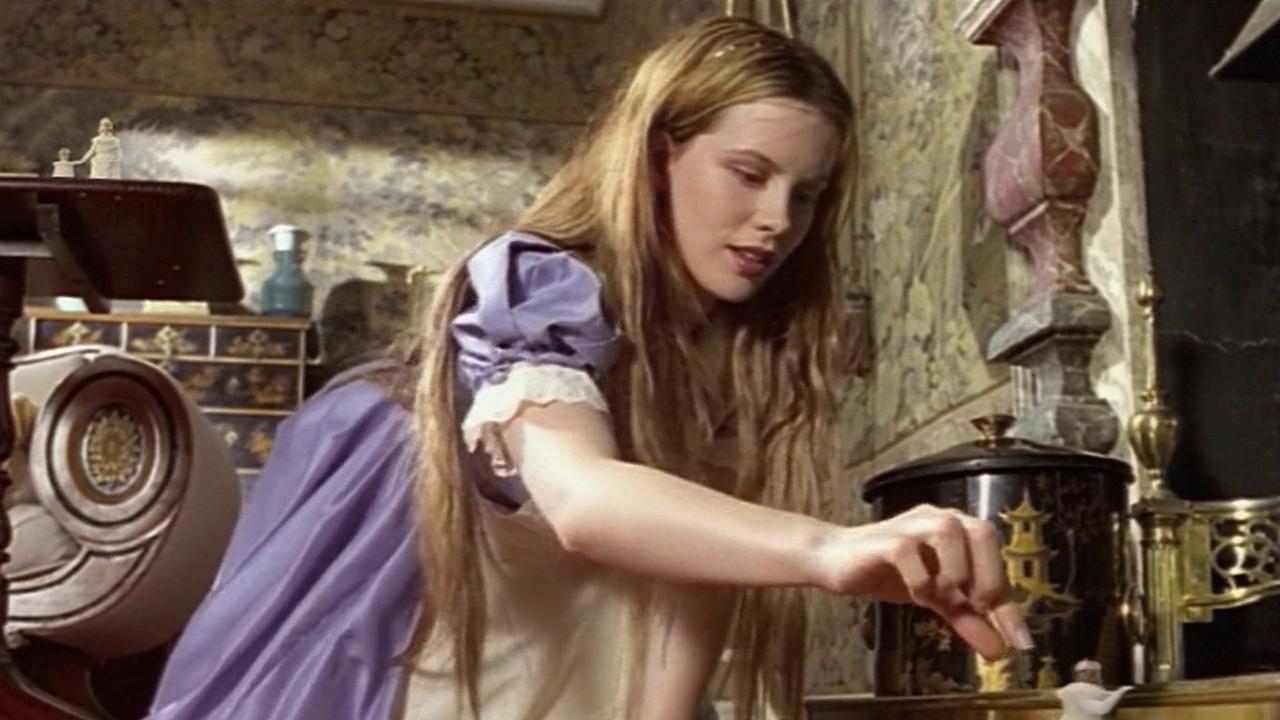
Beyond the Mouse: A More Curious Alice
What immediately sets this version apart is its ambition, especially given its television roots. Working from a script by the respected and often unconventional playwright Peter Barnes (known for works like The Ruling Class), this adaptation feels intriguingly closer in spirit to Lewis Carroll's original text than many others. It embraces the unsettling logic, the melancholic undertones, and the sheer, delightful absurdity of Alice's journey through the chessboard world behind the mirror. This isn't just a whimsical romp; there's a slightly darker, more thoughtful current running beneath the surface, mirroring the often-overlooked complexities of Carroll’s writing. It feels less like a simplified children's tale and more like a genuine attempt to wrestle with the dreamlike, sometimes nonsensical, nature of the source material.
A Pre-Stardom Beckinsale and a Cavalcade of Class
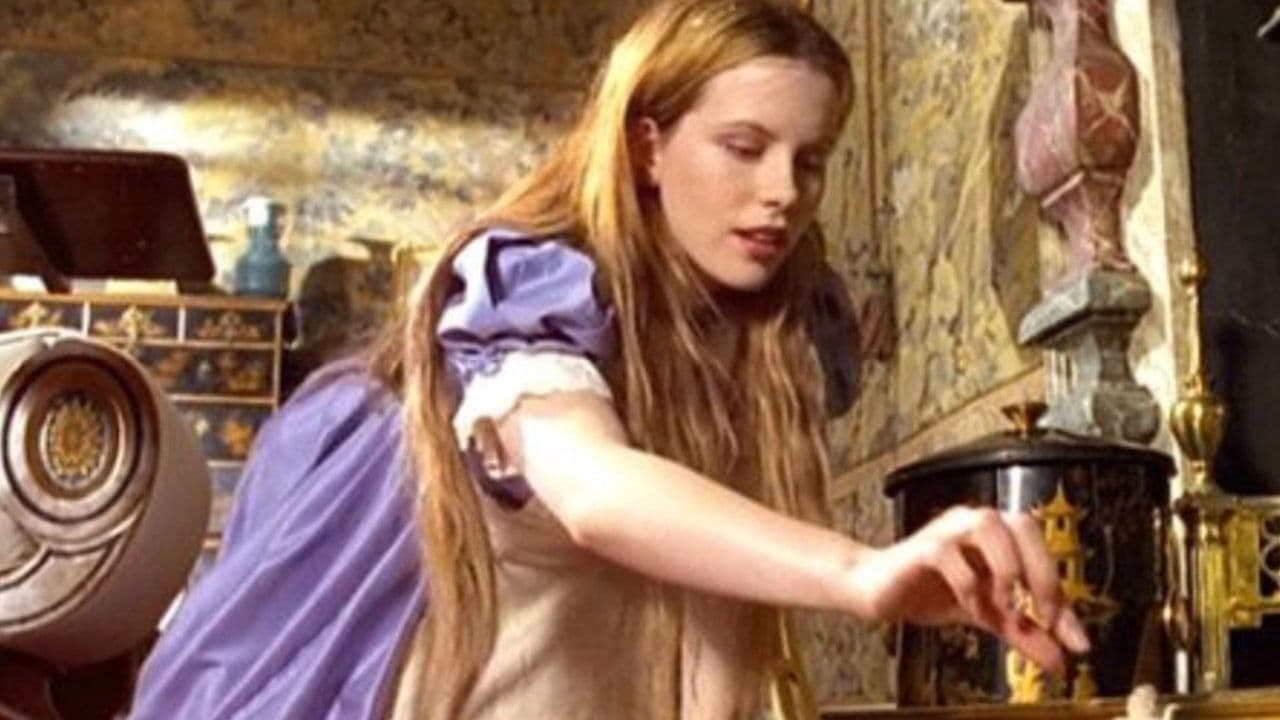
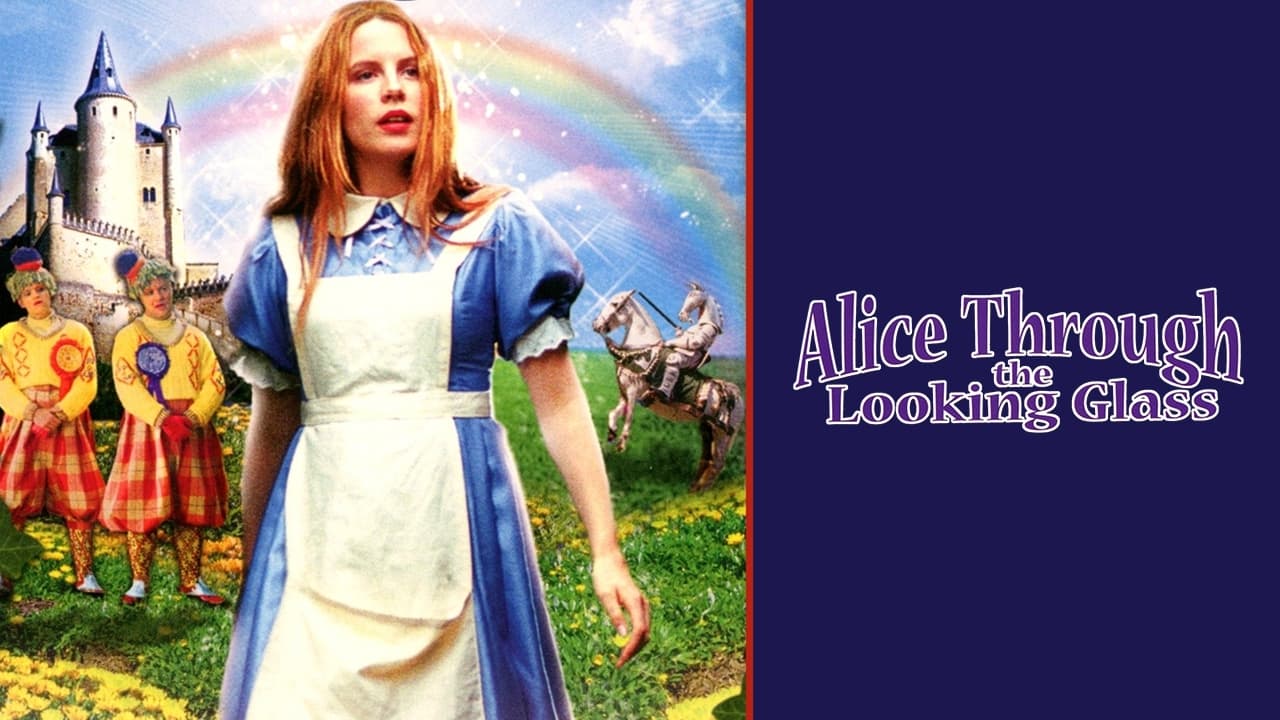
Anchoring this surreal journey is a young Kate Beckinsale as Alice, several years before Pearl Harbor (2001) or donning the leather catsuit for Underworld (2003). Her Alice is thoughtful, observant, perhaps a touch more mature than some interpretations, navigating the bizarre encounters with a quiet determination. It's fascinating to see her here, bringing a grounded presence to such an un-grounded world.
But oh, the supporting cast! This is where the production truly shines, assembling a roster that feels almost luxurious for a late-90s TV movie. We have the wonderful Penelope Wilton (who many would later know from Downton Abbey) fluttering delightfully as the perpetually befuddled White Queen, and the imperious Sian Phillips bringing regal severity to the Red Queen. And it doesn’t stop there. The legendary Ian Holm (Alien, Chariots of Fire) offers a genuinely moving performance as the gentle, invention-obsessed White Knight. Even smaller roles boast incredible talent: Steve Coogan buzzes briefly but memorably as the Gnat, Greg Wise cuts a figure as the Red Knight, and look out for Geoffrey Palmer (As Time Goes By) as the White King. It’s a veritable treasure trove of British acting talent, each adding their own distinct flavour to Carroll’s iconic characters.
Visual Quirks and TV Magic
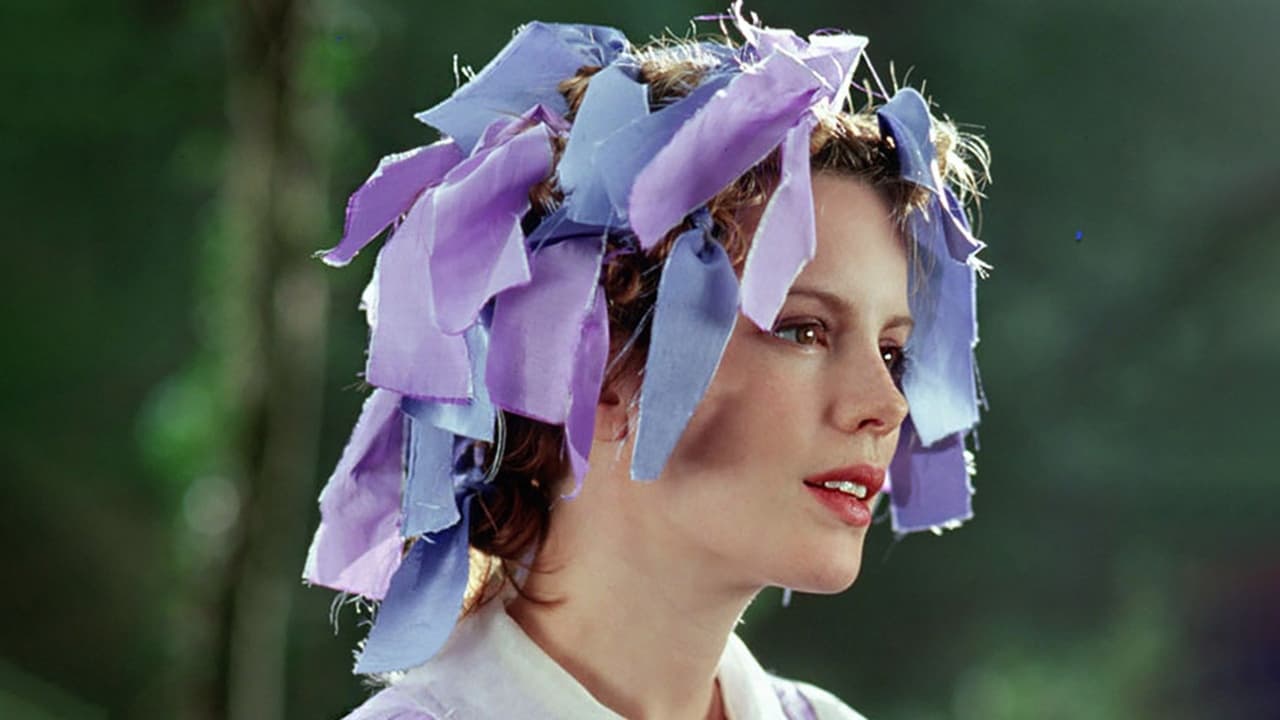
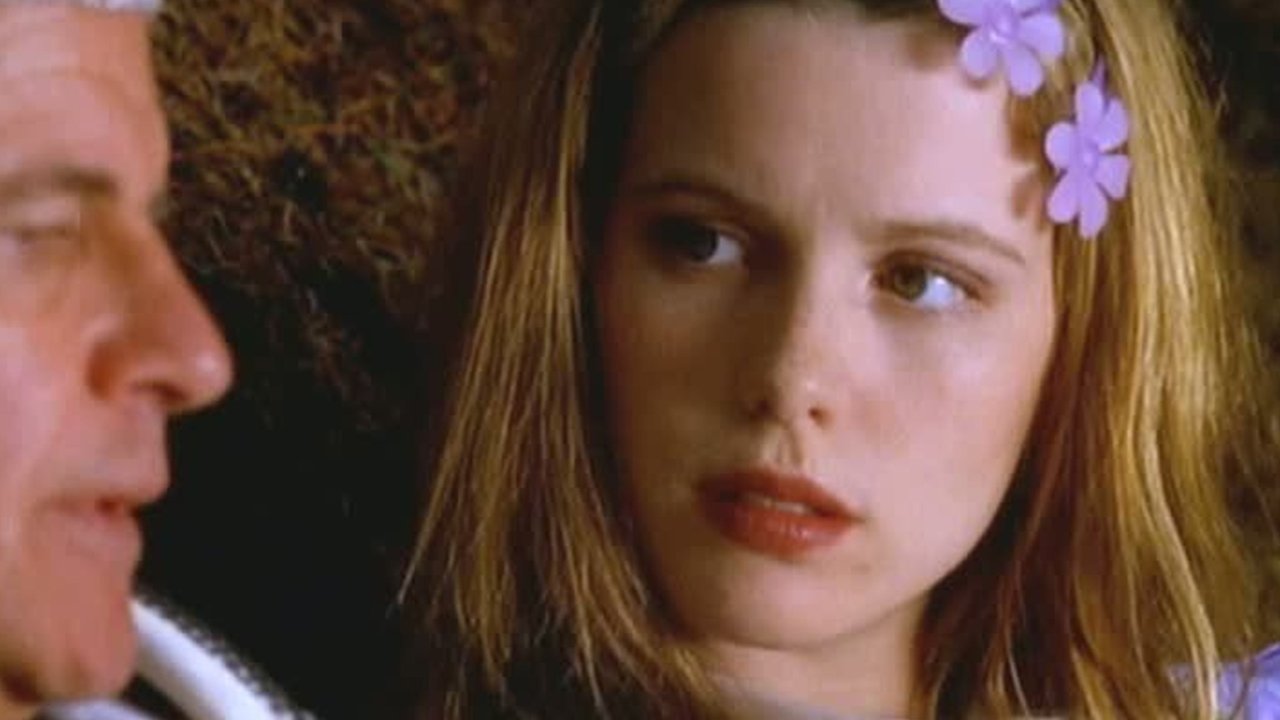
Let's be honest, this wasn't produced with a Hollywood blockbuster budget. Made for Channel 4 in the UK and later airing on NBC in the US, the visual effects are a charming mix of late-90s practical work and early digital compositing. Some moments, like the garden of live flowers or the slightly unnerving Tweedledee and Tweedledum, have that distinct, slightly artificial look that defined fantasy television of the era. Yet, there's creativity here. The way the chessboard landscape is realised, the design of creatures like the Jabberwock (wisely kept brief and impressionistic), and the general sense of off-kilter reality are often quite effective. Director John Henderson, who also helmed family fare like Loch Ness (1996), manages to stretch the resources to create a world that feels suitably strange and dreamlike, even if the seams occasionally show. It possesses that specific aesthetic that instantly transports you back to watching imaginative TV specials from that period.
Retro Fun Facts: The Wasp in the Wig!
Here’s a real treat for Carroll aficionados woven into this version: the inclusion of the "Wasp in a Wig" chapter! This segment, featuring Alice's encounter with an elderly, cantankerous wasp, was famously cut by Carroll himself before the book's publication, often deemed too tangential or perhaps just too odd. Its inclusion here, with the great Ian Richardson (known for powerhouse performances like Francis Urquhart in House of Cards) voicing the Wasp, is a fascinating curio. Adapter Peter Barnes clearly had a deep respect for the text, choosing to restore this lost piece, giving fans a rare glimpse of a character almost entirely absent from other screen adaptations. It speaks volumes about the production's commitment to Carroll's vision, even the obscure parts. Filming took place at the famous Shepperton Studios and various locations, lending a sense of tangible reality amidst the fantasy.
A Nostalgic Reflection
Watching Alice Through the Looking Glass today feels like rediscovering a forgotten favourite from a dusty VHS tape. It might lack the polish of bigger-budget interpretations, and some of the effects inevitably show their age. Yet, its faithfulness to the source material's peculiar tone, the strength of its incredible cast (seriously, Ian Holm as the White Knight is worth the price of admission alone), and its willingness to embrace the story's inherent strangeness make it a genuinely worthwhile watch. It captures a specific flavour of late 90s fantasy television – earnest, imaginative, and crafted with care, even within limitations. Did anyone else catch this one back in the day, perhaps nestled between other programmes, and find themselves drawn into its slightly melancholic, entirely curious world?
VHS Heaven Rating: 7/10
This adaptation earns a solid 7 for its impressive cast, its laudable faithfulness to Carroll's sometimes unsettling tone, and the sheer nostalgic charm of its late-90s TV movie aesthetic. While the visual effects are undeniably dated and it lacks the spectacle of cinematic versions, Kate Beckinsale's early turn and the inclusion of deep-cut elements like the Wasp chapter make it a fascinating and rewarding experience for dedicated fans of Alice or British fantasy productions.
A delightful reminder that sometimes, the most interesting journeys down the rabbit hole (or through the looking-glass) were the ones waiting quietly on the flickering screen, ready to surprise us.