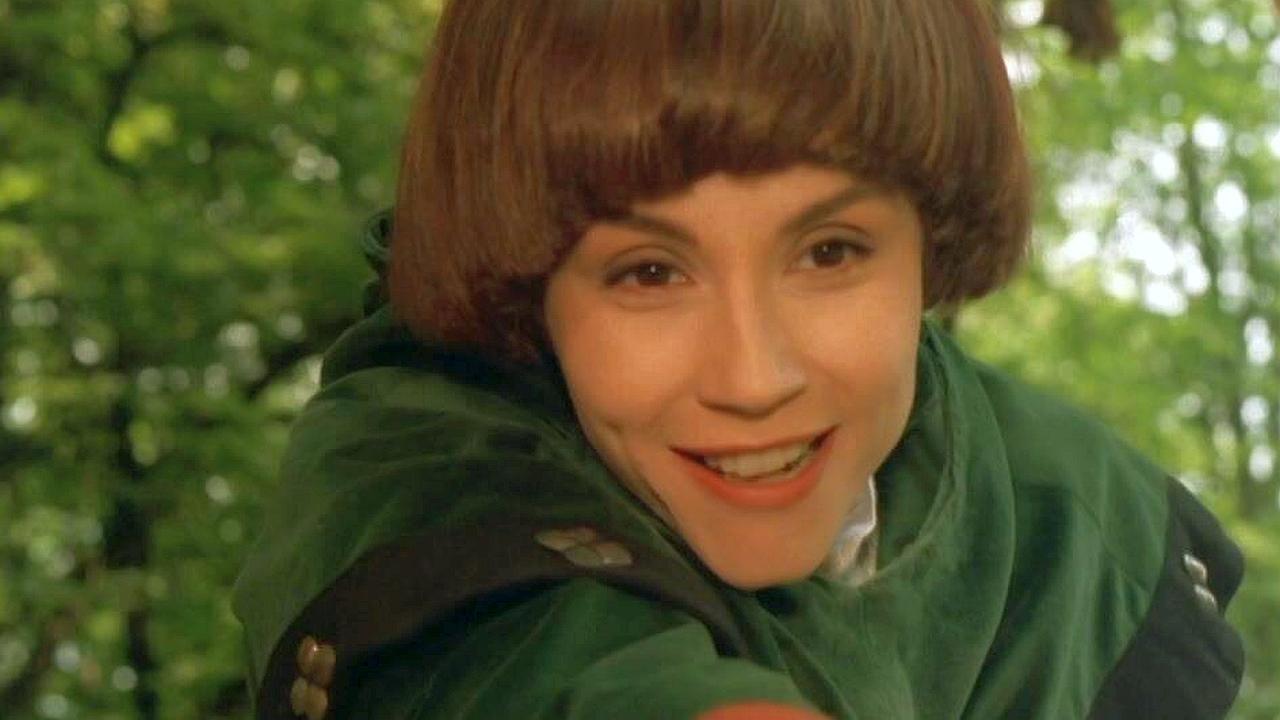
Ah, Fantaghirò. Just whispering the name conjures images of enchanted forests, talking stones, and a warrior princess who defied every expectation. While the first two installments of this beloved Italian fantasy saga (The Cave of the Golden Rose) hold a special place in many hearts, the third entry, released in 1993, took a fascinating, somewhat darker turn. It landed on our shores via VHS, often feeling like a precious, slightly exotic discovery amidst the usual Hollywood fare – a storybook come to life, albeit one where the pages had started to curl with a hint of shadow.
### A Darker Shade of Fairy Tale
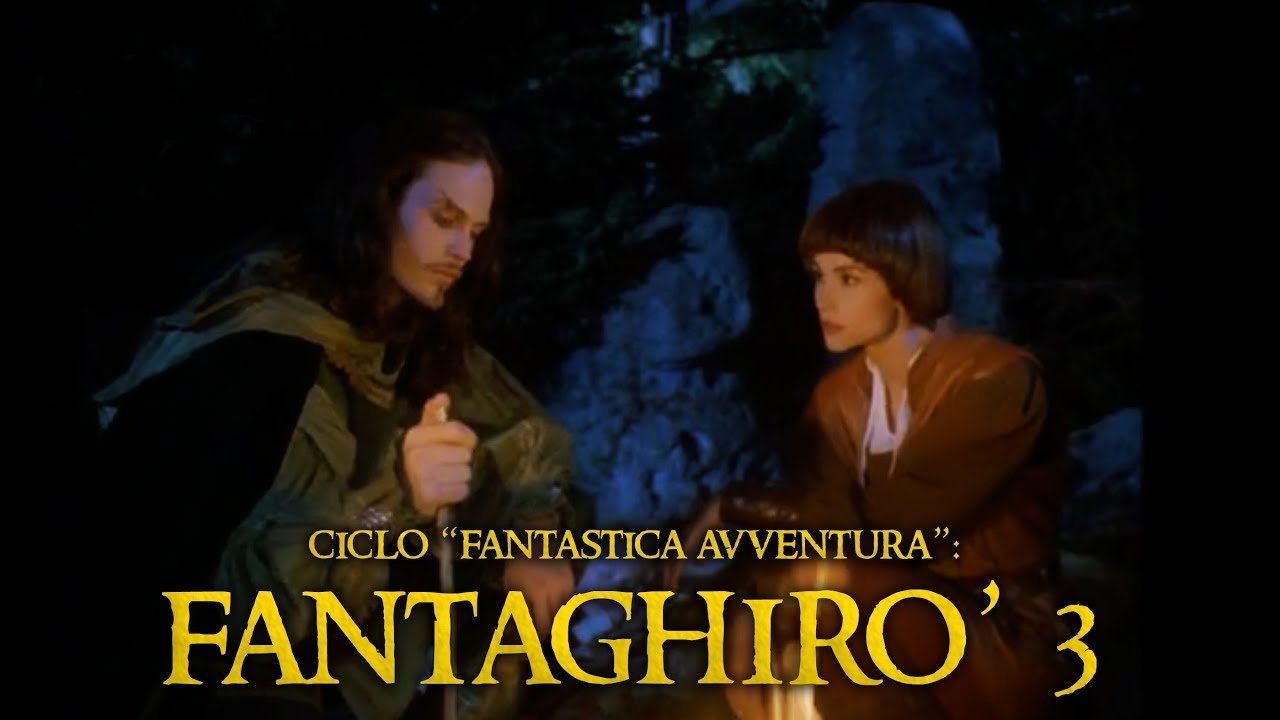
Directed once again by Lamberto Bava (son of the legendary Mario Bava, carrying the family torch for atmospheric visuals), Fantaghirò 3 immediately signaled a shift. The bright, almost saccharine romance of the first two films, while still present, takes a backseat to a more ominous threat. The central conflict revolves around the powerful, brooding sorcerer Tarabas, played with magnetic intensity by newcomer Nicholas Rogers. His curse – that he will turn into a ravening beast if he ever falls in love – and his quest to destroy all the royal children of the world casts a palpable pall over the usually vibrant fantasy landscape.
This installment felt different. The stakes seemed higher, the magic felt wilder, more dangerous. Tarabas wasn't just a cackling villain; he was tragic, complex, and undeniably captivating. Nicholas Rogers, with his striking looks and melancholic presence, became an instant focal point, arguably stealing the show and creating a dilemma for fans deeply invested in Fantaghirò's original love story. His arrival marked a significant change, moving the series into slightly more mature, morally ambiguous territory.
### The Warrior Princess Endures
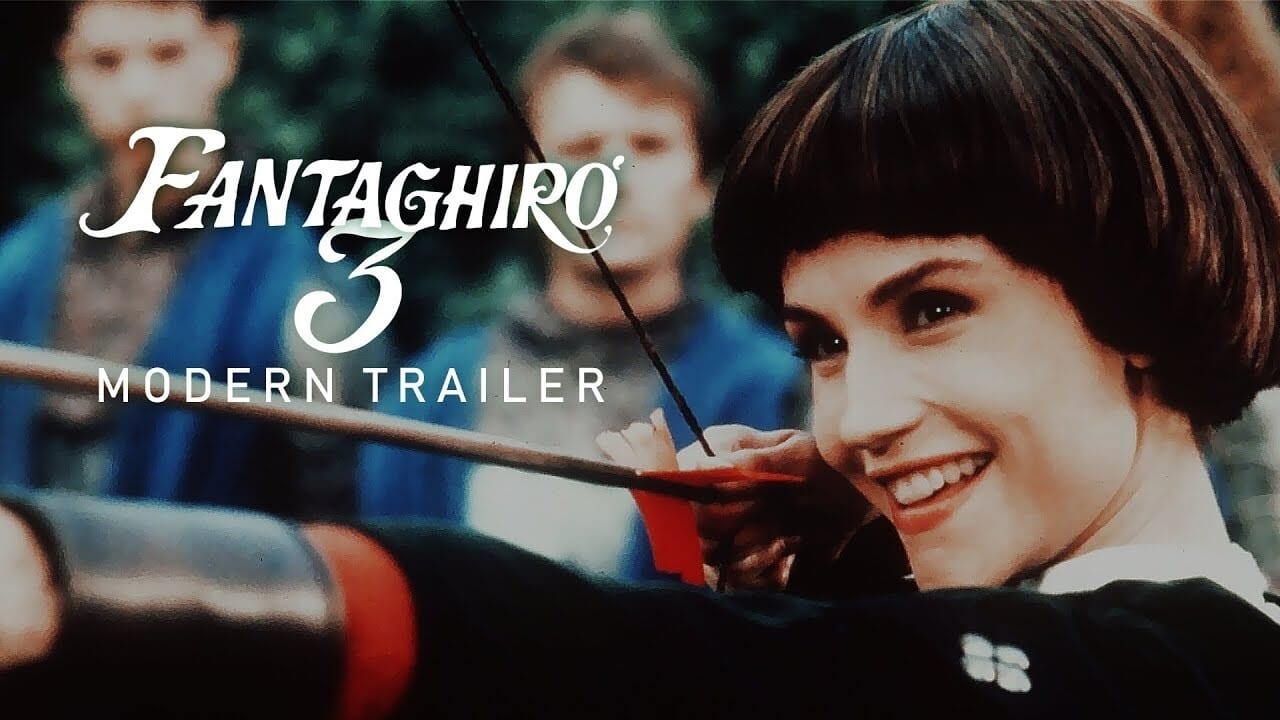
Of course, the heart of the series remains the indomitable Princess Fantaghirò, portrayed with unwavering spirit by Alessandra Martines. She’s as fierce and resourceful as ever, forced to confront not just Tarabas's destructive magic but also the consequences of his complicated presence. Martines embodies Fantaghirò's blend of strength and vulnerability perfectly. You believe in her courage, her determination, and her moments of doubt. It's a performance that anchors the fantastical elements in relatable human emotion. One particularly memorable sequence involves Fantaghirò having to make a truly heart-wrenching choice, showcasing Martines' ability to convey deep internal conflict.
While the character of Romualdo (Fantaghirò's beloved prince, originally played by Kim Rossi Stuart) is present, his role feels diminished here, partly due to Stuart's reduced availability. He spends much of the film literally turned to stone, a plot device that, while convenient, does sideline one of the saga's core relationships. This shift undeniably paved the way for the Tarabas storyline to dominate, for better or worse depending on your preference.
### That European Fantasy Charm (and Quirks)
Part of the enduring appeal of the Fantaghirò series lies in its distinctly European sensibility. Filmed largely in the Czech Republic and Slovakia, the locations themselves – ancient castles, misty forests, rugged landscapes – feel authentically fairy-tale-like, worlds away from the often more polished look of American fantasy productions of the time. There’s a certain handcrafted quality to the practical effects and creature designs. They might look a bit dated now – the transformation sequences, the magical bolts – but back then, viewed on a fuzzy CRT screen, they possessed a tangible charm that CGI often lacks. Think Ray Harryhausen meets Italian television budget – endearing, imaginative, and occasionally a little bit wobbly.
We also get the legendary Ursula Andress returning briefly as the evil sorceress Xellesia, Tarabas's mother. Though her screen time is limited, her presence adds a touch of old-school glamour and menace, connecting the series to a different era of fantasy and adventure filmmaking. Seeing her interact with the younger cast is a treat for film buffs.
### Retro Fun Facts & Legacy
- The Tarabas Effect: The introduction of Nicholas Rogers as Tarabas proved immensely popular, especially with younger audiences. His character's brooding anti-hero appeal significantly boosted the series' profile, leading to his prominent role in the subsequent installment.
- Location Magic: The production made excellent use of stunning locations like Bouzov Castle and Pernštejn Castle in the Czech Republic, adding immense production value and contributing to the authentic medieval fantasy atmosphere. Scouting these locations was key for Lamberto Bava to capture the specific look he envisioned.
- Bava's Touch: While known for his Giallo and horror work (like Demons), Lamberto Bava clearly relished the chance to work in epic fantasy, bringing a darker edge than typical children's fare but retaining a sense of wonder. He directed the first four films in the series.
- International Appeal: Though originally an Italian TV miniseries (split into two parts), Fantaghirò found considerable success across Europe and beyond, becoming a cherished childhood memory for many who caught it on television or rented the distinctive VHS tapes. Its success demonstrated a market for non-English language fantasy.
### Still Weaving Its Spell?
Watching Fantaghirò 3 today is like flipping through a beloved, slightly worn storybook. The plot might meander occasionally, and some effects definitely show their age, but the core appeal remains. It’s a film brimming with imagination, anchored by strong performances (especially from Martines and Rogers), and possessing a unique atmosphere that blends dark fantasy with genuine heart. It dared to complicate its central romance and introduce a more compelling villain, a move that energized the saga even if it shifted the focus.
It represents a specific type of fantasy filmmaking – earnest, ambitious within its means, and deeply rooted in classic fairy tale tropes, yet willing to explore darker themes. It lacks the polished sheen of modern fantasy epics, but compensates with a raw, imaginative spirit that feels intrinsically tied to the era of its creation. You felt like you were discovering a secret world when you slid that tape into the VCR.
VHS Heaven Rating: 7/10
The rating reflects its strengths – the captivating introduction of Tarabas, Alessandra Martines' solid performance, the atmospheric European locations, and its ambitious darker tone. It loses points for the slightly diminished role of Romualdo, some pacing issues, and effects that, while charmingly retro, haven't aged as gracefully as others. It's a strong, memorable entry, even if it doesn't quite reach the perfect balance of the first two for some fans.
Final Thought: Fantaghirò 3 was the moment the fairy tale grew fangs, proving that even the most enchanting stories could explore the shadows and capture our imaginations all the more for it. A captivating detour in a truly magical VHS saga.