Alright, fellow tape travelers, gather 'round the flickering glow of the CRT. Today, we're pulling a particularly fascinating cassette from the dusty shelves of VHS memory – a film more famous for its troubled journey than its final, somewhat fractured arrival. I’m talking about Richard Williams' ill-fated, visually astonishing opus, known eventually, in one of its forms, as The Thief and the Cobbler (1993). This isn't just a movie; it's an animation legend, a "what if?" whispered among animation buffs for decades.
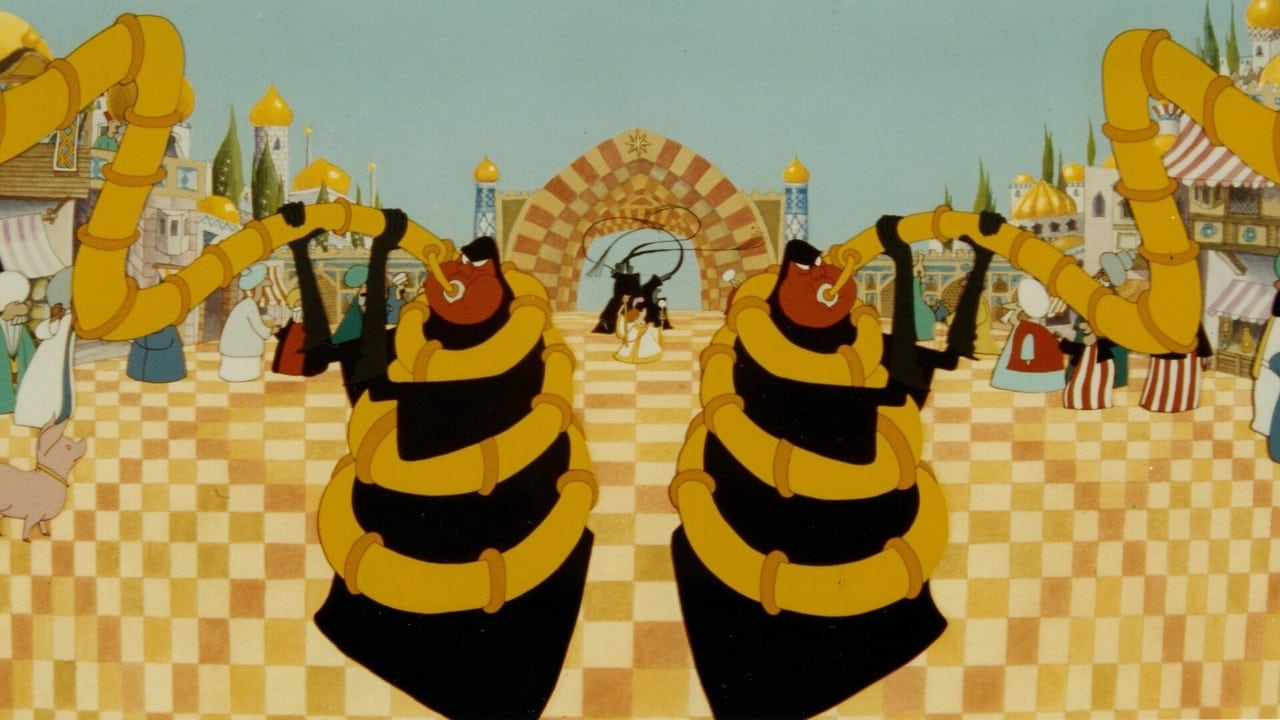
Finding this one at the video store back in the day was often a bit confusing. Was it The Princess and the Cobbler? Or maybe Arabian Knight? The conflicting titles and box art hinted at the chaotic saga behind its creation, a story almost as epic as the Arabian Nights adventure it aimed to portray. For many of us, our first encounter wasn't with a pristine masterpiece, but with a version cobbled together after its visionary creator lost control – a glimpse of something extraordinary, albeit through a clouded lens.
### A Hand-Drawn Dreamscape
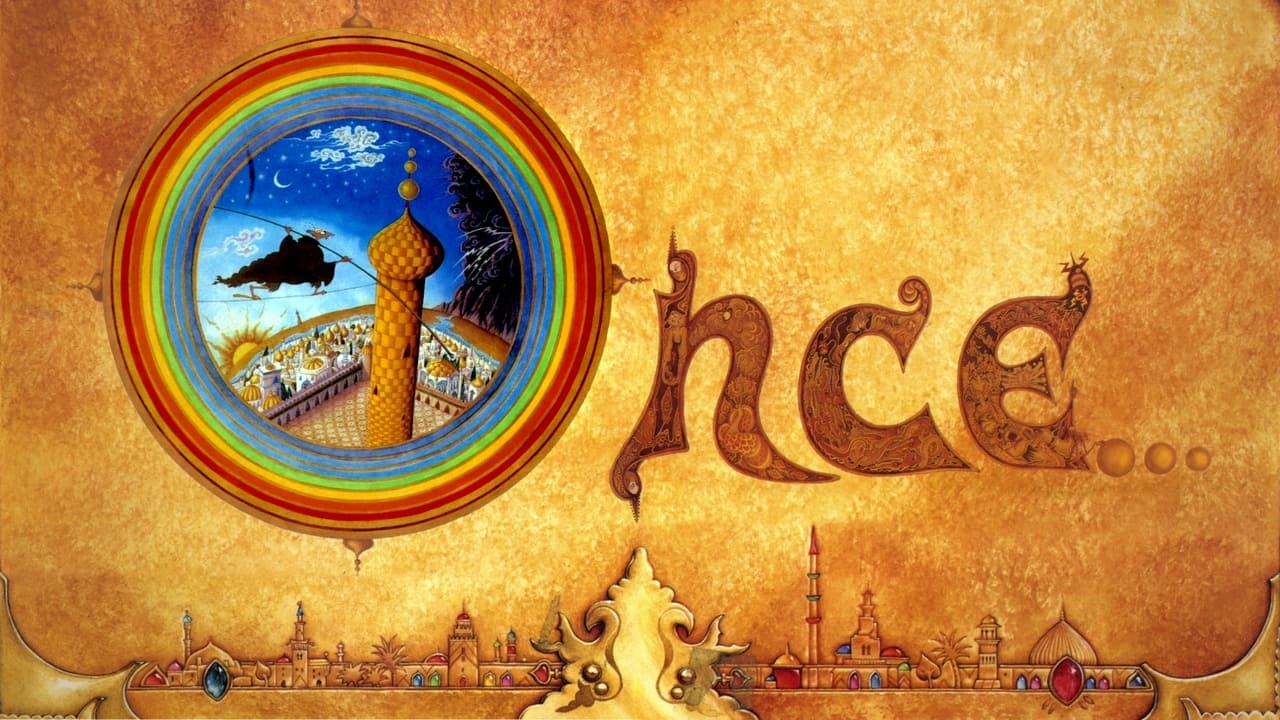
Let's rewind the tape way back. Richard Williams, the animation director who brilliantly blended cartoons and reality in Who Framed Roger Rabbit (1988), poured nearly three decades of his life into this passion project. Inspired by Persian miniatures and Mulla Nasrudin tales, his goal was nothing short of creating the most intricate, fluid, and mind-bending hand-drawn animation ever seen. And honestly? In the sequences that survive closest to his original intent, he arguably succeeded.
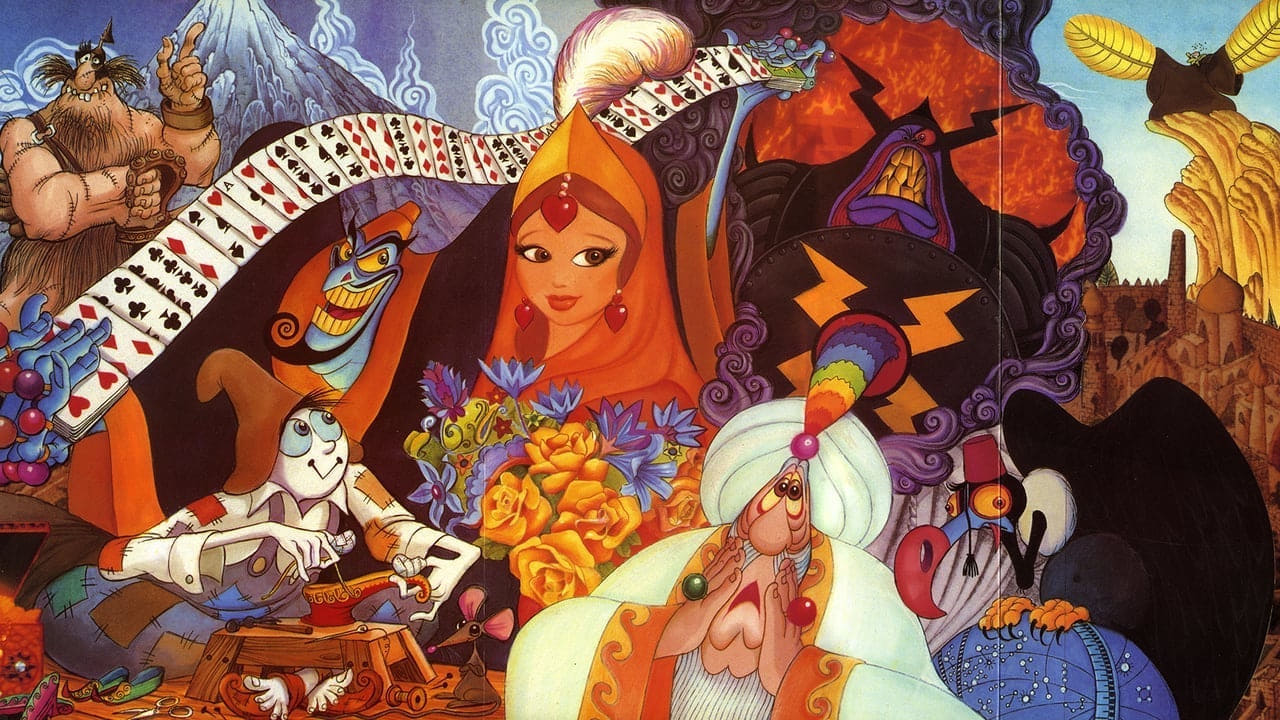
Forget computer assistance; this was pure, painstaking artistry. Watching the titular Thief's silent, impossibly elastic escapades through the Golden City – a labyrinth of Escher-like perspectives and dizzying detail – is mesmerizing. Every frame ripples with life, characters move with a weight and expressiveness rarely achieved in animation, before or since. The sheer audacity of the War Machine sequence, a colossal, chaotic engine of destruction rendered with obsessive detail, still has the power to make your jaw drop. It feels less like a cartoon and more like a living tapestry. This wasn't just animation; it was a statement.
### The Long, Winding, Bumpy Road
Now, for the elephant in the room, or rather, the camel in the desert oasis. Williams' perfectionism and the sheer scale of his ambition meant the production stretched on... and on. Begun in the 60s, it saw funding come and go. A major break came after the success of Roger Rabbit, securing a deal with Warner Bros. But deadlines were slippery things for Williams. Eventually, with the film still incomplete, the completion bond company stepped in, ousted Williams, and handed the reins over to Fred Calvert to finish it quickly and cheaply.
This is where the versions most of us saw on VHS originated. Calvert's team added songs (often jarringly out of place), extensive voiceover narration for the near-silent Tack the Cobbler (voiced in this version by Matthew Broderick, fresh off Ferris Bueller's Day Off), and simplified scenes to meet a release date. Later, Miramax acquired the rights and recut it again as Arabian Knight (1995 in the US), adding more celebrity voices (Jennifer Beals of Flashdance fame as Princess YumYum) and further altering the narrative. It was a heartbreaking fate for a project defined by artistic integrity. Williams reportedly spent around $28 million of mostly his own money over the decades before the bond company takeover. The released versions, sadly, never recouped anywhere near that, barely making a dent at the box office.
### Voices Echoing Through Time
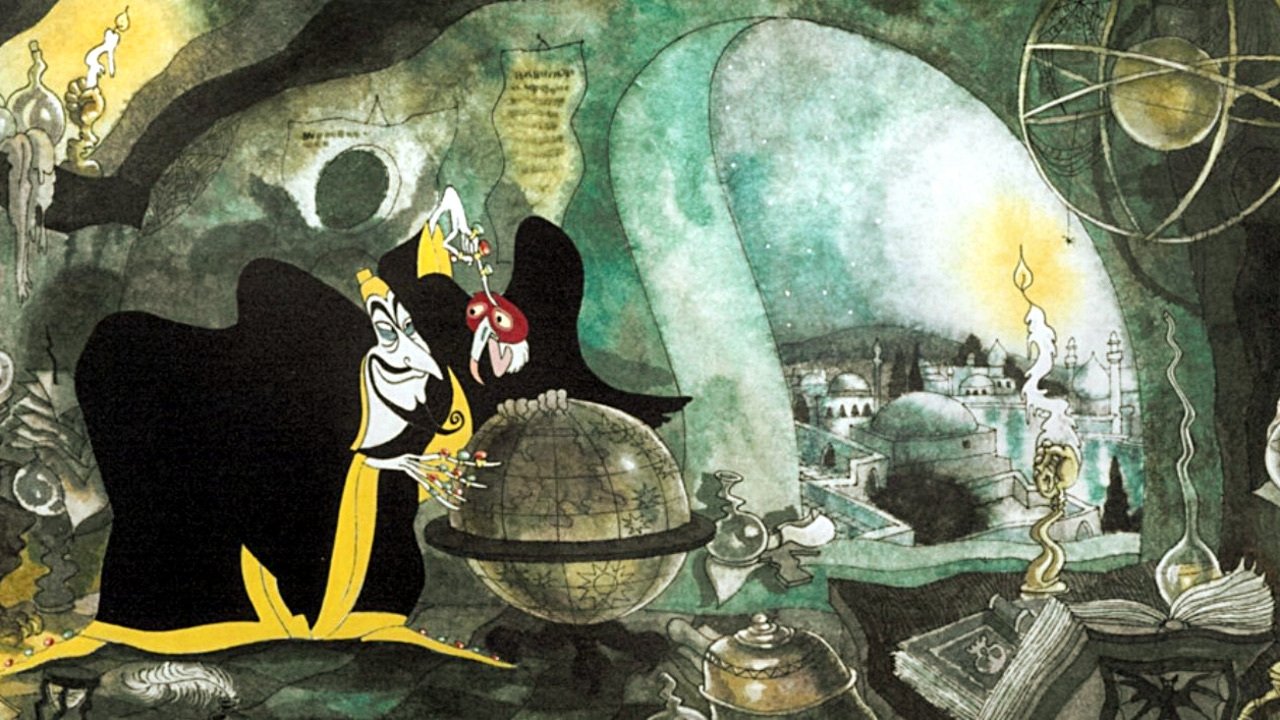
One undisputed treasure salvaged across most versions is the glorious voice work of the legendary Vincent Price as the villainous Grand Vizier, Zigzag. Recorded years before the film's eventual release (it was, in fact, Price's final film role, released posthumously), his deliciously rhyming, sinister performance is pure magic. Every syllable drips with character – campy, menacing, and utterly captivating. He is Zigzag, a creation as memorable visually as he is vocally. Hearing his voice, especially knowing the context, adds a layer of poignant history to the viewing experience. The contrast between his polished villainy and the often-clumsy additions in the released cuts is stark.
### Retro Fun Facts & The Recobbled Legacy
The story behind The Thief and the Cobbler is a goldmine of trivia for film buffs.
- Decades in the Making: Production officially started in 1964! Imagine the changes in animation technology and style over that period.
- Silent Heroes: Tack the Cobbler and the Thief were originally intended to be almost entirely silent, relying on pure visual storytelling and pantomime – a testament to Williams' confidence in his animation prowess. The added dialogue feels tacked on because it fundamentally changes the characters.
- Missing Pieces: Huge amounts of completed animation, character designs, and story elements were discarded or altered in the rush to finish. Some estimates suggest Williams had nearly completed the film, albeit missing a few connector scenes, when it was taken from him.
- The Recobbled Cut: Thankfully, the story doesn't entirely end there. Dedicated fans, led by Garrett Gilchrist, have painstakingly assembled various "Recobbled Cuts" over the years, using original storyboards, pencil tests, snippets from the released versions, and salvaged workprint footage to approximate Williams' original vision as closely as possible. These fan edits, often found online, are a revelation and offer the best way to appreciate the intended artistry.
- Hidden Homage?: Some viewers see parallels between Zigzag's design and Jafar from Disney's Aladdin (1992), and Tack's resemblance to Aladdin himself. Given that some animators worked on both projects and Aladdin came out while Cobbler was still in production limbo, the potential influence is a hot topic of debate among animation fans.
### A Flawed Gem, A Glimpse of Genius
So, how do you rate a film like The Thief and the Cobbler? Judging the widely available VHS versions (like The Princess and the Cobbler or Arabian Knight) is tough. You're seeing a compromised vision, a beautiful painting that someone else crudely painted over in parts. The added songs are often forgettable 90s fare, the extra dialogue unnecessary, and the editing can feel choppy.
Yet, beneath the interference, the brilliance shines through. The surviving Williams animation is breathtaking, a masterclass in traditional technique. The character designs are unique, the ambition undeniable. It’s a film that sparks conversation about art versus commerce, directorial control, and the bittersweet nature of unrealized dreams.
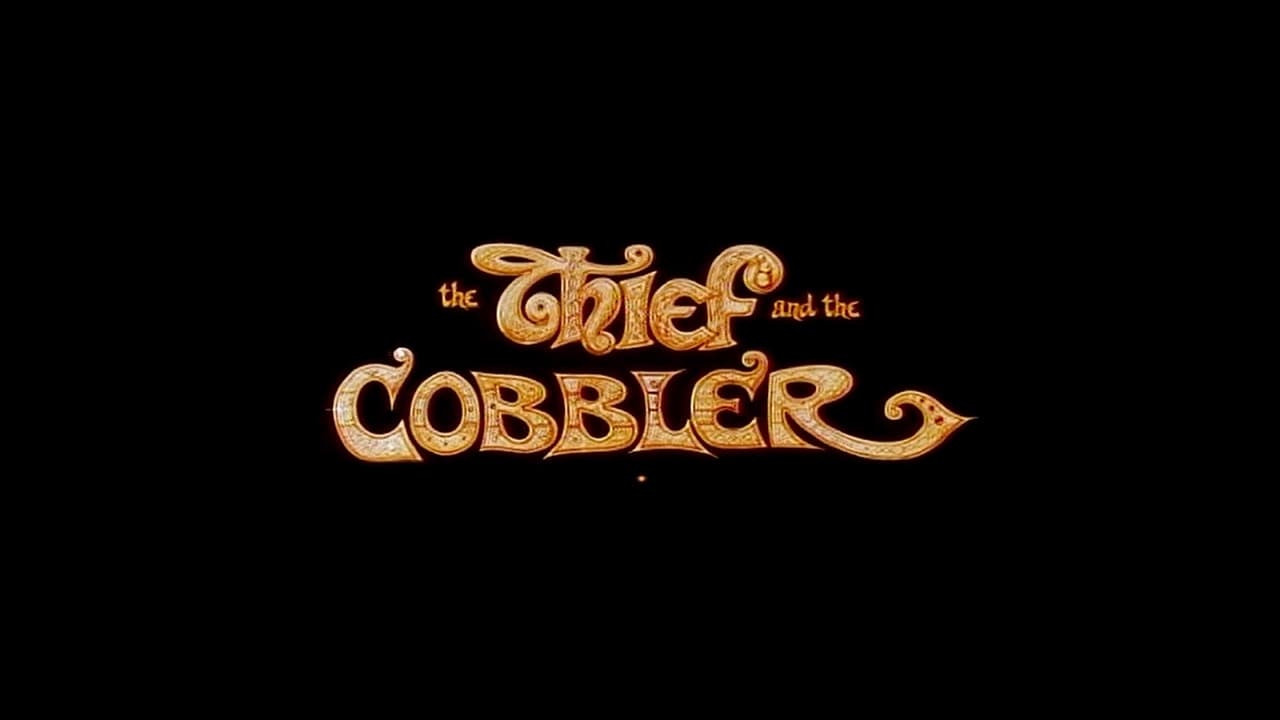
Rating: 6/10 (for the commonly released VHS versions)
This score reflects the compromised nature of what most of us actually rented back in the day. It's a fascinating watch, often beautiful, but undeniably flawed by the studio tinkering. However, if you seek out the Recobbled Cut online, you're experiencing something closer to a 9/10 – a lost masterpiece.
Ultimately, The Thief and the Cobbler, in whatever form you found it, is a crucial piece of animation history. It's a beautiful, frustrating, mesmerizing glimpse into one animator's decades-long obsession. Renting it wasn't just watching a movie; it was unknowingly plugging into one of cinema's most legendary behind-the-scenes sagas. A true adventure, indeed, both on screen and off.