You can almost smell the smoke coming off the tape head for this one. Remember that specific kind of heat shimmer you’d get on the CRT screen during the intense scenes? 1998’s Firestorm aims to engulf you, not just with flames, but with a particular brand of high-concept 90s action that feels both ambitious and charmingly of its time. Forget subtle chills; this film throws you headfirst into the inferno, a desperate scramble against nature’s fury and human malice, playing out under skies choked with ash.
Into the Furnace
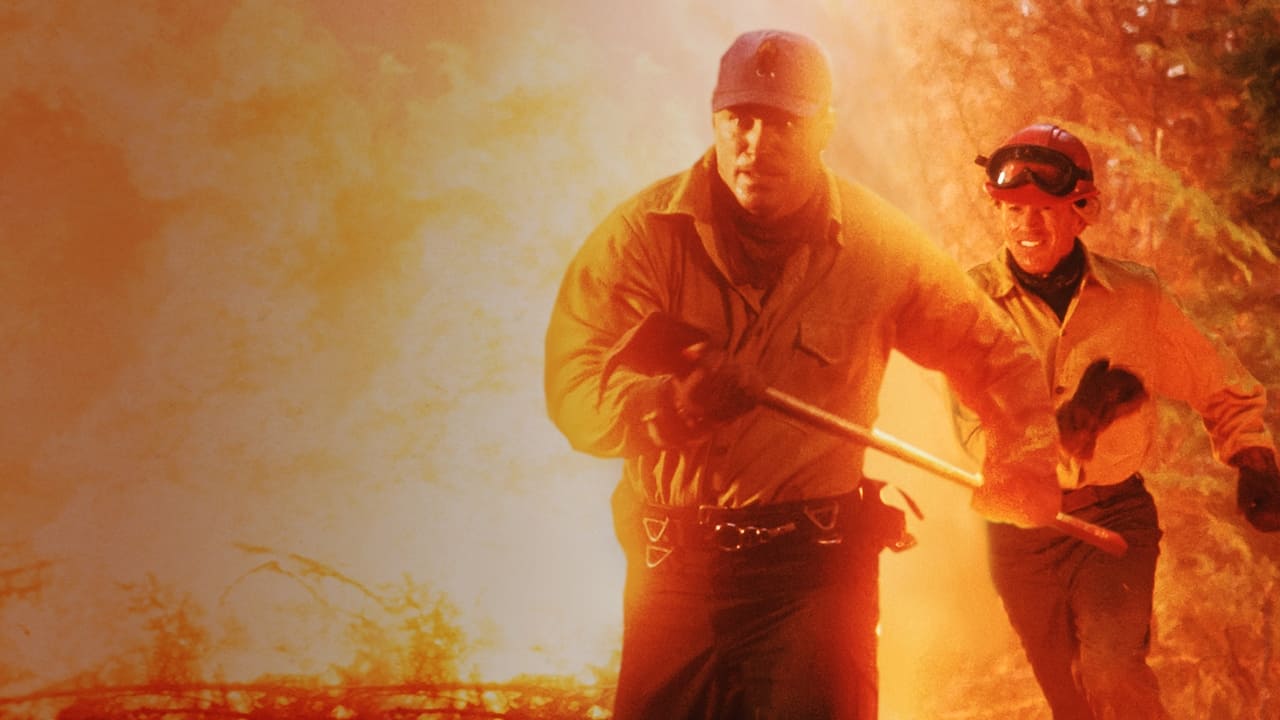
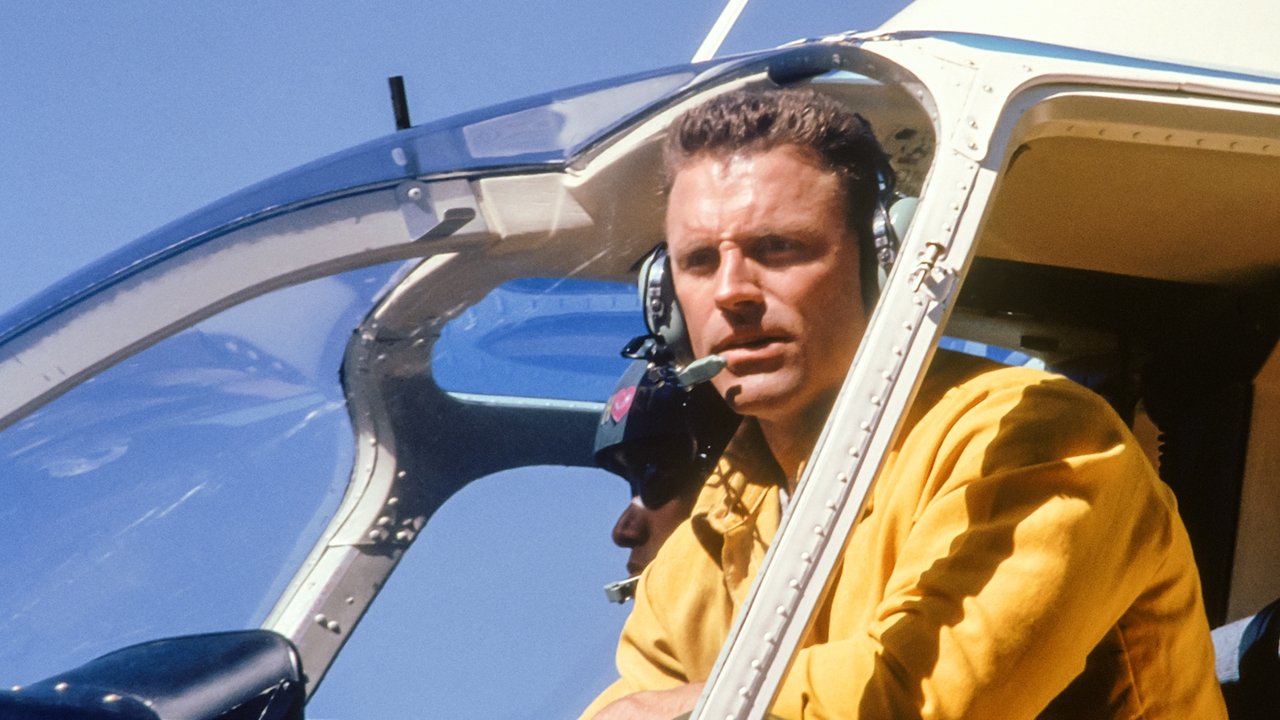
The premise is pure pulp, the kind that probably sounded killer in a pitch meeting: Elite smokejumper Jesse Graves (Howie Long) finds himself battling not only a raging Wyoming forest fire deliberately set as a diversion but also a gang of ruthless escaped convicts led by the psychotic Randall Shaye (William Forsythe). Shaye, disguised as a firefighter, plans to retrieve $37 million in stolen loot hidden within the fire's path. Trapped between the advancing flames and armed killers, with veteran smokejumper Wynt Perkins (Scott Glenn) trying to coordinate a rescue from outside the blaze, Jesse must use his survival skills and knowledge of the unforgiving terrain to stay alive and stop the criminals. It’s Die Hard in the woods, with Mother Nature as the most dangerous terrorist of all.
Trial by Fire: Performance Amidst the Flames
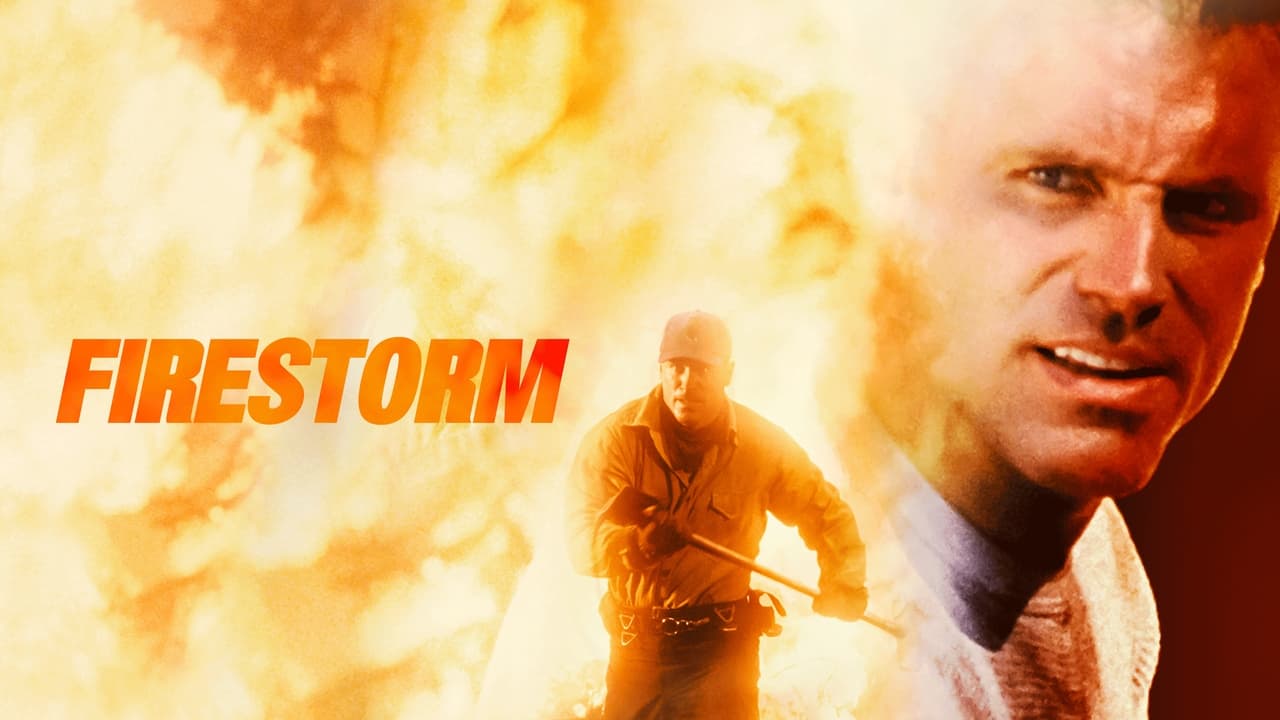
Let's be honest, Firestorm was conceived as a star vehicle for then-Oakland Raiders defensive end Howie Long. Following the path trod by athletes like Brian Bosworth, the hope was Long’s imposing physique and rugged looks would translate into action hero gold. Does it work? Well, Long certainly looks the part. He’s physically capable in the action sequences, believable as someone who could handle the demanding job of a smokejumper. His dramatic range, however, feels somewhat limited. There’s an earnestness there, but the dialogue often lands with a thud, lacking the charisma needed to truly carry the film. Still, there's a certain stoic appeal, a throwback quality to his performance that fits the straightforward nature of the narrative.
Providing the necessary gravitas is the ever-reliable Scott Glenn as Wynt Perkins. Glenn effortlessly embodies the experienced mentor figure, his gruff concern for Jesse feeling genuine. He grounds the film, offering a counterpoint to the escalating chaos within the fire zone. And then there’s William Forsythe. Chewing scenery with ferocious glee, Forsythe leans into the villain role with unrestrained menace. Shaye isn't a complex antagonist, but Forsythe injects him with a palpable danger and unhinged energy that makes him a genuinely threatening presence amidst the fiery backdrop. His performance elevates the stakes considerably.
The Spectacle of Practical Pyrotechnics
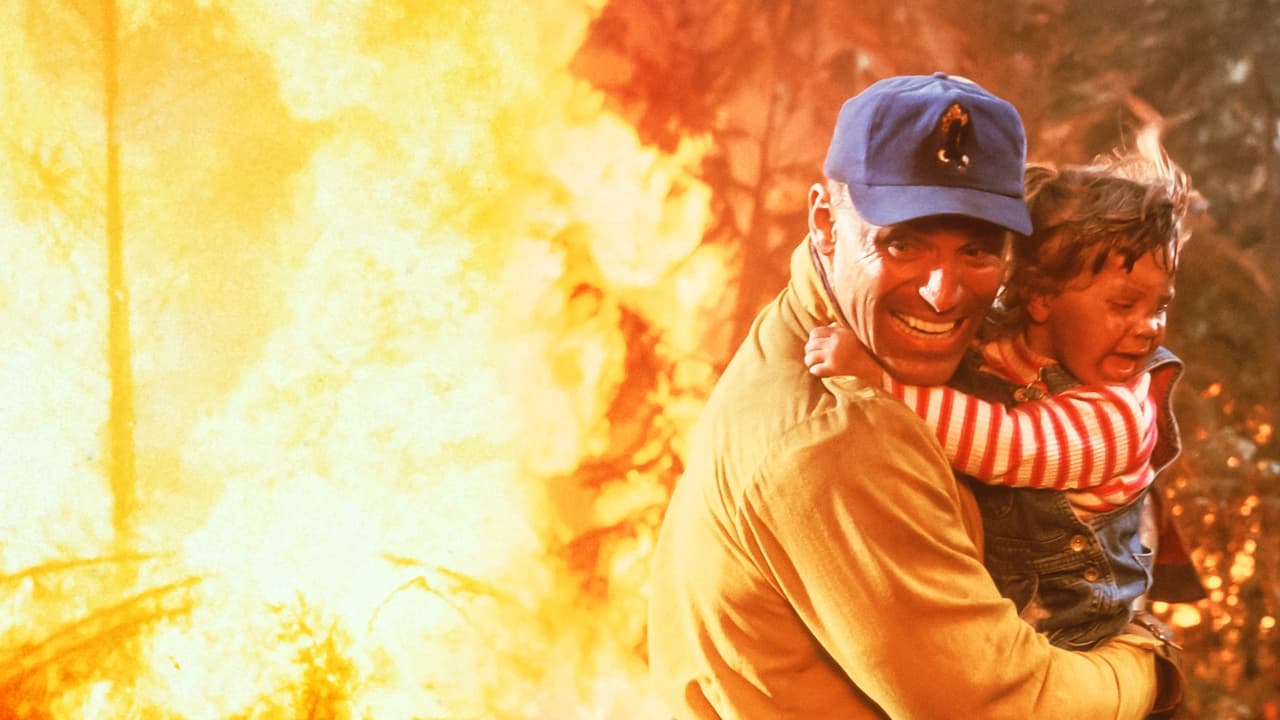
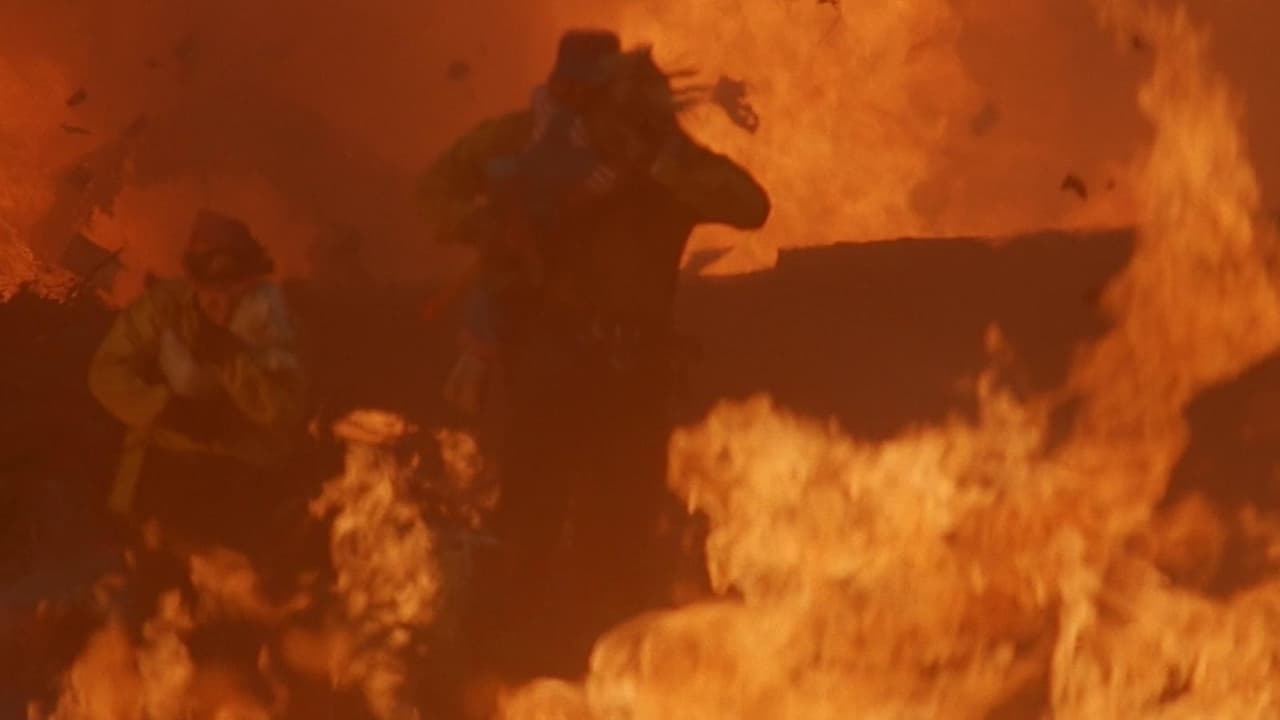
Where Firestorm truly ignites is in its commitment to practical effects, particularly the fire itself. Directed by acclaimed cinematographer Dean Semler (an Oscar winner for Dances with Wolves, who also shot Mad Max 2: The Road Warrior and Mad Max Beyond Thunderdome), making his directorial debut here, the film boasts some genuinely breathtaking fire sequences. Semler’s eye for visuals is evident; he captures the terrifying beauty and destructive power of the blaze with visceral intensity. Forget weightless CGI flames; this feels hot. Huge swathes of forest were subjected to controlled burns, massive propane rigs unleashed towering infernos, and the sheer scale of the pyrotechnics is often staggering.
One fascinating bit of trivia: the production reportedly used more propane fuel than any film previously made, creating walls of flame that reached hundreds of feet high. The heat on set was apparently intense, lending an undeniable authenticity to the actors' reactions to the surrounding danger. You can almost feel the oppressive heat radiating from the screen. While some composite shots might look a little dated now, the overwhelming reliance on real, physical fire gives the film a tangible weight and danger that remains impressive. This dedication to practical spectacle is a hallmark of its era, something increasingly rare today. Semler's background ensures the cinematography often emphasizes the scale, dwarfing the human characters against the elemental power they face.
Burning Questions and Narrative Embers
While the spectacle is often top-notch, the script by Chris Soth struggles to maintain the same level of heat. The plot mechanics are fairly standard 90s action fare – the cat-and-mouse chase, the hidden loot, the race against time. Character motivations are thin, and the dialogue rarely rises above functional. The central conceit of convicts using a massive, uncontrollable forest fire as a cover for a prison break and treasure hunt stretches plausibility thin, even for the genre.
Interestingly, the film itself became something of a financial disaster. Made for a reported $30-40 million (a hefty sum back then, maybe closer to $60-80 million today), it fizzled at the box office, pulling in just over $8 million domestically. It effectively ended Howie Long’s bid for action stardom before it truly began, relegating Firestorm to the shelves of "Remember that one?" cult curiosities rather than the blockbuster franchise starter it was likely intended to be. Was it the slightly generic plot? Long's unproven star power? Or perhaps audiences just weren't ready for a disaster movie crossed with a wilderness thriller?
Rating and Final Verdict
- Visuals/Effects: 8/10 (The practical fire work is genuinely impressive for its time)
- Story/Script: 4/10 (Functional but predictable and often derivative)
- Performances: 6/10 (Glenn and Forsythe elevate things; Long is physically present but dramatically stiff)
- Direction: 7/10 (Semler brings a strong visual eye, especially to the fire sequences)
- Rewatchability/Nostalgia Factor: 6/10 (A solid example of late-90s practical action spectacle)
Overall Score: 6/10
This score reflects Firestorm's split personality. The sheer commitment to large-scale, practical fire effects, captured with a veteran cinematographer's eye, makes it visually compelling and a fascinating artifact of late-90s action filmmaking. The scale of the pyrotechnics alone warrants attention. However, the underdeveloped script, predictable plot beats, and a lead performance that doesn't quite ignite hold it back from true greatness. It relies heavily on its high concept and visual spectacle to carry the day.
Firestorm might not have set the world alight critically or commercially, but popping this tape in offers a potent blast of uncomplicated, effects-driven 90s action. It’s a reminder of a time when studios would gamble big on practical spectacle, even if the story scaffolding wasn't quite strong enough to support it. For fans of pyrotechnic excess and sturdy character actors like Scott Glenn and William Forsythe, there's definitely heat worth feeling here, even if the narrative smoke sometimes gets in your eyes.