There’s a particular hum to the inside of an air traffic control tower – or at least, how Hollywood imagines it. A low thrum of tension, punctuated by clipped jargon and the hypnotic sweep of radar screens where tiny blips represent hundreds of lives. Ground Control (1998) plunges us headfirst into that pressure cooker, centering on a man forced to confront the ghosts of his past in the most terrifying way imaginable. It’s a scenario ripe for drama, and one that likely found its way into many a VCR during those late-90s Friday night rental runs.
Return to the Tower
The premise hooks you with classic dramatic irony: Jack Harris (Kiefer Sutherland) is an architect now, having walked away from air traffic control five years prior after a catastrophic crash on his watch claimed 174 lives. He’s haunted, broken, carrying a weight that’s palpable in Sutherland’s tightly wound performance. But when a massive storm throws Phoenix Sky Harbor International Airport into chaos on New Year's Eve, his old boss, T.C. Bryant (Bruce McGill, reliably gruff and commanding), desperately calls him back for one night. The tower is understaffed, overwhelmed, and facing potential disaster. Can Harris step back onto the floor, face his demons, and prevent another tragedy?
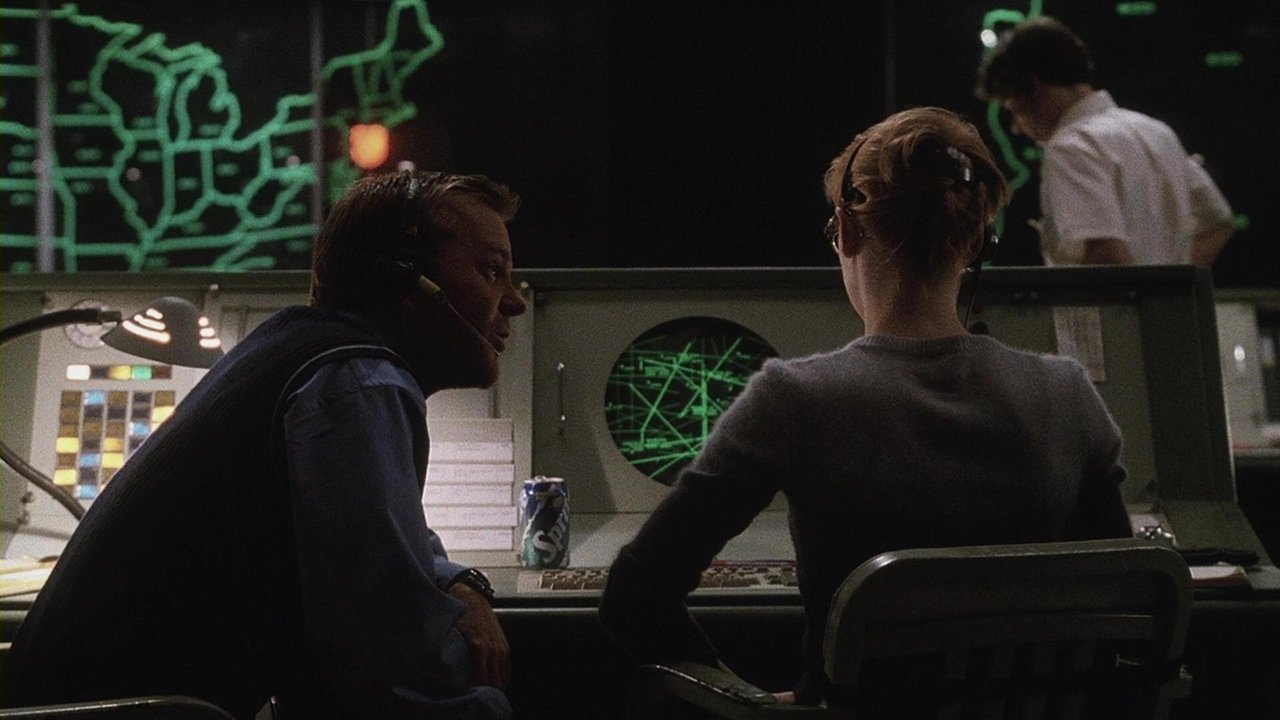
It’s a sturdy setup for a thriller, leaning heavily on the inherent claustrophobia and high stakes of the ATC environment. Director Richard Howard effectively uses the confined space of the control tower – the dim lighting, the array of monitors, the faces etched with stress – to build suspense. We feel the mounting pressure as the storm worsens, systems flicker, and the disembodied voices of pilots grow increasingly frantic.
Sutherland Under Pressure
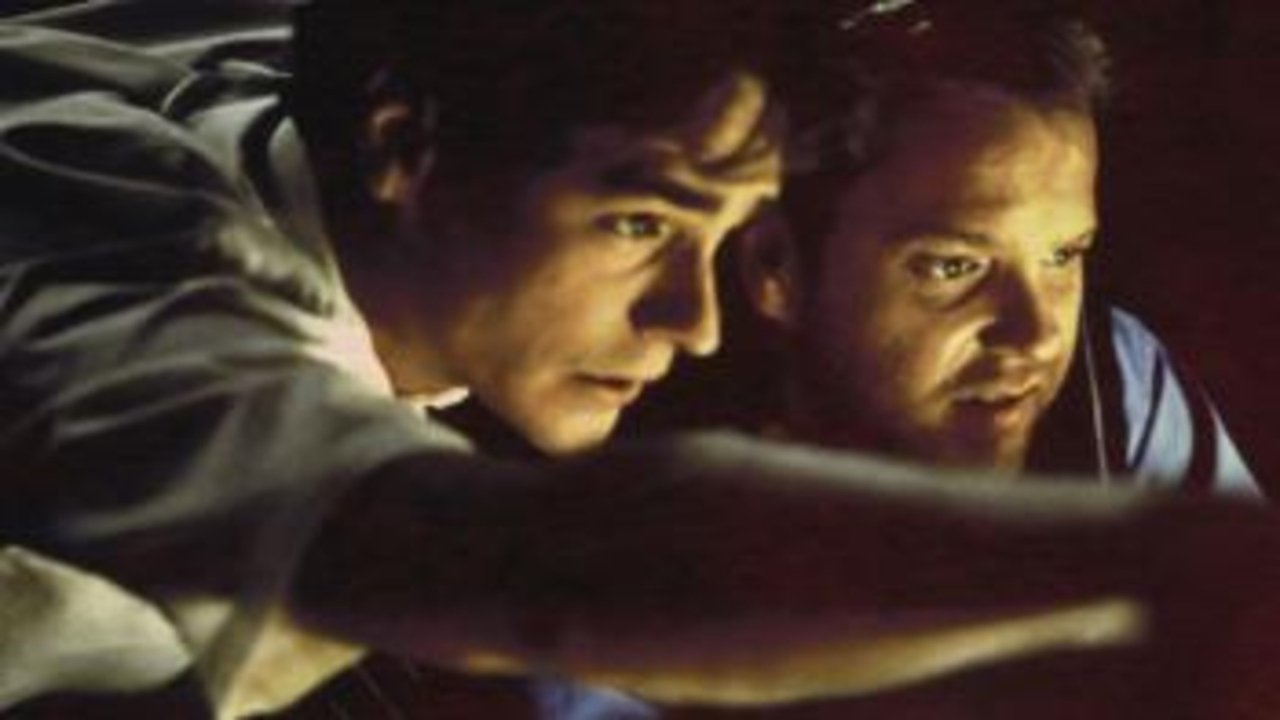
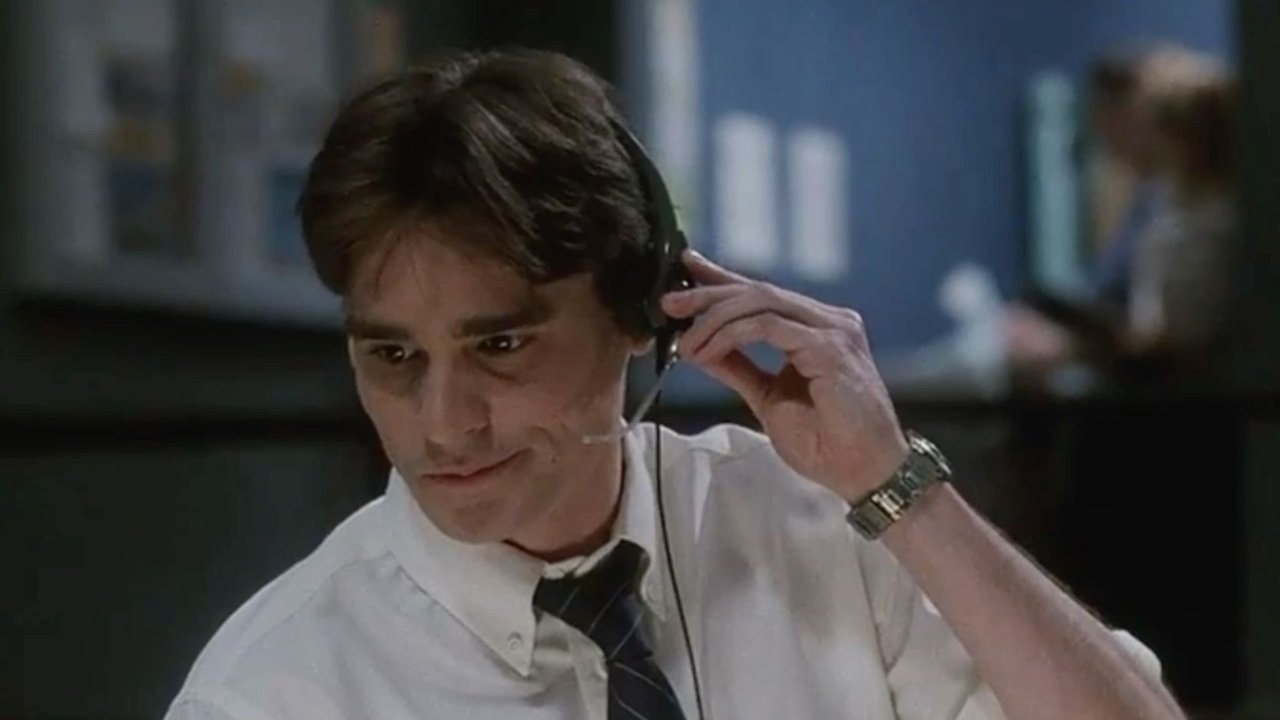
This film arrived during a period where Kiefer Sutherland hadn't quite reclaimed the superstardom that 24 would bring just a few years later, but Ground Control serves as a potent reminder of his ability to convey intense internal struggle. His Jack Harris is a man simmering with unresolved trauma. You see it in his eyes, the hesitation in his voice when he first picks up the headset again, the barely concealed tremors. It’s a performance that anchors the film, making Harris’s journey back from the brink feel earned, even within the confines of a relatively straightforward disaster plot. He’s not just barking orders; he’s fighting his own instincts, his own fear, second by second. Doesn't that internal battle make the external crisis feel even more immediate?
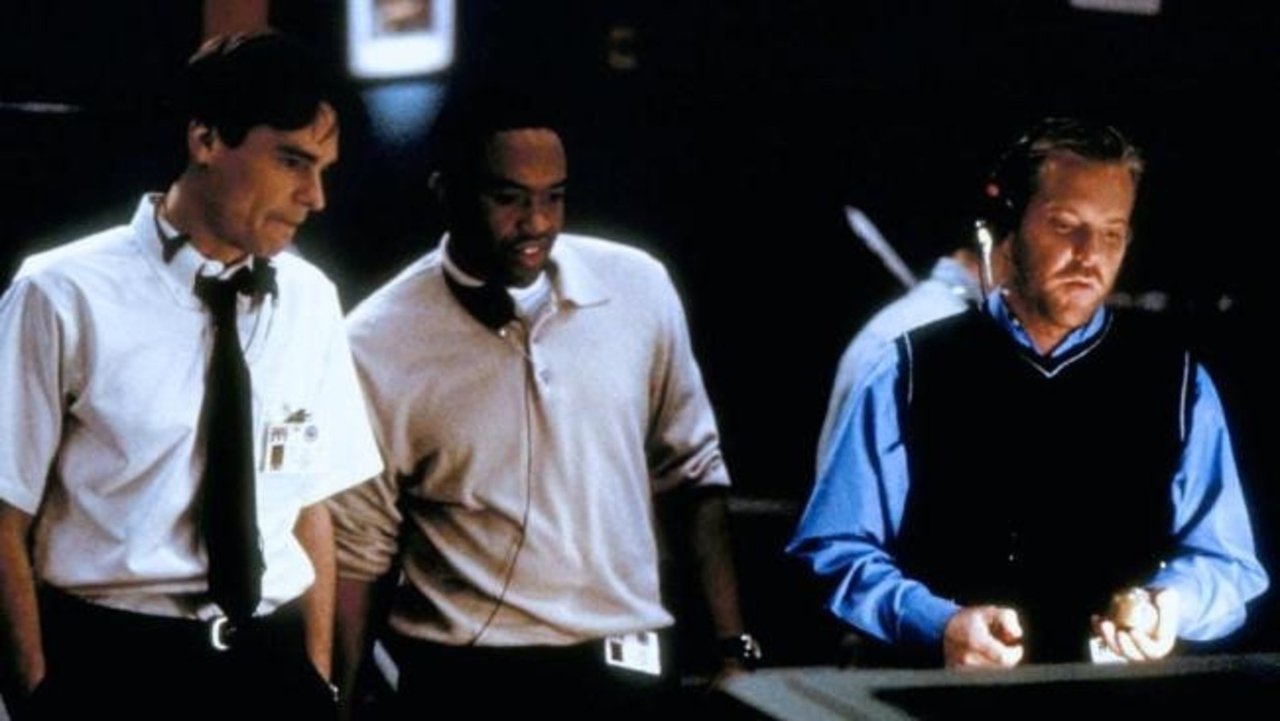
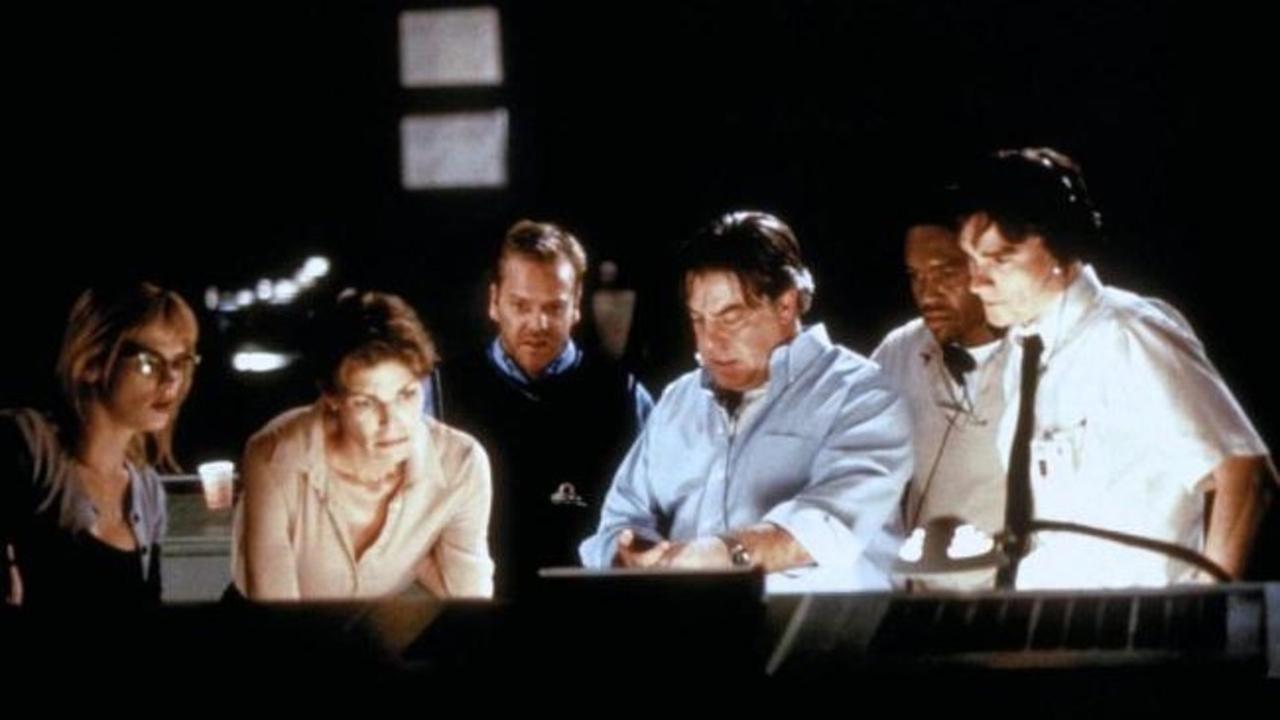
He's supported by a solid ensemble cast typical of these mid-budget 90s thrillers. Bruce McGill brings his usual gravitas as the tower chief trying to hold it all together. Robert Sean Leonard plays Cruise, the hotshot controller whose confidence borders on arrogance, providing a necessary counterpoint to Harris's cautious experience. Kristy Swanson appears as Julie, another controller caught in the storm's chaos, and Kelly McGillis lends veteran presence as Susan Stratton, coordinating efforts on the ground. Even Margaret Cho turns up in a smaller role, adding to the familiar-face bingo many of us played scanning the video store shelves back then.
Retro Fun Facts: Behind the Screens
Digging into Ground Control's background reveals a few interesting tidbits that feel very much of the era. Reportedly made for around $5 million, it had a limited theatrical run before becoming a staple on home video – the natural habitat for many such thrillers. Part of the filming actually took place using facilities at Los Angeles International Airport (LAX), lending a degree of authenticity to the tower visuals, which hold up reasonably well for their time.
Perhaps the most eyebrow-raising detail lies in the writing credits. Alongside director Richard Howard, Remington Franklin, and Tripp Reed, you'll find Bob Gale – co-writer of the iconic Back to the Future (1985) – and, somewhat surprisingly, Andrew Dice Clay. It suggests a script that likely went through various hands and drafts over time, a common occurrence in Hollywood. While Gale's involvement hints at potentially strong structural roots, Clay's credit adds a layer of unexpected trivia – a curious footnote for a film focused on intense, life-or-death drama. It makes you wonder which lines might have originated where, doesn't it?
Holding Pattern or Smooth Landing?
Does Ground Control reinvent the disaster genre? No, not really. It follows familiar beats: the reluctant hero, the escalating crisis, the near misses, the eventual catharsis. The dialogue occasionally dips into predictable territory, and some of the character dynamics feel a bit underdeveloped beyond the central Harris arc. The visual effects, particularly some of the exterior storm shots, definitely show their late-90s vintage, though the practical sets of the control tower remain effective.
Yet, there’s an undeniable appeal here, especially viewed through the lens of nostalgia. It’s a well-executed genre piece, focused and efficient in its storytelling. It understands the core appeal of its premise – the terrifying responsibility of holding lives in your hands, guided only by screens and voices. There's a certain satisfaction in watching competent professionals work under extreme duress, even if the surrounding film isn't groundbreaking. I remember grabbing tapes like this, knowing I was in for a solid 90 minutes of suspense, and Ground Control delivers on that promise. It taps into that primal fear of flying, but shifts the focus from the passengers to the unseen guardians on the ground.
Rating: 6/10
This rating reflects a film that is fundamentally competent and engaging, largely thanks to Kiefer Sutherland's committed performance and a genuinely tense central premise. It successfully builds suspense within its confined setting and delivers the expected thrills of the disaster genre. However, it doesn't quite transcend its formulaic elements or fully develop its supporting characters, keeping it from reaching greater heights. It's a solid piece of late-90s thriller craftsmanship, perfectly suited for its era and a worthwhile watch for fans of the genre or Sutherland completists, but perhaps lacks the distinctive edge to make it truly unforgettable.
What lingers most is the feeling of controlled chaos, the hum of the tower, and Sutherland’s haunted gaze – a decent slice of pre-millennium tension preserved on tape. It reminds us that sometimes, the most gripping dramas unfold not in explosive action, but in the quiet intensity of a voice guiding a plane through the storm.